This live activity has been approved for AMA PRA Category 1 Credit™.
In support of improving patient care, this activity has been planned and implemented by University of Nebraska Medical Center and The Association for Mass Spectrometry & Advances in the Clinical Lab (MSACL). University of Nebraska Medical Center is jointly accredited by the Accreditation Council for Continuing Medical Education (ACCME), the Accreditation Council for Pharmacy Education (ACPE), and the American Nurses Credentialing Center (ANCC), to provide continuing education for the healthcare team.
Please Note: Activities that are hosted by ineligible companies (e.g., Industry Workshops, Petite Suites), exist within the Exhibit Hall or are delineated below within
red cells/backgrounds are NOT CME Accredited sessions.
Abstract Clinical Use Status Key
= Discovery stage. (53.14%, 2025)
= Translation stage. (22.33%, 2025)
= Clinically available. (24.53%, 2025)
Sunday
Sunday 745
1900
Registration + Help Desk @ Foyer, Conference Level
Open for Badge Pickup
2361
Sunday 800
900
EarlyBird Continental Breakfast @ Salon Ville-Marie, Hotel Level
Pick-up your badge on the conference level then head upstairs to the MSACL Hospitality Lounge for breakfast, Continental-style plus breakfast wraps and sandwiches. Touch base with other conference attendees who have arrived early, or just enjoy the trees, stream, fish and ducks outside on the patio prior to starting your day.
2362
Sunday 1430
1830
LC-MSMS 101 : Getting Started with Quantitative LC-MSMS in the Diagnostic Laboratory @ Montreal 1-2
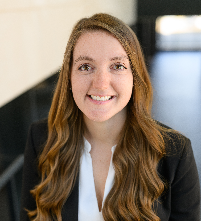
Grace van der Gugten, B.Sc. Chemistry Provincial Health Services Authority, BCCDC Toxicology Lab
Grace discovered her love for clinical mass spectrometry when she began working at St Paul's Hospital in Vancouver in the special chemistry mass spec group with Dr. Dan Holmes in late 2010. Grace was challenged in this role but gained a wealth of knowledge and experience over her 10+ years in the SPH laboratory. She puts this experience and knowledge into use in her current role as Mass Spectrometry Lab Scientist in the Toxicology Lab at the BCCDC in Vancouver, BC. Grace loves developing streamlined, easy to use (if possible!) clinical mass spectrometry assays; teaching others and helping others succeed; and troubleshooting (especially when the problem is solved!).
Relevant Financial Disclosures
(within past 24 months, reported on Mar 05, 2026)
No relevant financial relationship(s) to disclose.
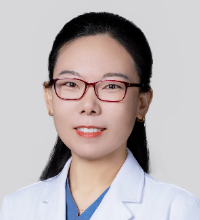
Deborah French, PhD, DABCC (CC, TC), FADLM UCSF
Deborah French Ph.D., DABCC (CC, TC), FADLM is a Director of Chemistry and the Director of Mass Spectrometry at the University of California San Francisco Health Clinical Laboratories. Her work currently focuses on the development and validation of LC-MS/MS assays for small molecules, specifically therapeutic drug monitoring, steroid hormones and toxicology. Deborah received her Ph.D. in biochemistry from the University of Strathclyde in Glasgow, Scotland and then completed a postdoctoral fellowship at St. Jude Children’s Research Hospital in Memphis, TN. She subsequently completed a ComACC Clinical Chemistry postdoctoral fellowship under the direction of Dr Alan Wu at the University of California San Francisco and is now board certified in Clinical Chemistry and Toxicological Chemistry by the American Board of Clinical Chemistry.
Relevant Financial Disclosures
(within past 24 months, reported on Feb 27, 2026)
Consultant Fees
ARK Diagnostics, Roche Diagnostics (ended)
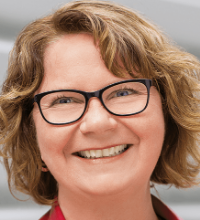
Grace Williams, PhD Virginia Commonwealth University
Relevant Financial Disclosures
(within past 24 months, reported on Mar 06, 2026)
No relevant financial relationship(s) to disclose.
Total Contact Hours: 14.00 (Ten-minute breaks occur after each full instructional hour when another hour follows. Breaks are excluded from contact hour calculations.)
LC-MSMS 302 : Advanced LC-MSMS Method Development, Troubleshooting and Operation for Clinical Analysis @ Montreal 6-8
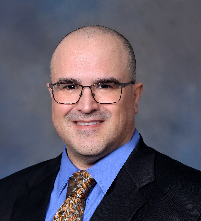
Robert Voyksner, PhD LCMS Limited
Dr. Robert D. Voyksner received his B.S. in Chemistry at Canisius College in 1978 and his Ph.D. at the University of North Carolina at Chapel Hill in 1982. He was employed at Research Triangle Institute (RTI) from 1983-2001 as the director of the mass spectrometry facility and has been responsible for developing
extraction, separation and mass spectrometric methods for biologically and environmentally significant compounds. His work earned him the Presidents Award, the highest award within RTI. In 2001 he co-founded LCMS Limited in Durham, NC and has been the CEO of the company to date. Under his direction LCMS Limited is working on technological advancements in LC-MS/MS, offering services to pharmaceutical, clinical and agrochemical industry for solving unique problems by LC/MS/MS and offering training in LC/MS/MS and MS/MS interpretation and on LC/MS/MS instrumentation. Dr Voyksner is also an Adjunct professor at the North Carolina a School of Veterinary Medicine and at The University of North Carolina
School of Pharmacy.
Dr. Voyksner's research in mass spectrometry has resulted in over 230 publications and presentations, primarily in the area of LC-MS/MS. He has served on the Board of Directors for The American Society For Mass Spectrometry (ASMS), is on the organization committee for The Montreux LC/MS Symposium and was the organizer for the 1995, 1999, 2003 and 2007 Montreux LC/MS Symposia. Dr. Voyksner has taught over 100 courses on LC-MSMS, CE/MS and CID interpretation during the past 10 years for MSACL, ASMS, pharmaceutical companies; ISSX, PBA, HPCE and HPLC focused meetings.
Relevant Financial Disclosures
(within past 24 months, reported on Jan 14, 2026)
Total Contact Hours: 13.92 (Ten-minute breaks occur after each full instructional hour when another hour follows. Breaks are excluded from contact hour calculations.)
Data Science 203 : Machine Learning : A Gentle Introduction @ Outremont 4
Stephen Master, MD, PhD, FADLM Children's Hospital of Philadelphia
Stephen Master received his undergraduate degree in Molecular Biology from Princeton University, and subsequently obtained his MD and PhD from the University of Pennsylvania School of Medicine. After residency in Clinical Pathology at Penn, he stayed on as a faculty member with a research focus in mass spectrometry-based proteomics as well as extensive course development experience in bioinformatics. After time as an Associate Professor of Pathology and Laboratory Medicine at Weill Cornell Medicine in New York City, where he served as Director of the Central Lab and Chief of Clinical Chemistry Laboratory Services, he took a position at the Children's Hospital of Philadelphia as Chief of Lab Medicine. One of his current interests is in the applications of bioinformatics and machine learning for the development of clinical laboratory assays. He would play with R for fun even if he weren't getting paid, but he would appreciate it if you didn't tell that to his department chair.
Relevant Financial Disclosures
(within past 24 months, reported on Feb 27, 2026)
Randy Julian is the Founder and CEO of Indigo BioAutomation. Randy earned a Ph.D. in Chemistry from Purdue University. Dr. Julian worked for 14 years at Eli Lilly using mass spectrometry in natural product drug discovery, high throughput screening for RNA anti-viral compounds, and proteomics and metabolomics in animal models. Randy founded Indigo as a spin-out of Lilly. Indigo develops software that uses machine learning techniques to automatically analyze data from laboratories world-wide. Indigo's technology also drives new stand-alone medical devices, bringing advanced data analysis to every level of the clinical lab. Dr. Julian is also is an Adjunct Professor of Chemistry at Purdue.
Relevant Financial Disclosures
(within past 24 months, reported on Feb 27, 2026)
Total Contact Hours: 14.00 (Ten-minute breaks occur after each full instructional hour when another hour follows. Breaks are excluded from contact hour calculations.)
Data Science 101 : Breaking Up with Excel : An Introduction to the R Statistical Programming Language @ Outremont 5
Nicholas Spies, MD University of Utah, ARUP Laboratories
Nick Spies, MD, is a bioinformatician-turned-laboratorian who is a medical director in the Applied Artificial Intelligence group within ARUP laboratories' Division of Research and Innovation. He is focused on applying analytical techniques to improve the way we detect laboratory errors, and hopes to spread the good word of data science and machine learning within the laboratory medicine community.
Relevant Financial Disclosures
(within past 24 months, reported on Apr 30, 2026)
Not yet reported.
Daniel Holmes, MD, FRCPC St. Paul’s Hospital
Daniel Holmes did his undergraduate training in Chemistry and Physics at the University of Toronto before deciding to pursue medicine as a career. He attended medical school at the University of British Columbia where pathology became his area of major interest. The strong influence of his academic mentors led him to enter the Medical Biochemistry residency training program at UBC. This allowed him to use his background knowledge of chemistry in application to medicine. Areas of clinical interest are diagnostic lipidology/endocrinology and research interests are in the utilization of mathematics and computer diagnostics to laboratory medicine.
Relevant Financial Disclosures
(within past 24 months, reported on Feb 27, 2026)
Total Contact Hours: 14.00 (Ten-minute breaks occur after each full instructional hour when another hour follows. Breaks are excluded from contact hour calculations.)
Clinical Proteomics 202 : MS-based Precision Diagnostics by Molecular Protein Analysis @ Outremont 7
Renee Ruhaak, PhD LUMC
Renee Ruhaak holds a PhD from the Leiden University Medical Center (LUMC, supervisor Prof. M. Wuhrer) and did a post-doc at UC Davis in the lab of Prof. C.B. Lebrilla prior to joining the department of Clinical Chemistry and Laboratory Medicine at the LUMC. She is currently an associate professor with a research focus on the application of mass spectrometry within the clinical setting. This entails both development and implementation of quantitative protein mass spectrometry, as well as the role of mass spectrometry in metrology and test standardization.
Relevant Financial Disclosures
(within past 24 months, reported on Feb 27, 2026)
Total Contact Hours: 7.00 (Ten-minute breaks occur after each full instructional hour when another hour follows. Breaks are excluded from contact hour calculations.)
Make your way upstairs to the MSACL Hospitality Lounge for an informal dinner. If you are arriving later because your course begins Monday morning, note that dinner will be served through 9:00pm, at the latest. Drinks (and maybe dessert) will be available through 10:00pm. The Lounge includes a pleasant outdoor patio along a stream and among some small trees and shrubbery, which may be enjoyable should we have nice weather. Open to all conference registrants.
2365
Monday
Monday 715
1900
Registration + Help Desk @ Foyer, Conference Level
Open for Badge Pickup
2366
Monday 730
900
Breakfast @ Salon Ville-Marie, Hotel Level
2367
Monday 830
1230
LC-MSMS 101 : Getting Started with Quantitative LC-MSMS in the Diagnostic Laboratory @ Montreal 1-2
Total Contact Hours: 14.00 (Ten-minute breaks occur after each full instructional hour when another hour follows. Breaks are excluded from contact hour calculations.)
Clinical Proteomics 201 : Clinical Proteomics @ Montreal 3
Andy Hoofnagle, MD, PhD University of Washington
Dr. Hoofnagle's laboratory focuses on the precise quantification of recognized protein biomarkers in human plasma using LC-MRM/MS. In addition, they have worked to develop novel assays for the quantification of small molecules in clinical and research settings. His laboratory also studies the role that the systemic inflammation plays in the pathophysiology of obesity, diabetes, and cardiovascular disease.
Relevant Financial Disclosures
(within past 24 months, reported on Feb 27, 2026)
Grant/Research Support
Waters, Inc.
Christopher Shuford, PhD Labcorp
Chris Shuford, Ph.D., is Associate Vice President and Technical Director for research and development at Laboratory Corporation of America in Burlington, North Carolina. Chris received his B.S. in Chemistry & Physics at Longwood University and obtained his Ph.D. in Bioanalytical Chemistry from North Carolina State University under the tutelage of Professor David Muddiman, where his research focused on applications of nano-flow chromatography for multiplexed peptide quantification using protein cleavage coupled with isotope dilution mass spectrometry (PC-IDMS). In 2012, Chris joined LabCorp’s research and development team where his efforts have focused on development of high-flow chromatographic methods (>1 mL/min) for multiplexed and single protein assays for clinical diagnostics.
Relevant Financial Disclosures
(within past 24 months, reported on Feb 27, 2026)
Total Contact Hours: 10.50 (Ten-minute breaks occur after each full instructional hour when another hour follows. Breaks are excluded from contact hour calculations.)
LC-MSMS 203 : Validation of Quantitative LC-MS/MS Assays for Clinical and Academic Use @ Montreal 5
Claire Knezevic, PhD Lurie Childrens Hospital
Dr. Claire Knezevic is a clinical chemist in the Department of Pathology and Laboratory Medicine at Lurie Children's Hospital with a focus on chemistry, point-of-care testing, quality improvement, drug monitoring, and personalized medicine. She is an Associate Professor in Northwestern's Feinberg School of Medicine in the Department of Pathology. Her interests include all things small molecule, from toxicology to therapeutic drug monitoring and their impacts on clinical care.
Relevant Financial Disclosures
(within past 24 months, reported on Mar 06, 2026)
No relevant financial relationship(s) to disclose.
Joshua Hayden, PhD, DABCC, FACB Cleveland Clinic
Joshua is currently the Section Head of Clinical Biochemistry at Cleveland Clinic. He earned his PhD in chemistry from Carnegie Mellon University. He conducted postdoctoral research at Massachusetts Institute of Technology before completing a two-year clinical chemistry fellowship at University of Washington and 4 years as Assistant Professor at Weill Medical College. Joshua has special expertise developing and overseeing mass spectrometry assays in the clinical laboratory.
Relevant Financial Disclosures
(within past 24 months, reported on Feb 27, 2026)
Total Contact Hours: 10.42 (Ten-minute breaks occur after each full instructional hour when another hour follows. Breaks are excluded from contact hour calculations.)
Total Contact Hours: 13.92 (Ten-minute breaks occur after each full instructional hour when another hour follows. Breaks are excluded from contact hour calculations.)
Glyco(proteo)mics 101 : Clinical Glyco(proteo)mics by Mass Spectrometry @ Westmount 5
Guinevere Lageveen-Kammeijer, PhD University of Groningen
Dr. Guinevere Lageveen-Kammeijer is an Assistant Professor in the Analytical Biochemistry group at the University of Groningen, within the Groningen Research Institute of Pharmacy. She holds a BSc in Biotechnology - Forensic Sciences from the University of Applied Sciences van Hall Larenstein, Leeuwarden, and an MSc in Analytical Chemistry from VU University, Amsterdam. Her research interests were ignited during her MSc internship, where she focused on separation techniques coupled with mass spectrometry.
Guinevere earned her PhD in Clinical Glycomics from the Leiden University Medical Center in 2019 under the supervision of Prof. Manfred Wuhrer. Her thesis developed small-scale sample preparation workflows using capillary electrophoresis (CE) and mass spectrometry (MS/MS) to analyze glycans, glycopeptides, and glycoproteins, with applications in biomarker discovery and biopharmaceutical characterization. She continued her research as a post-doctoral researcher at the same institution before expanding her expertise with a visit to Northeastern University, Boston, in 2017, where she focused on protein charge and proteoform heterogeneity.
In 2022, Guinevere began her tenure-track assistant professorship at the University of Groningen, where she works on advancing glyco(proteo)mic techniques, particularly in single-cell glycomic analysis. Her research includes expanding the mass spectrometry-based glycosylation assay for prostate-specific antigen (PSA), a key biomarker for prostate cancer, and exploring the in-depth analysis of glycans and glycoproteins for biomarker discovery in other diseases and biopharmaceutical characterization.
Guinevere’s contributions have been recognized through funding such as the Investigator Sponsored Research grant from Astellas (2019) and the prestigious NWO VENI grant (2023). She is actively involved in the scientific community, serving on the Scientific Omics Committee for MSACL. Guinevere is passionate about promoting the importance of glycosylation in biomarker research, aiming to bridge the gap between researchers and clinical professionals to improve biomarker translation to the clinic.
Relevant Financial Disclosures
(within past 24 months, reported on Mar 18, 2025)
No relevant financial relationship(s) to disclose.
Total Contact Hours: 10.50 (Ten-minute breaks occur after each full instructional hour when another hour follows. Breaks are excluded from contact hour calculations.)
Total Contact Hours: 14.00 (Ten-minute breaks occur after each full instructional hour when another hour follows. Breaks are excluded from contact hour calculations.)
Total Contact Hours: 14.00 (Ten-minute breaks occur after each full instructional hour when another hour follows. Breaks are excluded from contact hour calculations.)
Total Contact Hours: 10.50 (Ten-minute breaks occur after each full instructional hour when another hour follows. Breaks are excluded from contact hour calculations.)
Total Contact Hours: 7.00 (Ten-minute breaks occur after each full instructional hour when another hour follows. Breaks are excluded from contact hour calculations.)
Total Contact Hours: 14.00 (Ten-minute breaks occur after each full instructional hour when another hour follows. Breaks are excluded from contact hour calculations.)
Total Contact Hours: 10.50 (Ten-minute breaks occur after each full instructional hour when another hour follows. Breaks are excluded from contact hour calculations.)
Total Contact Hours: 10.42 (Ten-minute breaks occur after each full instructional hour when another hour follows. Breaks are excluded from contact hour calculations.)
Total Contact Hours: 13.92 (Ten-minute breaks occur after each full instructional hour when another hour follows. Breaks are excluded from contact hour calculations.)
Total Contact Hours: 10.50 (Ten-minute breaks occur after each full instructional hour when another hour follows. Breaks are excluded from contact hour calculations.)
Shannon Haymond, PhD Northwestern University Feinberg School of Medicine
My lab performs research and clinical testing using mass spectrometry methods, develops new assays, and applies data analytics to enable improved quality and efficiency. My computational pathology efforts are aimed at building the capacity for advanced data analytics in the department through innovations in infrastructure, education, and research to facilitate data-informed decision making for clinical care, operations, and quality assurance.
Relevant Financial Disclosures
(within past 24 months, reported on Feb 27, 2026)
Committee/Board/Advisory Board
Roche Diagnostics (ended)
Patrick Mathias, MD, PhD University of Washington
Patrick Mathias, M.D., Ph.D., is a board-certified clinical pathologist and Associate Director of Informatics for UW Laboratory Medicine.
Lab medicine has large impact on the general practice of medicine. It is key to correctly diagnosing diseases and selecting the right treatments for patients. Dr. Mathias's goal is to combine technical and medical knowledge to fulfill the triple aim--reduce the per capita cost of health care, improve the health of populations and most importantly improve the patient experience of care.
Dr. Mathias earned his M.D. and Ph.D. from the University of Illinois. His clinical and research interests include clinical informatics, clinical chemistry and molecular diagnostics.
Relevant Financial Disclosures
(within past 24 months, reported on Feb 27, 2026)
Stock/Bonds
Amgen, Corcept Therapeutics, Monte Rosa Therapeutics
Total Contact Hours: 7.00 (Ten-minute breaks occur after each full instructional hour when another hour follows. Breaks are excluded from contact hour calculations.)
Lipidomics 101 : Mass Spectrometry-based Lipidomics and Clinical Applications @ Outremont 1
Anne K. Bendt, PhD Singapore Lipidomics Incubator (SLING), National University of Singapore
Anne K Bendt studied Biology focusing on marine biotechnology (Greifswald University, Germany), followed by a PhD in Biochemistry (Cologne University, Germany) employing proteomics and transcriptomics. Driven by her fascination for infectious diseases, she joined the National University of Singapore (NUS) in 2004 to develop lipidomics tools for tuberculosis studies. She is now a Principal Investigator at the Life Sciences Institute, NUS, focussing on translation of mass spec technologies into clinical applications, and serving as the Deputy Director of the Singapore Lipidomics Incubator (SLING) taking care of operations and commercialization.
Relevant Financial Disclosures
(within past 24 months, reported on Mar 05, 2026)
No relevant financial relationship(s) to disclose.
Amaury Cazenave Gassiot, PhD Singapore Lipidomics Incubator (SLING) and Department of Biochemistry, National University of Singapore
Research Assistant Prof. Cazenave-Gassiot is an early-career researcher and an expert in mass spectrometry-based lipidomics. He graduated with a PhD in analytical chemistry at the University of Southampton (UK), under the supervision of Dr John Langley, specialising in supercritical fluid chromatography and mass spectrometry. His interest in lipids started while a postdoc in the team of Professor Anthony Postle, still in Southampton. A member of SLING since 2009, his research centres on separation sciences, mass spectrometry, and their applications to life sciences, especially lipid biochemistry. He has developed chromatographic and mass spectrometric methods for the identification and quantification of lipids in diverse biological systems. This has included successful local and international collaborations.
Relevant Financial Disclosures
(within past 24 months, reported on Mar 05, 2026)
No relevant financial relationship(s) to disclose.
Michael Chen, MD MSc The University of British Columbia
Dr. Michael Chen is a clinical pathologist, specializing in clinical chemistry and translational mass spectrometry. He is the Department Head and Medical Director of Laboratory Medicine, Pathology and Medical Genetics at Island Health, and Provincial Discipline Lead at Provincial Health Services Authority. As a researcher, Dr Chen is the scientific director of UBC Translational Omics Lab in the Victoria General Hospital. He is also the director of Vancouver Island Biobank, and he co-chairs the BC Biobank Network. Dr. Chen’s research focuses on clinical mass spectrometry, biobanking, biomarker validation and clinical implementation.
Relevant Financial Disclosures
(within past 24 months, reported on Apr 18, 2026)
Total Contact Hours: 7.00 (Ten-minute breaks occur after each full instructional hour when another hour follows. Breaks are excluded from contact hour calculations.)
Total Contact Hours: 14.00 (Ten-minute breaks occur after each full instructional hour when another hour follows. Breaks are excluded from contact hour calculations.)
Total Contact Hours: 14.00 (Ten-minute breaks occur after each full instructional hour when another hour follows. Breaks are excluded from contact hour calculations.)
Total Contact Hours: 10.50 (Ten-minute breaks occur after each full instructional hour when another hour follows. Breaks are excluded from contact hour calculations.)
Isotopes 101 : Modern Isotope Ratio Analysis for Biomedical Research and Clinical Diagnostics @ Outremont 7
Cajetan Neubauer University of Colorado, Boulder
The frontiers of metabolomics & proteomics are finally merging with isotope ratio mass spectrometry, opening exciting new opportunities in our understanding of biological systems.
My lab at the University of Colorado Boulder helps pioneer related novel molecular measurements based on soft-ionization isotope ratio mass spectrometry. These advances can be used to study natural stable isotope fingerprints in metabolites, drugs, or small inorganic ions for a fascinating range of cross-disciplinary applications in life and earth sciences.
To achieve our longterm goal of making natural isotope patterns universally useful, we combine expertise in metabolomics and proteomics with advanced concepts of high precision stable isotope analysis from geochemistry.
Relevant Financial Disclosures
(within past 24 months, reported on Jan 14, 2026)
No relevant financial relationship(s) to disclose.
Dwight Matthews, Ph.D. University of Vermont
Prof. Matthews received his PhD degree in 1977 in Analytical Chemistry from Indiana University with a focus in mass spectrometry. For his Ph.D. thesis he developed the first gas chromatograph-combustion-isotope ratio mass spectrometer (GC-C-IRMS). He then began his career at Washington University School of Medicine in St. Louis in the Department of Medicine where he developed stable isotope tracer methods to study in vivo amino acid metabolism in humans centered around gas chromatography-mass spectrometry (GC-MS). Several of these methods are commonly used by investigators today. In 1986 he moved to Cornell University Medical College in New York City as a tenured Associate Professor of Biochemistry in Medicine and Surgery to continue studies of metabolism. Here his focus broadened to include studies of metabolism in conditions found commonly in surgical metabolism and energy metabolism using doubly labeled water measured by IRMS. He also directed the Core Laboratories of the General Clinical Research Center. In 1996 he moved to the University of Vermont (UVM) as a Professor of Medicine in the College of Medicine and as a Professor of Chemistry in the College of Arts and Sciences. At UVM he directed core laboratories related to mass spectrometry for the Clinical Research Center, the Vermont Genetics Network Proteomics Core Laboratory, and the Mass Spectrometry Core Laboratory in Immunobiology. During this period, he developed new proteomics methods using liquid chromatography-mass spectrometry (LC-MS) with a focus on precise measurement of stable isotopic enrichments in proteins and peptides. From 2002-2014, he was Chair of the Department of Chemistry at UVM and named the Pomeroy Professor of Chemistry. In 2019, Matthews became a Professor Emeritus of Chemistry and Medicine at UVM, but continues his research activities. Professor Matthews is a world-renown expert in the development of stable isotope tracer techniques to study metabolism in humans. He has published over 175 papers in a range of peer-reviewed journals and over 75 contributions to symposia and chapters in books, and has an H-index of 85.
Relevant Financial Disclosures
(within past 24 months, reported on Jan 14, 2026)
No relevant financial relationship(s) to disclose.
Bruce Buchholz, Ph.D. Center for Accelerator Mass Spectrometry, Lawrence Livermore National Laboratory
Dr. Bruce Buchholz is a senior scientist at the Center for Accelerator Mass Spectrometry at LLNL and the Project Manager for the NIH User Resource for Biological Accelerator Mass Spectrometry (BioAMS). For the past 25 years he has designed and conducted 14C-tracer biological AMS studies with collaborators around the world in the fields of nutrition, environmental toxicology, cancer biology, pesticide ADME, and cell biology. His academic training is in physics and he holds a Ph.D. in Nuclear Engineering from the University of Illinois. Before joining LLNL he completed postdocs at Argonne National Laboratory in nuclear-chemical engineering and at UC Davis in pesticide ADME in the Department of Entomology. He has authored more than 100 peer-reviewed publications on the use of isotopic tracers in biology, combustion systems, and chemical engineering.
Relevant Financial Disclosures
(within past 24 months, reported on Jul 14, 2025)
Other Potential Conflicts
Amgen / Stock
Patrick Day, MPH, MLS (ASCP) Mayo Clinic
My background, training, and educational degrees are in Laboratory Medicine & Pathology and Public Health. I received my bachelor’s and master’s degrees both from the University of Minnesota. My MPH thesis was on how geospatial supercomputing and clinical laboratory data can be combined to study how socioeconomic determinants of health and geography within the United States are associated with elevated levels of arsenic and mercury in humans. I am currently a principal developer in the Division of Computational Pathology and Artificial Intelligence at the Mayo Clinic in Rochester, MN. Prior to this role, I was a senior developer with the Metals Laboratory at Mayo Clinic. This clinical laboratory is staffed by thirty highly specialized employees that conduct metal analysis of biologic samples as well as analyze thousands of kidney stones a year by Fourier Transform Infrared Spectroscopy (FTIR). In the Metals Laboratory, I developed numerous laboratory developed tests (LDTs) as well as managed various multidisciplinary research projects. I currently hold the academic rank of Instructor in the Mayo Clinic College of Medicine and Science. I have co-authored numerous conference abstracts and peer-reviewed articles related to metals toxicology and artificial intelligence in the clinical laboratory and was honored to receive an American Society for Clinical Pathology 40 under Forty award.
Relevant Financial Disclosures
(within past 24 months, reported on Jan 21, 2025)
No relevant financial relationship(s) to disclose.
Total Contact Hours: 7.00 (Ten-minute breaks occur after each full instructional hour when another hour follows. Breaks are excluded from contact hour calculations.)
Open to all conference registrants. Use this time to finalize dinner plans with fellow attendees.
2371
Monday 1900
2100
Dinner @ Your Choice
Your choice! This non-MSACL sponsored meal break is your chance to explore the culinary delights within the city of Montreal. MSACL recommendations.
2372
Monday 2100
2330
MSACL Hospitality Lounge @ Salon Ville-Marie, Hotel Level
All attendees are welcome to close out the evening in Salon Ville Marie. MSACL will host drinks and snacks. The evening will include a live jazz duo from 9-10pm. Enjoy the hotel's 2.5 acres of gardens outside on the adjoining patio.
2374
Tuesday
Tuesday 715
2100
Registration + Help Desk @ Foyer, Conference Level
2375
Tuesday 730
900
Breakfast @ Salon Ville-Marie, Hotel Level
Open to All Short Course and Conference Attendees.
2376
Tuesday 830
1230
LC-MSMS 101 : Getting Started with Quantitative LC-MSMS in the Diagnostic Laboratory @ Montreal 1-2
Total Contact Hours: 14.00 (Ten-minute breaks occur after each full instructional hour when another hour follows. Breaks are excluded from contact hour calculations.)
Total Contact Hours: 10.50 (Ten-minute breaks occur after each full instructional hour when another hour follows. Breaks are excluded from contact hour calculations.)
Total Contact Hours: 10.42 (Ten-minute breaks occur after each full instructional hour when another hour follows. Breaks are excluded from contact hour calculations.)
Total Contact Hours: 13.92 (Ten-minute breaks occur after each full instructional hour when another hour follows. Breaks are excluded from contact hour calculations.)
Total Contact Hours: 10.50 (Ten-minute breaks occur after each full instructional hour when another hour follows. Breaks are excluded from contact hour calculations.)
Total Contact Hours: 7.00 (Ten-minute breaks occur after each full instructional hour when another hour follows. Breaks are excluded from contact hour calculations.)
Total Contact Hours: 7.00 (Ten-minute breaks occur after each full instructional hour when another hour follows. Breaks are excluded from contact hour calculations.)
Total Contact Hours: 14.00 (Ten-minute breaks occur after each full instructional hour when another hour follows. Breaks are excluded from contact hour calculations.)
Total Contact Hours: 14.00 (Ten-minute breaks occur after each full instructional hour when another hour follows. Breaks are excluded from contact hour calculations.)
Total Contact Hours: 10.50 (Ten-minute breaks occur after each full instructional hour when another hour follows. Breaks are excluded from contact hour calculations.)
Total Contact Hours: 7.00 (Ten-minute breaks occur after each full instructional hour when another hour follows. Breaks are excluded from contact hour calculations.)
Get-the-Basics : Pathology for Mass Spectrometrists @ Montreal 4
David McClintock, MD Mayo Clinic
David McClintock is the Chair of the Division of Computational Pathology and Informatics within the Department of Laboratory Medicine and Pathology at Mayo Clinic (Rochester, MN). He is an AP/CP and Clinical Informatics boarded pathologist, with primary clinical interests including pathology informatics, clinical AI lifecycle/AI model deployment, digital pathology, and clinical laboratory workflow optimization/analytics. His research interests include the use of AI and machine learning tools for improved diagnostics, workflow optimization, and improved patient outcomes, in addition to the application of robotic process automation and computer vision tools within healthcare. Dr. McClintock is involved in multiple pathology organizations, including previously serving as the President of the Association for Pathology Informatics (API, 2018) and currently serves as the API Program Committee Chair.
Relevant Financial Disclosures
(within past 24 months, reported on Oct 11, 2025)
No relevant financial relationship(s) to disclose.
SPEAKER REPLACEMENT : Shannon Coy was the original presenter of this session, but will not be able to make it due to sickness. David McClintock has generously agreed to cover this session (on very short notice) as he happens to have a presentation in his pocket that closely aligns with the topic.
Open to All Conference Registrants without extra fee or registration.
Objectives
Develop a greater understanding of the role of anatomic pathology as it relates to clinical medicine, laboratory medicine, and molecular/genomics
Understand the workflow of pathology specimens, including tissue processing, staining techniques, and ancillary studies
Understand how digital pathology and AI are changing the way pathology specimens are being reviewed and interpreted
Understand recent developments in the use of mass spectrometry in pathology research and practice
Summary
Pathology is a medical discipline focused on the diagnosis and characterization of human disease via examination and analysis of fluid and tissue specimens. In addition to their role in clinical diagnosis, pathologists play a critical role in basic and translational research by curating tissue archives, interpreting tissue specimens and molecular analyses, and guiding assay development and implementation.
In this workshop, I will define key principles that inform anatomic pathology practice. I will provide an overview of pathology workflows, including tissue processing, staining, and microscopic analysis. I will then the new field of digital pathology and its impact on anatomic pathology, including the emerging roles of artificial intelligence and computational pathology. Finally, I will discuss the the impact mass spectrometry has had on anatomic pathology practice.
Syllabus
Basic concepts in pathology practice: tissue acquisition and processing, gross and microscopic examination, tissue and biomarker analysis, molecular diagnostics.
Digital pathology: gross, microscopic, and whole slide imaging
The effects of AI and computational pathology on AP: what is the potential and how is this technology being used in the practice of pathology?
Applications of mass spectrometry in pathology practice and research: blood testing, infectious disease and microbiology, and mass spectroscopy to identify new biomarkers in AP.
Moderated by:
Angela Kruse, PhD Ohio State University
Angela Kruse is a Research Assistant Professor in the department of Cell and Developmental Biology and the Mass Spectrometry Research Center at Vanderbilt University. Her research integrates imaging mass spectrometry, proteomics, spatial transcriptomics, biochemistry, and microscopy to understand how diabetes affects the molecular environment in the pancreas, kidney, and eye. She received her Ph.D. in Plant Pathology with a focus in Biochemistry from Cornell University prior to conducting her postdoctoral studies under the guidance of Drs. Richard Caprioli and Jeff Spraggins at Vanderbilt University. She plans to spend her career applying and integrating cutting edge technologies to address important challenges in human health and the environment.
Relevant Financial Disclosures
(within past 24 months, reported on Mar 13, 2026)
No relevant financial relationship(s) to disclose.
Ron Heeren, PhD Maastricht University
Maastricht University Professor Ron Heeren (1965) is a pioneer in the field of imaging mass spectrometry. During his career, he and his team have developed new physical measurement methods to map the distribution of molecules on complex surfaces. In all phases of his scientific career, he has actively contributed to the valorisation of the methods and techniques he has developed in a highly interdisciplinary setting. Instrumentation physics was and is the common thread through his development into the socially committed scientist he is today. Trained as a technical physicist, with an outstanding track record in innovative physical-chemical research, he is now active in an interdisciplinary biomedical setting. He heads the Maastricht MultiModal Molecular Imaging Institute (M4I) in which he uses the techniques he has developed for precision medicine and improved patient care. He has also actively given his research more (market) value through the establishment and participation in three companies. Various of the patents obtained by him have been taken over and / or licensed by various major private parties active in the scientific instrumentation market.
Relevant Financial Disclosures
(within past 24 months, reported on Mar 06, 2026)
No relevant financial relationship(s) to disclose.
2516
Tuesday 1000
1100
Get-the-Basics : Mass Spectrometry for Pathologists @ Montreal 4
Kristina Schwamborn, MD, PhD Technical University of Munich
Relevant Financial Disclosures
(within past 24 months, reported on Apr 01, 2025)
Open to All Conference Registrants without extra fee or registration.
Moderated by:
Ron Heeren, PhD Maastricht University
Maastricht University Professor Ron Heeren (1965) is a pioneer in the field of imaging mass spectrometry. During his career, he and his team have developed new physical measurement methods to map the distribution of molecules on complex surfaces. In all phases of his scientific career, he has actively contributed to the valorisation of the methods and techniques he has developed in a highly interdisciplinary setting. Instrumentation physics was and is the common thread through his development into the socially committed scientist he is today. Trained as a technical physicist, with an outstanding track record in innovative physical-chemical research, he is now active in an interdisciplinary biomedical setting. He heads the Maastricht MultiModal Molecular Imaging Institute (M4I) in which he uses the techniques he has developed for precision medicine and improved patient care. He has also actively given his research more (market) value through the establishment and participation in three companies. Various of the patents obtained by him have been taken over and / or licensed by various major private parties active in the scientific instrumentation market.
Relevant Financial Disclosures
(within past 24 months, reported on Mar 06, 2026)
No relevant financial relationship(s) to disclose.
Angela Kruse, PhD Ohio State University
Angela Kruse is a Research Assistant Professor in the department of Cell and Developmental Biology and the Mass Spectrometry Research Center at Vanderbilt University. Her research integrates imaging mass spectrometry, proteomics, spatial transcriptomics, biochemistry, and microscopy to understand how diabetes affects the molecular environment in the pancreas, kidney, and eye. She received her Ph.D. in Plant Pathology with a focus in Biochemistry from Cornell University prior to conducting her postdoctoral studies under the guidance of Drs. Richard Caprioli and Jeff Spraggins at Vanderbilt University. She plans to spend her career applying and integrating cutting edge technologies to address important challenges in human health and the environment.
Relevant Financial Disclosures
(within past 24 months, reported on Mar 13, 2026)
No relevant financial relationship(s) to disclose.
2517
Tuesday 1115
1215
Get-the-Basics : Targeted Pathology and AI @ Montreal 4
Jolene Ranek, Ph.D. Stanford
Relevant Financial Disclosures
(within past 24 months, reported on Aug 15, 2025)
No relevant financial relationship(s) to disclose.
Open to All Conference Registrants without extra fee or registration.
Recent advances in spatial omics technologies (e.g., spatial proteomics, transcriptomics, glycomics) have transformed our ability to study how tissue structure, organization, and function changes throughout the course of disease. While these approaches can be used to gain fundamental insights into the regulatory mechanisms that drive differential patient outcomes, analyzing and interpreting these data across heterogeneous patient samples in a generalized and scalable way presents a significant computational challenge. In this talk, we will highlight four case studies that illustrate how AI can be used to improve diagnostic accuracy, predict treatment response, enhance workflow, and expand access to molecular data. We will also discuss practical considerations when developing or applying models for precision pathology, including data quality and standardization, model interpretability, and validation strategies to ensure generalizability and clinical impact.
Moderated by:
Ron Heeren, PhD Maastricht University
Maastricht University Professor Ron Heeren (1965) is a pioneer in the field of imaging mass spectrometry. During his career, he and his team have developed new physical measurement methods to map the distribution of molecules on complex surfaces. In all phases of his scientific career, he has actively contributed to the valorisation of the methods and techniques he has developed in a highly interdisciplinary setting. Instrumentation physics was and is the common thread through his development into the socially committed scientist he is today. Trained as a technical physicist, with an outstanding track record in innovative physical-chemical research, he is now active in an interdisciplinary biomedical setting. He heads the Maastricht MultiModal Molecular Imaging Institute (M4I) in which he uses the techniques he has developed for precision medicine and improved patient care. He has also actively given his research more (market) value through the establishment and participation in three companies. Various of the patents obtained by him have been taken over and / or licensed by various major private parties active in the scientific instrumentation market.
Relevant Financial Disclosures
(within past 24 months, reported on Mar 06, 2026)
No relevant financial relationship(s) to disclose.
Angela Kruse, PhD Ohio State University
Angela Kruse is a Research Assistant Professor in the department of Cell and Developmental Biology and the Mass Spectrometry Research Center at Vanderbilt University. Her research integrates imaging mass spectrometry, proteomics, spatial transcriptomics, biochemistry, and microscopy to understand how diabetes affects the molecular environment in the pancreas, kidney, and eye. She received her Ph.D. in Plant Pathology with a focus in Biochemistry from Cornell University prior to conducting her postdoctoral studies under the guidance of Drs. Richard Caprioli and Jeff Spraggins at Vanderbilt University. She plans to spend her career applying and integrating cutting edge technologies to address important challenges in human health and the environment.
Relevant Financial Disclosures
(within past 24 months, reported on Mar 13, 2026)
No relevant financial relationship(s) to disclose.
2518
Tuesday 1245
1400
Industry Workshop(s)
Pre-register for your session of choice to help us order lunches accordingly.
Academic Workshop : Critical Steps in Clinical Test Development and Risk Management in Rare Disease Settings @ Salon Bonaventure, Hotel Level
Rejwi Dahal, PhD Indiana University School of Medicine
Rejwi Dahal is a clinical assistant professor in the department of Pathology and Laboratory Medicine at Indiana University School of Medicine. Her research interests include development of analytical methods for detecting small molecules, in diverse biological matrices using advanced mass spectrometry techniques, which can be translated to patient care. She is also passionate about creating diagnostics tests tailored for at-home sample collection, particularly using dried blood spot technology, to enhance healthcare accessibility for patients in remote and underserved settings.
Relevant Financial Disclosures
(within past 24 months, reported on Feb 04, 2025)
No relevant financial relationship(s) to disclose.
Sindhu Nair, Ph.D Q Boost Inc.
Sindhu Nair is a seasoned Quality Consultant and CEO of Q Boost Inc., with extensive experience in quality management and software development. She has successfully implemented ISO and CLIA standards across various labs and is an active contributor to the development of ISO 15189 standards. Sindhu also performs audits for ISO 17025, ISO 9001, ISO 13485, and ISO 15189 standards.
In her role at Q Boost Inc., Sindhu provides quality consultation services to research labs and start-ups, performs ISO audits, and develops quality-compliant e-QMS systems. She is an active member of various professional organizations, including the Metabolomics Quality Assurance and Quality Control Consortium (mQACC), the Standards Council of Canada (SCC), and the Canadian Standards Association (CSA).
Sindhu is recognized for her leadership, problem-solving skills, and passion for quality system development, consistently enhancing laboratory standards and practices.
Relevant Financial Disclosures
(within past 24 months, reported on Jan 27, 2025)
No relevant financial relationship(s) to disclose.
Objectives
Objective 1: Discuss newborn screening: history, common disorders tested, and the process of adding new disorders in the United States.
Objective 2: Explain the key considerations in developing test methods for rare diseases.
Objective 3: Outline risk assessment and management strategies guided by ISO 14971.
Summary
Developing clinical laboratory tests for rare diseases presents unique scientific and operational challenges that demand a robust framework guided by internationally recognized standards. This session explores the critical pre-validation steps, method development practices, and risk management strategies required to support high-quality clinical laboratory testing in the rare disease context. Special emphasis will be placed on newborn screening, including the complexities of adding new disorders to screening panels. The workshop will provide a structured framework for managing risk across the various stages of test development and implementation, tailored to the unique demands of rare disease diagnostics. Lysosomal storage diseases such as Krabbe and mucopolysaccharidosis type I (MPS I) will be covered.
Syllabus
Emerging challenges in rare disease testing
Risk management framework: identifying, assessing, mitigating, and monitoring risks
Examples of practical solutions.
2379
Tuesday 1430
1600
Academic Workshop : Interventional Mass Spectrometry @ Montreal 1-2
Zoltan Takats, PhD Imperial College
Professor Takats has obtained his PhD from Eötvös Loránd University, Budapest, Hungary. He has worked as a post-doctoral research associate at Purdue University, Indiana, USA. After returning to Hungary, he served as Director of Cell Screen Research Centre and also as Head of Newborn Screening and Metabolic Diagnostic Laboratory at Semmelweis University, Budapest.
Professor Takats was awarded the Starting Grant by the European Research Council in 2008 and he subsequently, became a Junior Research Group Leader at Justus Liebig University, Gießen, Germany. He moved to the United Kingdom in 2012 and currently works as a Professor of Analytical Chemistry at Imperial College London.
Professor Takats has pursued pioneering research in mass spectrometry and he is one of the founders of the field of ‘Ambient Mass Spectrometry’. He is the primary inventor of six mass spectrometric ionization techniques and author of 78 peer reviewed publications. He was the recipient of the prestigious Mattauch-Herzog Award of the German Mass Spectrometry Society and the Hungarian Star Award for Outstanding Innovators. He is the founder of Prosolia Inc, Medimass Ltd and Massprom Ltd, all companies pursuing analytical and medical device development.
Relevant Financial Disclosures
(within past 24 months, reported on Feb 12, 2024)
Grant/Research Support
Waters, AstraZeneca
Royalty / IP / Other Income
DESI
Lauren Ford, BSc (Hons), PhD Imperial College London
I am an early career researcher and have a background in materials chemistry, having studied for a PhD between the School of Chemistry and the School of Design at the University of Leeds I have experience in polymer technology, physical adsorption theory and purification. I am interested in using these skills to aid detection of disease using mass spectrometry detection. Since joining Imperial in 2019 I have been working as a post-doctoral research associate in the department of Surgery and Cancer, working on the iEndoscope project. This project utilised ambient ionisation mass spectrometry and allowed me to gain critical experience of ambient MS for early cancer detection.
Relevant Financial Disclosures
(within past 24 months, reported on Mar 19, 2025)
No relevant financial relationship(s) to disclose.
Objectives
Discuss instrumentation requirements for interventional MS
Review instrument concepts and respective applications
Define a roadmap for the clinical translation/introduction of interventional MS
Summary
The clinical environment is a highly dynamic setting, and the decisions made can have huge downstream consequences for patient outcomes and ongoing care. To make these decisions clinical testing is used to reduce subjectivity, provide data, and ensure patient safety. Mass spectrometry is a useful tool in clinical care due to the high sensitivity and specificity for the detection of metabolites in bodily fluids such as blood, plasma, urine, saliva, stool, and mucus.
Most mass spectrometry in the clinical setting is performed offline, with sample collection performed at the point of care setting and then transported to the laboratory for extraction and analysis. Ambient ionisation mass spectrometry revolutionized the use case for mass spectrometry in the clinic by enabling direct sample analysis, opening new clinical analysis opportunities. Coupling ambient ionisation mass spectrometry with machine learning techniques enables dynamic analysis of thousands of metabolites directly from clinical samples, without the need for sample preparation. These advances in technology have led to the development of novel uses of mass spectrometry for intervention and aiding clinical decision making, such as surgical margin detection, point of care testing, and mass spectrometry guided surgery. Interventional mass spectrometry describes a clinical assay from which the results steer a patients ongoing treatment. The decision to intervene in clinical care needs to be fast and robust, with the testing taking place at the point of care.
Syllabus
Interventional mass spectrometry methods: strengths, weaknesses, applications and future perspectives.
Hardware choices and the effect on interventional mass spectrometry progression.
Regulatory aspects surrounding the advancement of technology.
2380
Tuesday 1430
1600
Academic Workshop : Enabling the Patient Journey through Patient Centric Sampling @ Montreal 3
Enaksha Wickremsinhe, PhD Gates Medical Research Institute
Enaksha has over 20 years of experience in Pharma R&D as a bioanalytical expert combined with ADME/DMPK project leadership.
He is currently a Bioassay Development Lead at the Gates Medical Research Institute. Prior to that he served as a Research Advisor at Eli Lilly and Company where he was responsible for the development, validation, and execution of quantitative LC-MS/MS assays supporting the entire small molecule portfolio, spanning from discovery to registration. He is also an expert on novel blood sampling technologies and supporting Decentralized Clinical Trials (DCTs). Enaksha has numerous publications demonstrating the adoption of patient centric minimally invasive blood sampling for PK as well as safety panels supporting global trials including pediatric. He is the co-chair of the AAPS Microsampling and Patient Centric Sampling discussion group. Enaksha represented PhRMA as a member of the ICH M10 Expert Working Group. He received his Ph.D. from the Pennsylvania State University and his undergraduate from the University of Peradeniya (Sri Lanka).
Relevant Financial Disclosures
(within past 24 months, reported on May 06, 2025)
Other Potential Conflicts
Eli Lilly and Company / Stock
Gates Medical Research Institute / Expenses
Gates Medical Research Institute / Salary
Dajana Vuckovic, PhD Concordia University
Dr. Dajana Vuckovic is Professor and Concordia University Research Chair in Clinical Metabolomics and Biomarkers and the Director of Centre for the Biological Applications of Mass Spectrometry at Concordia University. Her research program focuses on the development of novel mass spectrometry and microextraction methods to accurately measure challenging low-abundance and unstable metabolites and improve metabolite coverage and data quality in clinical metabolomics and lipidomics. Dr. Vuckovic is the recipient of the 2023 Fred Beamish Award from the Canadian Society for Chemistry and the 2024 Metabolomics Society medal. She serves on the editorial boards of Bioanalysis and Analytical and Bioanalytical Chemistry and currently co-leads the Best Practices Working Group of Metabolomics Quality Assurance and Quality Control Consortium. She has co-organized numerous scientific symposia at leading national and international conferences and has co-chaired Metabolomics 2023 conference held in Niagara Falls, Canada.
Relevant Financial Disclosures
(within past 24 months, reported on Mar 12, 2026)
No relevant financial relationship(s) to disclose.
Shelley Hossenlopp, MS Poca International LLC
Executive with 37 years of global and domestic laboratory and medical device commercialization: sales, distribution, marketing, business development, funding, product management, clinical trials, regulatory, manufacturing and Intellectual Property strategy planning. Inventor with two patents as co-inventor with US Army pertain to laboratory consumable for biosecurity for samples. Advanced experience working with the Department of Defense (DoD) and other US and foreign government, Ministries of Health (MOH) and non-government agencies (NGO's) and Fortune 100, 500 firms.
Board level experience with commercial start-ups, universities and nonprofit 501(c)3 organizations.
Executive management level experience working with all business climates: start-ups, mid-level, Fortune 100 & 500 Corporations, and non-profit 501(c)3's to include fund-raising and M & A activities
Areas of Expertise in: sales, marketing, distribution, commercialization strategy, business development, acquisition, funding, intellectual property analysis, clinical affairs, research and product development and manufacturing: Conduct market analysis, develop sales forecasts, budgets, marketing, & distribution strategies, and commercialization plans. SG&A, P&L responsibilities, Manage clinical affairs and trials. IRB, IRC, and FDA PMA, De Novo, 510(k) experience, QSR and cGMP knowledge.
Relevant Financial Disclosures
(within past 24 months, reported on Feb 27, 2025)
No relevant financial relationship(s) to disclose.
Objectives
Learn about patient centric sampling technologies – what they are, what the benefits are and how they might be used to enable the patient journey.
Define the challenges for routine implementation of patient centric sampling technologies for diagnostic blood sampling and analysis.
Break out group discussions regarding the defined challenges and how they may be overcome.
Prioritize actionable next steps for improved patient outcomes.
Summary
Numerous technologies are now commercially available that facilitate the collection of human blood samples in locations away from the clinical setting. This approach is termed patient centric sampling, or microsampling and can involve the collection of samples from a finger stick, or from elsewhere on the body. The samples can be dried or liquid, and are often a smaller volume than those obtained by traditional phlebotomy.
The use of these approaches potentially enables samples to be collected from currently underserved communities (pediatric, elderly, remote areas, etc). Furthermore, the approach may enable more regular sampling of individuals to be performed and facilitates choice for the patient about how and where samples will be collected. These technologies also have the potential to overcome the discomfort, pain and fear that is encountered by many when collecting samples by traditional phlebotomy.
This workshop will give the background to this approach for biological specimen collection. Workshop participants will then take part in a facilitated discussion focusing on the challenges of implementing these technologies. Participants will then take part in facilitated break-out groups to provide tractable solutions to overcome these challenges and what future activities are required to facilitate this.
Syllabus
Welcome and introduction to the workshop, including objectives – Russell Grant.
Presentation on patient centric remote sampling technologies, what they are what the benefits are and how they might be used as a part of healthcare. Primer on what to discuss as the challenges – regulatory hurdles; affordability; integrating into laboratory workflows (15 min) – Enaksha Wickremsinhe
Discussion of challenges of implementing this approach – entire workshop (25 min) - Dajana Vuckovic
Set-up breakout groups and subjects for discussion (10 min)
Discussion of potential solutions to the challenges – breakout groups (30 min) – Enaksha Wickremsinhe
Next steps and wrap-up (10 min) – Russell Grant
Moderated by:
Russell Grant, PhD Labcorp
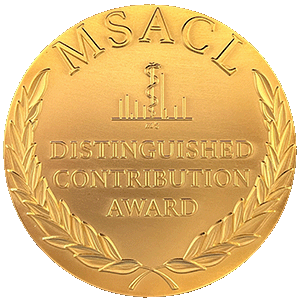
Dr. Grant earned a first-class honors degree in Industrial Chemistry from Cardiff University and a PhD in Chromatographic and Mass Spectrometric technologies from the University of Swansea, Wales, United Kingdom. He continued his scientific training in various industrial settings, which have included senior scientist at GSK, Principal scientist at Cohesive Technologies, Technical director at Eli Lilly, and Director of Mass Spectrometry at Esoterix Endocrinology. Dr Grant is currently the Vice President of Research and Development and co-discipline director for Mass spectrometry at Labcorp. Dr Grant has pioneered the use of direct injection technologies, chromatographic systems multiplexing, microsampling, utility of automation, and other new analytical platforms in direct patient care. His research goals are focused upon improvements in speed, sensitivity, and quality of liquid chromatography with tandem mass spectrometric (LC-MS/MS) analytical systems and assays. Dr Grant has been awarded 100 patents and received both the MSACL Distinguished contribution award and ASMS AL Yergey “Unsung Hero” Award in 2024 for his contributions to Clinical Diagnostics using Mass Spectrometry.
Relevant Financial Disclosures
(within past 24 months, reported on Apr 23, 2026)
Committee/Board/Advisory Board
BCal Diagnostics
Stock/Bonds
Labcorp
Salary
Labcorp
2383
Tuesday 1430
1600
Academic Workshop : Quantification of Protein and Peptide Biomarkers in Diabetes Clinical Research @ Montreal 4
Salvatore Sechi, PhD NIDDK/NIH
DR. Sechi is the program director for proteomics and systems biology at the NIDDK/NIH. His responsibilities include the oversight of a research program on the application of structural biology and proteomics to diabetes, endocrinology, and metabolic diseases. The structural biology component comprises studies that are aimed at characterizing the 3-dimensional structure and function of proteins, and studies related to folding, stability, and novel structure design. The proteomic component focuses on characterizing the proteome or subset of the proteome, with the main goal of furthering our understanding of disease etiology and pathophysiology. For this purpose, researchers within this program often aim to identify protein biomarkers and examine signal transduction pathways and networks. Typically, large-scale approaches such as protein arrays or mass spectrometry are applied within these types of projects. The samples used can include biofluids or biopsies from human specimens as well as animal and cell models. The portfolio also involves computational and bioinformatic studies that address proteomic issues as they relate to diseases of interest to the NIDDK.
The systems biology program that Dr. Sechi manages comprises research projects that study how the higher-level properties of complex biological systems arise from the interactions among their parts. Within this new discipline, researchers often use high-throughput technologies (e.g., genomics, proteomics, epigenomics, and metabolomics) and integrate the resulting data sets to develop models of complex biological systems. Within this program, researchers aim to characterize molecular pathways that lead to diabetes and develop predictive models.
Relevant Financial Disclosures
(within past 24 months, reported on Feb 27, 2026)
Stock/Bonds
GE HealthCare Technologies, Merck, Organon, Pfizer, Viatris
Andy Hoofnagle, MD, PhD University of Washington
Dr. Hoofnagle's laboratory focuses on the precise quantification of recognized protein biomarkers in human plasma using LC-MRM/MS. In addition, they have worked to develop novel assays for the quantification of small molecules in clinical and research settings. His laboratory also studies the role that the systemic inflammation plays in the pathophysiology of obesity, diabetes, and cardiovascular disease.
Relevant Financial Disclosures
(within past 24 months, reported on Feb 27, 2026)
Grant/Research Support
Waters, Inc.
Michael MacCoss, PhD University of Washington
The focus of the MacCoss laboratory is in the development and application of cutting-edge mass spectrometry-based technologies for the analysis of complex protein mixtures. Dr. MacCoss’ primary area of expertise is in protein biochemistry, nanoflow liquid chromatography, mass spectrometry instrumentation, and computational analysis of mass spectrometry data. He has ~30 years of mass spectrometry experience that bridges the fields of protein mass spectrometry, isotope ratio mass spectrometry, and quantitative mass spectrometry. The MacCoss laboratory has been actively applying these tools to important areas of biology including but not limited to, the basic biology of aging, neurodegenerative disease, protein-protein interactions, insulin signaling, cancer, measurement of protein half-life, transcriptional regulation, characterization of post-translational modifications, proteogenomics, and clinical diagnostics. The MacCoss laboratory is widely known for its expertise in the development and support of proteomics software tools. This expertise in mass spectrometry and the support of open-source software tools will be critical to the success of this project. Dr. MacCoss has been actively involved in the scientific direction and management of NIH centers, program projects, consortia, and large quantitative proteomics data production efforts since he arrived at UW in 2004. The MacCoss lab has worked on proteomics application of the biology of aging for the last 20 years and has been working in the analysis of samples of relevance to Alzheimer’s disease for the last decade. The MacCoss lab has trained 15 Ph.D. students and 15 postdoctoral fellows. There have been 1000s of individuals who have attended the Quantitative Proteomics Courses co-taught by MacCoss lab personnel.
Relevant Financial Disclosures
(within past 24 months, reported on Feb 27, 2026)
Jun Qu, PhD SUNY,Pharmaceutical Sciences Department
Jun Qu is a professor in the Department of Pharmaceutical Sciences of SUNY-Buffalo, and the director of Proteomics and Pharmaceutical Analysis Group in NY Center of Excellence in Life Sciences. His research focus is the development of protein bioanalysis strategies, both on global and targeted level, for quantitative investigation of pharmaceutical/clinical systems. Qu lab is also one of the leaders in LC-MS-based characterization of protein drugs and their targets in pre-clinical models.
Relevant Financial Disclosures
(within past 24 months, reported on Jul 17, 2025)
No relevant financial relationship(s) to disclose.
Objectives
Outline the potential utility of biomarkers in clinical research and clinical care in diabetes
Provide the rationale for the use of LC-MS/MS methods in the quantification of peptide and protein biomarkers, including proteoform-specific biomarkers
List the advances in sample preparation and instrumentation that enable the development of assays to peptide and protein biomarkers in human serum/plasma
Identify the hurdles that exist for the development of novel protein and peptide biomarker assays
Summary
The precise and accurate quantification of proteins and peptides involved in diabetes will help facilitate research into disease pathogenesis and ultimately improve the diagnosis, prognosis, and therapeutic management of patients with diabetes. Unfortunately, most of the studies to date have relied on immunoassays, with little effort put into demonstrating the specificity of the reagents or the robustness of the assays. Furthermore, recent publications have highlighted the limitations of many commercial assays, including a failure to detect the intended target. Rigor and reproducibility could be substantially improved by applying mass spectrometry to the quantification of these biomarkers. Major improvements in sample preparation and instrumentation have made mass spectrometry–based targeted proteomics a highly reproducible methodology for detecting and quantifying proteins and peptides. In addition, the ability to quantify specific proteoforms provides insight into prohormone processing and post-translational modifications and creates an opportunity to identify and validate new biomarkers that can be used for disease stratification.
The NIDDK recently funded several projects that aim to use targeted mass spectrometry to quantify human plasma/serum proteins and peptides of interest to the diabetes clinical research community. During this workshop, the presenters will provide an overview of the recent advances toward this goal that have been made by the Targeted Mass spectrometry Assays for Diabetes and Obesity Research (TaMADOR) consortium, with a special focus on biomarkers important in type 1 diabetes.
Syllabus
Detecting proteins and peptides in human serum and plasma
Preparing samples for targeted proteomic analysis
The role of antibodies in the quantification of protein and peptide biomarkers
Examples of assays that can be translated to clinical research or clinical care
Moderated by:
Salvatore Sechi, PhD NIDDK/NIH
DR. Sechi is the program director for proteomics and systems biology at the NIDDK/NIH. His responsibilities include the oversight of a research program on the application of structural biology and proteomics to diabetes, endocrinology, and metabolic diseases. The structural biology component comprises studies that are aimed at characterizing the 3-dimensional structure and function of proteins, and studies related to folding, stability, and novel structure design. The proteomic component focuses on characterizing the proteome or subset of the proteome, with the main goal of furthering our understanding of disease etiology and pathophysiology. For this purpose, researchers within this program often aim to identify protein biomarkers and examine signal transduction pathways and networks. Typically, large-scale approaches such as protein arrays or mass spectrometry are applied within these types of projects. The samples used can include biofluids or biopsies from human specimens as well as animal and cell models. The portfolio also involves computational and bioinformatic studies that address proteomic issues as they relate to diseases of interest to the NIDDK.
The systems biology program that Dr. Sechi manages comprises research projects that study how the higher-level properties of complex biological systems arise from the interactions among their parts. Within this new discipline, researchers often use high-throughput technologies (e.g., genomics, proteomics, epigenomics, and metabolomics) and integrate the resulting data sets to develop models of complex biological systems. Within this program, researchers aim to characterize molecular pathways that lead to diabetes and develop predictive models.
Relevant Financial Disclosures
(within past 24 months, reported on Feb 27, 2026)
Stock/Bonds
GE HealthCare Technologies, Merck, Organon, Pfizer, Viatris
2385
Tuesday 1430
1600
Academic Workshop : A Path From Biomarker Discovery to Targeted Protein Method Development in Clinical Samples @ Montreal 5
Annie Moradian, PhD Precision Biomarker Laboratories/Cedars-Sinai Medical Center
Annie Moradian is a Lead Biomedical Scientist at Precision Biomarker Laboratories at Cedars-Sinai Medical Center. Annie obtained her PhD in Analytical Chemistry from University of British Columbia. She has extensive background in both quantitative and discovery proteomics. Currently her focus is on development and optimization of new high-throughput LC-MS methods for biomarker candidate discovery and verification.
Relevant Financial Disclosures
(within past 24 months, reported on Feb 06, 2025)
No relevant financial relationship(s) to disclose.
Chi Nguyen, PhD Precision Biomarker Laboratories Cedars-Sinai Medical Center Los Angeles
Relevant Financial Disclosures
(within past 24 months, reported on Feb 07, 2025)
No relevant financial relationship(s) to disclose.
Objectives
Introduce and Evaluate Tools for Unbiased Biomarker Identification
Discuss recent advancements and techniques in discovery proteomics.
Analyze the effectiveness of various methodologies and instrumentation.
Utilize and Mine Discovery Proteomics Data for Targeted Method Development
Explore strategies for data mining from discovery proteomics.
Develop targeted proteomics methods based on mined data.
Demonstrate Software Tools and Applications for Targeted Proteomics
Provide hands-on demonstrations of software tools such as Skyline.
Apply these tools in the development of targeted proteomics assays.
Summary
In this workshop, we will thoroughly explore the journey from gathering and utilizing comprehensive data from various discovery proteomics analyses to developing targeted proteomics methods for protein biomarker verification. The workshop is divided into two sections.
In the first section, we will cover the fundamentals of discovery proteomics, including the latest trends in methodology and instrumentation, with comparative analyses. We will then delve into a Data Independent Acquisition (DIA) discovery proteomics strategy, focusing on study design, quality control approaches, and the data analysis pipeline for biomarker selection. Additionally, we will present and discuss a case study involving a large cohort.
In the second section, once a set of target proteins has been determined, we will walk through the process of data mining from various sources such as public data repositories as well as in-house acquired data for the targeted proteomics assay development. A brief introduction on Skyline and various technical aspects such as the choice of instrument, flowrate, and acquisition strategy at every step of the targeted proteomics assay development will be tackled and discussed. Furthermore, a quality control strategy for large scale targeted proteomics measurement will be introduced and analyzed.
Syllabus
Section 1: Fundamentals of Discovery Proteomics
Introduction to Discovery Proteomics
Data Independent Acquisition (DIA) Strategy
Case Study Presentation (design, execution, data analysis)
Section 2: Targeted Proteomics Assay Development
Data Mining for Targeted Proteomics
Introduction to Skyline
Technical Aspects of Assay Development
Quality Control in Targeted Proteomics
2384
Tuesday 1430
1600
Academic Workshop : Design of Experiments for Optimization of LC-MS Clinical Assays @ Montreal 6-8
Margret Thorsteinsdottir, PhD University of Iceland
Professor in Pharmaceutical Analytical Chemistry at the Faculty of Pharmaceutical Sciences, University of Iceland and R&D Director of ArcticMass LTd, Reykjavik, Iceland. Dr. Thorsteinsdóttir received her PhD from Uppsala University, Sweden in 1998. From 2000 to 2009 she was the managing director of Bioanalytical Laboratories at deCODE Genetics, Reykjavik, Iceland. She has extensive experience in development of analytical methods for metabolite profiling and quantification of clinical biomarkers in various biofluids utilizing chemometrics with the goal of improved clinical management of patients towards personalized patient care.
Her current research interest includes studies of lipid metabolism in cancer cells and profiling plasma derived biomarkers for early detection of BRCA-related breast cancer. She is responsible for implementation of clinical mass spectrometry for support of diagnostics and therapeutic drug monitoring in collaboration with ArcticMass and the Landspitali University Hospital, Reykjavik, Iceland with major focus on quantitative targeted proteomics for clinical diagnosis. She is a principal investigator of the Icelandic Research Rannis projects, profiling metabolites for breast cancer diagnosis and search for novel biomarkers for early breast cancer diagnosis by metabolomics. Dr. Thorsteinsdóttir is a principal investigator for the Marine Biotechnology ERA-net project CYNOBESITY and the Horizon 2020 project MossTech, with the main task to isolate, identify and structurally characterize bioactive compounds from cyanobacteria, Icelandic mosses and liverworts. She is one of the founders of Females in Mass Spectrometry (FeMS), she is a vice-leader of the working group clinical significance and applications of (epi)lipidomics in the pan-European network, EpiLipidNET and vice-chair of the Nordic Metabolomics Society.
Relevant Financial Disclosures
(within past 24 months, reported on Mar 12, 2025)
No relevant financial relationship(s) to disclose.
Finnur Freyr Eiriksson, PhD University of Iceland / ArcticMass
Relevant Financial Disclosures
(within past 24 months, reported on Mar 04, 2026)
No relevant financial relationship(s) to disclose.
Mark Kushnir, PhD ARUP Institute for Clinical & Experimental Pathology
Mark Kushnir is Scientific Director of Mass Spectrometry R&D at ARUP Institute for Clinical and Experimental Pathology and Adjunct Professor at the Department of Pathology, University of Utah School of Medicine. Mark received PhD in Analytical Chemistry from Uppsala University (Uppsala, Sweden); his main areas of interest include development, application and clinical evaluation of novel mass spectrometry based clinical diagnostic methods for small molecule, protein and peptide biomarkers. He is author/coauthor of over 110 scientific peer reviewed publications.
Relevant Financial Disclosures
(within past 24 months, reported on Jun 11, 2026)
Salary
ARUP Laboratories
Objectives
Explain basic principles and concepts of experimental design
Discuss different types of experimental designs
Explain Introduction to statistical methods for analyzing experimental data
Discuss interpretation of the results and implications of the findings
Give Provide examples of experimental design application in the process of method development and evaluation
Summary
Design of experiments (DoE) is an efficient tool for development and optimization of UPLC-MS/MS platform for quantification of biomarkers in complex biological matrices. The UPLC-MS/MS platform is composed of several processes which involve numerous experimental factors, which need to be simultaneously optimized to obtain a true maximum sensitivity with adequate resolution at minimum retention time. DoE offers an efficient approach for performing experiments in accordance with a predefined plan, modelling by empirical functions, and graphical visualization. Basic concept of DoE will be presented with emphasis on practical implementation of DoE which includes the three main stages, screening, optimization, and robustness testing. To demonstrate the cost-effective benefit of DoE, which allows the effect of variables to be assessed with only a fraction of the experiments that would be required by changing one-separate-factor-at-time (COST) approach, two case studies will be presented. The first case is optimization of sample preparation in bottom-up targeted protein LC-MS workflow using DoE. The second case is an optimization of a UPLC-MS/MS assay for clinical diagnostic and therapeutic drug monitoring of patients with adenine phosphoribosyltransferase (APRT) deficiency, which is an inborn error of purine metabolism. A polynomial model which corresponds to the objective of the case study is specified and an experimental design that supports the selected model is generated. Significant factors were studied via central composite design and related to responses utilizing partial least square (PLS)-regression. Both cases showed that DoE is an excellent tool for optimization of sample preparation for biological samples and UPLC-MS/MS quantification method for clinical biomarkers. A significant reduction of sample preparation time was achieved with increased yields for selected peptides and a reliable UPLC-MS/MS assay for simultaneous quantification of urinary 2,8-dihydroxyadenine (DHA) and adenine was optimized efficiently with DoE.
Syllabus
Design of Experiments (DoE) – Get it right from the beginning
Basic concept and assessment of DoE
Optimization of sample preparation and UPLC-MS/MS clinical assay by DoE
Evaluation of robustness of an analytical method by DoE
2382
Tuesday 1430
1600
Academic Workshop : Guidance in Clinical Ion Mobility-Mass Spectrometry Method Development and Perspectives from Leaders in the Field @ Outremont 1
Christopher Chouinard, PhD Clemson University
I received my PhD from University of Florida in 2016, where I developed ion mobility-mass spectrometry (IM-MS) methods for steroids and vitamin D metabolites. I then worked as a post-doctoral research at Pacific Northwest National Laboratory, building Structures for Loss Ion Manipulations (SLIM) ion mobility instrumentation for application in metabolomics and proteomics. In 2018, I began my independent career as an Assistant Professor at Florida Institute of Technology. I have since moved to Clemson University in August 2022. Work in my research group focuses on ion mobility-mass spectrometry (IM-MS)-based methods and technology, including structurally selective reactions for improved characterization of steroids and other controlled substances.
Relevant Financial Disclosures
(within past 24 months, reported on Apr 22, 2026)
Grant/Research Support
MOBILion Systems
Robin Kemperman, PhD Children’s Hospital of Philadelphia
Robin Kemperman received his Bachelor's in chemistry from the HAN University of Applied Sciences in The Netherlands. Thereafter, he fulfilled his MSc and PhD in analytical chemistry at the University of Florida under the direction of Dr. Richard Yost. Currently, he works at the Children's Hospital of Philadelphia as Sr. Mass Spectrometrist in the Metabolic and Advanced Diagnostics Lab. Dr. Kemperman's work has covered a variety of aspects in mass spectrometry, including targeted analysis of steroids and ketone bodies using LC-MS/MS, bile acid, opioid, and glycan isomer separations using ion mobility spectrometry, and metabolomics High-Resolution MS. Dr. Kemperman is experienced in clinical MS-based validations and has presented his work at a variety of national and international meetings. Focusing on the future, he is interested in working on novel innovations for biomedical and clinical applications.
Relevant Financial Disclosures
(within past 24 months, reported on Feb 27, 2026)
Consultant Fees
LGC Group
Objectives
Understand the basic operating principles of IMS and the differences between the different techniques (e.g., drift tube, traveling wave, FAIMS/DMS, etc.)
Understand potential benefits of integrating IM into clinical workflows for "high value" applications
Appreciate the remaining challenging to integrating ion mobility into a routine workflow
Summary
Ion mobility-mass spectrometry (IM-MS) has become commonplace in biological research over the last decade, yet its transition to a more "routine" tool in fields such as clinical, forensic, and toxicological applications has been hampered by challenges in sensitivity, ease of use, and software compatibility, etc. While the benefits of separation, especially for isobaric and isomeric compounds, have been extensively demonstrated, method development is still often required to maximize signal-to-noise (S/N). In this workshop, we will invite several leaders in Clinical Chemistry to provide their perspectives on the potential advantages of integrating ion mobility into clinical workflows and high value applications, but also highlight the challenges in technology, software, and interpretation, etc. The presenters will then provide recent examples of attempts to overcome these challenges, especially focusing on recent work (i.e., within the last year). A brief introduction to ion mobility fundamentals, the different techniques, and data interpretation will also be provided.
Syllabus
Basic Operating Conditions of IMS: Electric field application, experimental conditions (temperature, pressure, gas composition)
Different IMS techniques: Drift tube/traveling wave, field asymmetric/differential mobility, emerging techniques (i.e., TIMS, SLIM, cIMS, etc.)
Clinical Chemistry Leaders: Perspectives on potential benefits and remaining challenges to ion mobility in the clinic
Discussion of recent method development attempts to overcome these challenges
2381
Tuesday 1600
1630
Coffee Break @ Foyer, Conference Level
2386
Tuesday 1630
1645
Welcome and Scientific Orientation @ Montreal 4-8
Margret Thorsteinsdottir, PhD University of Iceland
Professor in Pharmaceutical Analytical Chemistry at the Faculty of Pharmaceutical Sciences, University of Iceland and R&D Director of ArcticMass LTd, Reykjavik, Iceland. Dr. Thorsteinsdóttir received her PhD from Uppsala University, Sweden in 1998. From 2000 to 2009 she was the managing director of Bioanalytical Laboratories at deCODE Genetics, Reykjavik, Iceland. She has extensive experience in development of analytical methods for metabolite profiling and quantification of clinical biomarkers in various biofluids utilizing chemometrics with the goal of improved clinical management of patients towards personalized patient care.
Her current research interest includes studies of lipid metabolism in cancer cells and profiling plasma derived biomarkers for early detection of BRCA-related breast cancer. She is responsible for implementation of clinical mass spectrometry for support of diagnostics and therapeutic drug monitoring in collaboration with ArcticMass and the Landspitali University Hospital, Reykjavik, Iceland with major focus on quantitative targeted proteomics for clinical diagnosis. She is a principal investigator of the Icelandic Research Rannis projects, profiling metabolites for breast cancer diagnosis and search for novel biomarkers for early breast cancer diagnosis by metabolomics. Dr. Thorsteinsdóttir is a principal investigator for the Marine Biotechnology ERA-net project CYNOBESITY and the Horizon 2020 project MossTech, with the main task to isolate, identify and structurally characterize bioactive compounds from cyanobacteria, Icelandic mosses and liverworts. She is one of the founders of Females in Mass Spectrometry (FeMS), she is a vice-leader of the working group clinical significance and applications of (epi)lipidomics in the pan-European network, EpiLipidNET and vice-chair of the Nordic Metabolomics Society.
Relevant Financial Disclosures
(within past 24 months, reported on Mar 12, 2025)
No relevant financial relationship(s) to disclose.
Kara Lynch, PhD, DABCC University of California San Francisco
Dr. Kara Lynch is a Professor of Laboratory Medicine at the University of California San Francisco, Co-Director of the Core Laboratory at San Francisco General Hospital and Chemistry Director at UCSF Children’s Hospital Oakland. She is the co-director of the COMACC-accredited Clinical Chemistry Fellowship Program at UCSF. Her laboratory conducts studies aimed at identifying and quantifying endogenous and exogenous small molecules in biological specimens using novel diagnostic technologies, such as high resolution mass spectrometry, ion mobility mass spectrometry, ambient ionization mass spectrometry and biolayer interferometry. Her lab is involved in translational research studies evaluating the clinical utility of novel biomarkers or biomarker panels to diagnosis, treat and monitor disease. The methods developed in her laboratory are used to investigate perturbations in metabolic pathways caused by disease and drug use and translate the results into information that can be used in clinical practice.
Relevant Financial Disclosures
(within past 24 months, reported on Oct 11, 2025)
Other Potential Conflicts
Siemens Healthcare Diagnostics / Research Support
Agilent Technologies / Research Support
Tim Garrett, PhD University of Florida College of Medicine
Dr. Garrett has over 20 years of experience in the field of mass spectrometry spanning both instrument and application development. He received his PhD from the University of Florida, under Dr. Richard A. Yost, working on the first imaging mass spectrometry-based ion trap instrument. He has also developed MALDI-based approaches to analyze proteins in bacteria and small molecules in tissue specimens. His current interests include development of techniques and instrumentation for metabolomics science using LC-HRMS and translational work in diagnostics for dried blood spots. He is an Associate Professor in the Department of Pathology at the University of Florida, and Director for the Southeast Center for Integrated Metabolomics (SECIM).
Relevant Financial Disclosures
(within past 24 months, reported on Sep 11, 2025)
No relevant financial relationship(s) to disclose.
What you need to know for this week from the Conference Chair. Plus a JMSACL Update from the Co-Editors-in-Chief.
2387
Tuesday 1645
1735
Michael S Bereman Award Plenary Lecture : Top-Down High-Resolution Mass Spectrometry for Clinical Testing of Protein Diagnostic Markers @ Montreal 4-8
Ruben Y. Luo, PhD, DABCC Stanford University
Ruben Y. Luo, PhD, DABCC, FADLM is an Assistant Professor of Pathology at Stanford University and an Associate Director of Clinical Chemistry Laboratory at Stanford Health Care. He received PhD in chemistry from Stanford University, worked in the clinical diagnostic industry for several years, and then completed clinical chemistry fellowship at the University of California San Francisco. Dr. Luo is dedicated to innovations in clinical diagnostics. His research focuses on (1) discovering the clinical diagnostic value of molecular characteristics of protein biomarkers, and (2) applying top-down mass spectrometry and label-free optical sensing immunoassays to characterization and accurate measurement of biomarkers. He has been an active member and conference speaker in the international clinical chemistry and mass spectrometry communities, e.g., Association for Diagnostics and Laboratory Medicine (ADLM; formerly American Association for Clinical Chemistry, AACC), American Society for Mass Spectrometry (ASMS), Mass Spectrometry & Advances in Clinical Lab (MSACL). His research awards include 2022 AACC George Grannis Award for Excellence in Research and Scientific Publication, 2020 American Society for Clinical Pathology (ASCP) “40 Under Forty” Honoree, etc. He currently serves as an associate editor of JMSACL and an editorial board member of Scientific Reports.
Relevant Financial Disclosures
(within past 24 months, reported on Apr 21, 2026)
Other Potential Conflicts
Thermo Fisher Scientific (San Jose, CA) / Research CollaborationGator Bio (Palo Alto, CA) / 2 Seed InstrumentsInstant Nanobiosciences (New Taipei City, Taiwan) / 1 Seed InstrumentCMP Scientific (Brooklyn, NY) / 1 Seed Instrument
Today, a large number of protein biomarkers are being quantified for clinical diagnostics, however, the structural characteristics of protein biomarkers are typically not acquired. The lack of such information can result in insufficient analytical specificity or ambiguity. Ambiguity is mainly due to the heterogeneity of proteoforms of a protein biomarker, caused by amino acid variation and post-translational modifications (PTMs). As proteoforms are influenced by pathophysiological conditions, the identification of proteoforms not only clarifies test results, but also provides additional clinical diagnostic value. For instance, the amino acid-mutated proteoforms of hemoglobin are biomarkers of hemoglobinopathies, and β2-transferrin, a specific glycoform of transferrin, has been used as a biomarker for cerebrospinal fluid leaks.
Top-down mass spectrometry (MS) is a novel methodology that analyzes intact proteins without prior enzymatic digestion, allowing for the characterization of proteoforms. It is an ideal tool to identify and study the structural features of diagnostic protein biomarkers. Thus, top-down MS can bring a new dimension of proteoforms to the clinical testing results of protein markers.
In this presentation, the current and prospective applications of top-down MS in clinical laboratories will be discussed. A few cases of successfully developed top-down MS tests will be illustrated in detail, and the unique advantages of top-down MS will be explicated in comparison to conventional immunoassays. In addition, relevant techniques related to the top-down MS methodology, such as sample preparation approaches, liquid chromatography, and capillary electrophoresis, will also be presented.
Dr. Budelier is the Section Chief and Medical Director of Clinical Chemistry and Toxicology at TriCore Reference Laboratories and Clinical Assistant Professor of Pathology at the University of New Mexico. She is also the CLIA laboratory director of TriCore's core laboratory. Her research interests are broadly focused on developing clinically useful, mass spectrometry-based assays to improve diagnosis and treatment of human disease. Her expertise are in Toxicology/TDM, assay development and validation, and protein quantification.
Relevant Financial Disclosures
(within past 24 months, reported on Feb 27, 2026)
Washington Univ - Patents (Methods for Detecting Neurofilament Light Chain in Plasma and Cerebrospinal Fluid; Multiplexed Assay for Amyloidosis Disorders); Tech licensed by WashU to C2N Dx
Timothy Collier, PhD Quest Diagnostics
Dr. Timothy Collier is Scientific Director of Research & Development for the Quest Cardiometabolic Center of Excellence at Cleveland HeartLab, where his responsibilities include overseeing the identification and development of assays for cardiovascular biomarkers. He has been involved in the MSACL community for 10 years, serving as outgoing chair of the 2025 meeting in Montreal after chairing the 2024 meeting in Monterrey. He was the 2023 recipient of the Bereman Award for Innovative Clinical Proteomics, and enjoys mentoring new scientists involved in Clinical Mass Spectrometry.
Relevant Financial Disclosures
(within past 24 months, reported on Oct 11, 2025)
Other Potential Conflicts
Quest Diagnostics / Employee, Stock
2388
Tuesday 1740
1830
Distinguished Contribution Award Plenary Lecture : The Crucial Role of Metrology and Precision Diagnostics in Enhancing Patient Management and Clinical Outcomes in Every Patient @ Montreal 4-8
Christa Cobbaert, PhD Leiden University Medical Centre (LUMC)
Professor Cobbaert is a European Specialist in Laboratory Medicine. She is heading the Department of Clinical Chemistry and Laboratory Medicine at the Leiden University Medical Centre, Leiden, NL. Her research focuses on Precision Diagnostics with quantitative bottom-up proteomics for enabling a refined molecular definition of Health and Disease. She currently chairs the International Federation of Clinical Chemistry and Laboratory Medicine (IFCC) Scientific Division Executive Committee, involved with metrological traceability and standardization of medical tests (http://www.ifcc.org/ifcc-scientific-division/). She is a member of ISO TC 212 working group 2 on Reference Systems and a personal member of the EURAMET Research Council.
She represents the European Federation in Laboratory Medicine (EFLM) in the IVD subgroup of the Medical Device Coordination Group during meetings with the European Commission on the implementation of the IVDR 2017/746. In this capacity she chairs the EFLM Committee on European Regulatory Affairs (https://www.eflm.eu/site/page/a/1650). She is the EFLM liaison to BioMed Alliance in Europe.
Relevant Financial Disclosures
(within past 24 months, reported on Oct 11, 2025)
No relevant financial relationship(s) to disclose.
Molecular characterization of biomarkers in health and disease is a prerequisite for Precision Medicine and holds great potential for personalized patient management and improved outcomes. However, progress in translating molecular biomarkers into medical tests that provide clinical value has been slow. Several barriers contribute to this delay:
Scientific Innovation and Technology Advancement: the current reward system favors the quantity and impact of scientific publications over their effect on patient care.
Identification of Clinical Gaps: identifying gaps in existing clinical care pathways, which are necessary to drive molecular biomarker development, is a cumbersome and costly process under current regulations.
Need for Multiplex Panels: evaluations of biomarker accuracy in diagnostic studies and randomized controlled trials have shown that effective patient classification and personalized management require multiplex panels of molecular markers rather than relying on single markers to detect and monitor complex diseases.
Segregated diagnostic specialties should further increase the value of their examinations by taking a holistic approach to their selection, interpretation, and application to the patient’s care pathway. Integrative Diagnostics should become the norm and its implementation in clinical practice should be realized.
Slow adoption of Artificial Intelligence (AI) as a transformative tool that can guide laboratorians, clinicians and drug developers away from the current simplistic, fragmented and linear thinking about biomarkers and therapy selection.
Advancements in human (patho-)biology and metrology -i.e. the science of measurement- are paving the way for reducing diagnostic uncertainty. Precision Diagnostics, the foundation of Precision Medicine, necessitates a shift towards selective testing that enhances our understanding of interindividual and gender diversity, as well as (patho-)biology at the molecular level. This approach can potentially alleviate some of the current inadequacies in clinical care pathways due to suboptimal tests, which lead to misclassifications and avoidable patient harm.
Molecular tests also offer the advantage of being standardizable to the SI system, as outlined in the Meter Convention at BIPM, Paris, France. This allows for the proper implementation of metrological traceability from the outset. Over the last decade, mass spectrometry (MS) has gained momentum in laboratory medicine, proving its potential as a truly selective measurement platform, particularly for replacing flawed immunoassays. This is especially true for small molecules, such as steroids and immunosuppressive drugs in transplant patients, as well as for blood-based protein tests featuring clinically relevant proteoforms. Automated MS-based platforms are currently available for use in accredited medical laboratories and include a growing menu of CE-IVD and/or FDA-approved tests.
The parallel evolution of Metrology, Science, and Technology is crucial for enabling the paradigm shift from curative care to preventive, predictive, personalized medicine with patient participation (P4-Medicine). It is essential to develop more personalized, safe, and effective medical tests that improve the benefit/harm ratio for every patient and meet the predefined clinical performance goals set forth in clinical guidelines. Representative proof-of-principle use cases will be presented that support this consequentialist approach.
In conclusion, the (r)evolution towards Precision Medicine and Integrative Diagnostics, as a foundation for P4-Medicine and for affordable, sustainable healthcare, aligns with recent presidential recommendations from clinical and laboratory professional societies. These developments call for your involvement and proactiveness as future medical lab leaders to exploit all “enablers” for improving clinical outcomes and patient safety in every patient!
Moderated by:
Anne K. Bendt, PhD Singapore Lipidomics Incubator (SLING), National University of Singapore
Anne K Bendt studied Biology focusing on marine biotechnology (Greifswald University, Germany), followed by a PhD in Biochemistry (Cologne University, Germany) employing proteomics and transcriptomics. Driven by her fascination for infectious diseases, she joined the National University of Singapore (NUS) in 2004 to develop lipidomics tools for tuberculosis studies. She is now a Principal Investigator at the Life Sciences Institute, NUS, focussing on translation of mass spec technologies into clinical applications, and serving as the Deputy Director of the Singapore Lipidomics Incubator (SLING) taking care of operations and commercialization.
Relevant Financial Disclosures
(within past 24 months, reported on Mar 05, 2026)
No relevant financial relationship(s) to disclose.
Prof. Dr. med. Michael Vogeser University Hospital, LMU Munich
Dr. Michael Vogeser, MD, is specialist in Laboratory Medicine and senior physician at the Hospital of the University of the Ludwig-Maximilians-University Munich, Germany (LMU; Institute of Laboratory Medicine). As an Associate Professor he is teaching Clinical Chemistry and Laboratory Medicine. The main scope of his scientific work is the application of mass spectrometric technologies in routine clinical laboratory testing as translational diagnostics. Besides method development in therapeutic drug monitoring and endocrinology a further particular field of his work is quality and risk management in mass spectrometry and in clinical testing in general. Michael has published >240 articles in peer reviewed medical journals. Michael heads the Commission for In Vitro Diagnostics in the German Association of Scientific Medical Societies (AWMF).)
Relevant Financial Disclosures
(within past 24 months, reported on Mar 30, 2026)
Not yet reported.
2389
Tuesday 1830
Buddy Program Meet-Up @ Montreal 4-8
Emma Guiberson, PhD Middlebury College
Emma completed her B.S. in Chemistry and Philosophy at the University of Notre Dame, conducting research in organic chemistry and chemistry education research, before pursuing a PhD in Chemistry at Vanderbilt University. As a graduate student in the labs of Dr. Richard Caprioli and Dr. Jeff Spraggins, her research focused primarily on the application of imaging mass spectrometry to the gastrointestinal tract (Guiberson, et. al. JASMS 2022) and utilizing targeted small molecule analysis to better study bile acids in the gastrointestinal tract during Clostridioides difficile infection (Wexler and Guiberson, et. al. Cell Reports 2021). Additionally, she worked on utilizing spatial proteomics to understand abscess formation during Staphylococcus aureus infections (Guiberson and Weiss, et. al. ACS Infectious Diseases 2020). This work led to an interest in the gut microbiome and the metabolites produced by microbes in the gastrointestinal tract. After defending her PhD in August of 2022, Emma then joined the lab of Dr. Justin Sonnenburg at Stanford University to study microbial-derived metabolites. Her current work in the Sonnenburg lab focuses on both untargeted metabolomics using a library of microbiome-derived metabolites (Han, Guiberson, Sonnenburg, Protocol Exchange, 2022), as well as necessary targeted methods for quantitative analyses of metabolites of interest that accumulate as uremic toxins during kidney disease. Emma has since started her independent career at Middlebury College investigating the metabolome of the oral microbiome during oral disease.
Relevant Financial Disclosures
(within past 24 months, reported on Mar 05, 2025)
No relevant financial relationship(s) to disclose.
Jericha Mill, PhD University of Wisconsin-Madison
Relevant Financial Disclosures
(within past 24 months, reported on Mar 18, 2025)
No relevant financial relationship(s) to disclose.
Margret Thorsteinsdottir, PhD University of Iceland
Professor in Pharmaceutical Analytical Chemistry at the Faculty of Pharmaceutical Sciences, University of Iceland and R&D Director of ArcticMass LTd, Reykjavik, Iceland. Dr. Thorsteinsdóttir received her PhD from Uppsala University, Sweden in 1998. From 2000 to 2009 she was the managing director of Bioanalytical Laboratories at deCODE Genetics, Reykjavik, Iceland. She has extensive experience in development of analytical methods for metabolite profiling and quantification of clinical biomarkers in various biofluids utilizing chemometrics with the goal of improved clinical management of patients towards personalized patient care.
Her current research interest includes studies of lipid metabolism in cancer cells and profiling plasma derived biomarkers for early detection of BRCA-related breast cancer. She is responsible for implementation of clinical mass spectrometry for support of diagnostics and therapeutic drug monitoring in collaboration with ArcticMass and the Landspitali University Hospital, Reykjavik, Iceland with major focus on quantitative targeted proteomics for clinical diagnosis. She is a principal investigator of the Icelandic Research Rannis projects, profiling metabolites for breast cancer diagnosis and search for novel biomarkers for early breast cancer diagnosis by metabolomics. Dr. Thorsteinsdóttir is a principal investigator for the Marine Biotechnology ERA-net project CYNOBESITY and the Horizon 2020 project MossTech, with the main task to isolate, identify and structurally characterize bioactive compounds from cyanobacteria, Icelandic mosses and liverworts. She is one of the founders of Females in Mass Spectrometry (FeMS), she is a vice-leader of the working group clinical significance and applications of (epi)lipidomics in the pan-European network, EpiLipidNET and vice-chair of the Nordic Metabolomics Society.
Relevant Financial Disclosures
(within past 24 months, reported on Mar 12, 2025)
No relevant financial relationship(s) to disclose.
Near the plenary speaker podium.
If you have not already connected, meet your Buddy in the Ballroom after the Plenary, then head to the reception together. Spend a short time connecting and getting oriented before continuing the evening on your own.
2532
Tuesday 1830
2100
Opening Exhibits Reception @ St Laurent (Exhibits)
2390
Tuesday 2000
2100
Booth Tours @ St Laurent (Exhibits)
Early Career and first time attendees are encouraged to meet at the MSACL registration desk at 7:55pm to join a tour of the vendor booths with a guiding mentor. Booth Tour Overview
2391
Tuesday 2100
2330
MSACL Hospitality Lounge @ Salon Ville-Marie, Hotel Level
All conference registrants are welcome to join this nightly gathering for continued conversations with drinks and snacks hosted by MSACL. Enjoy a live jazz duo from 9-10pm as well as the adjoining patio with access to the hotel's 2.5 acres of gardens.
2392
Wednesday
Wednesday 700
1830
Registration + Help Desk @ Foyer, Conference Level
2393
Wednesday 730
825
Industry Workshop(s)
Pre-register for your session of choice to help us order breakfasts accordingly.
SCIEX Petite Suite : The ZenoTOF 8600 system: When sensitivity reveals the unseen @ Outremont 4
2510
Wednesday 830
915
Petite Suite Discussion : Patient Centric Remote Sampling for Clinical Diagnostics – How do we overcome the regulatory hurdles? @ Outremont 1
Russell Grant, PhD Labcorp
Dr. Grant earned a first-class honors degree in Industrial Chemistry from Cardiff University and a PhD in Chromatographic and Mass Spectrometric technologies from the University of Swansea, Wales, United Kingdom. He continued his scientific training in various industrial settings, which have included senior scientist at GSK, Principal scientist at Cohesive Technologies, Technical director at Eli Lilly, and Director of Mass Spectrometry at Esoterix Endocrinology. Dr Grant is currently the Vice President of Research and Development and co-discipline director for Mass spectrometry at Labcorp. Dr Grant has pioneered the use of direct injection technologies, chromatographic systems multiplexing, microsampling, utility of automation, and other new analytical platforms in direct patient care. His research goals are focused upon improvements in speed, sensitivity, and quality of liquid chromatography with tandem mass spectrometric (LC-MS/MS) analytical systems and assays. Dr Grant has been awarded 100 patents and received both the MSACL Distinguished contribution award and ASMS AL Yergey “Unsung Hero” Award in 2024 for his contributions to Clinical Diagnostics using Mass Spectrometry.
Relevant Financial Disclosures
(within past 24 months, reported on Apr 23, 2026)
Committee/Board/Advisory Board
BCal Diagnostics
Stock/Bonds
Labcorp
Salary
Labcorp
Dajana Vuckovic, PhD Concordia University
Dr. Dajana Vuckovic is Professor and Concordia University Research Chair in Clinical Metabolomics and Biomarkers and the Director of Centre for the Biological Applications of Mass Spectrometry at Concordia University. Her research program focuses on the development of novel mass spectrometry and microextraction methods to accurately measure challenging low-abundance and unstable metabolites and improve metabolite coverage and data quality in clinical metabolomics and lipidomics. Dr. Vuckovic is the recipient of the 2023 Fred Beamish Award from the Canadian Society for Chemistry and the 2024 Metabolomics Society medal. She serves on the editorial boards of Bioanalysis and Analytical and Bioanalytical Chemistry and currently co-leads the Best Practices Working Group of Metabolomics Quality Assurance and Quality Control Consortium. She has co-organized numerous scientific symposia at leading national and international conferences and has co-chaired Metabolomics 2023 conference held in Niagara Falls, Canada.
Relevant Financial Disclosures
(within past 24 months, reported on Mar 12, 2026)
No relevant financial relationship(s) to disclose.
Shelley Hossenlopp, MS Poca International LLC
Executive with 37 years of global and domestic laboratory and medical device commercialization: sales, distribution, marketing, business development, funding, product management, clinical trials, regulatory, manufacturing and Intellectual Property strategy planning. Inventor with two patents as co-inventor with US Army pertain to laboratory consumable for biosecurity for samples. Advanced experience working with the Department of Defense (DoD) and other US and foreign government, Ministries of Health (MOH) and non-government agencies (NGO's) and Fortune 100, 500 firms.
Board level experience with commercial start-ups, universities and nonprofit 501(c)3 organizations.
Executive management level experience working with all business climates: start-ups, mid-level, Fortune 100 & 500 Corporations, and non-profit 501(c)3's to include fund-raising and M & A activities
Areas of Expertise in: sales, marketing, distribution, commercialization strategy, business development, acquisition, funding, intellectual property analysis, clinical affairs, research and product development and manufacturing: Conduct market analysis, develop sales forecasts, budgets, marketing, & distribution strategies, and commercialization plans. SG&A, P&L responsibilities, Manage clinical affairs and trials. IRB, IRC, and FDA PMA, De Novo, 510(k) experience, QSR and cGMP knowledge.
Relevant Financial Disclosures
(within past 24 months, reported on Feb 27, 2025)
No relevant financial relationship(s) to disclose.
Numerous technologies are now commercially available that facilitate the collection of human blood samples in locations away from the clinical setting. This approach is termed patient centric sampling, or microsampling and can involve the collection of samples from a finger stick, or from elsewhere on the body. The samples can be dried or liquid and are often a smaller volume than those obtained by traditional phlebotomy.
The use of these approaches potentially enables samples to be collected from currently underserved communities (pediatric, elderly, remote areas, etc). Furthermore, the approach may enable more regular sampling of individuals to be performed and facilitates choice for the patient about how and where samples will be collected. These technologies also have the potential to overcome the discomfort, pain and fear that is encountered by many when collecting samples by traditional phlebotomy.
However, there are challenges around the regulatory status of the sampling devices and assays developed for clinical diagnostic purposes using these technologies. Participants of this workshop will take part in a facilitated discussion on what the regulatory challenges are to the adoption of these technologies. Different regulatory frameworks and quality systems will be discussed relative to EU (Medical Device Regulation + In Vitro Diagnostic Regulation), USA (FDA class 1 & 2 test “systems”) and Canada (Medical Device Directorate, ICH M10). Exemplars will be discussed relative to current products and workflows that have achieved regulatory approval in these jurisdictions. Participant discussion will then focus on how these barriers may be overcome and what future activities might be required to enable this.
2526
Wednesday 830
915
Petite Suite Discussion : Integration of Mass Spectrometry Imaging with Standard Pathology Lab Workflows @ Outremont 5
Peggi Angel, PhD MUSC Proteomics Center
Peggi Angel is tenured Professor at Medical University of South Carolina Department of Pharmacology & Immunology and Co-Director of Mass Spectrometry Imaging. Dr. Angel’s work focuses on the contribution of spatial chemical biology to the external, endogenous environmental in disparities of disease risk, progression, and therapeutic resistance. She has developed multiple mass spectrometry imaging approaches to spatial biology all of which are designed for use on clinically archived human specimens of tissues, cells and fluids, and are developed working with clinicians. Notably, she is the inventor of a spatial method targeting the collagen proteome in formalin-fixed, paraffin-embedded tissues that integrates collagen proteomic maps with spatial transcriptomics and microscopy studies. Dr. Angel has over 14 years cumulative experience in 5 biotech startups including Glycopath, Inc., a company that leveraged glycosylation patterns as a prognostic or diagnostic tool; she currently serves on the board of N-Zyme Scientifics, a company that produces enzymes for targeted mass spectrometry imaging. Dr. Angel is committed to creating a collaborative mass spectrometry imaging community and serves as Past President for the Americas Region of the International Mass Spectrometry Imaging Society, as a Trustee for the International Mass Spectrometry Imaging Society, and as Secretary on the USHUPO Board of Directors. Dr. Angel is devoted to coaching and mentoring, particularly for females and minorities, serving on multiple committees to advise and mentor young scientists in entrepreneurship within multidisciplinary teams
Relevant Financial Disclosures
(within past 24 months, reported on Jul 20, 2025)
No relevant financial relationship(s) to disclose.
Kristina Schwamborn, MD, PhD Technical University of Munich
Relevant Financial Disclosures
(within past 24 months, reported on Apr 01, 2025)
Much work has been done in the last 5 years to integrate tissue sections coming from the pathology lab with MS imaging. We will discuss workflows starting with the pathology laboratory that combine hematoxylin & eosin pathology stains or immunohistochemistry workflows with mass spectrometry imaging. We will discuss the advantages and disadvantages of using the multiplexed power of mass spectrometry imaging for a deeper understanding of patient pathology. Prospects for using mass spectrometry imaging in combination with diagnostic stains from the pathology lab to improve patient care will be discussed.
2527
Wednesday 830
915
Coffee Roundtables & Exhibits @ St Laurent (Exhibits)
Prof. Dr. med. Michael Vogeser University Hospital, LMU Munich
Dr. Michael Vogeser, MD, is specialist in Laboratory Medicine and senior physician at the Hospital of the University of the Ludwig-Maximilians-University Munich, Germany (LMU; Institute of Laboratory Medicine). As an Associate Professor he is teaching Clinical Chemistry and Laboratory Medicine. The main scope of his scientific work is the application of mass spectrometric technologies in routine clinical laboratory testing as translational diagnostics. Besides method development in therapeutic drug monitoring and endocrinology a further particular field of his work is quality and risk management in mass spectrometry and in clinical testing in general. Michael has published >240 articles in peer reviewed medical journals. Michael heads the Commission for In Vitro Diagnostics in the German Association of Scientific Medical Societies (AWMF).)
Relevant Financial Disclosures
(within past 24 months, reported on Mar 30, 2026)
Not yet reported.
Stacy Beal, MD LetsGetChecked and University of Florida
Stacy G. Beal, MD is the Laboratory Director for LetsGetChecked, a high volume laboratory in Monrovia, CA and is an Associate Professor in the Department of Pathology, Immunology, and Laboratory Medicine at the University of Florida. She is board certified in Clinical Pathology, Medical Microbiology, and Clinical Informatics by the American Board of Pathology. Her interests include diagnostic testing, laboratory stewardship, and regulatory aspects of laboratory testing. She is an expert in laboratory quality and home collection of laboratory specimen. She served on the College of American Pathologists Quality Practices Committee and has extensive teaching experience. Dr. Beal currently resides in Gainesville, Florida. While not working, she is likely to be found dancing to Disney songs with her two daughters, on a tandem bike ride with her husband, or listening to a podcast about cooking while going for a long walk.
Relevant Financial Disclosures
(within past 24 months, reported on Feb 28, 2025)
No relevant financial relationship(s) to disclose.
Nguyen Nguyen, PhD, DABCC Baylor Scott & White Health, Baylor College of Medicine
Nguyen Nguyen, PhD, DABCC, is a board-certified clinical chemist and laboratory director at Baylor Scott & White Medical Center in Temple, Texas. He also serves as an assistant professor of pathology at Baylor College of Medicine. His work centers on toxicology, mass spectrometry, and promoting culturally competent approaches to drug testing. He’s passionate about making lab results more clinically meaningful for diverse patient populations.
Outside of work, he enjoys spending time with family, playing music, staying active with sports, and diving into a good book.
Relevant Financial Disclosures
(within past 24 months, reported on Jun 12, 2025)
No relevant financial relationship(s) to disclose.
Traci Mizuno, PhD Trajan Scientific and Medical
Relevant Financial Disclosures
(within past 24 months, reported on Jul 17, 2025)
No relevant financial relationship(s) to disclose.
David Colantonio, PhD, DABCC, FCACB The Ottawa Hospital - EORLA
Dr. David Colantonio is a clinical biochemist at The Ottawa Hospital-EORLA and is an Associate Professor in the Department of Pathology and Laboratory Medicine at the University of Ottawa. David completed his PhD under the supervision of Dr. Jennifer Van Eyk followed by a fellowship in Clinical Chemistry at Johns Hopkins University. David oversees the therapeutic drug monitoring and toxicology lab, as well as the porphyria specialty testing lab. David has expertise in developing mass spectrometry assays used in the clinical laboratory. In addition to overseeing the mass spectrometry lab, he is also involved with teaching residents, as well as is actively involved in research.
Relevant Financial Disclosures
(within past 24 months, reported on Aug 05, 2025)
Other Potential Conflicts
I have no financial relationships to disclose. I will be presenting / discussing a product from Chromsystems that I have modified for use, which is in a manner not currently recommended by the vendor, but I am not being renumerated or given any financial benefits for this presentation.
The IVDR has been in a gradual introduction process in the European Union since 2017. In particular, requirements with regard to in vitro diagnostic devices that are manufactured in healthcare facilities and used exclusively there are the subject of continued discussion. It would be desirable for the upcoming IVDR evaluation process to result in changes to the law that would provide the laboratories concerned with clarity and relief in this area. It is very important that the community of affected diagnostic laboratories is heard and taken into account in the EU processes. This should be seen as a shared task.
Table 02: Starting an In-House Clinical Laboratory Scientist//Medical Technologist Training Program
Stacey Beal
The purpose of this roundtable is to explore the feasibility and benefits of starting a Clinical Laboratory Scientist (CLS)/Medical Technologist (MT) training program at your laboratory. With an increasing demand for skilled professionals in clinical laboratory science, establishing an in-house training program can help address staffing shortages, ensure a steady pipeline of qualified personnel, and elevate the quality of services provided to patients. This discussion will focus on the steps needed to create the program, including aligning with accreditation standards and developing a curriculum that meets clinical and laboratory needs. We will also cover the necessary resources such as faculty, clinical mentors, and equipment, along with a timeline for program implementation. Additionally, we will address the potential challenges, such as securing funding, recruiting qualified students and instructors, and ensuring that the program meets the required certification and licensure standards. The discussion will provide insights on how a CLS/MT training program can benefit your laboratory, enhance the professional development of staff, and ultimately improve patient outcomes by providing a highly trained, dedicated workforce.
Table 03: Thebaine Testing to Improve Clinical Interpretation of Drug Testing Results
Nguyen Nguyen
Thebaine, a naturally occurring alkaloid in opium poppy, serves as a precursor in the synthesis of medically relevant opioids such as oxycodone and naloxone. Despite its limited direct pharmacological effects, thebaine is a critical biomarker for distinguishing poppy seed ingestion from illicit opioid use. Understanding the nuances of thebaine testing is essential for clinicians, toxicologists, and forensic professionals, particularly when interpreting complex cases involving drug testing.
This roundtable will cover the biochemical properties of thebaine, the analytical methodologies employed (with a focus on LC-MS/MS for high-precision quantification), and the clinical implication of its detection. Emphasis will also be placed on standardizing sample preparation, utilizing deuterated internal standards, and implementing quality control to ensure reliable results.
Time permitting, we may discuss case studies to illustrate the differentiation between dietary exposure and opioid abuse, highlighting challenges in interpreting results within diverse patient populations. Participants will gain practical insights into integrating thebaine testing into their workflows and leveraging this knowledge to improve diagnostic accuracy, enhance patient care, and support legal decision-making.
Microsampling technologies are reshaping how and where biological specimens are collected. These low-volume, minimally invasive solutions enable more accessible and patient-centric sampling, while also supporting more frequent monitoring in clinical and research settings.
Yet, as adoption grows, labs are confronting practical challenges - not only in sample collection, but also in how to efficiently accession, prepare, and integrate microsamples into LC/MS-based workflows. Manual processes can limit throughput, accuracy, and reproducibility, especially in regulated environments.
This roundtable invites participants to take part in a structured discussion exploring:
- Sample collection challenges in clinical and translational research settings
- Barriers to integrating microsampling with existing laboratory infrastructure
- Needs and opportunities for automation in sample accessioning and preparation
- Desired improvements in device usability, workflow fit, and regulatory support
This session is part of an ongoing initiative to gather actionable end-user insights that will shape the next generation of microsampling technologies - from device to data, seamlessly integrated. Researchers, clinical scientists, and lab professionals working with biofluids, dried blood spots, or microsamples are encouraged to attend and contribute to the conversation.
Table 07: Chromsystems : Assessment of Free Tacrolimus Levels During Pregnancy
David A. Colantonio, PhD, DABCC, FCACB
Pregnancy following solid organ transplantation has been quite successful. However, tacrolimus pharmacokinetic changes during pregnancy make interpretation of whole blood concentrations challenging due to the significant physiological changes that occur throughout pregnancy. As a result, measurement of unbound tacrolimus concentrations is clinically important as free tacrolimus levels correlate more closely with therapeutic efficacy and toxicity than whole blood levels for pregnant women, though such measurements can be technically challenging.
Early Career and first time attendees are encouraged to meet at the MSACL registration desk at 9:25am to join a POSTER TOUR with a guiding mentor. Poster Tour Overview
2401
Wednesday 1030
1130
Plenary Lecture : AI Deployment in the Clinical Laboratory: Practical Considerations and Lessons Learned @ Montreal 4-8
David McClintock, MD Mayo Clinic
David McClintock is the Chair of the Division of Computational Pathology and Informatics within the Department of Laboratory Medicine and Pathology at Mayo Clinic (Rochester, MN). He is an AP/CP and Clinical Informatics boarded pathologist, with primary clinical interests including pathology informatics, clinical AI lifecycle/AI model deployment, digital pathology, and clinical laboratory workflow optimization/analytics. His research interests include the use of AI and machine learning tools for improved diagnostics, workflow optimization, and improved patient outcomes, in addition to the application of robotic process automation and computer vision tools within healthcare. Dr. McClintock is involved in multiple pathology organizations, including previously serving as the President of the Association for Pathology Informatics (API, 2018) and currently serves as the API Program Committee Chair.
Relevant Financial Disclosures
(within past 24 months, reported on Oct 11, 2025)
No relevant financial relationship(s) to disclose.
Moderated by:
Patrick Mathias, MD, PhD University of Washington
Patrick Mathias, M.D., Ph.D., is a board-certified clinical pathologist and Associate Director of Informatics for UW Laboratory Medicine.
Lab medicine has large impact on the general practice of medicine. It is key to correctly diagnosing diseases and selecting the right treatments for patients. Dr. Mathias's goal is to combine technical and medical knowledge to fulfill the triple aim--reduce the per capita cost of health care, improve the health of populations and most importantly improve the patient experience of care.
Dr. Mathias earned his M.D. and Ph.D. from the University of Illinois. His clinical and research interests include clinical informatics, clinical chemistry and molecular diagnostics.
Relevant Financial Disclosures
(within past 24 months, reported on Feb 27, 2026)
Stock/Bonds
Amgen, Corcept Therapeutics, Monte Rosa Therapeutics
Daniel Holmes, MD, FRCPC St. Paul’s Hospital
Daniel Holmes did his undergraduate training in Chemistry and Physics at the University of Toronto before deciding to pursue medicine as a career. He attended medical school at the University of British Columbia where pathology became his area of major interest. The strong influence of his academic mentors led him to enter the Medical Biochemistry residency training program at UBC. This allowed him to use his background knowledge of chemistry in application to medicine. Areas of clinical interest are diagnostic lipidology/endocrinology and research interests are in the utilization of mathematics and computer diagnostics to laboratory medicine.
Relevant Financial Disclosures
(within past 24 months, reported on Feb 27, 2026)
Honorarium/Expenses
Novo Nordisk (ended)
2402
Wednesday 1130
1330
Lunch & Exhibits @ St Laurent (Exhibits)
Buffet Lunch hosted by MSACL. Soup, salads, sandwiches, fruit, cheese and dessert.
Discussion Group : Career Exploration in Clinical Mass Spectrometry @ Salon Bonaventure, Hotel Level
Ashley Beasley-Green, PhD NIST
Ashley Beasley-Green, PhD, received her BS in Biochemistry from Spelman College and obtained her PhD from the Department of Pharmacology and Molecular Sciences at The Johns Hopkins University School of Medicine. Dr. Green received a National Research Council Postdoctoral Fellowship at the National Institute of Standards and Technology (NIST) and is currently a Staff Scientist in the Biomolecular Measurement Division of the Materials Measurement Laboratory (MML) at NIST. Dr. Green’s research primarily focuses on the standardization of protein measurement science and the development of protein-based NIST Reference Materials and Standard Reference Materials to support basic research and clinical applications.
Relevant Financial Disclosures
(within past 24 months, reported on Jan 14, 2026)
No relevant financial relationship(s) to disclose.
Claire Knezevic, PhD Lurie Childrens Hospital
Dr. Claire Knezevic is a clinical chemist in the Department of Pathology and Laboratory Medicine at Lurie Children's Hospital with a focus on chemistry, point-of-care testing, quality improvement, drug monitoring, and personalized medicine. She is an Associate Professor in Northwestern's Feinberg School of Medicine in the Department of Pathology. Her interests include all things small molecule, from toxicology to therapeutic drug monitoring and their impacts on clinical care.
Relevant Financial Disclosures
(within past 24 months, reported on Mar 06, 2026)
No relevant financial relationship(s) to disclose.
Elie Fux Roche
Relevant Financial Disclosures
(within past 24 months, reported on Jul 10, 2025)
Not yet reported.
Joseph Medeiros Waters
Relevant Financial Disclosures
(within past 24 months, reported on Jul 10, 2025)
Not yet reported.
Peggi Angel, PhD MUSC Proteomics Center
Peggi Angel is tenured Professor at Medical University of South Carolina Department of Pharmacology & Immunology and Co-Director of Mass Spectrometry Imaging. Dr. Angel’s work focuses on the contribution of spatial chemical biology to the external, endogenous environmental in disparities of disease risk, progression, and therapeutic resistance. She has developed multiple mass spectrometry imaging approaches to spatial biology all of which are designed for use on clinically archived human specimens of tissues, cells and fluids, and are developed working with clinicians. Notably, she is the inventor of a spatial method targeting the collagen proteome in formalin-fixed, paraffin-embedded tissues that integrates collagen proteomic maps with spatial transcriptomics and microscopy studies. Dr. Angel has over 14 years cumulative experience in 5 biotech startups including Glycopath, Inc., a company that leveraged glycosylation patterns as a prognostic or diagnostic tool; she currently serves on the board of N-Zyme Scientifics, a company that produces enzymes for targeted mass spectrometry imaging. Dr. Angel is committed to creating a collaborative mass spectrometry imaging community and serves as Past President for the Americas Region of the International Mass Spectrometry Imaging Society, as a Trustee for the International Mass Spectrometry Imaging Society, and as Secretary on the USHUPO Board of Directors. Dr. Angel is devoted to coaching and mentoring, particularly for females and minorities, serving on multiple committees to advise and mentor young scientists in entrepreneurship within multidisciplinary teams
Relevant Financial Disclosures
(within past 24 months, reported on Jul 20, 2025)
No relevant financial relationship(s) to disclose.
Matthew Crawford Labcorp
Matthew Crawford is a Scientist II working in research and development at Labcorp in Burlington, North Carolina. He received his B.S. in Biochemistry from California State University, Northridge and is currently working towards his Ph.D. in Analytical Chemistry from University of Texas at Arlington under the instruction of Professor Kevin Schug. At Labcorp, his focus is high-throughput method development and validation for small molecule biomarkers using LC-MS/MS and GC-MS. He’s been on the MSACL steering committee for 2024 and 2025 conferences where he’s head of the small molecule scientific committee.
Relevant Financial Disclosures
(within past 24 months, reported on Apr 23, 2026)
Honorarium/Expenses
MSACL
Stock/Bonds
Labcorp
Salary
Labcorp
Discover clinical mass spectrometry career paths. This networking event is geared to early career attendees, but open to all.
Get insights through informative, brief presentations on various job profiles within clinical mass spectrometry. Experts and seasoned professionals will guide you through diverse roles, making it easier to envision your own journey in this exciting industry.
In addition to short panelist presentations, the event promises a delightful networking experience. Unwind and engage with fellow attendees, experts, and potential employers to expand your professional connections. Enjoy selections of refreshments; creating a relaxed environment for further discussion and relationship-building. This networking event is the perfect opportunity to continue conversations, ask questions, and make lasting connections.
Employers
This is your chance to connect with talent. We invite you to advertise your job postings at the event and interact with potential candidates who are passionate about clinical mass spectrometry. Share your opportunities and meet prospective candidates who are eager to contribute to your organization's success.
MSACL is offering the opportunity for you to be recognized by the event chair at no charge (RSVP required) to facilitate your discussion of career opportunities with interested parties in attendance.
If you are interested in representing your organization/company/lab at this event, please register your interest here.
This event is formatted as a social mixer to facilitate active networking throughout the event.
For representatives and hiring managers:
-> There will be no booths.
-> Please bring business cards or QR codes describing positions to share with attendees or place on the job board.
-> You may also advertise employment opportunities on a job board. Each open position is limited to an 8.5 x 11 inch poster.
Don’t miss this unique opportunity to blend career exploration, networking, and relaxation.
Peggi Angel is tenured Professor at Medical University of South Carolina Department of Pharmacology & Immunology and Co-Director of Mass Spectrometry Imaging. Dr. Angel’s work focuses on the contribution of spatial chemical biology to the external, endogenous environmental in disparities of disease risk, progression, and therapeutic resistance. She has developed multiple mass spectrometry imaging approaches to spatial biology all of which are designed for use on clinically archived human specimens of tissues, cells and fluids, and are developed working with clinicians. Notably, she is the inventor of a spatial method targeting the collagen proteome in formalin-fixed, paraffin-embedded tissues that integrates collagen proteomic maps with spatial transcriptomics and microscopy studies. Dr. Angel has over 14 years cumulative experience in 5 biotech startups including Glycopath, Inc., a company that leveraged glycosylation patterns as a prognostic or diagnostic tool; she currently serves on the board of N-Zyme Scientifics, a company that produces enzymes for targeted mass spectrometry imaging. Dr. Angel is committed to creating a collaborative mass spectrometry imaging community and serves as Past President for the Americas Region of the International Mass Spectrometry Imaging Society, as a Trustee for the International Mass Spectrometry Imaging Society, and as Secretary on the USHUPO Board of Directors. Dr. Angel is devoted to coaching and mentoring, particularly for females and minorities, serving on multiple committees to advise and mentor young scientists in entrepreneurship within multidisciplinary teams
Relevant Financial Disclosures
(within past 24 months, reported on Jul 20, 2025)
No relevant financial relationship(s) to disclose.
Matthew Crawford Labcorp
Matthew Crawford is a Scientist II working in research and development at Labcorp in Burlington, North Carolina. He received his B.S. in Biochemistry from California State University, Northridge and is currently working towards his Ph.D. in Analytical Chemistry from University of Texas at Arlington under the instruction of Professor Kevin Schug. At Labcorp, his focus is high-throughput method development and validation for small molecule biomarkers using LC-MS/MS and GC-MS. He’s been on the MSACL steering committee for 2024 and 2025 conferences where he’s head of the small molecule scientific committee.
Relevant Financial Disclosures
(within past 24 months, reported on Apr 23, 2026)
Honorarium/Expenses
MSACL
Stock/Bonds
Labcorp
Salary
Labcorp
2420
Wednesday 1645
1815
Discussion Group : Mass Spectrometry Imaging in the Clinic : When Can This Be a Reality? @ Montreal 1-2
Pierre Chaurand, PhD Université de Montréal
Professor Chaurand and his group are developing methodologies for analyzing the molecular content of thin tissue sections by mass spectrometry in a region-specific manner. A systematic analysis makes it possible to reconstruct molecular images (proteins, peptides, lipids, metabolites, etc.) that can be directly correlated to the histologies present within the sections and the health of biopsies.
Relevant Financial Disclosures
(within past 24 months, reported on Mar 26, 2025)
No relevant financial relationship(s) to disclose.
Emina Torlakovic, MD, PhD College of Medicine, University of Saskatchewan
Dr. Emina Emilia Torlakovic obtained her M.D. at the University of Zagreb Medical School and her Ph.D. at the University of Oslo Medical School. She is board certified by The American Board of Pathology in Anatomic and Clinical Pathology with subspecialty boards in Hematopathology. She is a professor at the Department of Pathology and Laboratory Medicine, College of Medicine, University of Saskatchewan, with previous appointment at the University of Toronto. She is a Division Head of Hematopathology, Saskatchewan Health Authority. She was a founding member of the NordiQC, has co-founded CIQC, and most recently founded Canadian Biomarker Quality Assurance (CBQA) as well as CBQAReadout.ca (inter)national academic quality assurance programs, which she is currently directing. Dr. Torlakovic is the Chair of the National Standards Committee for High Complexity Testing of the Canadian Association of Pathologists. She is the Past President of the International Society for Immunohistochemistry and Molecular Morphology (ISIMM) and a Board Member of the International Quality Network for Pathology (IQN Path). She is also currently leading several projects related to national and global standardization of biomarker testing in oncology.
Relevant Financial Disclosures
(within past 24 months, reported on Aug 03, 2025)
No relevant financial relationship(s) to disclose.
Katerina Djambazova, PhD Vanderbilt University
Relevant Financial Disclosures
(within past 24 months, reported on Apr 02, 2025)
No relevant financial relationship(s) to disclose.
Angela Kruse, PhD Ohio State University
Angela Kruse is a Research Assistant Professor in the department of Cell and Developmental Biology and the Mass Spectrometry Research Center at Vanderbilt University. Her research integrates imaging mass spectrometry, proteomics, spatial transcriptomics, biochemistry, and microscopy to understand how diabetes affects the molecular environment in the pancreas, kidney, and eye. She received her Ph.D. in Plant Pathology with a focus in Biochemistry from Cornell University prior to conducting her postdoctoral studies under the guidance of Drs. Richard Caprioli and Jeff Spraggins at Vanderbilt University. She plans to spend her career applying and integrating cutting edge technologies to address important challenges in human health and the environment.
Relevant Financial Disclosures
(within past 24 months, reported on Mar 13, 2026)
No relevant financial relationship(s) to disclose.
Mass spectrometry imaging (MSI) is a powerful tool with implications in the clinic including diagnostics and patient stratification. This discussion focuses on how immunohistochemistry (IHC) diagnostics have been developed for use in the clinic and how these workflows could be translated to developing MSI diagnostics. A key goal is to have a discussion within the broad range of attendees on moving MSI workflows to a standardization level that can be implemented for diagnostics.
Agenda:
1. Historical overview of MALDI MSI and potential use for diagnostics (10 minutes maximum)
Pierre Chaurand, PhD
2. IHC validation for a predictive biomarker and a diagnostic biomarker: Procedure and Pitfalls (12 minutes maximum)
Dr. Emina Emilia Torlakovic MD, PhD, FCAP
3. Multimodal Mass Spectrometry Imaging: Implementation and Benchmarking (12 minutes maximum)
Katerina Djambazova, PhD & Angela Kruse, PhD
4. Audience and Speaker Discussion Objectives (30 minutes) :
- Identify parallels between early development of quality assurances for IHC and current practices in MSI
- Summarize regulations and guidelines in IHC diagnostics and implementation in MSI
- Define analytical and clinical validation parameters (or procedures) needed for MSI practice
Moderated by:
Pierre Chaurand, PhD Université de Montréal
Professor Chaurand and his group are developing methodologies for analyzing the molecular content of thin tissue sections by mass spectrometry in a region-specific manner. A systematic analysis makes it possible to reconstruct molecular images (proteins, peptides, lipids, metabolites, etc.) that can be directly correlated to the histologies present within the sections and the health of biopsies.
Relevant Financial Disclosures
(within past 24 months, reported on Mar 26, 2025)
No relevant financial relationship(s) to disclose.
2418
Wednesday 1645
1815
Discussion Group : Troubleshooting Cases @ Montreal 3
Deborah French Ph.D., DABCC (CC, TC), FADLM is a Director of Chemistry and the Director of Mass Spectrometry at the University of California San Francisco Health Clinical Laboratories. Her work currently focuses on the development and validation of LC-MS/MS assays for small molecules, specifically therapeutic drug monitoring, steroid hormones and toxicology. Deborah received her Ph.D. in biochemistry from the University of Strathclyde in Glasgow, Scotland and then completed a postdoctoral fellowship at St. Jude Children’s Research Hospital in Memphis, TN. She subsequently completed a ComACC Clinical Chemistry postdoctoral fellowship under the direction of Dr Alan Wu at the University of California San Francisco and is now board certified in Clinical Chemistry and Toxicological Chemistry by the American Board of Clinical Chemistry.
Relevant Financial Disclosures
(within past 24 months, reported on Feb 27, 2026)
Consultant Fees
ARK Diagnostics, Roche Diagnostics (ended)
Grace van der Gugten, B.Sc. Chemistry Provincial Health Services Authority, BCCDC Toxicology Lab
Grace discovered her love for clinical mass spectrometry when she began working at St Paul's Hospital in Vancouver in the special chemistry mass spec group with Dr. Dan Holmes in late 2010. Grace was challenged in this role but gained a wealth of knowledge and experience over her 10+ years in the SPH laboratory. She puts this experience and knowledge into use in her current role as Mass Spectrometry Lab Scientist in the Toxicology Lab at the BCCDC in Vancouver, BC. Grace loves developing streamlined, easy to use (if possible!) clinical mass spectrometry assays; teaching others and helping others succeed; and troubleshooting (especially when the problem is solved!).
Relevant Financial Disclosures
(within past 24 months, reported on Mar 05, 2026)
No relevant financial relationship(s) to disclose.
Joshua Hayden, PhD, DABCC, FACB Cleveland Clinic
Joshua is currently the Section Head of Clinical Biochemistry at Cleveland Clinic. He earned his PhD in chemistry from Carnegie Mellon University. He conducted postdoctoral research at Massachusetts Institute of Technology before completing a two-year clinical chemistry fellowship at University of Washington and 4 years as Assistant Professor at Weill Medical College. Joshua has special expertise developing and overseeing mass spectrometry assays in the clinical laboratory.
Relevant Financial Disclosures
(within past 24 months, reported on Feb 27, 2026)
Honorarium/Expenses
Thermo (speaker)
Committee/Board/Advisory Board
BioPorto (ended)
2419
Wednesday 1645
1815
Discussion Group : LDTs in Flux: Will Evolving Regulations Enhance or Complicate Laboratory Practices? @ Outremont 1
Alejandro Molinelli, PhD St. Jude Children's Research Hospital
Alejandro Molinelli, PhD is Director of the Clinical Pharmacokinetics Laboratory in the Department of Pharmacy and Pharmaceutical Sciences at St. Jude Children's Research Hospital. His duties include clinical consultancy, technical and regulatory oversight of the laboratory, and method development and validation. Dr. Molinelli also serves as a Clinical Chemist Consultant with the Department of Pathology at St. Jude. Prior to joining St. Jude Dr. Molinelli completed a Clinical Chemistry Fellowship at the University of Washington in Seattle; obtained his PhD in toxicology at the University of North Carolina at Chapel Hill; and bachelor’s and master’s degrees in biology and biochemistry at the University of Puerto Rico. Dr. Molinelli’s professional interests include therapeutic drug monitoring, clinical toxicology, and quality improvement.
Relevant Financial Disclosures
(within past 24 months, reported on Feb 03, 2025)
No relevant financial relationship(s) to disclose.
Dr. Budelier is the Section Chief and Medical Director of Clinical Chemistry and Toxicology at TriCore Reference Laboratories and Clinical Assistant Professor of Pathology at the University of New Mexico. She is also the CLIA laboratory director of TriCore's core laboratory. Her research interests are broadly focused on developing clinically useful, mass spectrometry-based assays to improve diagnosis and treatment of human disease. Her expertise are in Toxicology/TDM, assay development and validation, and protein quantification.
Relevant Financial Disclosures
(within past 24 months, reported on Feb 27, 2026)
Washington Univ - Patents (Methods for Detecting Neurofilament Light Chain in Plasma and Cerebrospinal Fluid; Multiplexed Assay for Amyloidosis Disorders); Tech licensed by WashU to C2N Dx
Lab Developed Test (LDT) regulation is a complex and evolving area of clinical laboratory practice. This interactive workshop, led by members of the MSACL Compliance and Accreditation Committee, will offer an in-depth exploration of the current regulatory landscape and provide insights into potential future developments. Participants will gain a historical perspective on LDT oversight and how regulatory frameworks have evolved over time. The session will feature interactive breakout discussions, allowing attendees to share experiences and challenges in navigating LDT regulations. A key focus will be on quality management systems (QMS), including a review of current U.S. requirements under CLIA and CAP, alongside a comparison with international guidelines such as CLSI EPLDT Ed1-QG, C62, and the new ISO5649. The session will explore how laboratories might align their practices with these standards and highlight the role of a robust QMS in supporting quality and compliance, including considerations of ISO15189. Attendees will also examine the concept of clinical validity and how it applies to different areas of laboratory practice. The workshop will conclude with a forward-looking discussion on the adequacy of the current regulatory framework and potential future changes, encouraging participants to reflect on their existing practices and how they may need to evolve.
Syllabus
Historical overview of LDT Regulations.
Overview of existing requirements and guidelines for LDT Regulations
Explore the role of a Quality Management System in complying with LDT regulations.
Discuss the adequacy of the current regulatory framework and the potential future outlook for LDTs in clinical laboratories
Provide attendees with resources to assist with regulatory compliance and proactive quality improvement for LDTs
Objectives
Review the historical and current state of LDT regulations.
Assess the sufficiency of the current regulatory framework for LDTs
Develop Practical Compliance Strategies and Quality Management Practices for LDTs
2417
Wednesday 1815
2100
Dinner @ Your Choice
Your choice! This non-MSACL sponsored meal break is your chance to explore the culinary delights within the city of Montreal. MSACL recommendations.
2423
Wednesday 2100
2330
MSACL Hospitality Lounge @ Salon Ville-Marie, Hotel Level
All conference registrants are welcome to join this nightly gathering for continued conversations with drinks and snacks hosted by MSACL. Enjoy a live jazz duo from 9-10pm.
2424
Thursday
Thursday 700
1830
Registration + Help Desk @ Foyer, Conference Level
2426
Thursday 700
830
Breakfast @ St Laurent (Exhibits)
Breakfast buffet will open at 7am in the Exhibit Hall. Grab a plate and find a seat at a Roundtable Discussion (in exhibit hall) or Petite Suite (in a breakout room) of your choice (listed below), which begin at 7:30am. Seating is limited for all discussions, so first come first seated.
2524
Thursday 700
900
Phenomenex Petite Suite : Toward Efficient, Reproducible, and Greener Sample Preparation in Clinical Research @ Outremont 4
Rajashree Chakravarti, Ph.D Phenomenex
Rajashree Chakravarti, PhD is a Global Senior Product Manager at Phenomenex, where she leads product strategy and lifecycle development for advanced chromatographic solutions in the life sciences. With a PhD in Life Sciences and deep expertise in Clinical Research, she focuses on translating separation science into robust, market‑ready products. Rajashree is passionate about Voice‑of‑Customer–driven innovation, bridging R&D and commercial teams, and solving the most challenging analytical problems in LC and LC‑MS workflows.
Relevant Financial Disclosures
(within past 24 months, reported on Apr 15, 2026)
No relevant financial relationship(s) to disclose.
Anthony Maus, B.S., Ph. D. Mayo Clinic
Relevant Financial Disclosures
(within past 24 months, reported on Dec 22, 2022)
Not yet reported.
Shahana Huq Phenomenex
Shahana Huq is a senior scientist within the applications lab at Phenomenex. She holds a MS in Biochemistry from California State University, Los Angeles. Her work involves analytical method development, optimization and troubleshooting. She has broad base of experience in R&D product and application development in sample clean up technologies and equipment including HPLC, mass spectrometers and robotic liquid handlers. She works closely with customers in clinical industry, providing technical support and consultation as well as webinars and onsite seminars.
Relevant Financial Disclosures
(within past 24 months, reported on Sep 15, 2025)
No relevant financial relationship(s) to disclose.
Stephanie Marin, PhD Phenomenex
Stephanie J. Marin is the Senior Applied Markets Global Market Development Manager at Phenomenex. She received her Ph.D. in chemistry from Arizona State University, and has expertise in sample preparation, liquid chromatography and mass spectrometry. Dr Marin has worked in marketing, product development, method development and method validation, in addition to customer facing roles in technical support, service, education and training. She has over 10 years of experience developing and validating clinical methods from her tenure at the ARUP Institute for Clinical and Experimental Pathology. She has also held positions as an Applications Chemist at Hamilton Company and Biotage, Marketing Manager at Selerity Technologies and as a Group Leader in analytical services for specialty chemicals and polymers at Rohm and Haas (now Dow). She was also a supervisor at an EPA certified laboratory. She is the author of over 30 peer reviewed publications and book chapters and over 100 abstracts presented at national and international meetings. She is a member of SOFT, ACS and ADLM, and has served as a reviewer for SOFT and ADLM national meeting abstracts. She is also a reviewer for several journals, including Journal of Chromatography B, Journal or Analytical Toxicology, JMSACL.
Relevant Financial Disclosures
(within past 24 months, reported on Apr 02, 2026)
No relevant financial relationship(s) to disclose.
7:00
Check-in and Phenomenex-catered breakfast
7:30
Welcome and Introductions
7:45
Strata SE SLE - Reproducible, Sustainable Sample Preparation
Optimizing Aldosterone Purification Using Strata SE
Anthony Maus, PhD, Co-Director Clinical Mass Spectrometry Laboratory, Mayo Clinic
8:30
Methylmalonic Acid in Human Serum for Clinical Research
Shahana W. Huq, Senior Applications Scientist, Phenomenex
8:45
Quantitation of Underivatized Estrogens for Clinical Research
Stephanie J. Marin, Ph.D. Senior Market Development Manager, Phenomenex
2509
Thursday 730
900
Waters Petite Suite : Xevo TQ-Absolute IVD & Absolute XR @ Westmount 2
Lisa Calton, BSc(Hons), Ph.D Waters Corporation
Lisa Calton is currently employed at Waters Corporation, Wilmslow, UK as the Senior Director of Assay Research within the Clinical Business Unit. She manages a team of scientists dedicated to research and development activities of applications and products for clinical diagnostics and toxicology.
Relevant Financial Disclosures
(within past 24 months, reported on Jul 15, 2025)
Other Potential Conflicts
Waters Corporation / Employee / Stock
Daniel Kenny, PhD, MRes(Phil), BSc (Hons) Waters Corporation
Relevant Financial Disclosures
(within past 24 months, reported on Jan 17, 2024)
Free hormone analysis using the Xevo TQ Absolute for Clinical Research
Lisa Calton, Senior Director Assay Research & Development
8:15am-9:00am
Absolute Confidence in Quantitation – Introduction to the new Xevo TQ Absolute XR System
Daniel Kenny, Senior Director Clinical System & Software Development
2428
Thursday 730
900
Thermo Petite Suite : Promising Applications of Clinical LC-MS – A Review of Existing and New QQQ Technologies to Advance Free Testosterone Measurement @ Outremont 1
Leslie Farris, B.S. Cleveland Clinic Foundation
Relevant Financial Disclosures
(within past 24 months, reported on Aug 15, 2025)
No relevant financial relationship(s) to disclose.
Jessica Colón-Franco, PhD Cleveland Clinic Foundation
Dr Jessica M Colón-Franco is Section Head of Clinical Biochemistry and Director of the Special Chemistry Laboratory at Cleveland Clinic, and adjunct faculty at Cleveland State University in Cleveland, OH. In her current role, Jessica provides strategic, clinical and scientific direction to the clinical laboratories in the section. Previously, Jessica was Director of Chemistry, Toxicology and Point-of-Care at Wisconsin Diagnostic Laboratories and Associate Professor at the Medical College of Wisconsin in Milwaukee, WI. Jessica obtained her bachelor’s degree in industrial biotechnology from the University of Puerto Rico at Mayagüez, Puerto Rico and her doctorate degree in Biochemistry and Molecular Biology from the Mayo Graduate School, College of Medicine in Rochester, MN. She completed a fellowship in Clinical Chemistry at Vanderbilt University Medical Center in Nashville, TN. Jessica is a diplomate of the American Board of Clinical Chemistry, fellow of the AACC Academy and is a member of several laboratory medicine associations, where she has served in various committee roles. Jessica’s interests are focused on endocrinology, therapeutic drug monitoring and toxicology, and inflammatory biomarkers.
Relevant Financial Disclosures
(within past 24 months, reported on Feb 23, 2023)
Not yet reported.
Kerry Hassell ThermoFisher Scientific
Relevant Financial Disclosures
(within past 24 months, reported on Apr 20, 2026)
Accurate assessment of free testosterone (FT) is essential in evaluating androgen status, particularly in cases where total testosterone may be misleading due to altered binding protein levels. This workshop will describe a practical and state-of-the-art LC-MS/MS method for directly measuring FT from dialysate using equilibrium dialysis (ED), offering a streamlined and efficient solution for clinical laboratories.
Presenters will also introduce a new high-end triple quadrupole from Thermo Fisher and discuss how the newest hardware and software features enabled on the system deliver enhanced performance, increased system robustness, and improved productivity to meet demands of the high-volume clinical research and applied markets.
Learning Objectives
By the end of this session, participants will be able to:
1. Recognize the clinical relevance and limitations of total testosterone and free testosterone (calculated and measured) tests in assessing androgen status.
2. Describe the principles and challenges of measuring free testosterone using equilibrium dialysis and LC-MS/MS.
3. Assess the analytical and clinical performance of a direct equilibrium dialysis free testosterone measurement method.
2429
Thursday 730
830
Petite Suite Discussion : MSACL-Compliance and Accreditation Committee, what is that (MSACL-CAC)? @ Westmount 1
Judy Stone, MT (ASCP), PhD, DABCC has worked with LC-MS in diagnostic laboratories since 1999. Her clinical practice involved small molecule method development, instrument to instrument and instrument to LIS interfacing, LC-MS automation, monitoring quality of LC-MS methods in production and staff training for clinical LC-MSMS. She served as faculty chair for the 2009 AACC online certificate program “Using Mass Spectrometry in the Clinical Laboratory”, as a scientific committee member for the MSACL Practical Training track, and was editor-in-chief for the AACC Clinical Laboratory News quarterly feature series on Clinical LC-MS. She enjoys documenting and presenting esoteric as well as absurdly common LC-MS problems in creative ways in order to help trainees learn troubleshooting (and avoid repeating her mistakes).
Relevant Financial Disclosures
(within past 24 months, reported on Feb 15, 2024)
Dr. Budelier is the Section Chief and Medical Director of Clinical Chemistry and Toxicology at TriCore Reference Laboratories and Clinical Assistant Professor of Pathology at the University of New Mexico. She is also the CLIA laboratory director of TriCore's core laboratory. Her research interests are broadly focused on developing clinically useful, mass spectrometry-based assays to improve diagnosis and treatment of human disease. Her expertise are in Toxicology/TDM, assay development and validation, and protein quantification.
Relevant Financial Disclosures
(within past 24 months, reported on Feb 27, 2026)
Washington Univ - Patents (Methods for Detecting Neurofilament Light Chain in Plasma and Cerebrospinal Fluid; Multiplexed Assay for Amyloidosis Disorders); Tech licensed by WashU to C2N Dx
Alejandro Molinelli, PhD St. Jude Children's Research Hospital
Alejandro Molinelli, PhD is Director of the Clinical Pharmacokinetics Laboratory in the Department of Pharmacy and Pharmaceutical Sciences at St. Jude Children's Research Hospital. His duties include clinical consultancy, technical and regulatory oversight of the laboratory, and method development and validation. Dr. Molinelli also serves as a Clinical Chemist Consultant with the Department of Pathology at St. Jude. Prior to joining St. Jude Dr. Molinelli completed a Clinical Chemistry Fellowship at the University of Washington in Seattle; obtained his PhD in toxicology at the University of North Carolina at Chapel Hill; and bachelor’s and master’s degrees in biology and biochemistry at the University of Puerto Rico. Dr. Molinelli’s professional interests include therapeutic drug monitoring, clinical toxicology, and quality improvement.
Relevant Financial Disclosures
(within past 24 months, reported on Feb 03, 2025)
No relevant financial relationship(s) to disclose.
What (if anything) would you like the MSACL-CAC to do for CLIA, CAP, ISO 15189 or (other) LCMS labs to support their regulatory compliance and ease accreditation?
Some options below-come and tell us what you think, thumbs up or down, what else is needed?
1. Recommendations on LCMS LDTs to CMS for CLIA modernization
2. Practical resources on operations and quality assurance for LCMS best practice and to meet specific accreditation checklists (justifications, policies, procedures, worksheets, recommendations, webinars, job aids, data examples)
3. Quality Management Systems (QMS) for Clinical LCMS - what, why, how?
4. Staff training materials online
2530
Thursday 730
830
Petite Suite Discussion : Multi-omics by the MS Imaging Platform : What's new and what's needed? @ Outremont 5
Angela Kruse, PhD Ohio State University
Angela Kruse is a Research Assistant Professor in the department of Cell and Developmental Biology and the Mass Spectrometry Research Center at Vanderbilt University. Her research integrates imaging mass spectrometry, proteomics, spatial transcriptomics, biochemistry, and microscopy to understand how diabetes affects the molecular environment in the pancreas, kidney, and eye. She received her Ph.D. in Plant Pathology with a focus in Biochemistry from Cornell University prior to conducting her postdoctoral studies under the guidance of Drs. Richard Caprioli and Jeff Spraggins at Vanderbilt University. She plans to spend her career applying and integrating cutting edge technologies to address important challenges in human health and the environment.
Relevant Financial Disclosures
(within past 24 months, reported on Mar 13, 2026)
No relevant financial relationship(s) to disclose.
Peggi Angel, PhD MUSC Proteomics Center
Peggi Angel is tenured Professor at Medical University of South Carolina Department of Pharmacology & Immunology and Co-Director of Mass Spectrometry Imaging. Dr. Angel’s work focuses on the contribution of spatial chemical biology to the external, endogenous environmental in disparities of disease risk, progression, and therapeutic resistance. She has developed multiple mass spectrometry imaging approaches to spatial biology all of which are designed for use on clinically archived human specimens of tissues, cells and fluids, and are developed working with clinicians. Notably, she is the inventor of a spatial method targeting the collagen proteome in formalin-fixed, paraffin-embedded tissues that integrates collagen proteomic maps with spatial transcriptomics and microscopy studies. Dr. Angel has over 14 years cumulative experience in 5 biotech startups including Glycopath, Inc., a company that leveraged glycosylation patterns as a prognostic or diagnostic tool; she currently serves on the board of N-Zyme Scientifics, a company that produces enzymes for targeted mass spectrometry imaging. Dr. Angel is committed to creating a collaborative mass spectrometry imaging community and serves as Past President for the Americas Region of the International Mass Spectrometry Imaging Society, as a Trustee for the International Mass Spectrometry Imaging Society, and as Secretary on the USHUPO Board of Directors. Dr. Angel is devoted to coaching and mentoring, particularly for females and minorities, serving on multiple committees to advise and mentor young scientists in entrepreneurship within multidisciplinary teams
Relevant Financial Disclosures
(within past 24 months, reported on Jul 20, 2025)
No relevant financial relationship(s) to disclose.
MS Pathology studies are becoming increasingly complex as work is done to present a comprehensive portrait of the tissue microenvironment. At the same time, the mass spectrometry imaging platform is increasingly being used for not just multiomic tissues but is being extended to multiomics of cells and biofluids. We will discuss progress in the most recent applications of multiomics and explore to what end the extensive workflows are expected to have or have had an impact on understanding health status compared to other spatialomics. We will examine the utility of these workflows in moving to the clinic from the standpoint of creating standardized workflows to data analysis. We anticipate a robust discussion that will point towards necessary work in leveraging these workflows for human health.
2528
Thursday 730
830
Petite Suite Discussion : CANCELLED : Patient centric remote sampling for clinical diagnostics – How do we integrate these samples with existing (non-MS) laboratory workflows? @ Outremont 6
Shelley Hossenlopp, MS Poca International LLC
Executive with 37 years of global and domestic laboratory and medical device commercialization: sales, distribution, marketing, business development, funding, product management, clinical trials, regulatory, manufacturing and Intellectual Property strategy planning. Inventor with two patents as co-inventor with US Army pertain to laboratory consumable for biosecurity for samples. Advanced experience working with the Department of Defense (DoD) and other US and foreign government, Ministries of Health (MOH) and non-government agencies (NGO's) and Fortune 100, 500 firms.
Board level experience with commercial start-ups, universities and nonprofit 501(c)3 organizations.
Executive management level experience working with all business climates: start-ups, mid-level, Fortune 100 & 500 Corporations, and non-profit 501(c)3's to include fund-raising and M & A activities
Areas of Expertise in: sales, marketing, distribution, commercialization strategy, business development, acquisition, funding, intellectual property analysis, clinical affairs, research and product development and manufacturing: Conduct market analysis, develop sales forecasts, budgets, marketing, & distribution strategies, and commercialization plans. SG&A, P&L responsibilities, Manage clinical affairs and trials. IRB, IRC, and FDA PMA, De Novo, 510(k) experience, QSR and cGMP knowledge.
Relevant Financial Disclosures
(within past 24 months, reported on Feb 27, 2025)
No relevant financial relationship(s) to disclose.
Enaksha Wickremsinhe, PhD Gates Medical Research Institute
Enaksha has over 20 years of experience in Pharma R&D as a bioanalytical expert combined with ADME/DMPK project leadership.
He is currently a Bioassay Development Lead at the Gates Medical Research Institute. Prior to that he served as a Research Advisor at Eli Lilly and Company where he was responsible for the development, validation, and execution of quantitative LC-MS/MS assays supporting the entire small molecule portfolio, spanning from discovery to registration. He is also an expert on novel blood sampling technologies and supporting Decentralized Clinical Trials (DCTs). Enaksha has numerous publications demonstrating the adoption of patient centric minimally invasive blood sampling for PK as well as safety panels supporting global trials including pediatric. He is the co-chair of the AAPS Microsampling and Patient Centric Sampling discussion group. Enaksha represented PhRMA as a member of the ICH M10 Expert Working Group. He received his Ph.D. from the Pennsylvania State University and his undergraduate from the University of Peradeniya (Sri Lanka).
Relevant Financial Disclosures
(within past 24 months, reported on May 06, 2025)
Other Potential Conflicts
Eli Lilly and Company / Stock
Gates Medical Research Institute / Expenses
Gates Medical Research Institute / Salary
Dajana Vuckovic, PhD Concordia University
Dr. Dajana Vuckovic is Professor and Concordia University Research Chair in Clinical Metabolomics and Biomarkers and the Director of Centre for the Biological Applications of Mass Spectrometry at Concordia University. Her research program focuses on the development of novel mass spectrometry and microextraction methods to accurately measure challenging low-abundance and unstable metabolites and improve metabolite coverage and data quality in clinical metabolomics and lipidomics. Dr. Vuckovic is the recipient of the 2023 Fred Beamish Award from the Canadian Society for Chemistry and the 2024 Metabolomics Society medal. She serves on the editorial boards of Bioanalysis and Analytical and Bioanalytical Chemistry and currently co-leads the Best Practices Working Group of Metabolomics Quality Assurance and Quality Control Consortium. She has co-organized numerous scientific symposia at leading national and international conferences and has co-chaired Metabolomics 2023 conference held in Niagara Falls, Canada.
Relevant Financial Disclosures
(within past 24 months, reported on Mar 12, 2026)
No relevant financial relationship(s) to disclose.
THIS SESSION HAS BEEN CANCELLED (as of Sept 8, 2025)
Numerous technologies are now commercially available that facilitate the collection of human blood samples in locations away from the clinical setting. This approach is termed patient centric sampling, or microsampling and can involve the collection of samples from a finger stick, or from elsewhere on the body. The samples can be dried, or liquid and are often a smaller volume than those obtained by traditional phlebotomy.
The use of these approaches potentially enables samples to be collected from currently underserved communities (pediatric, elderly, remote areas, etc). Furthermore, the approach may enable more regular sampling of individuals to be performed and facilitates choice for the patient about how and where samples will be collected. These technologies also have the potential to overcome the discomfort, pain and fear that is encountered by many when collecting samples by traditional phlebotomy. However, the format of samples collected this way is often different to those routinely analyzed in the clinical laboratory, i.e. small volume, whole blood, dried blood, particularly for non LC/MS based assays. Participants of this workshop will take part in a facilitated discussion on what the challenges are in the clinical laboratory to the adoption of these technologies and will then focus on how they might be overcome
and what future activities might be required to enable this.
2529
Thursday 730
830
Petite Suite Discussion : Ensuring Statistical Power in Biomarker Discovery in Assay Development @ Outremont 7
Timothy Collier, PhD Quest Diagnostics
Dr. Timothy Collier is Scientific Director of Research & Development for the Quest Cardiometabolic Center of Excellence at Cleveland HeartLab, where his responsibilities include overseeing the identification and development of assays for cardiovascular biomarkers. He has been involved in the MSACL community for 10 years, serving as outgoing chair of the 2025 meeting in Montreal after chairing the 2024 meeting in Monterrey. He was the 2023 recipient of the Bereman Award for Innovative Clinical Proteomics, and enjoys mentoring new scientists involved in Clinical Mass Spectrometry.
Relevant Financial Disclosures
(within past 24 months, reported on Oct 11, 2025)
Other Potential Conflicts
Quest Diagnostics / Employee, Stock
The increasingly multiplexable capability LC-MS makes it a powerful tool for the discovery of not just single biomarkers but also make possible the use of statistical algorithms to translate the simultaneous measurement of multiple analytes into indicators of patients’ health status and prognoses. The successful development of novel biomarkers and panels requires experimental frameworks that ensure clinical results have sufficient statistical power. Regulatory agencies, including the NY State Department of Health, require descriptions of assay development processes, including the description of any statistical processes and software tools to derive analytical algorithms, from simple statistical approaches up to advanced artificial intelligence, machine learning, and/or natural language processing approaches. Regulatory agencies are also requiring detailed descriptions of discovery, test, and validation cohorts, power calculations to justify cohort sizes, and justification of said calculations.
These requirements have implications not only for commercial laboratories seeking to introduce a test to the market, but also for the academy, where most new biomarker discovery occurs. After this roundtable discussion, attendees should emerge with an understanding of some of the regulatory requirements on algorithms used in clinical measurements and what practices laboratories can adopt to meet these new requirements and enhance the translation of academic research into clinical application.
2531
Thursday 730
830
Breakfast Roundtables @ St Laurent (Exhibits)
Tiffany Payne Veris Marketing
Tiffany Payne studied mass spectrometry at the University of the Pacific under David Sparkman and holds an M.S. in Chemistry and Pharmaceutical Sciences. She started her career at Varían, Inc. as an Application Scientist and joined Agilent after their acquisition of Varían in 2010.
Relevant Financial Disclosures
(within past 24 months)
Not yet reported.
Emma Guiberson, PhD Middlebury College
Emma completed her B.S. in Chemistry and Philosophy at the University of Notre Dame, conducting research in organic chemistry and chemistry education research, before pursuing a PhD in Chemistry at Vanderbilt University. As a graduate student in the labs of Dr. Richard Caprioli and Dr. Jeff Spraggins, her research focused primarily on the application of imaging mass spectrometry to the gastrointestinal tract (Guiberson, et. al. JASMS 2022) and utilizing targeted small molecule analysis to better study bile acids in the gastrointestinal tract during Clostridioides difficile infection (Wexler and Guiberson, et. al. Cell Reports 2021). Additionally, she worked on utilizing spatial proteomics to understand abscess formation during Staphylococcus aureus infections (Guiberson and Weiss, et. al. ACS Infectious Diseases 2020). This work led to an interest in the gut microbiome and the metabolites produced by microbes in the gastrointestinal tract. After defending her PhD in August of 2022, Emma then joined the lab of Dr. Justin Sonnenburg at Stanford University to study microbial-derived metabolites. Her current work in the Sonnenburg lab focuses on both untargeted metabolomics using a library of microbiome-derived metabolites (Han, Guiberson, Sonnenburg, Protocol Exchange, 2022), as well as necessary targeted methods for quantitative analyses of metabolites of interest that accumulate as uremic toxins during kidney disease. Emma has since started her independent career at Middlebury College investigating the metabolome of the oral microbiome during oral disease.
Relevant Financial Disclosures
(within past 24 months, reported on Mar 05, 2025)
No relevant financial relationship(s) to disclose.
Stacy Beal, MD LetsGetChecked and University of Florida
Stacy G. Beal, MD is the Laboratory Director for LetsGetChecked, a high volume laboratory in Monrovia, CA and is an Associate Professor in the Department of Pathology, Immunology, and Laboratory Medicine at the University of Florida. She is board certified in Clinical Pathology, Medical Microbiology, and Clinical Informatics by the American Board of Pathology. Her interests include diagnostic testing, laboratory stewardship, and regulatory aspects of laboratory testing. She is an expert in laboratory quality and home collection of laboratory specimen. She served on the College of American Pathologists Quality Practices Committee and has extensive teaching experience. Dr. Beal currently resides in Gainesville, Florida. While not working, she is likely to be found dancing to Disney songs with her two daughters, on a tandem bike ride with her husband, or listening to a podcast about cooking while going for a long walk.
Relevant Financial Disclosures
(within past 24 months, reported on Feb 28, 2025)
No relevant financial relationship(s) to disclose.
Tim Garrett, PhD University of Florida College of Medicine
Dr. Garrett has over 20 years of experience in the field of mass spectrometry spanning both instrument and application development. He received his PhD from the University of Florida, under Dr. Richard A. Yost, working on the first imaging mass spectrometry-based ion trap instrument. He has also developed MALDI-based approaches to analyze proteins in bacteria and small molecules in tissue specimens. His current interests include development of techniques and instrumentation for metabolomics science using LC-HRMS and translational work in diagnostics for dried blood spots. He is an Associate Professor in the Department of Pathology at the University of Florida, and Director for the Southeast Center for Integrated Metabolomics (SECIM).
Relevant Financial Disclosures
(within past 24 months, reported on Sep 11, 2025)
No relevant financial relationship(s) to disclose.
Christa Cobbaert, PhD Leiden University Medical Centre (LUMC)
Professor Cobbaert is a European Specialist in Laboratory Medicine. She is heading the Department of Clinical Chemistry and Laboratory Medicine at the Leiden University Medical Centre, Leiden, NL. Her research focuses on Precision Diagnostics with quantitative bottom-up proteomics for enabling a refined molecular definition of Health and Disease. She currently chairs the International Federation of Clinical Chemistry and Laboratory Medicine (IFCC) Scientific Division Executive Committee, involved with metrological traceability and standardization of medical tests (http://www.ifcc.org/ifcc-scientific-division/). She is a member of ISO TC 212 working group 2 on Reference Systems and a personal member of the EURAMET Research Council.
She represents the European Federation in Laboratory Medicine (EFLM) in the IVD subgroup of the Medical Device Coordination Group during meetings with the European Commission on the implementation of the IVDR 2017/746. In this capacity she chairs the EFLM Committee on European Regulatory Affairs (https://www.eflm.eu/site/page/a/1650). She is the EFLM liaison to BioMed Alliance in Europe.
Relevant Financial Disclosures
(within past 24 months, reported on Oct 11, 2025)
No relevant financial relationship(s) to disclose.
Renee Ruhaak, PhD LUMC
Renee Ruhaak holds a PhD from the Leiden University Medical Center (LUMC, supervisor Prof. M. Wuhrer) and did a post-doc at UC Davis in the lab of Prof. C.B. Lebrilla prior to joining the department of Clinical Chemistry and Laboratory Medicine at the LUMC. She is currently an associate professor with a research focus on the application of mass spectrometry within the clinical setting. This entails both development and implementation of quantitative protein mass spectrometry, as well as the role of mass spectrometry in metrology and test standardization.
Relevant Financial Disclosures
(within past 24 months, reported on Feb 27, 2026)
Grant/Research Support
Octapharma
Table 01: PFAS Blood Serum Testing: Market Drivers, Resistors, and Research
Tiffany Payne
The state of Maine made headlines in May 2025 for unanimously passing legislation to require insurance coverage for blood serum testing for PFAS—similar to legislation New Hampshire passed in 2020. Testing capacity in the U.S. for PFAS in blood serum is limited, and some patients report waiting as long as three months for results. Meanwhile, conflicting medical recommendations and reduced funding for PFAS research present challenges to steady growth of the PFAS testing market.
Table 02: Undergraduate Research in Mass Spectrometry: How to make our labs more undergraduate friendly.
Emma Guiberson
More and more industries are looking for graduates trained in mass spectrometry, even at the bachelors level. Training our undergraduate population in these technologies is important now more than ever, yet requires a very different approach than graduate students. How do we best prepare our undergraduates for both industry and academic experiences using MS? What systems do we need in place within our labs to both support these students, and ensure consistency in data collection, analysis, and reporting? How do we keep these systems in place with the high rates of turnover in undergraduate researchers compared to graduate students? This brainstorming and networking roundtable will address these questions and share positive and negative experiences that can help inform groups including undergraduates moving forward.
This discussion will focus on the importance and impact of women in leadership roles within the laboratory. Despite the increasing representation of women in healthcare, leadership positions remain disproportionately occupied by men. This discussion aims to highlight the barriers women face in advancing to leadership roles, such as gender bias, lack of mentorship, and work-life balance challenges. Additionally, we will discuss the critical value women bring to laboratory leadership, including diverse perspectives, empathy, and innovative approaches to patient care and organizational management. We will examine strategies for fostering gender equity in leadership, including mentorship programs, organizational support for work-life integration, and policies aimed at addressing unconscious bias. Furthermore, we will explore the role of male allies in advancing these efforts and the importance of creating inclusive environments that allow women to thrive in senior roles. Through this discussion, we will propose actionable insights and recommendations.
Table 06: Effective Reviewing and Appropriate Author Responses for Submitted Manuscripts
Tim Garrett
Responding to reviewer comments is an essential part of resubmitting a manuscript. This roundtable will discuss effective ways of communicating your reviewer responses, answer questions you may have about the review process and enable you to improve your communication skills. It will also help you become a better reviewer.
Table 07: Standardization of Clinical Chemistry Tests: Why, What and How
Christa Cobbaert and Renee Ruhaak
Standardization of medical tests is of high importance to obtain accurate results. Accuracy and global exchangeability of results is imperative for global reference values, decision points and therapeutic targets as well as to make accurate deductions from large datasets through AI. In this roundtable we will discuss the current status of standardization of clinical chemistry tests, the initiation and coordination of standardization efforts, the role of mass spectrometry in standardization and the potential impact of standardization. So, if you want to know why and how to get involved in standardization initiatives, join this roundtable discussion!
Plenary Lecture : Deciphering Proteopathies : Molecular Fingerprinting of Neurodegenerative Diseases @ Montreal 4-5
Judith Steen, PhD Harvard Medical School & Boston Children's Hospital
Dr. Judith Steen is a Professor of Neurology at Harvard Medical School, the Director of the Neuroproteomics Laboratory in the F.M. Kirby Center for Neurobiology at Boston Children's Hospital, and a member of the Harvard Stem Cell Institute (HSCI). Dr. Steen has pioneered innovative mass spectrometry-based proteomic approaches to understand neurodegenerative diseases, focusing on how central and peripheral nervous system cells are born, maintained, and die. Her laboratory has developed groundbreaking technologies, including the FLEXITau platform, which enables comprehensive quantification of tau protein post-translational modifications (PTMs), revealing critical Alzheimer's Disease stages and patient heterogeneity as published in Cell and Nature Medicine. Her landmark studies provided the first comprehensive maps of human tau modifications, defining molecular structures of tau prions and correlating specific PTMs with disease progression. Dr. Steen's work extends beyond tau pathology to include novel proteogenomic methods that identify non-canonical translation products under neuronal stress and systems biology approaches that reveal master regulators for neuronal regeneration after injury. Through sophisticated quantitative proteogenomic and computational biology approaches, the Steen lab dissects how genetics, infection, excitotoxicity, injury, and aging contribute to neurodegeneration, and why specific CNS cells show greater vulnerability than others. Her contributions have significantly advanced our understanding of neurodegenerative mechanisms and opened new avenues for diagnostics and therapeutic interventions.
Relevant Financial Disclosures
(within past 24 months, reported on Oct 11, 2025)
No relevant financial relationship(s) to disclose.
Neurodegenerative disorders such as Alzheimer's Disease, Frontotemporal Degeneration, Parkinson's Disease, and Amyotrophic Lateral Sclerosis share a common pathological signature: the aggregation of specific proteins, including tau, TDP43, and alpha-synuclein. These proteopathies represent a critical juncture where normal proteins transform into pathological entities, driving neuronal dysfunction and death. Despite decades of research, the precise molecular mechanisms governing this transformation remain elusive.
To address this fundamental gap, we developed innovative mass spectrometry-based proteomic platforms with unprecedented sensitivity and specificity for characterizing disease-associated protein modifications. Our approaches comprehensively map and quantify post-translational modifications on pathological protein aggregates extracted from human patients and animal models across disease progression timelines. By analyzing these "molecular fingerprints" in large patient cohorts, we have revealed distinct modification patterns that define disease stages, patient subtypes, and predict clinical trajectories.
Our studies have uncovered the sequential accumulation of tau modifications during Alzheimer's pathogenesis and identified specific chemical alterations that enhance tau's propensity to aggregate and propagate between neurons. Importantly, these precise molecular characterizations distinguish pathological protein species from their normal counterparts, enabling the development of highly selective therapeutic strategies that target disease-driving protein forms while preserving essential physiological functions.
This presentation will highlight how quantitative proteomics has transformed our understanding of proteopathies and demonstrate how these insights create new paradigms for early diagnosis and precision therapeutics in neurodegenerative diseases.
Moderated by:
Russell Grant, PhD Labcorp
Dr. Grant earned a first-class honors degree in Industrial Chemistry from Cardiff University and a PhD in Chromatographic and Mass Spectrometric technologies from the University of Swansea, Wales, United Kingdom. He continued his scientific training in various industrial settings, which have included senior scientist at GSK, Principal scientist at Cohesive Technologies, Technical director at Eli Lilly, and Director of Mass Spectrometry at Esoterix Endocrinology. Dr Grant is currently the Vice President of Research and Development and co-discipline director for Mass spectrometry at Labcorp. Dr Grant has pioneered the use of direct injection technologies, chromatographic systems multiplexing, microsampling, utility of automation, and other new analytical platforms in direct patient care. His research goals are focused upon improvements in speed, sensitivity, and quality of liquid chromatography with tandem mass spectrometric (LC-MS/MS) analytical systems and assays. Dr Grant has been awarded 100 patents and received both the MSACL Distinguished contribution award and ASMS AL Yergey “Unsung Hero” Award in 2024 for his contributions to Clinical Diagnostics using Mass Spectrometry.
Relevant Financial Disclosures
(within past 24 months, reported on Apr 23, 2026)
Committee/Board/Advisory Board
BCal Diagnostics
Stock/Bonds
Labcorp
Salary
Labcorp
Christopher Shuford, PhD Labcorp
Chris Shuford, Ph.D., is Associate Vice President and Technical Director for research and development at Laboratory Corporation of America in Burlington, North Carolina. Chris received his B.S. in Chemistry & Physics at Longwood University and obtained his Ph.D. in Bioanalytical Chemistry from North Carolina State University under the tutelage of Professor David Muddiman, where his research focused on applications of nano-flow chromatography for multiplexed peptide quantification using protein cleavage coupled with isotope dilution mass spectrometry (PC-IDMS). In 2012, Chris joined LabCorp’s research and development team where his efforts have focused on development of high-flow chromatographic methods (>1 mL/min) for multiplexed and single protein assays for clinical diagnostics.
Relevant Financial Disclosures
(within past 24 months, reported on Feb 27, 2026)
Early Career and first time attendees are encouraged to meet at the MSACL registration desk at 2:40pm to join a POSTER TOUR with a guiding mentor. Poster Tour Overview
2447
Scientific Session 5
Montreal 1-2
Spatialomics - AI and Medical Imaging
Chair
Isabelle Fournier Laboratoire PRISM - Université de Lille
2nd
Negar Rajabi Shimadzu
Montreal 3
Practical Training
Chair
Joshua Hayden Cleveland Clinic
Montreal 4
Toxicological Trends
Chair
Brian Kelly BNK Clinical Laboratory Consulting, LLC
2nd
Gwen McMillin NMS Labs
Montreal 5
Proteomics: Antibodies
Chair
Paula Ladwig Mayo Clinic
2nd
Qin Fu Thermo Fisher Scientific
Montreal 6-8
Alternate Sampling Mechanisms
Chair
Tim Garrett University of Florida College of Medicine
This is replacement for Simone Zuffa who is unable to attend due to visa risks.
Thursday 1800
2100
Celebration Dinner: Trivia or Lounge — Choose Your Experience! @ Salon Bonaventure, Hotel Level
Margret Thorsteinsdottir, PhD University of Iceland
Professor in Pharmaceutical Analytical Chemistry at the Faculty of Pharmaceutical Sciences, University of Iceland and R&D Director of ArcticMass LTd, Reykjavik, Iceland. Dr. Thorsteinsdóttir received her PhD from Uppsala University, Sweden in 1998. From 2000 to 2009 she was the managing director of Bioanalytical Laboratories at deCODE Genetics, Reykjavik, Iceland. She has extensive experience in development of analytical methods for metabolite profiling and quantification of clinical biomarkers in various biofluids utilizing chemometrics with the goal of improved clinical management of patients towards personalized patient care.
Her current research interest includes studies of lipid metabolism in cancer cells and profiling plasma derived biomarkers for early detection of BRCA-related breast cancer. She is responsible for implementation of clinical mass spectrometry for support of diagnostics and therapeutic drug monitoring in collaboration with ArcticMass and the Landspitali University Hospital, Reykjavik, Iceland with major focus on quantitative targeted proteomics for clinical diagnosis. She is a principal investigator of the Icelandic Research Rannis projects, profiling metabolites for breast cancer diagnosis and search for novel biomarkers for early breast cancer diagnosis by metabolomics. Dr. Thorsteinsdóttir is a principal investigator for the Marine Biotechnology ERA-net project CYNOBESITY and the Horizon 2020 project MossTech, with the main task to isolate, identify and structurally characterize bioactive compounds from cyanobacteria, Icelandic mosses and liverworts. She is one of the founders of Females in Mass Spectrometry (FeMS), she is a vice-leader of the working group clinical significance and applications of (epi)lipidomics in the pan-European network, EpiLipidNET and vice-chair of the Nordic Metabolomics Society.
Relevant Financial Disclosures
(within past 24 months, reported on Mar 12, 2025)
No relevant financial relationship(s) to disclose.
Timothy Collier, PhD Quest Diagnostics
Dr. Timothy Collier is Scientific Director of Research & Development for the Quest Cardiometabolic Center of Excellence at Cleveland HeartLab, where his responsibilities include overseeing the identification and development of assays for cardiovascular biomarkers. He has been involved in the MSACL community for 10 years, serving as outgoing chair of the 2025 meeting in Montreal after chairing the 2024 meeting in Monterrey. He was the 2023 recipient of the Bereman Award for Innovative Clinical Proteomics, and enjoys mentoring new scientists involved in Clinical Mass Spectrometry.
Relevant Financial Disclosures
(within past 24 months, reported on Oct 11, 2025)
Other Potential Conflicts
Quest Diagnostics / Employee, Stock
Daniel Holmes, MD, FRCPC St. Paul’s Hospital
Daniel Holmes did his undergraduate training in Chemistry and Physics at the University of Toronto before deciding to pursue medicine as a career. He attended medical school at the University of British Columbia where pathology became his area of major interest. The strong influence of his academic mentors led him to enter the Medical Biochemistry residency training program at UBC. This allowed him to use his background knowledge of chemistry in application to medicine. Areas of clinical interest are diagnostic lipidology/endocrinology and research interests are in the utilization of mathematics and computer diagnostics to laboratory medicine.
Relevant Financial Disclosures
(within past 24 months, reported on Feb 27, 2026)
Honorarium/Expenses
Novo Nordisk (ended)
All MSACL 2025 attendees are invited to our closing dinner — no extra sign-up or fee required. Pick your preferred atmosphere:
Team Trivia Dinner (Salon Bonaventure) – Grab a table, form a team, and test your wits in a classic pub-style trivia game.
Dinner Club Lounge (Salon Ville Marie) – Kick back in a more casual lounge setting designed for mingling, conversation, and connection.
Both rooms will feature Closing Remarks and the Poster Award Winner Announcements — so no matter where you go, you won’t miss a thing.
2459
Thursday 2100
2330
MSACL Hospitality Lounge @ Salon Ville-Marie, Hotel Level
All attendees are welcome to close out the evening in Salon Ville Marie. MSACL will host drinks and snacks. The evening will open with a live jazz duo and close out with karaoke.
2425
Friday
Friday 700
900
Mount Royal Kondiaronk Belvedere Challenge @ Salon Ville-Marie, Hotel Level
3 mile round trip run/walk. 554 ft elevation gain. Check-in at 7:00 am for water, orange juice, coffee, whole fruits, yogurts. Group photo at 7:15 then we will proceed down the elevator. Run/walk commences at 7:30 sharp.
2460
Friday 800
1000
Breakfast @ Salon Ville-Marie, Hotel Level
All attendees are welcome to partake of a hearty breakfast and closing seminar before departure.
2461
Friday 900
1000
Closing Breakfast Seminar : Fast Targeted Proteomics Using Computationally-Designed Peptide Capture Proteins and Multiplex Peptide Tagging @ Salon Ville-Marie, Hotel Level
Michael Gelb, PhD University of Washington
Michael H. Gelb is Professor of Chemistry and Barbara L. Weinstein Endowed Chair in Chemistry, Adjunct Professor of Biochemistry at the University of Washington. Major developments in the Gelb lab include discovery of protein prenylation, development of ICAT proteomic reagents, identification of phospholipases involved in lipid mediator generation, development of anti-parasite drugs, and development of mass spectrometry for newborn screening. Awards include: Repligen Award in Chemistry of Biological Processes (Amer. Chem. Soc.), Univ.of Washington Faculty Lecture Award, Gustavus John Esselen Award (Harvard Univ.), AAAS Fellow, NIH Merit Award, Medicines for Malaria Project of the Year Award, Pfizer Award in Enzyme Chemistry, ICI Pharmaceuticals Award for Excellence in Chemistry. The Gelb lab has published more than 500 papers and 100 patents in biological chemistry. The Gelb laboratory has developed mass spectrometry for worldwide newborn screening of lysosomal storage diseases (the latest expansion of newborn screening panels).
Relevant Financial Disclosures
(within past 24 months, reported on Jun 17, 2025)
Not yet reported.
Targeted proteomics using complex biological fluids usually requires enrichment of signature peptides prior to tandem mass spectrometry. Anti-peptide antibodies are useful in this context but can be difficult to obtain in a timely fashion. We have recently developed a computational design platform that yields proteins capable of binding targeted peptides with high affinity (nanomolar to picomolar range). When applied to 30 targeted peptides, high affinity binders were obtained in 28 cases. In this talk we will illustrate the method for newborn screening and diagnosis of a rare lysosomal storage disease called cystinosis. Patients with this disease are deficient in a lysosomal cystine transporter. Trypsinization of proteins extracted from a 3 mm punch of a dried blood spot are treated with the designed peptide binder. After peptide capture and release, the signature peptide for the cystine transporter is readily detected by LC-MS/MS. Most cystinosis patients show a large decrease in the abundance of this target peptide.
We also developed a peptide methylation scheme whereby peptides are methylated on amino groups by treatment with formaldehyde and sodium cyanoborohydride. Using heavy isotope forms of formaldehyde, we can combine 4 patient samples into a single LC-MS/MS run and thus decrease the time per sample by 4-fold.
This method can be multiplexed to measure the abundance of several proteins in a single analysis. We will show data for Wilson disease and a panel of primary immunodeficiencies.
Moderated by:
Andy Hoofnagle, MD, PhD University of Washington
Dr. Hoofnagle's laboratory focuses on the precise quantification of recognized protein biomarkers in human plasma using LC-MRM/MS. In addition, they have worked to develop novel assays for the quantification of small molecules in clinical and research settings. His laboratory also studies the role that the systemic inflammation plays in the pathophysiology of obesity, diabetes, and cardiovascular disease.
Relevant Financial Disclosures
(within past 24 months, reported on Feb 27, 2026)


 = Discovery stage. (53.14%, 2025)
 = Translation stage. (22.33%, 2025)
 = Clinically available. (24.53%, 2025)