= Discovery stage. (19.79%, 2022)
= Translation stage. (37.97%, 2022)
= Clinically available. (42.25%, 2022)
MSACL 2022 : Prentice

MSACL 2022 Abstract

Self-Classified Topic Area(s): Imaging > Microbiology > Metabolomics

Investigating Microbial Cooperation and Metabolic Communication During Clostrioles Difficile Infection Using Imaging Mass Spectrometry

Boone M. Prentice (1), Jonathan T. Specker (1), Alexander B. Smith (2), Joseph P. Zackular (2,3)
(1) Department of Chemistry, University of Florida, Gainesville, FL, 32611; USA. (2) Division of Protective Immunity, Children's Hospital of Philadelphia, Philadelphia, PA, 19104; USA. (3) Department of Pathology and Laboratory Medicine, Perelman School of Medicine, University of Pennsylvania, Philadelphia, PA, 19104; USA.
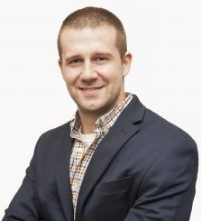
Boone Prentice, BS, PhD (Presenter)
University of Florida

Presenter Bio: Boone Prentice is an Associate Professor and holds the Scott Family Professorship in the Department of Chemistry at the University of Florida. He received his B.S. in Chemistry from Longwood University (Farmville, VA), and completed his Ph.D. in Chemistry at Purdue University (West Lafayette, IN) under the mentorship of Prof. Scott McLuckey studying gas-phase ion/ion reactions and ion trap instrumentation. He then completed his postdoctoral work in the Department of Biochemistry at Vanderbilt University (Nashville, TN) as an NIH NRSA fellow under the guidance of Prof. Richard Caprioli before joining the faculty at UF in 2018. He was awarded an NIH Focused Technology Research and Development R01 grant in 2020, a JDRF Innovation Award in 2023, an NSF CAREER award in 2024, and an Alfred P. Sloan Research Fellowship in Chemistry in 2025 to support his research developing gas-phase reactions and imaging mass spectrometry technologies to study the molecular pathology of diabetes, infectious disease, neurodegeneration, and neuropharmacology. He was also awarded the 2022 Young Investigator Award from Eli Lilly and Company, which is an unsolicited award given annually by Eli Lilly’s Analytical Chemistry Academic Contacts Committee to recognize a “rising star” in analytical chemistry. He was highlighted as a 2023 Emerging Investigator by the Journal of the American Society for Mass Spectrometry, a 2023 Young Investigator in (Bio-)Analytical Chemistry by Analytical and Bioanalytical Chemistry, a 2024 Early Career special selection by the Journal of Mass Spectrometry, and a 2024 Young Scientist Feature by the International Journal of Mass Spectrometry. Boone was also the recipient of the 2023-2024 CLAS Faculty Advising/Mentor Award and the 2024-2025 UF Doctoral Dissertation Advisor/Mentoring Award, and was promoted to Associate Professor with tenure in 2025.

Relevant Financial Disclosures (within past 24 months, reported on Apr 23, 2026)
No relevant financial relationship(s) to disclose.

Abstract

INTRODUCTION: Imaging mass spectrometry is a powerful technology that enables the visualization of biochemical processes directly in tissues by combining the molecular specificity of mass spectrometry with the spatial fidelity of microscopic imaging. This label-free technology has proven exceptionally useful in areas of study such as cancer diagnosis, diabetes, and infectious disease. However, these types of modern imaging mass spectrometry studies are already stressing the limits of current analytical technologies and improvements are crucial in order to answer increasingly complicated biological and clinical questions. Research in our lab develops analytical instrumentation and methodologies in order to enable novel insights into disease mechanisms. For example, Clostriodioles difficile is an emerging human nosocomial pathogen and poses an urgent public health threat worldwide. During colonization in the gastrointestinal tract, C. difficile interacts with a widely diverse polymicrobial environment, including commensally found Enterococcus faecalis, which has been demonstrated to alter C. difficile growth morphology and virulence. However, little is known about the molecular mechanisms underlying these interactions.

OBJECTIVES: In order to study the role of metabolic cross-communication during C. difficile infection in the presence of E. faecalis, we have performed spatial mapping of metabolites using matrix-assisted laser/desorption/ionization (MALDI) imaging mass spectrometry in bacterial colonies and mouse models of infection.

METHODS: Specifically, we have leveraged continuous accumulation of selected ions (CASI) technology during MALDI imaging to enable the study of arginine metabolism as an important metabolic modulator in host immune responses. All experiments were performed on a Fourier transform ion cyclotron resonance (FTICR) mass spectrometer (7T solariX, Bruker Daltonics).

RESULTS: Our studies indicate that E. faecalis uptakes arginine through the cell’s ArcD antiporter and concomitantly exports high levels of ornithine during arginine metabolism, which we hypothesize can be used by C. difficile as an energy resource to promote growth and virulence. Our animal studies involve mice harboring commensal E. faecalis that were infected with C. difficile following cefoperazone treatment, reveal significantly increased ornithine and significantly decreased arginine in co-infected ceca tissues. Subsequent imaging experiments have been conducted in germ-free mice, including C. difficile mono-infected and C. difficile + E. faecalis co-infected mouse models. These studies again reveal increased ornithine and decreased arginine. Finally, imaging of bacterial co-cultures and mouse ceca tissues have been performed using an E. faecalis ArcD knock out, which no longer possess the ability to import arginine or export ornithine. Arginine and ornithine distributions and abundances observed using the C. difficile + E. faecalis with the ArcD knock out again resemble the C. difficile mono-infected model (i.e., increased ornithine and decreased arginine levels).

CONCLUSIONS: These models demonstrate a dynamic relationship between arginine and ornithine production and C. difficile pathogenesis. Future work will involve extending these studies to human clinical samples.
