 Data Automation: From Crawling to Running Data Automation: From Crawling to Running
Dustin Bunch (1), Daniel Holmes (2), Patrick Mathias (3)
(1) Nationwide Children's Hospital, (2) St Paul's Hospital, (3) University of Washington
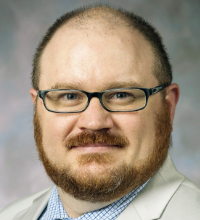 | Dustin Bunch, PhD, DABCC (Presenter)
Nationwide Children's Hospital | Presenter Bio: Dustin R. Bunch, is an Asst. Director of Clinical Chemistry & Co-Director Laboratory Informatics at Nationwide Children's Hospital. His research focuses small molecule analysis by mass spectrometry in a clinical setting and clinical informatics.
No relevant financial relationship(s) to disclose.
|
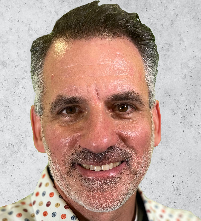 | Daniel Holmes, MD, FRCPC (Presenter)
St. Paul’s Hospital | Presenter Bio: Daniel Holmes did his undergraduate training in Chemistry and Physics at the University of Toronto before deciding to pursue medicine as a career. He attended medical school at the University of British Columbia where pathology became his area of major interest. The strong influence of his academic mentors led him to enter the Medical Biochemistry residency training program at UBC. This allowed him to use his background knowledge of chemistry in application to medicine. Areas of clinical interest are diagnostic lipidology/endocrinology and research interests are in the utilization of mathematics and computer diagnostics to laboratory medicine.
 | Patrick Mathias, MD, PhD (Presenter)
University of Washington | Presenter Bio: Patrick Mathias, M.D., Ph.D., is a board-certified clinical pathologist and Associate Director of Informatics for UW Laboratory Medicine.
Lab medicine has large impact on the general practice of medicine. It is key to correctly diagnosing diseases and selecting the right treatments for patients. Dr. Mathias's goal is to combine technical and medical knowledge to fulfill the triple aim--reduce the per capita cost of health care, improve the health of populations and most importantly improve the patient experience of care.
Dr. Mathias earned his M.D. and Ph.D. from the University of Illinois. His clinical and research interests include clinical informatics, clinical chemistry and molecular diagnostics.
|
 = Discovery stage. (24.37%, 2023)
 = Translation stage. (39.50%, 2023)
