 Analytical and Informatic Tools to Explore the Glycoproteome Analytical and Informatic Tools to Explore the Glycoproteome
Haley M. Schramm (1), Tim S. Veth (1), Kathryn Kothlow (1), Joshua D. Hinkle (2), Jingjing Huang (2), David Bergen (2), Rafael D. Melani (2), Graeme C. McAlister (2), Christopher Mullen (2), and Nicholas M. Riley (1)
(1) Department of Chemistry, University of Washington, Seattle, WA, USA
(2) Thermo Fisher Scientific, San Jose, CA, USA
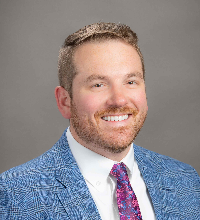 | Nicholas Riley, PhD (Presenter)
University of Washington | Presenter Bio: I am an assistant professor in the Department of Chemistry at the University of Washington. I am originally from Louisville, KY and I earned my B.S. from the University of South Carolina. I did my graduate studies at UW-Madison in Josh Coon's group, where I worked on mass spectrometry instrumentation, electron transfer dissociation technologies, and proteomics methodology. I then moved to Stanford University for my postdoc in Carolyn Bertozzi's group, where I worked on glycoproteomics and chemical glycobiology. I started my independent group at UW in fall 2023, and we focus on building technologies for investigating glycoproteome regulation. One of our big goals is to understand the molecular details of how altered cell surface phenotypes manifest in cancer progression and drive metastasis.
No relevant financial relationship(s) to disclose.
|
|
 = Translation stage. (23.16%, 2026)
 = Clinically available. (17.89%, 2026)
