MSACL 2026 Abstract
Self-Classified Topic Area(s): Small Molecule > Tox / TDM / Endocrine > Precision Medicine
|
|
 Rapid Multiplex HILIC LC-MS/MS Assay for Simultaneous Quantification of Anti-Tuberculosis Drugs and Metabolites to Support Therapeutic Drug Monitoring Rapid Multiplex HILIC LC-MS/MS Assay for Simultaneous Quantification of Anti-Tuberculosis Drugs and Metabolites to Support Therapeutic Drug Monitoring
Hannah Lusk, Emily Kelly, Jeff Whitman, Kara Lynch
University of California, San Francisco, CA
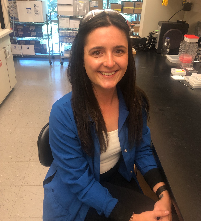 | Hannah Lusk, PhD (Presenter) 
University of California San Francisco | Presenter Bio: I earned my B.Sc. and M.Sc. degrees in Biochemistry from Kansas State University in 2019, where I conducted research in Dr. Ruth Welti’s lab on genes involved in lipid metabolism in Arabidopsis thaliana. In 2024, I completed my Ph.D. in Chemistry at the University of California, Santa Cruz under Dr. Laura Sanchez, where my dissertation focused on chemical communication in mammalian systems using MS-based metabolomics. I am currently a Clinical Chemistry Fellow at the University of California, San Francisco, working with Drs. Alan Wu and Kara Lynch to develop and validate mass spectrometry–based assays for toxicology and therapeutic drug monitoring, with a focus on anti-tuberculosis drug monitoring and emerging drugs of abuse.
No relevant financial relationship(s) to disclose.
|
|
|
|
|
|
Abstract INTRODUCTION:
Therapeutic drug monitoring (TDM) of anti-tuberculosis (TB) therapy is critical due to narrow therapeutic windows, treatment-associated toxicity, and significant interpatient variability in drug exposure. However, current TB-TDM practices in the United States are limited to a small number of reference laboratories, resulting in prolonged turnaround times and delayed clinical decision-making. In addition, existing assays measure parent drug concentrations and do not routinely include metabolites or degradation products, limiting assessment of drug metabolism and sample integrity. This contributes to discordance between measured concentrations and clinical outcomes. These limitations represent a significant barrier to effective TB-TDM and highlight the need for improved analytical approaches.
OBJECTIVES:
The objective of this study is to develop and evaluate a multiplex LC-MS/MS assay for simultaneous quantification of anti-tuberculosis drugs, metabolites, and degradation products in serum to support TDM. By enabling more comprehensive measurement of drug exposure, we aim to improve interpretation of drug concentrations and support personalized treatment strategies.
METHODS: A multiplex hydrophilic interaction liquid chromatography-tandem mass spectrometry (HILIC LC-MS/MS) assay was developed for simultaneous quantification of first-line TB drugs (rifampin, isoniazid, pyrazinamide, ethambutol), key metabolites (25-desacetyl-rifampin, N-acetyl-isoniazid), and select second-line agents. Serum samples underwent protein precipitation and dilution prior to analysis on a triple quadrupole mass spectrometer operating in multiple reaction monitoring mode. Chromatographic separation was achieved using a BEH amide column with a 5-minute runtime. Method validation will be performed following CLSI and FDA bioanalytical guidelines.
RESULTS:
The assay achieved rapid chromatographic separation of all analytes despite wide differences in polarity. Calibration curves demonstrated strong linearity (R² > 0.99) across clinically relevant concentration ranges. During preliminary validation accuracy ranged from −0.9% to 10%, and imprecision ranged from 1–8% for most analytes. Limits of quantification and analytical measurement ranges encompassed expected therapeutic concentrations. Matrix effects (78–134%) and extraction recovery (73–111%) were acceptable for multiplex analysis. These findings support the feasibility of simultaneous quantification of TB drugs and metabolites in a single assay.
CONCLUSIONS:
We developed a rapid, multiplex HILIC LC-MS/MS assay for simultaneous quantification of anti-TB drugs and metabolites in serum. Preliminary data demonstrate feasibility for clinical TDM applications. Ongoing optimization and full validation will further refine assay performance and support implementation in a clinical laboratory setting. This approach has the potential to improve turnaround time, enhance interpretation of drug exposure, and support individualized TB therapy. |
|
| |
 = Translation stage. (23.38%, 2026)
 = Clinically available. (19.40%, 2026)