Get the Basics : Glycomics @ Room 5 An overview of the fundamentals that are driving research and development.
1015
1100
Get the Basics : Data Science @ Room 5 An overview of the fundamentals that are driving research and development.
1115
1200
Get the Basics : Lipidomics @ Room 5 An overview of the fundamentals that are driving research and development.
1230
1345
Lunch Corporate Workshop(s)
Indigo BioAutomation @ Rm1
Automatability, Analytics, and AI – Enabling Machine Learning in the Real World
Russell Grant, PhD: VP Research and Development - LabCorp Randall Julian, PhD: President, CEO and Founder - Indigo BioAutomation
Data science offers a wealth of techniques, approaches and philosophies which can dramatically improve the scientific and business performance of the laboratory. Getting started in a meaningful way, however, can be a challenge, given exactly that wealth. We invite you to join a discussion, in three parts, which describes a practical roadmap for getting from “right now” to “radically new”.
Great data science begins with great data. Critical factors in the design and development of an assay affords a dramatic difference in its inherent automatability. Find out how to build quality into the assay and optimize its assessment, for the best technical performance.
When is a picture actually worth a thousand words? Great assays lead to high quality and well curated data, a critical need in data science. Visualization tools such as Tableau can reveal immediate insights.
And when is a picture not enough? Effective machine learning takes place when it complements, not duplicates, the human perspective. Learn about completely orthogonal, machine learning approaches to data processing and review.
Thermo Fisher Scientific @ Rm2
LC-MS Tools for Clinical Toxicology Research
William Clarke, PhD, MBA, DABCC
Johns Hopkins University
For clinical toxicology research, there is increasing interest in the use of dried matrices (such as blood or urine) for testing. Advantages include biologic microsamples can be easily transported, and for analytes stable desiccated at room temperature, there is an additional benefit of easier, less expensive storage. However, there are some challenges in processing dried sample spots due to the labor-intensive nature of punching and extracting sample from collection cards. We will discuss automated approaches for dried sample analysis that can mitigate these challenges. Another challenge in clinical toxicology research is that the landscape of drug abuse is constantly changing, with new substances introduced regularly. While targeted LC-MS/MS is a useful tool, it will only detect things that we know to look for. Untargeted toxicology screening using high-resolution mass spectrometry is an important, complementary tool to targeted LC-MS/MS to understand what substances are present in drug-using communities, and also to investigate test results that are not consistent with the presentation or observation of the research subject. We will discuss ways to use untargeted toxicology screening to supplement routine targeted LC-MS/MS testing.
Shimadzu @ Rm5
LC-MS/MS-based Targeted Metabolomics as a Key Tool for the Mechanistic Understanding of Metabolic Disease
Ruth Gordillo, Ph.D. Assistant Professor at Touchstone Diabetes Center, UTSW Medical Center Director Metabolic Phenotyping Core.
Research in the Touchstone Diabetes Center focuses on both basic and clinical aspects of Type 1 and Type 2 diabetes, and questions related to the impact of diabetes and obesity on cardiovascular disease outcome, renal disease, and cancer progression. LC-tandem mass spectrometry targeted metabolomics is a fundamental tool in all of the areas of our research. Our analytical portfolio includes the exploration of sphingolipids and phospholipids, water soluble cellular metabolites, diastereomeric separations of carbohydrates, nucleotide sugars and glycosphingolipids, and therapeutic antibodies.
Published results have revealed the existence of a relationship between levels of sphingolipid species and preclinical models of disease. Similar correlations have been found in the analysis of clinical samples.
Our laboratory has also recently reported the implication of nucleoside metabolites in energy homeostasis.
This talk will include the utilization of both, liquid chromatography and supercritical fluid chromatography with ultra-fast mass spectrometry to explore in depth the metabolic phenotype of our transgenic mouse models of disease and the broader implications to human health.
Tuesday 1400
1415
Welcome Orientation @ Rooms 3-4
777
1415
Opening Plenary Lecture
@ Rooms 3-4
1415
1500
Analysis of Exosomes from Patient Serum Samples : Proteomic, Metabolomic and Lipidomic Analyses David Lubman University of Michigan Medical Center
David M. Lubman is currently the Maude T. Lane Professor of Surgical Immunology and Professor of Surgery at the University of Michigan Medical Center and also Professor of Chemistry. He received his A.B. from Cornell University in 1975 and his Ph.D. in physical chemistry from Stanford University in 1979 under the direction of Professor Richard N. Zare. His present research interests involve developing new proteomic methods for searching for protein markers of cancer. These include 2-D liquid mapping and mass spectrometry of tumor cells and serum and also the development of protein microarray technology. Most recent studies involve the study of cancer stem cells, early detection of cancer, circulating tumor cells and exosomes, and changes in glycosylation during stages of cancer progression. Various collaborations with clinical researchers include studies in ovarian, pancreatic, colon, HCC, GBM and breast cancer. The Lubman laboratory has produced 57 Ph.D theses and 15 MScs and also has had over 30 postdoctorals, medical fellows and visiting scholars from around the world through the lab. We have been funded over the past 35 years by various federal agencies including NIH, NCI, NSF, NASA and DOD. Dr. Lubman has served on the editorial boards of 20 journals and recently was a standing member of the EBIT study section. He is a fellow of the American Association for the Advancement of Science, a member of the Association for the Advancement of Cancer Research, the American Chemical Society and the American Society for Mass Spectrometry.
We have isolated exosomes from the serum of ten patients with locally advanced pancreatic cancer at serial time points over a course of therapy. We have explored several different methods to purify exosomes in patient serum where it is essential to remove serum proteins including albumin for proteomics studies. Exosomes were identified by using quantitative mass spectrometry. We compared the exosomal proteome of patients at different time points during treatment to healthy controls and identified 8 proteins that show global treatment-specific changes. More recently we have studied changes in the serum exosome metabolome during therapeutic treatment where specific metabolites and lipids may be markers of treatment. The differential content of exosomes during a course of therapy suggests that exosomes may provide novel insights into the development of treatment resistance and metastasis.
Tuesday 1500
1515
Intermission @ Ballroom Foyer
1131
1515
1615
State of the Science Address @ Rooms 3-4
Presented by MSACL US Scientific Committee Topic Leads, this address will provide an overview of the applications and technologies currently being used in Clinical Labs, and a clear view of the development pipeline. It will highlight applications expected to be available in the near-future, as well as emerging applications, and key contributors. Relevant talks, posters, and people present at the congress will be identified, enabling you to optimize your learning path and more effectively target potential network connections. Whether you are new to Clinical Mass Spectrometry, or a seasoned veteran, the State of the Science address should be on your agenda.
Tuesday 1615
1630
Intermission @ Ballroom Foyer
781
Tuesday 1630
1700
Poster Lightning Talks @ Rooms 3-4
90 seconds, one slide. Up to 15 poster presentations highlighted.
782
Tuesday 1700
1730
Vendor Lightning Talks @ Rooms 3-4
90 seconds, one slide. Up to 20 vendors highlighted.
783
Tuesday 1730
2000
Exhibits Dinner Reception @ Exhibit Hall in Oasis 3-4
784
Tuesday 1815
1900
Meet-a-Mentor: Booth Tours @ Exhibit Hall in Oasis 3-4
Join a mentor as they tour the booths and learn more about technologies available, what mentors are looking for during the exchange, and how they interact with the booth vendors. Increase your network and your knowledge of products and services available.
785
1900
2000
Troubleshooting Forum: Poster Rounds @ Exhibit Hall in Oasis 3-4 Join the troubleshooting poster discussion to learn something new or add your two cents.
Comparison of Biotage Dual Mode Extraction (ISOLUTE® HYDRO DME+) with Solid Phase Extraction (SPE) for Sample Prep in Clinical Urine Drug Testing Assays
Ben Beppler, Sr. Development and Technology Scientist
TriCore Reference Laboratories
Albuquerque, NM
While utilization of solid phase extraction (SPE) chemistries routinely provides superior cleanup over dilute and shoot techniques for clinical urine drug testing assays, hurdles exist for many labs that impede SPE implementation, including cost, complexity, and the time required to perform extractions. When assays have a large panel of drugs with multiple drug classes, compromises in wash and elution solvents to recover all of the analytes of interest can negatively impact cleanliness of traditional SPE protocols.
In this seminar, we compare the performance of a patent pending, brand new sample prep technique, Dual Mode Extraction (ISOLUTE® HYDRO DME+), against clinically validated SPE assays for opioids, benzodiazepines, and metabolites, including evaluation of in-well enzymatic hydrolysis. We have found that the Dual Mode Extraction plates provide a simple, yet robust alternative when SPE is cost-prohibitive.
At previous MSACL meetings, Indigo has described how the utilization of self-aware peak processing algorithms, a comprehensive quality architecture, and a streamlined, exception-based data/result review process have proven to be a successful strategy for improving both quality and throughput of LCMS analysis. More recently, we have described how the positive impacts of these batch-oriented optimizations can be significantly magnified by an additional layer of analytics, visualization, and machine learning, all of which provide comprehensive information across instruments, assays, and batches. Now, all of that has been brought together.
While we’ve been helping labs realize how ASCENT can elevate their business performance and technical efficiency, we’ve also been learning a great deal. All of those experiences have been combined with our latest innovations, to create a platform which does even more for the laboratory. Please join us for a discussion on what we’ve learned in working side-by-side with laboratories, what our system has been taught about the ways in which labs really operate, and what ASCENT Series 4 can do for your laboratory.
Thermo Fisher Scientific @ Rm5
The Current Challenges in Drug Quantitation from a User’s View: Can Paper Spray Mass Spectrometry Fill the Gap?
Lindsey Kirkpatrick, DO, PhD
Indiana University School of Medicine, James Whitcomb Riley Hospital for Children, Pediatric Infectious Disease Fellow
Workshop abstract:
Mass spectrometry is a powerful and sensitive analytical tool, but its application to drug quantitation at the institutional level is limited by extensive sample preparation, instrument complexity, and required technician expertise. Dr. Kirkpatrick will briefly describe the challenges clinical researchers face in obtaining drug levels at the institutional level. She will discuss the principles of paper spray mass spectrometry, which eliminates extensive sample preparation and simplifies the use of mass spectrometry-based identification and quantitation for a variety of applications. She will then describe the application of the new Thermo ScientificTM VeriSpray™ PaperSpray ion source and cartridge design that can be utilized for rapid drug detection and quantitation from dried bio-fluids.
Wednesday 745
800
Intermission @ Ballroom Foyer
789
800
845
Corporate Workshop(s)
Restek @ Rm1
Coated Blade Spray-Mass Spectrometry: A Novel Strategy for Rapid Screening and Quantitation
Presented by
Associate Professor Dr. Kara Lynch, University of California San Francisco
Dr. German Gomez-Rios, Restek Corporation
Coated Blade Spray (CBS) is a novel sampling/sample-preparation technology that can be directly interfaced to Mass Spectrometry (MS) instrumentation for rapid screening and quantitation of small molecules present in complex matrices. First, Professor Kara Lynch presents a comparative study between a Point of Care-CUP test and CBS-MS/MS for drug screening in urine samples of chronic pain patients. Unlike the POC-CUP test, where determination of each class of drugs requires a separate assay, the CBS-MS method is able to provide data for all selected drugs and metabolites in a single analytical run. Then, Dr. Gomez-Rios introduces a collaborative effort between the University of Waterloo and the University of Toronto towards the quantitation of four immunosuppressive drugs (i.e. cyclosporine A, tacrolimus, everolimus, sirolimus) via CBS-MS/MS in blood samples of Canadian patients. A comparative study between CBS-MS/MS and the automated immunoassay showed good agreement between both methods with observed differences consistent with those formerly reported in literature.
Title: Use of MS Workflows to Support HIV Clinical Trials: A Focus on Prevention
Presenter:
Mark Marzinke, PhD, DABCC
Associate Professor, Pathology and Medicine, Johns Hopkins University School of Medicine
Abstract:
Antiretroviral drugs have long been used for treatment and management of HIV. Currently, a fixed dose, once-daily, oral formulation of two nucleoside reverse transcriptase inhibitors (tenofovir (TFV) disoproxil fumarate and emtricitabine) is US FDA-approved to prevent HIV acquisition in high-risk populations. The pharmacology of these compounds has been evaluated using liquid-chromatographic-mass spectrometric (LC-MS) approaches. This presentation will focus on workflows associated with the validation and implementation of bioanalytical assays to understand TFV pharmacology in assessing drug adherence, as well as in the interrogation of antiretroviral drugs as alternative drug delivery systems for HIV prevention.
Sample preparation continues to be a critical factor in the quantitative measurement of urine, oral fluid and blood samples. The goal of this seminar is to discuss how to streamline the sample preparation process utilizing the Thomson eXtreme Filter VialsTM to reduce interferences from the sample matrix and increase analyte recovery. The Thomson eXtreme Filter VialsTM allows for the analysis of multiple drug classes will employing a simple dilute, filter and shoot approach; while saving time, reducing solvent usage, and alleviates the need for expensive consumables and lab equipment.
Redefining High-throughput: Bringing RapidFire® to the High Resolution “Masses”
Speaker: Frederick Strathmann, Ph.D.
NMS Labs
Analytical inefficiencies have unknowingly become commonplace in the mass spectrometry laboratory. Large panels have been used in an attempt to satisfy the need for an efficient workflow with little attention on the resultant negative impact to the utilization of the analytical system as a whole. Multiplexing strategies can help to overcome this analytical bottleneck but fall short for complex chromatograms as is the case for large screening needs. In collaboration with Agilent Technologies, NMS Labs has successfully paired a RapidFire® system with a 6545 Q-TOF to demonstrate a novel workflow capable of screening over 250 compounds in less than 30 seconds per sample. As a direct comparison to existing testing, a 10 minute injection-to-injection method was reduced to less than 25 seconds injection-to-injection for a 20-fold improvement in throughput. This talk will provide an overview of the RapidFire® technology, pros and cons of the various 6545 Q-TOF acquisition methods with a rapid injection technology, and a discussion of potential applications of this exciting technology.
For Research Use Only. Not for use in diagnostic procedures.
MilliporeSigma @ Rm5
Enhancing Accuracy: Matrix Screening, Internal Standard Selection and Sample Clean-Up Solutions for Clinical Mass Spectrometry
Speakers:
Geoffrey Rule, PhD – MilliporeSigma, Principal Scientist, R&D
Ravi Orugunty, PhD - MilliporeSigma, Principal Scientist, R&D
Why isn’t my calibration curve perfectly linear? How does my choice of matrix calibrator impact my assays? There are several reasons a calibration curve may be non-linear, and the use of a co-eluting, isotopically labelled internal standards is the first step in obtaining a linear regression across a broad concentration range. We’ll discuss how to select isotopically labelled internal standards for accurate quantification, and how to remedy non-linear calibration curves. We will also review matrix calibrators for bioanalytical methods, and how our Cerilliant Certified Reference Materials in matrix can help reduce variability. Lastly, we’ll touch on sample preparation options for clinical testing methods, including the use of our HybridSPE phospholipid and protein removal plates for automated high-throughput determination of a 25-hydroxy vitamin D in serum.
Wednesday 845
900
Intermission @ Ballroom Foyer
790
Scientific Session 1
Track 1 Pueblo
MALDI Imaging Chair: Richard Drake
Track 2 Room 1
Practical Training : Results of a Survey on Diagnostic Laboratory Metadata QA Practice Chair: Joshua Hayden
Track 3 Room 2
Breath in Breath out: Analysis of non-Invasive Matrices Chair: Loralie Langman
Track 4 Room 3
New Technologies and Approaches in Metabolomics Chair: Erin Baker
Track 5 Room 4
Proteomics: Discovery/Translation Chair: Christopher Shuford
Clinical MS in Europe Open Forum @ Exhibit Hall in Oasis 3-4
Meet at Booth #42-44
Meet the MSACL EU Scientific Committee Chair, Elizabeth Want, and otherswith a European perspective of clinical mass spectrometry. Enjoy a toast to kick off the MSACL 2019 EU planning season!
1128
Scientific Session 3
Track 1 Pueblo
Keynote : Glycans in Tissue Imaging Chair: Steve Castellino
Track 2 Room 1
Practical Training : Resolving Non-Specific Binding in qLC-MSMS Chair: Jack Henion
Track 3 Room 2
Current MS advances for pain management: moving beyond the urine drug screen Chair: Sara Love
Track 4 Room 3
Multiomics Chair: Tim Garrett
Track 5 Room 4
MALDI and Intact Protein Analysis Chair: Michael MacCoss
Track 6 Room 5
MS to Characterize Hosts and Pathogens Chair: Rebecca Harris
Meet-a-Mentor: Office Hours @ Exhibit Hall in Oasis 3-4
Have a question from the congress that you have been itching to ask? Or a problem from work that you want to get feedback on? Or feedback on the congress? Sign up at the registration desk for 15-min blocks to share time and ideas with a mentor in a relaxed setting.
811
1615
1715
Troubleshooting Forum: Poster Rounds @ Exhibit Hall in Oasis 3-4 Join the troubleshooting poster discussion to learn something new or add your two cents.
Immunotherapy of Cancer and the Role of Mass Spectrometry; An Overview and New Results Donald Hunt University of Virginia
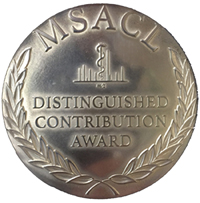
Professor Donald F. Hunt joined the faculty at the University of Virginia as an assistant professor in September, 1968 and currently holds the rank of University Professor with appointments in both Chemistry and Pathology. He is the recipient of numerous awards including: Virginia?s Outstanding Scientist, the Pehr Edman Award, the Distinguished Contribution Award from the American Society for Mass Spectrometry, the Christian B. Anfinsen Award from the Protein Society, the Chemical Instrumentation Award and the Frank F. Field and Joe L. Franklin Award from the American Chemical Society, the Thomson Medal from the International Mass Spectrometry Society, Distinguished Accomplishment Awards from the Human Proteome Organization (HUPO) and ABRF, the Distinguished Scientist Award at the University of Virginia, and the School of Medicine Dean
This lecture will describe how the immune system works to keep us free of cancer most of the time and how cancer cells can eventually learn to escape the immune system. Also described will be a number of scientific breakthroughs that have occurred in the last 6 years that clearly suggest that the immune system can be re-educated and upregulated to cure even late stage cancer. Science magazine labeled cancer immunotherapy as the breakthrough event of the year in 2013 and tremendous progress has been made since then. James Allison won the 2015 Lasker Award and shared the 2018 Nobel Prize in Medicine with Tasuku Honjo for their work to reactivate the immune system to fight cancer. This lecture will try capture some this excitement and also pinpoint some of the contributions that the Hunt group has made to the field over the past 25 yrs.
Wednesday 1830
2030
Hospitality Lounge @ Rocks Patio
814
Wednesday 1830
2200
FREE EVENING / OFF-SITE MEETINGS / DINNER ON OWN @ YourChoice
Haven't decided on a dinner location yet? Head to the Hospitality Lounge at Rocks Patio to meet up with old friends or make new ones over drinks and light appetizers before heading to dinner in Palm Springs.
816
Thursday
Thursday 745
815
Breakfast @ Ballroom Foyer
Have breakfast at a workshop.
759
800
845
Corporate Workshop(s)
Waters @ Rm1
Legal medicinal and recreational marijuana use is on the rise in the United States and around the world. This is accompanied by growing concerns of the effect of marijuana on driving performance and the need to develop methods that can detect THC and its metabolites following recent use. In this workshop, Dr. Jacqueline Hubbard from UC San Diego will discuss the development and validation of liquid chromatography tandem mass spectrometry (LC-MS/MS) assays to detect up to ten cannabinoid metabolites in whole blood, oral fluid, and exhaled breath.
Guest Speaker- Jacqueline Hubbard, UCSD
We are not pre-registering for the workshop, but seats are limited. Arrive early to secure your seat.
Ceres Nanosciences @ Rm2
Development and Implementation of a Nanotrap® Particle Enrichment Method for Deeper Mass Spectrometry-Based Clinical Proteomics
Kirk C Hansen, Ph.D., Director of the University of Colorado School of Medicine Biological Mass Spectrometry Facility
Sample preparation methods for conventional proteomic biomarker discovery and targeted MRM assays are often labor- and time-intensive and are challenged by the low abundance of the analytes of interest. Ceres’ Nanotrap® particle technology offers a straightforward and effective approach to sample preparation and biomarker discovery. Unlike other sample preparation methods, Nanotrap® particles utilize affinity capture to bind and enrich low abundance proteins, while excluding unwanted high abundance proteins, resulting in significantly improved proteome coverage.
This workshop will provide an overview of the Nanotrap® particle technology, including methods and applications. A case study also will be presented, wherein the Nanotrap® particle technology coupled with mass spectrometry was used to confirm an age-related macular degeneration biomarker identified using the SOMAscan® platform. The increased plasma protein coverage enabled by the Nanotrap® particle / mass spectrometry-based approach identified over 100 additional proteins that exhibited more significant changes between disease state and the controls then the previously identified biomarker.
PerkinElmer @ Rm3
PerkinElmer’s Comprehensive Portfolio for Automated Sample Preparation and Mass Spectrometry Analysis
Please join us to discuss workflows and applications for GC/MS, ICP/MS, and LC/MS/MS. Examples will include automated liquid handling for sample preparation, sensitive and robust detection, and advanced data analysis across PerkinElmer’s portfolio of mass spectrometry equipment.
Moderated by Aaron Risinger, MBA
Sr. Mass Spectrometry Sales Specialist
PerkinElmer Diagnostics
MSACL @ Rm4
The Status of Clinical Mass Spectrometry in China
Chair: Michael Chen
1. Development and Prospect of Mass Spectrometry in Clinical Laboratory of China
Chengbin Wang (Chinese PLA General Hospital)
2. Development of Clinical MS in the University Setting : LC-MS/MS-based Clinical Hormone Detection
Wei Guo (Fudan University)
3. Role of Independent Clinical Laboratories in Promoting Clinical Mass Spectrometry in China
Zhouyang Kang (Hangzhou Calibra Diagnostics)
4. Advancing Mass Spectrometry-based Technologies for Clinical Applications
Keqi (Jacky) Tang (Ningbo University)
Thermo Fisher Scientific @ Rm5
Title: Ease-of-Use without compromise in clinical LC-MS/MS
Speakers: Peter Cooke, Regional Marketing Manager, Thermo Fisher Scientific
Marta Kozak, Lead Scientist, R&D, Thermo Fisher Scientific
Overview of the workshop:
Get first-hand reports on the quality and reliability of the Cascadion™ 25-Hydroxy Vitamin D assay* results from Europe and the easy-to-use features of the fully automated Cascadion™ SM Clinical Analyzer.* Hear from an industry expert, a clinical LC-MS/MS subject matter specialist trained on the Cascadion system, and operators from European clinical beta trial sites.
Learning objectives:
− Discover how LC-MS/MS technology can be easy to implement in clinical labs today
− Appreciate the quality of the data from the Cascadion SM Clinical Analyzer, through an overview of the European Cascadion SM 25-Hydroxy Vitamin D Assay beta trials
− Learn how the features of the Cascadion analyzer translate to performance as seen through clinical laboratory experiences in Europe
*Product is not 510(k) cleared and is not yet available for sale in the U.S.
Thursday 845
900
Intermission @ Ballroom Foyer
819
Thursday 900
1000
Exhibitor Feedback Meeting @ Mesquite H
818
Scientific Session 5
Track 1 Pueblo
MS Imaging in Clinical Applications Chair: Jeff Spraggins
Track 2 Room 1
Practical Training : How Programming Will Save You Time Chair: Shannon Ellis
Track 3 Room 2
Small Molecule Hot Topics: It's Not Monkey Business Chair: Joshua Hayden
Track 4 Room 3
Lipidomics in Disease Diagnostics Chair: Anne Bendt
Track 5 Room 4
Using Software to Improve LC-MSMS Assay Output Chair: Irene Van den Broek
Track 6 Room 5
MS and Microbes: It’s More Than MALDI Chair: Chris Cox
Exhibits & Poster Session @ Exhibit Hall in Oasis 3-4
Positions D to be attended from 14:15-15:15. Poster Finalists to attend their posters for final interviews.
843
Thursday 1430
1530
CMS Journal Open Forum @ Exhibit Hall in Oasis 3-4
Meet at Booth #42-44
A toast to the Clinical Mass Spectrometry journal reaching 50 publications and filing for PubMED listing and Impact Factor.
1093
Thursday 1515
1530
Remove Posters @ Exhibit Hall in Oasis 3-4
You can store your poster between Smoketree F and Rm6 until 20:00.
848
Thursday 1515
1630
Plenary Reception @ Ballroom Foyer
850
Thursday 1530
Exhibits Closed @ Exhibit Hall in Oasis 3-4
849
1530
Plenary Lecture
@ Rooms 3-4
1530
1615
Tools and Infrastructure to Enable Crowdsourcing the Molecular Analysis of Microbiome as Applied to Precision Care Pieter Dorrestein University of California, San Diego
Our work aims to develop new mass spectrometry based methods to understand the chemistry of microbes, our microbiome and their ecological niche. In short, we develop tools that translate the chemical language between cells. This research requires the understanding of (microbial) genomics, proteomics, imaging mass spectrometry, genome mining, enzymology, small molecules structure elucidation, bioactivity screening, antibiotic resistance and an understanding of small molecule structure elucidation methods. The collaborative mass spectrometry innovation center that he directs is well equipped and now has twelve mass spectrometers, that are used in the studies to investigate capture cellular chatter (e.g. metabolic exchange), metabolomics, metabolism and to develop methods to characterize natural products. These tools are used to defining the spatial distribution of natural products in 2D, 3D and in some cases real-time. Areas of recent research directions are capturing mass spectrometry knowledge to understand the microbiome, non invasive drug metabolism monitoring, informatics of metabolomics, microbe-microbe, microbe-immune cells, microbe-host, stem cell-cancer cell interactions and diseased vs. non-disease model organisms and the development of strategies for mass spectrometry based genome mining and to detect and structurally characterize metabolites through crowd source annotation of molecular information on the Global Natural Products Social Molecular Networking at http://gnps.ucsd.edu through the NIH supported center for computational mass spectrometry that is co-developed with Nuno Bandeira.
The general community is encouraged to visit the same primary care physician. This is because they
Thursday 1615
1630
Intermission @ Ballroom Foyer
820
1630
1800
FDA Viewpoint @ Rooms 3-4 FDA Overview of the Process for Clearance and Approval of Mass Spectrometry-based In vitro Diagnostic Devices with Doug Jeffery, Majda Haznadar & Kristian Roth.
Thursday 1800
1815
Poster Awards @ Rooms 3-4
Join us in congratulating the winners of the poster contest.
851
Thursday 1815
1830
Final Remarks @ Rooms 3-4
The Scientific Committee Chair and Vice Chair wrap up the week and share information about upcoming Conferences.
1069
Thursday 1830
2000
Closing Dinner @ Poolside
A final seated meal and opportunity to relax into the evening. After your meal, you may choose to wander downtown to explore Village Fest - http://villagefest.org/.
853
Thursday 1930
2100
Hospitality Lounge @ Rocks Patio
815
Thursday 2200
Conference Closed @ Ballroom Foyer
855
Friday
Friday 830
1000
SciCom Meeting @ San Jacinto
A private meeting for Scientific Committee members to shape the vision and requirements for a consistent, high-quality MSACL 2020 Scientific Program. Breakfast will be served.
1. Establish topics of particular interest to highlight in 2020, allowing SciCom members ample time to solicit and formulate programming. Of particular interest is science that appeals to multiple topic areas, and can encourage communication between disciplines.
3. Begin nominations for 2020 Keynotes/Plenaries.
4. Confirm 2020 Committee members.





 = Discovery stage. (17.55%, 2019 US)
 = Translation stage. (42.72%, 2019 US)
 = Clinically available. (39.74%, 2019 US)
 COURSE START