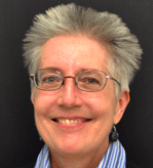
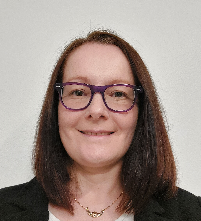
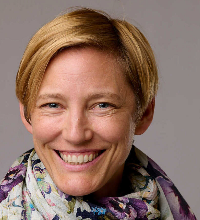
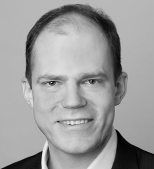
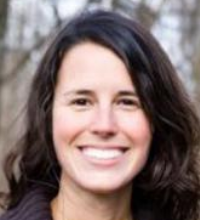
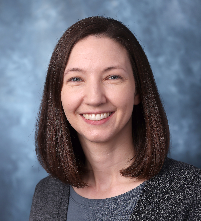
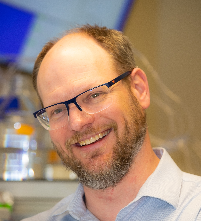
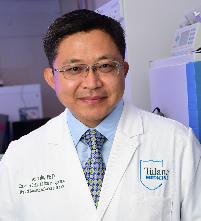
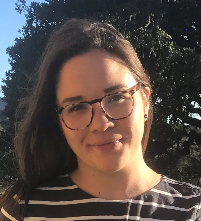
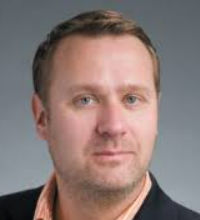
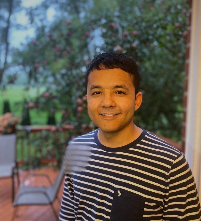
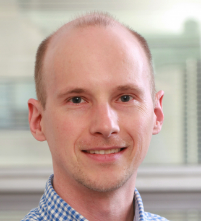
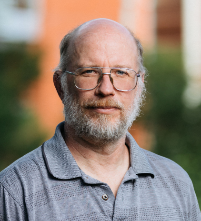
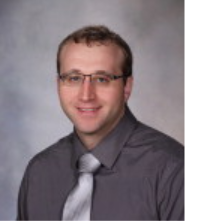
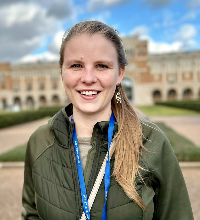
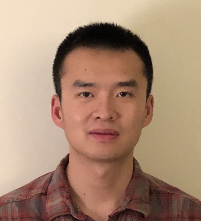
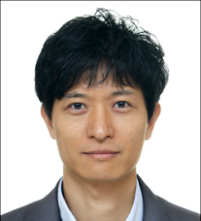
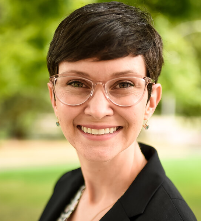
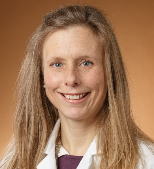
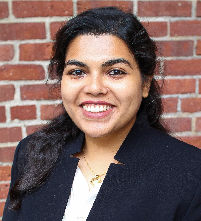
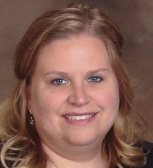
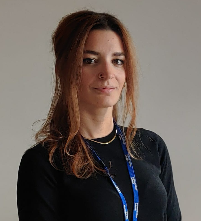
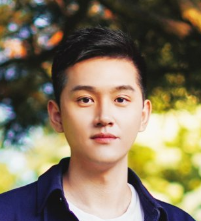
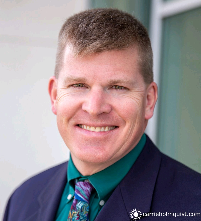
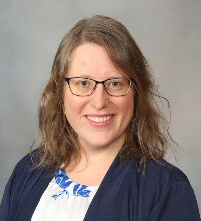
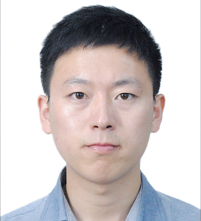
Judy Stone, MT (ASCP), PhD, DABCC has worked with LC-MS in diagnostic laboratories since 1999. Her clinical practice involved small molecule method development, instrument to instrument and instrument to LIS interfacing, LC-MS automation, monitoring quality of LC-MS methods in production and staff training for clinical LC-MSMS. She served as faculty chair for the 2009 AACC online certificate program “Using Mass Spectrometry in the Clinical Laboratory”, as a scientific committee member for the MSACL Practical Training track, and was editor-in-chief for the AACC Clinical Laboratory News quarterly feature series on Clinical LC-MS. She enjoys documenting and presenting esoteric as well as absurdly common LC-MS problems in creative ways in order to help trainees learn troubleshooting (and avoid repeating her mistakes).
Relevant Financial Disclosures
(within past 24 months, reported on Feb 15, 2024)
Not yet reported.
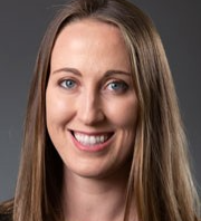
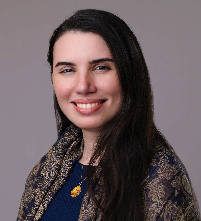
Jacqueline Hubbard, PhD, DABCC Beth Israel Deaconess Medical Center, Harvard Medical School
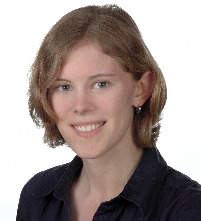
Jacqueline Hubbard received her BS degree in Biochemistry from the University of Vermont. She then earned her MS and PhD in Biochemistry and Molecular Biology from the University of California, Riverside (UCR). Following a one year postdoc at UCR, Dr. Hubbard completed a Fellowship in Clinical Chemistry at the University of California, San Diego Health. She is board certified in Clinical Chemistry by the American Board of Clinical Chemistry. After fellowship, she took a position as an Assistant Professor in the Department of Pathology and Laboratory Medicine at the Geisel School of Medicine at Dartmouth and as the Assistant Director of Clinical Chemistry at Dartmouth-Hitchcock Medical Center. There, she focused on developing and validating drugs of abuse assays and SARS-CoV-2 serology testing. Next, she briefly served as a Lab Director for a small reference laboratory in PIttsburgh, PA. She then joined Beth Israel Deaconess Medical Center as the Co-Director of Clinical Chemistry and Director of Toxicology in 2024. She is also an Assistant Professor of Pathology for Harvard Medical School. Her research focus still includes mass spectrometry method development and toxicology test interpretation.
Relevant Financial Disclosures
(within past 24 months, reported on Mar 08, 2026)
No relevant financial relationship(s) to disclose.
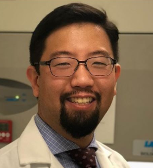
Grace van der Gugten, B.Sc. Chemistry Provincial Health Services Authority, BCCDC Toxicology Lab
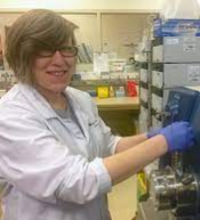
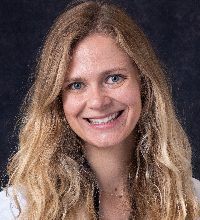
Grace discovered her love for clinical mass spectrometry when she began working at St Paul's Hospital in Vancouver in the special chemistry mass spec group with Dr. Dan Holmes in late 2010. Grace was challenged in this role but gained a wealth of knowledge and experience over her 10+ years in the SPH laboratory. She puts this experience and knowledge into use in her current role as Mass Spectrometry Lab Scientist in the Toxicology Lab at the BCCDC in Vancouver, BC. Grace loves developing streamlined, easy to use (if possible!) clinical mass spectrometry assays; teaching others and helping others succeed; and troubleshooting (especially when the problem is solved!).
Relevant Financial Disclosures
(within past 24 months, reported on Mar 05, 2026)
No relevant financial relationship(s) to disclose.
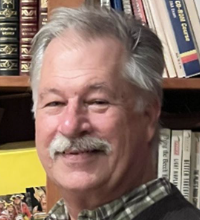
Lorin Bachmann, PhD, DABCC VCU Health System
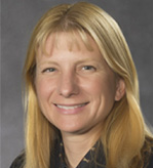
Lorin Bachmann joined the VCU Department of Pathology in 2007. She currently serves as Co-Director of Clinical Chemistry, Co-Director of Point-of-Care Testing, Director of the New Kent Emergency Department Laboratory, Technical Advisor for the Operating Room Laboratory, Pathology Outreach and Clinical Trials, and Laboratory Director for multiple VCUHS outreach laboratories. Dr. Bachmann received her PhD in Molecular Medicine from the University of Virginia, followed by a fellowship in clinical chemistry and proteomics research at the University of Virginia. Dr. Bachmann is certified by the American Board of Clinical Chemistry.
Dr. Bachmann serves as a member of the CLSI Board of Directors. She also serves as a member of the College of American Pathologists Standards Committe.
Dr. Bachmann’s research interests include evaluation and validation of new clinical laboratory assays, clinical laboratory analyzer design, development of mass spectrometry-based assays for the clinical laboratory and standardization of laboratory testing. She serves as a Member of the National Institute of Diabetes and Digestive and Kidney Diseases (NIDDK)/International Federation of Clinical Chemistry Laboratory (IFCC) Joint Lab Working Group for Standardization of Albumin in Urine, whose goal is to accomplish standardization of urine albumin methods to enable utility of clinical decision thresholds.
Dr. Bachmann has received numerous awards for her contributions to professional societies, education and research. She serves as principal investigator for multiple industry-sponsored studies.
Relevant Financial Disclosures
(within past 24 months, reported on May 03, 2025)
Other Potential Conflicts
Bio-Rad Laboratories, Inc / Honorarium / Ended
Deborah French, PhD, DABCC (CC, TC), FADLM UCSF
Deborah French Ph.D., DABCC (CC, TC), FADLM is a Director of Chemistry and the Director of Mass Spectrometry at the University of California San Francisco Health Clinical Laboratories. Her work currently focuses on the development and validation of LC-MS/MS assays for small molecules, specifically therapeutic drug monitoring, steroid hormones and toxicology. Deborah received her Ph.D. in biochemistry from the University of Strathclyde in Glasgow, Scotland and then completed a postdoctoral fellowship at St. Jude Children’s Research Hospital in Memphis, TN. She subsequently completed a ComACC Clinical Chemistry postdoctoral fellowship under the direction of Dr Alan Wu at the University of California San Francisco and is now board certified in Clinical Chemistry and Toxicological Chemistry by the American Board of Clinical Chemistry.
Relevant Financial Disclosures
(within past 24 months, reported on Feb 27, 2026)
Consultant Fees
ARK Diagnostics, Roche Diagnostics (ended)
Adina Badea, PhD, DABCC Lifespan/Rhode Island Hospital & the Warren Alpert Medical School of Brown University
Dr. Adina Badea, PhD, DABCC, earned her BA in Chemistry from Wellesley College, and her PhD in Chemistry from the University of Illinois at Urbana-Champaign. She completed her clinical chemistry and toxicology fellowship at UCSF, where she worked under the supervision of Dr. Alan Wu and Dr. Kara Lynch on developing methods and finding new solutions to current challenges in clinical toxicology testing. Currently, she is Director of Toxicology at Rhode Island Hospital and Assistant Professor of Pathology and Laboratory Medicine at The Warren Alpert Medical School of Brown University, where she focuses on expanding the capabilities of the clinical toxicology lab using high resolution mass spectrometry. Her research interests include bringing state-of-the-art testing to the service of emergency medicine patients and to address public health crises with real-time comprehensive toxicology testing via collaborations with the local Poison Control Center and Department of Health.
Relevant Financial Disclosures
(within past 24 months, reported on Dec 21, 2023)
Not yet reported.
Raymond Suhandynata, PhD DABCC University of California, San Diego
Dr. Suhandynata is an Assistant Professor at the University of California San Diego with appointments in the Skaggs School of Pharmacy and Department of Pathology. He serves as the Associate Laboratory Director for the CMCR reference laboratory and the Associate Director of the UCSD ComACC clinical chemistry fellowship. He completed his Clinical Chemistry fellowship training at the UC San Diego Center for Advanced Laboratory Medicine, under the direction of Dr. Robert Fitzgerald. He has extensive experience with applications of mass spectrometry in research, pre-clinical, and clinical laboratories. Areas of interest include phospho-proteomics to identify novel kinase targets by LC-MS/MS, SUMO proteomics to identify cellular signals involved in chromosome segregation, utilization of MALDI-TOF MS in to identify antibiotic resistant bacteria in the clinical specimens, and development of targeted LC-MRM/PRM assays for small molecules and peptides. Addtionally, he as made significant contributions during the COVID-19 pandemic, validating several COVID-19 serology LDTs at UCSD Health.
Relevant Financial Disclosures
(within past 24 months, reported on Apr 22, 2023)
Not yet reported.
IN-PERSON (Judy Stone, Jacqueline Hubbard) & ON-LINE (Grace van der Gugten, Deborah French, Lorin Bachmann)
REGISTER FOR VIRTUAL LC-MSMS 101 -- this virtual course will take place with the MSACL 2023 Monterey students who are onsite, except that you will have three online guides (Grace van der Gugten, Lorin Bachmann and Deborah French).
Total Contact Hours: 14.33 (Ten-minute breaks occur after each full instructional hour when another hour follows. Breaks are excluded from contact hour calculations.)
---------------
Pre-requisites
Interested in a detailed, practical introduction to clinical quantitative LCMS
Overview
Is your laboratory under pressure to purchase an LC-tandem MS or is the ROI you wrote last year haunting you now? This short course is designed for attendees implementing quantitative LC-tandem MS for patient testing who have laboratory medicine experience but no mass spectrometry training - CLS bench analysts, supervisors, R&D scientists, and laboratory directors. Theoretical concepts necessary for a robust implementation of clinical mass spectrometry will be presented – but the emphasis is on practical recommendations for:
LC-MS/MS system purchasing
site preparation and installation
defining preliminary MSMS and LC parameters for your first method
selecting and optimizing sample preparation for your first method
choosing internal standards, solvents, and water, making reagents and calibrators
adjusting sample preparation, LC and MSMS parameters to achieve the desired assay performance
establishing data analysis & review criteria and an interface to the LIS
pre-validation stress testing and method validation
Total Contact Hours: 14.33 (Ten-minute breaks occur after each full instructional hour when another hour follows. Breaks are excluded from contact hour calculations.)
2071
Monday 800
1200
Short Course : LC-MSMS 201 : LC-MSMS Technology and Techniques in the Clinical Lab @ De Anza 1
Robert Voyksner, PhD LCMS Limited
Dr. Robert D. Voyksner received his B.S. in Chemistry at Canisius College in 1978 and his Ph.D. at the University of North Carolina at Chapel Hill in 1982. He was employed at Research Triangle Institute (RTI) from 1983-2001 as the director of the mass spectrometry facility and has been responsible for developing
extraction, separation and mass spectrometric methods for biologically and environmentally significant compounds. His work earned him the Presidents Award, the highest award within RTI. In 2001 he co-founded LCMS Limited in Durham, NC and has been the CEO of the company to date. Under his direction LCMS Limited is working on technological advancements in LC-MS/MS, offering services to pharmaceutical, clinical and agrochemical industry for solving unique problems by LC/MS/MS and offering training in LC/MS/MS and MS/MS interpretation and on LC/MS/MS instrumentation. Dr Voyksner is also an Adjunct professor at the North Carolina a School of Veterinary Medicine and at The University of North Carolina
School of Pharmacy.
Dr. Voyksner's research in mass spectrometry has resulted in over 230 publications and presentations, primarily in the area of LC-MS/MS. He has served on the Board of Directors for The American Society For Mass Spectrometry (ASMS), is on the organization committee for The Montreux LC/MS Symposium and was the organizer for the 1995, 1999, 2003 and 2007 Montreux LC/MS Symposia. Dr. Voyksner has taught over 100 courses on LC-MSMS, CE/MS and CID interpretation during the past 10 years for MSACL, ASMS, pharmaceutical companies; ISSX, PBA, HPCE and HPLC focused meetings.
Relevant Financial Disclosures
(within past 24 months, reported on Jan 14, 2026)
Total Contact Hours: 10.50 (Ten-minute breaks occur after each full instructional hour when another hour follows. Breaks are excluded from contact hour calculations.)
----------
Summary
This course is designed for the chromatographer and /or mass spectrometrist who wants to be successful in developing methods, optimizing methods, troubleshooting methods and solving problems using LC-MSMS. The course covers the atmospheric pressure ionization (API) techniques of electrospray and gas phase ionization including atmospheric pressure chemical ionization (APCI) and atmospheric pressure photo ionization (APPI) using triple quadrupole, time-of-flight and quadrupole time of flight and orbit trap mass analyzers. Discussions of sample preparation and modes of chromatography will target method development and optimization for the analysis of “real-world” samples by LC/MS. The course highlights the following topics with respect to development and optimization of methods to achieve the best sensitivity, specificity, and sample throughput.
This course focuses on method development method trouble shooting and application for the analysis of both small and large molecules that are clinically relevant. All examples are taken from real-world analyses, performed by Dr. Voyksner at LCMS Limited. The concepts presented in the course are reinforced through numerous problem sets the attendees will work on throughout the 12 hour course.
The last part of the course is an open forum where each attendee is invited to share a current LC-MS/MS issue they face. As a class we work through potential solutions and experiments to be performed to find a solution to the student problem, applying the concepts taught in the class and Dr. Voyksner’s 40 plus years of experience in LC-MS/MS. From past classes this has been the attendee’s favorite part of the class.
Specific topics to be covered include
Understanding API ionization processes for electrospray, APCI and APPI, what affects the ionization process and how to maximize the ionization for compounds of interest.
Understanding the effects of LC columns (dimensions and particles size), flow rate, and mobile phases have upon the separation and LC/MS analysis.
Determining the type of ions that can form by electrospray and APCI, how to interpret the MS and MS/MS spectra and approaches on how to perform qualitative analysis in LC-MS/MS and high-resolution MS/MS.
Understanding important issues that affect quantitative analytical results and how to optimize the method to achieve the best performance, reduce matrix suppression, reduce background and generate the best accuracy and precision.
Exploring what new techniques are available (e.g. direct analysis MS, chip method and MS instrumentation) that can improve the results one can obtain.
Open forum discussing attendees’ specific problems they face in method development or analysis using LC-MS/MS.
2067
Monday 800
1200
Short Course : Data Science 101 : Breaking up with Excel: An Introduction to the R Statistical Programming Language @ Steinbeck 1
Daniel Holmes, MD, FRCPC St. Paul’s Hospital
Daniel Holmes did his undergraduate training in Chemistry and Physics at the University of Toronto before deciding to pursue medicine as a career. He attended medical school at the University of British Columbia where pathology became his area of major interest. The strong influence of his academic mentors led him to enter the Medical Biochemistry residency training program at UBC. This allowed him to use his background knowledge of chemistry in application to medicine. Areas of clinical interest are diagnostic lipidology/endocrinology and research interests are in the utilization of mathematics and computer diagnostics to laboratory medicine.
Relevant Financial Disclosures
(within past 24 months, reported on Feb 27, 2026)
Dustin R. Bunch, is an Asst. Director of Clinical Chemistry & Co-Director Laboratory Informatics at Nationwide Children's Hospital. His research focuses small molecule analysis by mass spectrometry in a clinical setting and clinical informatics.
Relevant Financial Disclosures
(within past 24 months, reported on Feb 13, 2024)
Total Contact Hours: 10.50 (Ten-minute breaks occur after each full instructional hour when another hour follows. Breaks are excluded from contact hour calculations.)
Segment 1 is also be available ONLINE (pre-recorded) if you can't make it in person.
----------
Does Excel lag on you when you open a file bigger than 1000 rows? Has it ever changed your data to a date against your will? Are you ready to jump right past Tableau and into the world of Data Science using a real programming language?
Well, your wait is over because at MSACL we again will be offering a course for complete programming newbies that will help you get going analyzing real data related to LC-MS/MS assay development, validation, implementation and publication.
The only background expected is the ability to use a spreadsheet program. The skills that you will acquire will allow you to take advantage of the many tools already available in the R language and thereafter, when you see that your spreadsheet program does not have the capabilities to do what you need, you will no longer have to burst into tears.
The course will be run over two days and time will be evenly split between didactic sessions and hands on problem solving with real data sets. Drs Holmes and Bunch will adopt a “no student left behind policy”. Students will be given ample time to solve mini problems taken from real life laboratory work and focused on common laboratory tasks. All attendees will need to bring a laptop with the R language installed R Studio interface installed. Students may use Windows, Mac OSX or Linux environments. Both R and R studio are free and open-source. No cash required.
Students should be prepared for learning what computer programming is really like. This may involve some personal frustration but it will be worth it.
Obtaining the Software
!!! DOWNLOAD PROGRAM PACKAGES PRIOR TO ARRIVAL ONSITE !!! THERE WILL NOT BE OPEN INTERNET WIFI IN THE CONFERENCE CENTER.
!!! POWER : Make sure your computer is charged to hold power for 4-8 hrs, as power outlets may not be available.
The major types of R variables: vectors (numerical, character, logical), matrices, data frames and lists.
The important classes: numeric, character, list and changing between them
Importing data from Excel
Dealing with non-numeric instrument data
Manipulating and cleansing your data
Exporting data to Excel-like format.
Basics of tidyverse: dplyr, filter, mutate, join
Regressions: ordinary least squares,Passing Bablok, Deming, weighted regressions.
Non-linear regressions
Looping: Doing things repeatedly
group_by and summarize
Writing your own functions
Making highly customized figures with base plot or ggplot
Putting it all together projects:
Preparing method comparison regression and Bland Altman plots
Preparing mass spectrometry data for upload to LIS.
1987
Monday 800
1200
Short Course : Sample Prep 201 : Sample Preparation and Alternative Matrices for LC-MS Assays @ De Anza 2
William Clarke, PhD, MBA, DABCC Johns Hopkins University School of Medicine
Dr. Clarke received his Ph.D. in Analytical Chemistry from the University of Nebraska in Lincoln in 2000, followed by a post-doctoral fellowship in Clinical Chemistry at the Johns Hopkins School of Medicine, ending in 2002. In addition, he received an MBA focused on medical services management from the Carey School of Business at Johns Hopkins in 2007. Following his post-doctoral fellowship, he remained at Johns Hopkins, where he is a Professor in the Department of Pathology, as well as the director of Point-of-Care Testing, Reference Toxicology, and Phlebotomy for the hospital. He also serves as the Vice-Chair for Quality and Regulatory Affairs in the Department of Pathology. His research interests include clinical mass spectrometry, method development and evaluation for therapeutic drug monitoring, clinical toxicology, point-of-care testing, and development/validation of biomarkers for use in drug management. Dr. Clarke has published as author or co-author over 170 peer-reviewed manuscripts or book chapters, and is the Co-Editor of the textbook Contemporary Practice in Clinical Chemistry.
Relevant Financial Disclosures
(within past 24 months, reported on Feb 27, 2026)
Consultant Fees
Roche
Grant/Research Support
Thermo Fisher, Danaher, Roche
Committee/Board/Advisory Board
Roche, Truvian
Mark Marzinke, PhD, DABCC, FAACC Johns Hopkins University School of Medicine
Dr. Mark Marzinke is Professor of Pathology and Medicine in the Johns Hopkins University School of Medicine. He is board-certified in Clinical Chemistry by the American Board of Clinical Chemistry. He serves as the Director of the General Chemistry Laboratory at the Johns Hopkins Hospital and the Clinical Pharmacology Analytical Laboratory within the Division of Clinical Pharmacology. Dr. Marzinke is Co-Principal Investigator (PI) of the HIV Prevention Trials Network (HPTN) Laboratory Center (LC) and is the Director of the Clinical Laboratory Core for the Johns Hopkins Center for AIDS Research. His primary research interests are in the areas of antiretroviral pharmacology, HIV prevention science, mass spectrometry, pharmacogenetics and precision medicine, and laboratory automation. Dr. Marzinke has an active research program and serves as a principal investigator (PI) or co-investigator on a number of grants. He has collaborated on research to better characterize the multi-compartment pharmacology of antiretroviral agents when administered using alternative drug delivery systems using liquid chromatographic-mass spectrometric approaches. He has published more than 180 peer-reviewed articles, and holds leadership positions in several societies.
Relevant Financial Disclosures
(within past 24 months, reported on Mar 06, 2026)
No relevant financial relationship(s) to disclose.
Total Contact Hours: 10.50 (Ten-minute breaks occur after each full instructional hour when another hour follows. Breaks are excluded from contact hour calculations.)
----------
Summary:
This course will encompass various sample preparation approaches used for LC-MS assays. The course will highlight not only the importance of sample processing in the clinical laboratory environment, but also illustrate the “fit for purpose” application of processing techniques in clinical mass spectrometry. This course will also discuss the theory behind different specimen preparation methods, strengths and weaknesses of each approach, as well as opportunities for automation. The first section of the course will serve as a primer of the role of upfront sample management, utilizing examples in blood and urine specimen sources. There will also be an introduction to the application of LC-MS approaches in alternative matrices. The second section of the course will elaborate on the foundations established in the first half, and expand into newer technologies and automated alternatives for sample processing. Topics will be covered through lecture, Q&A, Case Studies, and small group exercises.
Topics covered include
Pain points in clinical LC-MS
Overview of specimen processing in laboratory medicine
Off-line and On-line sample processing
Analysis of blood and urine
Alternate body fluid specimens (e.g. CSF, breast milk, tissue, etc.)
Dried specimens as matrices
Automation of sample processing
Learning Objectives
After attending this short course, participants will be able to:
Describe various pain points and challenges in clinical LC-MS;
Discuss the impact of various specimen preparation approaches on LC-MS assay performance;
Implement a fit-for-purpose approach to selection of a specimen preparation approach in their laboratory practice;
Describe alternative specimen types and their potential utility in clinical practice or research.
Dr. Hoofnagle's laboratory focuses on the precise quantification of recognized protein biomarkers in human plasma using LC-MRM/MS. In addition, they have worked to develop novel assays for the quantification of small molecules in clinical and research settings. His laboratory also studies the role that the systemic inflammation plays in the pathophysiology of obesity, diabetes, and cardiovascular disease.
Relevant Financial Disclosures
(within past 24 months, reported on Feb 27, 2026)
Grant/Research Support
Waters, Inc.
Christopher Shuford, PhD Labcorp
Chris Shuford, Ph.D., is Associate Vice President and Technical Director for research and development at Laboratory Corporation of America in Burlington, North Carolina. Chris received his B.S. in Chemistry & Physics at Longwood University and obtained his Ph.D. in Bioanalytical Chemistry from North Carolina State University under the tutelage of Professor David Muddiman, where his research focused on applications of nano-flow chromatography for multiplexed peptide quantification using protein cleavage coupled with isotope dilution mass spectrometry (PC-IDMS). In 2012, Chris joined LabCorp’s research and development team where his efforts have focused on development of high-flow chromatographic methods (>1 mL/min) for multiplexed and single protein assays for clinical diagnostics.
Relevant Financial Disclosures
(within past 24 months, reported on Feb 27, 2026)
Stock/Bonds
Laboratory Corporation of America
Salary
Laboratory Corporation of America
Cory Bystrom, PhD Ultragenyx
Relevant Financial Disclosures
(within past 24 months, reported on Feb 27, 2026)
Total Contact Hours: 10.50 (Ten-minute breaks occur after each full instructional hour when another hour follows. Breaks are excluded from contact hour calculations.)
----------
Objective
The main goal of this course is to provide an interactive forum in which attendees will be introduced to critical aspects of clinical protein measurements. The topics of this course will be templated on the framework of CLIS guidance document, C64: Quantitative Measurement of Proteins and Peptides by Mass Spectrometry.
Summary
The motivation for using mass spectrometry to quantify proteins in clinical research and in clinical care will be discussed as part of this interactive workshop. Technical topics uniquely affecting quantitative protein and peptides measurements by mass spectrometry will be a point of emphasis. Case studies from assay inception through validation will be presented and participants will work interactively to critique various aspects of clinical proteomic measurements.
Syllabus
Protein vs Peptide Measurands
Workflows
Sample Preparation (Digestion & Enrichment)
Internal standards
Calibration
Validation
Quality control
2064
Monday 800
1200
Short Course : GlycoProteomics 101 : Clinical glyco(proteo)mics by mass spectrometry @ Stevenson 2
Noortje de Haan, PhD University of Copenhagen
Noortje is conducting her post-doctoral research at the Copenhagen Center for Glycomics at the University of Copenhagen, Denmark. Here, she aims to identify tissue glycans that are involved in disease initiation and progression. Previously, she worked as postdoc at the Center for Proteomics and Metabolomics at the Leiden University Medical Center, The Netherlands, where she received her PhD in 2019 on the development and application of mass spectrometry-based methods for the analysis of (antibody) glycosylation. Noortje’s enthusiasm for glycoproteomic-related research started early in her scientific career and this remains a key drive in her current work. She is interested in the development of mass spectrometric methods and data analysis protocols for addressing clinical research questions.
Relevant Financial Disclosures
(within past 24 months, reported on Feb 25, 2023)
Not yet reported.
Constantin Blöchl, PhD Center for Proteomics and Metabolomics, Leiden University Medical Center, The Netherlands
Constantin Blöchl obtained his PhD in Biochemistry at the University of Salzburg, Austria, where he focused on mass spectrometry-driven (glyc)omics approaches to understand dysregulated pathways in cancer. In 2022, he joined the Center for Proteomics and Metabolomics at the Leiden University Medical Center, the Netherlands as a post-doctoral researcher. He is dedicated to the development and implementation of novel analytical methods to capture the vast heterogeneity of antibody glyco- and proteoforms present in the human body. The assessment of clinically relevant structural and functional characteristics of pathological antibodies, for instance in autoimmune diseases, is at the center of his work.
Relevant Financial Disclosures
(within past 24 months, reported on Feb 20, 2023)
Total Contact Hours: 10.50 (Ten-minute breaks occur after each full instructional hour when another hour follows. Breaks are excluded from contact hour calculations.)
----------
Summary:
Did you ever encounter glycans, but you -kind of- neglected them as they seemed too complicated to characterize? Or did you just perform a glycan release to make the analysis of your protein a lot easier? You have no idea how to interpret your data when a glycan is present? Fear no more! We are here to provide you with the basics in the field of mass spectrometric glycomics and glycoproteomics.
The course will start with a historical overview on glycan research (i.e. how did glycans work their way up to being acknowledged as important study objects) and we will guide you through the maze of different nomenclatures. Moreover, although glycans are well known for their complexity, we will reveal to you the “rules of glycan structures” based on known biosynthetic pathways. This will be followed by an in-depth discussion on glyco(proteo)mic mass spectrometric technologies and workflows. In addition, different sample preparation steps and data analysis approaches will be covered. We will close-up with a session about glycomic biomarker discovery.
The course will run over two days and time will be split between lectures and workshops (e.g. how do you recognize a glycan in a mass spectrum and how do you assign it). While not everything can be covered within these two days we will ensure that you will know your “glyco-basics” in the end. Moreover, participants are encouraged to submit any specific glyco-questions they have prior to the course and we will try to discuss them during the course.
Objectives:
Understand glycan nomenclature and biosynthesis to aid mass spectrometry data interpretation.
Know what analytical method to choose for you specific glycomics experiment.
Learn how to interpret MS1 and MS2 data of glycans and glycopeptides.
Know what software to use to aid glyco(proteo)mics MS data processing.
2051
Monday 1200
1330
Lunch @ Off-site
Short Course attendees receive complimentary lunch at Dustbowl Brewery. Receive voucher from instructor or at registration desk.
Total Contact Hours: 14.33 (Ten-minute breaks occur after each full instructional hour when another hour follows. Breaks are excluded from contact hour calculations.)
2072
Monday 1330
1730
Short Course : Data Science 101 : Breaking up with Excel: An Introduction to the R Statistical Programming Language @ Steinbeck 1
Total Contact Hours: 10.50 (Ten-minute breaks occur after each full instructional hour when another hour follows. Breaks are excluded from contact hour calculations.)
2049
Monday 1330
1730
Short Course : Data Science 201 : Flexing with R : Databases to Dashboards @ Colton
Shannon Haymond, PhD Northwestern University Feinberg School of Medicine
My lab performs research and clinical testing using mass spectrometry methods, develops new assays, and applies data analytics to enable improved quality and efficiency. My computational pathology efforts are aimed at building the capacity for advanced data analytics in the department through innovations in infrastructure, education, and research to facilitate data-informed decision making for clinical care, operations, and quality assurance.
Relevant Financial Disclosures
(within past 24 months, reported on Feb 27, 2026)
Committee/Board/Advisory Board
Roche Diagnostics (ended)
Patrick Mathias, MD, PhD University of Washington
Patrick Mathias, M.D., Ph.D., is a board-certified clinical pathologist and Associate Director of Informatics for UW Laboratory Medicine.
Lab medicine has large impact on the general practice of medicine. It is key to correctly diagnosing diseases and selecting the right treatments for patients. Dr. Mathias's goal is to combine technical and medical knowledge to fulfill the triple aim--reduce the per capita cost of health care, improve the health of populations and most importantly improve the patient experience of care.
Dr. Mathias earned his M.D. and Ph.D. from the University of Illinois. His clinical and research interests include clinical informatics, clinical chemistry and molecular diagnostics.
Relevant Financial Disclosures
(within past 24 months, reported on Feb 27, 2026)
Stock/Bonds
Amgen, Corcept Therapeutics, Monte Rosa Therapeutics
Total Contact Hours: 7.00 (Ten-minute breaks occur after each full instructional hour when another hour follows. Breaks are excluded from contact hour calculations.)
------------
Pre-requisites
An introductory R course (including MSACL Data Science 101) and/or experience using R for data analysis
Objectives
To teach learners with a basic background with R how to organize data analysis projects reproducibly using tools such as Quarto, dashboards, and databases.
Summary
Do you have data files that you would like to accumulate over time into an organized, accessible format and then visualize different aspects of the combined data in an interactive, web-based dashboard? If so, this course is for you! Reproducibility is an important principle for making data analysis trustworthy and reliable. Automation enables users to scale their data analysis steps. The R programming language is one of many tools that can help users automate data analysis workflows while adopting best practices in reproducibility, but there are several packages to choose from when developing these skills. In this short course we will introduce a combination of workflows, packages, and tools that help learners set up data analysis projects, develop pipelines for extracting and storing data, and then develop interactive visualizations to gain understanding from the data. First, we will explain how to fully utilize the RStudio integrated development environment with Projects and how the renv package ensures that code consistently produces the same output no matter where or when it is run. Next, we will cover iterative file parsing and demonstrate how this can be linked to lightweight relational databases such as SQLite and DuckDB to build a pipeline for repetitive data loading over time. In the last portion of the course, we will discuss the Quarto scientific publishing system and related visualization tools such as the flexdashboard package. This short course will be interactive, with frequent short exercises to reinforce new concepts. Familiarity with the R programming language, either from an introductory course or self-learning, is highly recommended. Finally, concepts in this short course overlap material taught in previous intermediate R courses at MSACL, but here we will focus putting together the tools to develop reproducible, automated dashboards for visualization of laboratory data and provide updates to include some of the latest developments in the R ecosystem.
Syllabus / Topics covered
Principles of reproducibility
Pick up where you left off with RStudio tools
Taking control of packages with renv
File reading over and over and over
Dude, where’s my data? Organizing data into relational databases
Pulling out your dplyr to grab what you need
Show off your skills with Quarto
Flexing with some sweet dashboards
2062
Monday 1330
1730
Short Course : Sample Prep 201 : Sample Preparation and Alternative Matrices for LC-MS Assays @ De Anza 2
Total Contact Hours: 10.50 (Ten-minute breaks occur after each full instructional hour when another hour follows. Breaks are excluded from contact hour calculations.)
Total Contact Hours: 10.50 (Ten-minute breaks occur after each full instructional hour when another hour follows. Breaks are excluded from contact hour calculations.)
2065
Monday 1330
1730
Short Course : Metabolomics 201 : Measuring Metabolism from Dried Blood Spots to Microsampling and more @ Steinbeck 2
Tim Garrett, PhD University of Florida College of Medicine
Dr. Garrett has over 20 years of experience in the field of mass spectrometry spanning both instrument and application development. He received his PhD from the University of Florida, under Dr. Richard A. Yost, working on the first imaging mass spectrometry-based ion trap instrument. He has also developed MALDI-based approaches to analyze proteins in bacteria and small molecules in tissue specimens. His current interests include development of techniques and instrumentation for metabolomics science using LC-HRMS and translational work in diagnostics for dried blood spots. He is an Associate Professor in the Department of Pathology at the University of Florida, and Director for the Southeast Center for Integrated Metabolomics (SECIM).
Relevant Financial Disclosures
(within past 24 months, reported on Sep 11, 2025)
No relevant financial relationship(s) to disclose.
Donald Chace, PhD, MSFS, FACB Capitainer
Donald H. Chace, PhD, MSFS, FAACC is the Senior Application and Product Specialist for Capitainer. He is one of the primary developers of newborn metabolic screening using tandem Mass Spectrometry. Developed 25 years ago with the first screening publication in Clinical Chemistry that describes the MS-based newborn screening of PKU, the method is now used to screen millions of infants per year, worldwide. Dr. Chace is an expert in metabolism and clinical chemistry using mass spectrometry as well as microsample analysis, e.g. the dried blood spot. He has published 100 peer reviewed articles and has presented at numerous conferences that focus on areas in Neonatology, Clinical Chemistry, Newborn Screening, Mass Spectrometry and Forensic Science. Dr. Chace is a guest researcher in the newborn screening and molecular biology division at the CDC and recently joined mQACC.
Relevant Financial Disclosures
(within past 24 months, reported on Feb 13, 2024)
Total Contact Hours: 7.00 (Ten-minute breaks occur after each full instructional hour when another hour follows. Breaks are excluded from contact hour calculations.)
------------
Objectives
(1) Advantages for using DBS and other microsampling techniques in clinical and metabolomics research, discovery, and applications,
(2) Strategies for maximizing analytical success with the mass spectrometer and DBS with examples of existing methods and successful applications.
(3) Understand the application of global metabolomics and targeted metabolomics to disease diagnostics.
Summary
DBS have been used for nearly 60 years in a clinical and research environment specifically in rare disease screening of newborns or health monitoring and treatment to restore a more “normal” metabolism. Although clinical chemistry workflows are still dominated by liquid blood or plasma and immunoassay platforms, they are not necessarily suitable for microsample collection as demonstrated in the choice for newborn screening (200-300 µL) versus 1-10 mL for a venous blood draw. Furthermore, a dried microsample offers better protection from infectious disease during sample handling, is less expensive to ship in the mail, may stabilize some molecules from degradation of active enzyme, light or heat, and has reduce storage requirements during and after sampling. Perhaps the biggest advantage that is now recognized in the “post” pandemic world is remote patient sampling in an ever-expanding telemedicine environment. This course will describe the advantages of filter paper for mass spec workflows in areas of sample cleanup, extraction, manipulation as well as examples of successful analysis. We will provide examples of existing method in use in clinical analysis. As important are its advantages, we will discuss limitations from the lack of precision of classic Guthrie cards because of volume uncertainties to the problems of some mass spectrometry analysis of molecules like proteins. Finally we will correlate these issues with the ever expanding area of metabolomics, how research might benefit from small microsamples and remote sample collection especially on diseases that are rare in a patient that might be a continent away.
Topics covered
Metabolomics/Metabolism
Global analysis (HRMS, HRMS/MS)
Targeted analysis (SRM, MRM, NL, PS)
Rare disease diagnosis
Dried blood spots/microsampling
Collection
Extraction
Quantitation
Comparisons to other matrices (plasma/serum, urine, whole blood)
Tips/tricks
Future perspectives
New collection devices
New approaches
Standardization/QA/QC
Precision/telemedicine
2060
Monday 1330
1730
Short Course : GlycoProteomics 101 : Clinical glyco(proteo)mics by mass spectrometry @ Stevenson 2
Total Contact Hours: 10.50 (Ten-minute breaks occur after each full instructional hour when another hour follows. Breaks are excluded from contact hour calculations.)
2052
Monday 1330
1730
Short Course : LC-MSMS 201 : LC-MSMS Technology and Techniques in the Clinical Lab @ De Anza 1
Total Contact Hours: 10.50 (Ten-minute breaks occur after each full instructional hour when another hour follows. Breaks are excluded from contact hour calculations.)
Total Contact Hours: 14.33 (Ten-minute breaks occur after each full instructional hour when another hour follows. Breaks are excluded from contact hour calculations.)
2073
Tuesday 800
1200
Short Course : Data Science 101 : Breaking up with Excel: An Introduction to the R Statistical Programming Language @ Steinbeck 1
Total Contact Hours: 10.50 (Ten-minute breaks occur after each full instructional hour when another hour follows. Breaks are excluded from contact hour calculations.)
2050
Tuesday 800
1200
Short Course : Data Science 201 : Flexing with R : Databases to Dashboards @ Colton
Total Contact Hours: 7.00 (Ten-minute breaks occur after each full instructional hour when another hour follows. Breaks are excluded from contact hour calculations.)
2063
Tuesday 800
1200
Short Course : Sample Prep 201 : Sample Preparation and Alternative Matrices for LC-MS Assays @ De Anza 2
William Clarke, PhD, MBA, DABCC Johns Hopkins University School of Medicine
Dr. Clarke received his Ph.D. in Analytical Chemistry from the University of Nebraska in Lincoln in 2000, followed by a post-doctoral fellowship in Clinical Chemistry at the Johns Hopkins School of Medicine, ending in 2002. In addition, he received an MBA focused on medical services management from the Carey School of Business at Johns Hopkins in 2007. Following his post-doctoral fellowship, he remained at Johns Hopkins, where he is a Professor in the Department of Pathology, as well as the director of Point-of-Care Testing, Reference Toxicology, and Phlebotomy for the hospital. He also serves as the Vice-Chair for Quality and Regulatory Affairs in the Department of Pathology. His research interests include clinical mass spectrometry, method development and evaluation for therapeutic drug monitoring, clinical toxicology, point-of-care testing, and development/validation of biomarkers for use in drug management. Dr. Clarke has published as author or co-author over 170 peer-reviewed manuscripts or book chapters, and is the Co-Editor of the textbook Contemporary Practice in Clinical Chemistry.
Relevant Financial Disclosures
(within past 24 months, reported on Feb 27, 2026)
Consultant Fees
Roche
Grant/Research Support
Thermo Fisher, Danaher, Roche
Committee/Board/Advisory Board
Roche, Truvian
Mark Marzinke, PhD, DABCC, FAACC Johns Hopkins University School of Medicine
Dr. Mark Marzinke is Professor of Pathology and Medicine in the Johns Hopkins University School of Medicine. He is board-certified in Clinical Chemistry by the American Board of Clinical Chemistry. He serves as the Director of the General Chemistry Laboratory at the Johns Hopkins Hospital and the Clinical Pharmacology Analytical Laboratory within the Division of Clinical Pharmacology. Dr. Marzinke is Co-Principal Investigator (PI) of the HIV Prevention Trials Network (HPTN) Laboratory Center (LC) and is the Director of the Clinical Laboratory Core for the Johns Hopkins Center for AIDS Research. His primary research interests are in the areas of antiretroviral pharmacology, HIV prevention science, mass spectrometry, pharmacogenetics and precision medicine, and laboratory automation. Dr. Marzinke has an active research program and serves as a principal investigator (PI) or co-investigator on a number of grants. He has collaborated on research to better characterize the multi-compartment pharmacology of antiretroviral agents when administered using alternative drug delivery systems using liquid chromatographic-mass spectrometric approaches. He has published more than 180 peer-reviewed articles, and holds leadership positions in several societies.
Relevant Financial Disclosures
(within past 24 months, reported on Mar 06, 2026)
No relevant financial relationship(s) to disclose.
Total Contact Hours: 10.50 (Ten-minute breaks occur after each full instructional hour when another hour follows. Breaks are excluded from contact hour calculations.)
Total Contact Hours: 10.50 (Ten-minute breaks occur after each full instructional hour when another hour follows. Breaks are excluded from contact hour calculations.)
2066
Tuesday 800
1200
Short Course : Metabolomics 201 : Measuring Metabolism from Dried Blood Spots to Microsampling and more @ Steinbeck 2
Total Contact Hours: 7.00 (Ten-minute breaks occur after each full instructional hour when another hour follows. Breaks are excluded from contact hour calculations.)
2061
Tuesday 800
1200
Short Course : GlycoProteomics 101 : Clinical glyco(proteo)mics by mass spectrometry @ Stevenson 2
Total Contact Hours: 10.50 (Ten-minute breaks occur after each full instructional hour when another hour follows. Breaks are excluded from contact hour calculations.)
2053
Tuesday 800
1200
Short Course : LC-MSMS 201 : LC-MSMS Technology and Techniques in the Clinical Lab @ De Anza 1
Total Contact Hours: 10.50 (Ten-minute breaks occur after each full instructional hour when another hour follows. Breaks are excluded from contact hour calculations.)
2069
Tuesday 1200
1330
Lunch @ Off-site
Short Course attendees receive complimentary lunch at Dustbowl Brewery. Receive voucher from instructor or at registration desk.
Total Contact Hours: 14.33 (Ten-minute breaks occur after each full instructional hour when another hour follows. Breaks are excluded from contact hour calculations.)
NOTE: THIS occurs AT THE SAME TIME as the WORKSHOPS.
2074
Tuesday 1330
1600
Workshop : Surgical Mass Spectrometry - Delivering the Technology to the Operating Room @ Steinbeck 1
Zoltan Takats, PhD Imperial College
Professor Takats has obtained his PhD from Eötvös Loránd University, Budapest, Hungary. He has worked as a post-doctoral research associate at Purdue University, Indiana, USA. After returning to Hungary, he served as Director of Cell Screen Research Centre and also as Head of Newborn Screening and Metabolic Diagnostic Laboratory at Semmelweis University, Budapest.
Professor Takats was awarded the Starting Grant by the European Research Council in 2008 and he subsequently, became a Junior Research Group Leader at Justus Liebig University, Gießen, Germany. He moved to the United Kingdom in 2012 and currently works as a Professor of Analytical Chemistry at Imperial College London.
Professor Takats has pursued pioneering research in mass spectrometry and he is one of the founders of the field of ‘Ambient Mass Spectrometry’. He is the primary inventor of six mass spectrometric ionization techniques and author of 78 peer reviewed publications. He was the recipient of the prestigious Mattauch-Herzog Award of the German Mass Spectrometry Society and the Hungarian Star Award for Outstanding Innovators. He is the founder of Prosolia Inc, Medimass Ltd and Massprom Ltd, all companies pursuing analytical and medical device development.
Relevant Financial Disclosures
(within past 24 months, reported on Feb 12, 2024)
Grant/Research Support
Waters, AstraZeneca
Royalty / IP / Other Income
DESI
Objectives
The objective of the workshop is to identify and overcome potential roadblocks preventing mass spectrometry-guided surgery to become routinely used in the clinical interventional world. The workshop will focus on the side-by-side comparison of existing technology and clinical needs, as also on the embedding of the technology into existing healthcare settings and regulatory aspects. The workshop is envisioned to outline the strategy for the clinical translation of these technologies.
Summary
The need for in-situ, real-time tissue identification has been dramatically increasing with the development and deployment of robotic and other high-precision surgical approaches. While surgical mass spectrometry techniques have been continuously developed, published and demonstrated in human surgical environment, none of these approaches have reached regulatory approval and routine application in surgery. We are planning to use the meeting to understand where the roadblocks are and how we can get around them to deliver the technology for patients and healthcare professionals equally needing it. The workshop is envisioned to map out the current technology landscape and identify the strengths and weaknesses of each solution together with their respective low-hanging fruit applications as the first main topic. This mapping exercise will be followed by discussing the embedding of the approach both into existing oncology and clinical diagnostic systems. The approach is expected to change how interventional cancer care (and potentially a few other treatments) is delivered, hence it is of utmost importance to understand this aspect from the point of view of pathologists, oncologists and medical imaging professionals. Furthermore, the technology will also be the forerunner of a universal, mass spectrometry-based diagnostic system, bringing LC-MS and MS imaging experts to the table. Beyond the embedding of the technology, we are also keen to discuss the regulatory and health economic aspects of the approach in the third part of the workshop.
Syllabus/Topics
Surgical mass spectrometry methods – strengths, weaknesses, applications and future perspectives
Embedding of technology into healthcare systems. Interactions with oncology, pathology, imaging and clinical chemistry. Synergism with other MS-based diagnostic technologies.
Regulatory and health economics aspects
2090
Tuesday 1330
1600
Workshop : Design of Experiments for Optimization of LC-MS Clinical Assays @ Steinbeck 2
Margret Thorsteinsdottir, PhD University of Iceland
Professor in Pharmaceutical Analytical Chemistry at the Faculty of Pharmaceutical Sciences, University of Iceland and R&D Director of ArcticMass LTd, Reykjavik, Iceland. Dr. Thorsteinsdóttir received her PhD from Uppsala University, Sweden in 1998. From 2000 to 2009 she was the managing director of Bioanalytical Laboratories at deCODE Genetics, Reykjavik, Iceland. She has extensive experience in development of analytical methods for metabolite profiling and quantification of clinical biomarkers in various biofluids utilizing chemometrics with the goal of improved clinical management of patients towards personalized patient care.
Her current research interest includes studies of lipid metabolism in cancer cells and profiling plasma derived biomarkers for early detection of BRCA-related breast cancer. She is responsible for implementation of clinical mass spectrometry for support of diagnostics and therapeutic drug monitoring in collaboration with ArcticMass and the Landspitali University Hospital, Reykjavik, Iceland with major focus on quantitative targeted proteomics for clinical diagnosis. She is a principal investigator of the Icelandic Research Rannis projects, profiling metabolites for breast cancer diagnosis and search for novel biomarkers for early breast cancer diagnosis by metabolomics. Dr. Thorsteinsdóttir is a principal investigator for the Marine Biotechnology ERA-net project CYNOBESITY and the Horizon 2020 project MossTech, with the main task to isolate, identify and structurally characterize bioactive compounds from cyanobacteria, Icelandic mosses and liverworts. She is one of the founders of Females in Mass Spectrometry (FeMS), she is a vice-leader of the working group clinical significance and applications of (epi)lipidomics in the pan-European network, EpiLipidNET and vice-chair of the Nordic Metabolomics Society.
Relevant Financial Disclosures
(within past 24 months, reported on Mar 12, 2025)
No relevant financial relationship(s) to disclose.
Finnur Freyr Eiriksson, PhD University of Iceland / ArcticMass
Relevant Financial Disclosures
(within past 24 months, reported on Mar 04, 2026)
No relevant financial relationship(s) to disclose.
Objectives
The objective of the workshop is to provide an introduction into design of experiments (DoE) for clinical application with special focus on optimization of MS-based clinical assays. The workshop is focused on practical implementation of DoE and will demonstrate how method development of sample preparation and UPLC-MS/MS method for quantification of clinical biomarkers can become much more efficient by utilizing DoE.
Summary
Design of experiments (DoE) is an efficient tool for development and optimization of UPLC-MS/MS platform for quantification of biomarkers in complex biological matrices. The UPLC-MS/MS platform is composed of several processes which involve many experimental factors that need to be simultaneously optimized to obtain a true maximum sensitivity with adequate resolution at minimum retention time. DoE offers a practical approach for performing experiments in accordance with a predefined plan, modelling by empirical functions, and graphical visualization. Basic concept of DoE will be presented with emphasis on practical implementation of DoE which includes the three main stages, screening, optimization, and robustness testing. To demonstrate the cost-effective benefit of DoE, which allows the effect of variables to be assessed with only a fraction of the experiments that would be required by changing one-separate-factor-at-time (COST) approach, two case studies will be presented. The first case is optimization of sample preparation in bottom-up targeted protein LC-MS workflow using DoE. The second case is an optimization of a UPLC-MS/MS assay for clinical diagnostic and therapeutic drug monitoring of patients with adenine phosphoribosyltransferase (APRT) deficiency, which is an inborn error of purine metabolism. A polynomial model which corresponds to the objective of the case study is specified and an experimental design that supports the selected model is generated. Significant factors were studied via central composite design and related to responses utilizing partial least square (PLS)-regression. Both cases showed that DoE is an excellent tool for optimization of sample preparation for biological samples and UPLC-MS/MS quantification method for clinical biomarkers. A significant reduction of sample preparation time was achieved with increased yields for selected peptides and a reliable UPLC-MS/MS assay for simultaneous quantification of urinary 2,8-dihydroxyadenine (DHA) and adenine was optimized efficiently with DoE.
Syllabus
Design of Experiments (DoE) – Get it right from the beginning
Basic concept and assessment of DoE
Optimization of sample preparation and UPLC-MS/MS clinical assay by DoE
1995
Tuesday 1330
1600
Workshop : Ion Mobility: How to Get it into YOUR Lab @ Steinbeck 3
Christopher Chouinard, PhD Clemson University
I received my PhD from University of Florida in 2016, where I developed ion mobility-mass spectrometry (IM-MS) methods for steroids and vitamin D metabolites. I then worked as a post-doctoral research at Pacific Northwest National Laboratory, building Structures for Loss Ion Manipulations (SLIM) ion mobility instrumentation for application in metabolomics and proteomics. In 2018, I began my independent career as an Assistant Professor at Florida Institute of Technology. I have since moved to Clemson University in August 2022. Work in my research group focuses on ion mobility-mass spectrometry (IM-MS)-based methods and technology, including structurally selective reactions for improved characterization of steroids and other controlled substances.
Relevant Financial Disclosures
(within past 24 months, reported on Apr 22, 2026)
Grant/Research Support
MOBILion Systems
Robin Kemperman, PhD Children’s Hospital of Philadelphia
Robin Kemperman received his Bachelor's in chemistry from the HAN University of Applied Sciences in The Netherlands. Thereafter, he fulfilled his MSc and PhD in analytical chemistry at the University of Florida under the direction of Dr. Richard Yost. Currently, he works at the Children's Hospital of Philadelphia as Sr. Mass Spectrometrist in the Metabolic and Advanced Diagnostics Lab. Dr. Kemperman's work has covered a variety of aspects in mass spectrometry, including targeted analysis of steroids and ketone bodies using LC-MS/MS, bile acid, opioid, and glycan isomer separations using ion mobility spectrometry, and metabolomics High-Resolution MS. Dr. Kemperman is experienced in clinical MS-based validations and has presented his work at a variety of national and international meetings. Focusing on the future, he is interested in working on novel innovations for biomedical and clinical applications.
Relevant Financial Disclosures
(within past 24 months, reported on Feb 27, 2026)
Consultant Fees
LGC Group
Objective
Attendees will learn the basic principles of ion mobility, benefits and challenges to routine implementation in the clinical lab, method development, and current applications.
Summary
Ion mobility-mass spectrometry (IM-MS) has become a cornerstone of biomedical analysis, with applications ranging from isomeric small molecule differentiation to the study of protein structure. Despite its advantages, IM-MS has yet to see routine implementation in the clinical lab due to challenges in quantitation, limited universal standards, data processing software, and reproducibility across different IM techniques/vendor platforms. This workshop will introduce common IM techniques and their operating principles, expanding upon the benefits of incorporating IM into conventional LC-MS/MS workflows and discussing its challenges. A discussion of method design and development will focus on how users might go about integrating IM into their existing (or new) assays. Finally, an overview of current applications (including metabolomics, lipidomics, and proteomics examples) will be provided.
Objective 1: Understand the basic operating principles of IMS and the differences between the different techniques (e.g., drift tube, traveling wave, FAIMS/DMS, etc.)
Objective 2: Recognize the benefits and limitations to incorporating IMS into conventional LC-MS/MS workflows in the clinic
Objective 3: Become familiar with method design and development and current/future applications
Syllabus
Basic Operating Conditions of IMS: Electric field application, experimental conditions (temperature, pressure, gas composition)
Different IMS techniques: Drift tube/traveling wave, field asymmetric/differential mobility, emerging techniques (i.e., TIMS, SLIM, cIMS, etc.)
Applications: Current examples from metabolomics, lipidomics, and proteomics
2079
Tuesday 1330
1600
Workshop : The Value, Impact, and Regulatory Landscape of Laboratory Developed Tests @ Colton
Dr. Budelier is the Section Chief and Medical Director of Clinical Chemistry and Toxicology at TriCore Reference Laboratories and Clinical Assistant Professor of Pathology at the University of New Mexico. She is also the CLIA laboratory director of TriCore's core laboratory. Her research interests are broadly focused on developing clinically useful, mass spectrometry-based assays to improve diagnosis and treatment of human disease. Her expertise are in Toxicology/TDM, assay development and validation, and protein quantification.
Relevant Financial Disclosures
(within past 24 months, reported on Feb 27, 2026)
Washington Univ - Patents (Methods for Detecting Neurofilament Light Chain in Plasma and Cerebrospinal Fluid; Multiplexed Assay for Amyloidosis Disorders); Tech licensed by WashU to C2N Dx
Jacqueline Hubbard, PhD, DABCC Beth Israel Deaconess Medical Center, Harvard Medical School
Jacqueline Hubbard received her BS degree in Biochemistry from the University of Vermont. She then earned her MS and PhD in Biochemistry and Molecular Biology from the University of California, Riverside (UCR). Following a one year postdoc at UCR, Dr. Hubbard completed a Fellowship in Clinical Chemistry at the University of California, San Diego Health. She is board certified in Clinical Chemistry by the American Board of Clinical Chemistry. After fellowship, she took a position as an Assistant Professor in the Department of Pathology and Laboratory Medicine at the Geisel School of Medicine at Dartmouth and as the Assistant Director of Clinical Chemistry at Dartmouth-Hitchcock Medical Center. There, she focused on developing and validating drugs of abuse assays and SARS-CoV-2 serology testing. Next, she briefly served as a Lab Director for a small reference laboratory in PIttsburgh, PA. She then joined Beth Israel Deaconess Medical Center as the Co-Director of Clinical Chemistry and Director of Toxicology in 2024. She is also an Assistant Professor of Pathology for Harvard Medical School. Her research focus still includes mass spectrometry method development and toxicology test interpretation.
Relevant Financial Disclosures
(within past 24 months, reported on Mar 08, 2026)
No relevant financial relationship(s) to disclose.
Objectives
Recognize the role of laboratory developed tests (LDTs) in patient care
Describe the current regulatory landscape of LDTs
Define the VALID act and discuss its potential implications to the practice of laboratory medicine and patient care
Summary
Laboratory Developed Tests (LDTs) play a critical role in patient care. They are developed by expert laboratorians to bridge gaps between patient needs and available FDA-approved assays. LDTs are used to help diagnose and manage treatment for a variety of health conditions. These tests undergo extensive validation prior to implementation and, within the United States, are federally regulated by CLIA. The proposed Verifying Accurate Leading-edge IVCT Development Act of 2022 (“VALID Act”) includes additional regulation of LDTs by the FDA. If passed, the VALID Act would limit LDT access and the ability to provide timely laboratory testing to providers and patients, resulting in significant care gaps.
This interactive workshop will provide an overview on what LDTs are, how they are validated and the current regulatory framework, highlighting papers published in the recent JMSACL special issue – Laboratory Developed Tests: Regulation, Assay Development, and Impact on Patient Care. We’ll also provide an overview on the status and potential implications of the VALID act. In the second half of the workshop, the audience will have a chance to share their opinions, questions, and concerns in a flipped classroom Q & A.
2080
Tuesday 1330
1600
Workshop : Pre-Analytical Considerations as Prerequisite for Successful Clinical Application of Lipidomics @ Stevenson 2
Robert Gurke, PhD Fraunhofer Institute for Translational Medicine and Pharmacology ITMP
Robert Gurke received his diploma in chemistry at the Humboldt-University zu Berlin, Germany in 2012 followed by his doctoral thesis at the Technische Universität Dresden in 2016. After a short period as study director in a GLP-compliant bioanalytical company in Berlin he started working as research associate at the Institute of Clinical Pharmacology as well as the Fraunhofer ITMP in Frankfurt under the guidance of Prof. Geisslinger. Robert Gurke is head of the LC-MS analytics group in both institutions since 2021. Mr Gurke is performing LC-MS/MS analysis since starting his doctoral thesis and gained broad experience in the field of developing and validating methods for the determination of exogenous and endogenous small molecules in different complex matrices.
Relevant Financial Disclosures
(within past 24 months, reported on Mar 07, 2023)
Not yet reported.
Anne K. Bendt, PhD Singapore Lipidomics Incubator (SLING), National University of Singapore
Anne K Bendt studied Biology focusing on marine biotechnology (Greifswald University, Germany), followed by a PhD in Biochemistry (Cologne University, Germany) employing proteomics and transcriptomics. Driven by her fascination for infectious diseases, she joined the National University of Singapore (NUS) in 2004 to develop lipidomics tools for tuberculosis studies. She is now a Principal Investigator at the Life Sciences Institute, NUS, focussing on translation of mass spec technologies into clinical applications, and serving as the Deputy Director of the Singapore Lipidomics Incubator (SLING) taking care of operations and commercialization.
Relevant Financial Disclosures
(within past 24 months, reported on Mar 05, 2026)
No relevant financial relationship(s) to disclose.
Bo Burla, PhD Sling @ National University of Singapore
I studied biology at the University of Zurich, Switzerland, and made my PhD in Molecular Plant Physiology in the lab of Prof. Enrico Martinoia, focusing on ABC transporters and comparative molecular phylogenetics. Subsequently, I became as researcher at the University Hospital of Zurich, where I was involved in establishing an LC/MS-based assay for the peptide hormone hepcidin and in projects studying Fabry Disease mechanisms. Biological processes, bioanalysis, clinical applications and the use of informatics to improve workflows have been my constant research interests. With this background I am now working as a senior researcher at the Singapore Lipidomics Incubator (SLING), heading our new data team that is focusing on developing workflows and software pipelines for the analytical data processing, QA/AC and exploration of the diverse lipidomics datasets generated by our lab.
Relevant Financial Disclosures
(within past 24 months, reported on May 17, 2023)
Not yet reported.
Objectives
It is the objective of the workshop to provide an introduction into pre-analytical considerations for clinical application of MS-based analytics, with a special focus on lipids. However, these considerations are in many cases independent of specific analytes of interest and can hence be applied for polar metabolites as well as proteins. The workshop is focused on main hurdles to be considered when performing clinical research using LC-MS based determination of lipids namely: (I) pre-analytical sample handling, (II) frequent generation of patient samples as well as (III) overall cohort and study design.
Summary
Lipids are involved in a broad spectrum of functionalities in the organism and implicated in a variety of physiological and pathological processes. Changes in lipid levels are promising biomarkers for early diagnosis, prognosis of disease progression, or guidance for selecting promising therapeutic approaches. However, biomarker discovery in the field of lipidomics is a very challenging process since lipids require specific procedures regarding sampling (including selection of sample type and collection procedures, storage conditions and number of freeze-thaw cycles), sample preparation and analysis for reliable determination. As especially pre-analytical sample handling is a critical step for the reliable analysis of the lipidome, a close cooperation with the clinicians is necessary. This ensures following a highly standardized protocol for venous blood sampling to avoid several pre-analytical pitfalls potentially changing the lipid profile ex vivo. As collecting venous blood samples is very laborious for patients as well as clinicians, other ways for a more frequent sample collection are necessary. Therefore, capillary blood sampling using microsampling devices is an auspicious way to complement the strategy of analyzing venous blood-based samples taken in the clinics. Besides considering the right sampling strategy, the structured recording of sampling details and subject metadata, the overall planning of the study and also the cohorts to be included is of high relevance. All mentioned points have to be considered before starting a clinical research project applying lipidomics to generate high quality data making biomarker discovery possible.
2078
Tuesday 1330
1600
Workshop : Setting up your first LC-MS/MS assay (from Start to Finish) @ De Anza 1
Joshua Hayden, PhD, DABCC, FACB Cleveland Clinic
Joshua is currently the Section Head of Clinical Biochemistry at Cleveland Clinic. He earned his PhD in chemistry from Carnegie Mellon University. He conducted postdoctoral research at Massachusetts Institute of Technology before completing a two-year clinical chemistry fellowship at University of Washington and 4 years as Assistant Professor at Weill Medical College. Joshua has special expertise developing and overseeing mass spectrometry assays in the clinical laboratory.
Relevant Financial Disclosures
(within past 24 months, reported on Feb 27, 2026)
Honorarium/Expenses
Thermo (speaker)
Committee/Board/Advisory Board
BioPorto (ended)
Objective
The objective of this workshop is to walk attendees through the process of acquiring/installing an instrument, developing their first assay, validating the assay as a laboratory developed test, and then ensuring adequate performance once live. This will be done using the presenters experience implementing a liquid chromatography tandem mass spectrometry (LC-MS/MS) assay to quantify buprenorphine in human urine.
At the end of the workshop, attendees should be able to:
Justify the acquisition of an LC-MS/MS for clinical use
Explain the major steps involved in developing a small molecule LC-MS/MS assay
List the required elements for clinical validation of a small molecule LC-MS/MS assay
Propose the steps necessary to ensure accurate results once live on a validated LC-MS/MS method
Summary
The continuing expansion of mass spectrometry into the clinical laboratory involves both expanding what testing can and should be done by mass spectrometry as well as expanding the number of labs implementing and utilizing existing/established assays. Unfortunately, too often the barrier of entry into mass spectrometry can be quite high. This workshop is designed to help walk attendees through the process of acquiring/installing an instrument, developing their first assay, validating the assay as a laboratory developed test, and then ensuring adequate performance once live (post-implementation monitoring). In particular, attendees will be given an overview of how these steps were done when the presenter setup and implemented a liquid chromatography tandem mass spectrometry (LC-MS/MS) assay to quantify buprenorphine in human urine in a College of American Pathologists (CAP) accredited laboratory. Special attention will be given resources that are available to assist labs undertaking the development and validation of clinical LC-MS/MS assays, resources such as published papers and CLSI guidelines. Practical factors such as sourcing consumables and necessary operating procedures will also be included. While the focus will be on implementing this specific assay, the goal is to share general best practices that were used that can be applicable to other assays.
Syllabus / Topics Covered
Presenting your business case and installing your instrument (0.5 hours, with intro)
Developing your assay (0.75 hours)
-Setting up chromatography
-Optimizing signal
-Selecting consumables (internal standards, QC, calibrators, mobile phase, etc)
-Finding your pitfalls
Validating your assay (0.75 hours)
-Reportable range
-Accuracy
-Precision
-Ion suppression
-Stability
-Testing your pitfalls
Kara Lynch, PhD, DABCC University of California San Francisco
Dr. Kara Lynch is a Professor of Laboratory Medicine at the University of California San Francisco, Co-Director of the Core Laboratory at San Francisco General Hospital and Chemistry Director at UCSF Children’s Hospital Oakland. She is the co-director of the COMACC-accredited Clinical Chemistry Fellowship Program at UCSF. Her laboratory conducts studies aimed at identifying and quantifying endogenous and exogenous small molecules in biological specimens using novel diagnostic technologies, such as high resolution mass spectrometry, ion mobility mass spectrometry, ambient ionization mass spectrometry and biolayer interferometry. Her lab is involved in translational research studies evaluating the clinical utility of novel biomarkers or biomarker panels to diagnosis, treat and monitor disease. The methods developed in her laboratory are used to investigate perturbations in metabolic pathways caused by disease and drug use and translate the results into information that can be used in clinical practice.
Relevant Financial Disclosures
(within past 24 months, reported on Oct 11, 2025)
Other Potential Conflicts
Siemens Healthcare Diagnostics / Research Support
Agilent Technologies / Research Support
1996
Tuesday 1650
1740
The Michael S. Bereman Award for Innovative Clinical Proteomics : Translating Multiplexed Proteomic Assays to the Clinic and Beyond: Lessons from a Road Less Traveled @ Steinbeck Ballroom
Timothy Collier, PhD Quest Diagnostics
Dr. Timothy Collier is Scientific Director of Research & Development for the Quest Cardiometabolic Center of Excellence at Cleveland HeartLab, where his responsibilities include overseeing the identification and development of assays for cardiovascular biomarkers. He has been involved in the MSACL community for 10 years, serving as outgoing chair of the 2025 meeting in Montreal after chairing the 2024 meeting in Monterrey. He was the 2023 recipient of the Bereman Award for Innovative Clinical Proteomics, and enjoys mentoring new scientists involved in Clinical Mass Spectrometry.
Relevant Financial Disclosures
(within past 24 months, reported on Oct 11, 2025)
The process of translating mass spectrometry (MS)-based proteomic assays from basic research to the clinical laboratory remains a significant challenge for many laboratorians. The road to using innovative assays to aid in patient treatment is often fraught with obstacles, be they technical, financial, or regulatory. Over the past several years, our laboratory has had success in the research and development, validation, and commercialization of a multi-marker assay of high-density lipoprotein (HDL)–associated proteins. The validated clinical assay provides insight into a patient’s cholesterol efflux capacity (the ability of HDL cholesterol to transport cholesterol away from the artery wall). The assay helps assess the patient’s risk for developing coronary artery disease and, ultimately, cardiovascular death. The assay is also a component in several clinical studies to further assess its utility. Furthermore, the research framework upon which this assay was designed continues to yield new insights into other pathologies, including non-alcoholic fatty liver disease (NAFLD), metabolic syndrome, and diabetes. In this presentation I will summarize our efforts, our successes, and lessons learned on the road from basic research to clinical deployment.
Moderated by:
Mari DeMarco, PhD, DABCC, FACB, FCACB University of British Columbia
Mari DeMarco, PhD, DABCC, FCACB, is a Clinical Chemist at Providence Health Care, the Research Director of Providence Research, and a Clinical Associate Professor in Pathology and Laboratory Medicine at the University of British Columbia in Vancouver Canada. Dr. DeMarco completed her PhD in the Biomolecular Structure and Design program at the University of Washington, and a clinical chemistry fellowship at Washington University School of Medicine.
With a strong interest in bridging basic biomedical science, analytical chemistry and laboratory medicine, Dr. DeMarco’s research group focuses on building new biofluid tests for direct translation into patient care. A particular area of interest is advancing protein-based clinical diagnostics for neurodegenerative disorders, such as Alzheimer’s disease. The goal of this program of research is to ensure that these new tools make the challenging jump from research into healthcare.
Relevant Financial Disclosures
(within past 24 months, reported on Feb 07, 2023)
Not yet reported.
1998
Tuesday 1740
1830
Distinguished Contribution Award : The Next Phase of Precision Medicine @ Steinbeck Ballroom
Jennifer van Eyk, PhD Cedars-Sinai Heart Institute
Jennifer Van Eyk, PhD, is an international leader in the area of clinical proteomics and her lab has focused on developing technical pipelines for de novo discovery and larger scale quantitative mass spectrometry methods. This includes multiple reaction monitoring (MRM, also known as SRM) and most recently data independent acquisition. Dr. Van Eyk's laboratory is well known for the extreme technical quality of the data generated, rigorous quality control with tight %CV while applying these to key clinical questions. The aim is to maximize throughput and reproducibility in order to move targeted and robust discovery methods into large population healthy continuous assessment and clinical grade assays focusing on brain and cardiovascular diseases.
Relevant Financial Disclosures
(within past 24 months, reported on Apr 21, 2026)
Underlying precision medicine is the concept that an individual’s Omic signature (including the proteome) will provide a physician with clinically actionable diagnosis and a subsequent mechanistic therapeutic route. This requires i) having an array of mechanistic therapies for each disease and ii) a means to diagnosis (identify) which therapy (or combination) will be appropriate for a particular person. Proteomics has played a role in discovery and defining potential mechanistic routes, but it is now time to move into implementation. This will, we hope, drive democratize of precision medicine.
Moderated by:
Ravinder Singh, PhD Mayo Clinic
Dr. Singh studies the application of liquid chromatography-tandem mass spectrometry (LC-MS/MS) to clinical laboratory analysis. Many of the methods that Dr. Singh developed are now considered reference methods. They have subsequently been utilized for method standardization efforts as well as to establish clinical disease correlates, which he has published with his collaborators.
Relevant Financial Disclosures
(within past 24 months, reported on Sep 02, 2025)
No relevant financial relationship(s) to disclose.
Gwen McMillin, PhD NMS Labs
My background originates in pharmacology, with particular emphasis on pre-clinical development of anticonvulsant drugs and academics. I transitioned to clinical diagnostics in 1996 and spent nearly 30 years working in various capacities at ARUP Laboratories including responsibilities and oversight relative to clinical applications of mass spectrometry, clinical toxicology, trace and toxic elements, and pharmacogenomics, while maintaining my involvement in academics at the University of Utah. In 2025 I joined NMS Labs where I am excited to continue my journey in clinical applications of mass spectrometry, but to also expand my horizons in a new environment!
Relevant Financial Disclosures
(within past 24 months, reported on Aug 05, 2025)
Not yet reported.
2075
Tuesday 1830
2100
Opening Exhibits Reception @ Exhibit Hall - Serra
1999
2000
2045
Troubleshooting Posters @ Exhibit Hall - Serra To be held in the Troubleshooting Poster Presentation Corner (lower left) of the Exhibit Hall.
Sunrise Tai Chi / Qigong Activity @ Ferrantes (10th Floor @ Marriott)
Tai Chi and Qigong (pronounced chee-gong) explore the underlying internal practices and approach to fitness training beyond merely moving the body. Ideal for stress reduction this experience involves the interpenetration of mind and body during movement; meaning it can’t just be the mind, or just the body separately. Qigong exercise includes opening energy centers, joints, and tendons. This is achieved in part through abdominal breathing to calm the mind and in turn relax the body in movement. During the relaxation phase you will learn to activate and sense energy kinesthetically in “felt” terms through simple moving practices. Practice session includes Healing Sounds which function in discharging heat and toxins trapped within the fascia around the internal organs. Qigong exercises together with Tai Chi aim to produce a mental and physical sense of balance, centeredness, and harmony.
What to wear: One principle of Tai Chi and Qigong is relaxed, unrestricted movement, therefore casual loose-fitting clothing is recommended. Avoid tight fitting clothing. Skin breathes, body moves freely with more mobility. Remove any belts during practice. Footwear: Flat soled shoes preferable to feel balanced and rooted or connected to the floor, as opposed to high arched athletic shoes or raised heels. Shoes off OK as long as you aren’t subject to easily slipping or sliding.
Dennis Orton, PhD, FCACB Alberta Precision Labs University of Calgary
Wednesday 800
845
Coffee Break @ Exhibit Hall - Serra
Visit the Exhibit Hall for a relaxed tour of the posters and Exhibits while enjoying your morning coffee.
2087
Wednesday 800
845
Meet-a-Mentor Booth Tour @ Exhibit Hall - Serra
Join Laura Sanchez for a tour of posters the Exhibit Hall while enjoying your morning coffee.
2123
Wednesday 800
845
Coffee Roundtables @ Steinbeck Foyer
Margret Thorsteinsdottir, PhD University of Iceland
Professor in Pharmaceutical Analytical Chemistry at the Faculty of Pharmaceutical Sciences, University of Iceland and R&D Director of ArcticMass LTd, Reykjavik, Iceland. Dr. Thorsteinsdóttir received her PhD from Uppsala University, Sweden in 1998. From 2000 to 2009 she was the managing director of Bioanalytical Laboratories at deCODE Genetics, Reykjavik, Iceland. She has extensive experience in development of analytical methods for metabolite profiling and quantification of clinical biomarkers in various biofluids utilizing chemometrics with the goal of improved clinical management of patients towards personalized patient care.
Her current research interest includes studies of lipid metabolism in cancer cells and profiling plasma derived biomarkers for early detection of BRCA-related breast cancer. She is responsible for implementation of clinical mass spectrometry for support of diagnostics and therapeutic drug monitoring in collaboration with ArcticMass and the Landspitali University Hospital, Reykjavik, Iceland with major focus on quantitative targeted proteomics for clinical diagnosis. She is a principal investigator of the Icelandic Research Rannis projects, profiling metabolites for breast cancer diagnosis and search for novel biomarkers for early breast cancer diagnosis by metabolomics. Dr. Thorsteinsdóttir is a principal investigator for the Marine Biotechnology ERA-net project CYNOBESITY and the Horizon 2020 project MossTech, with the main task to isolate, identify and structurally characterize bioactive compounds from cyanobacteria, Icelandic mosses and liverworts. She is one of the founders of Females in Mass Spectrometry (FeMS), she is a vice-leader of the working group clinical significance and applications of (epi)lipidomics in the pan-European network, EpiLipidNET and vice-chair of the Nordic Metabolomics Society.
Relevant Financial Disclosures
(within past 24 months, reported on Mar 12, 2025)
No relevant financial relationship(s) to disclose.
Finnur Freyr Eiriksson, PhD University of Iceland / ArcticMass
Relevant Financial Disclosures
(within past 24 months, reported on Mar 04, 2026)
No relevant financial relationship(s) to disclose.
Hsuan-Chieh (Joyce) Liao, PhD, DABCC University of Washington
Dr. Joyce Liao was a medical laboratory scientist in the newborn screening lab and obtained her Ph.D. degree in Clinical Medicine. She completed postdoctoral fellowship training in Clinical Chemistry at the University of Washington and Seattle Children’s Hospital. She is a board-certified Clinical Chemist and now serves as Chemistry Director at Harborview Medical Center. She continues to focus on the translation of the analytical power of mass spectrometry to real clinical applications. Her interests include toxicology, mass spectrometry, and laboratory utilization.
Relevant Financial Disclosures
(within past 24 months, reported on Sep 23, 2025)
No relevant financial relationship(s) to disclose.
Liang Li, PhD Metabolomics Innovation Centre of Canada & University of Alberta
Dr. Li obtained his B.Sc. degree in Chemistry from Zhejiang (Hangzhou) University, China, in 1983, and his Ph.D. degree in Chemistry from the University of Michigan, Ann Arbor, USA, in 1989, under the direction of Professor David M. Lubman. After graduation, he joined the Department of Chemistry at the University of Alberta, Edmonton, Alberta in July 1989. He was an Assistant Professor from 1989 to 1994 and an Associate Professor from 1994 to 1999. He has been a Full Professor since July 1999. He has also been an Adjunct Professor of Biochemistry Department, Faculty of Medicine, since January 2008. He holds a Visiting Professorship at Zhejiang University supported by K. P. Chao’s Hi-Tech Foundation for Scholars and Scientists since 2006. He is a co-PI of The Metabolomics Innovation Centre (TMIC) mainly supported by Genome Canada. He was a co-PI of the Human Metabolome Database (HMDB) Project; his laboratory generated the HMDB MS/MS spectral library of the endogenous human metabolites that has been widely used by the metabolomics community for unknown metabolite identification based on spectral matches. Dr. Li was a visiting scientist at Hewlett Packard Research Lab (now Agilent), Palo Alto, CA (on sabbatical leave) from July 1998 to June 1999. He served as Director, Alberta Cancer Board Proteomics Resource Lab from February 2000 to December 2005. He served as Chair, Analytical Chemistry Division of Chemistry Department from July 2007 to June 2019. He serves as a Co-Director of TMIC since July 2019. He is a founder of Nova Medical Testing, Inc., a university spin-off company focusing on developing mass spectrometry based analytical solutions for medical and health diagnostic applications, including targeted diagnostic-panel analysis and global biomarker analysis.
Dr. Li is an elected fellow of the Royal Society of Canada (Academy of Science) (2019) (watch this video on Youtube). He is a Canada Research Chair in Analytical Chemistry (Tier 1, 2005-2012; renewed for 2012-2019). He has won several awards including McBryde Medal (2001) from the Canadian Society for Chemistry, Faculty of Science Outstanding Research Award (2002), McCalla Professorship (2002-2003), and Killam Annual Professorship (2004-2005) from the University of Alberta. He received the Young Explorers Prize from the Canadian Institute for Advanced Research (CIAR), which was given to Canada’s top twenty researchers aged forty or under in science and engineering (2002) as chosen by a panel of international judges. He was the recipient of the Rutherford Memorial Medal in Chemistry from the Royal Society of Canada (2003). He received The F.P. Lossing Award from the Canadian Society for Mass Spectrometry in 2006, The Maxxam Award from the Canadian Society for Chemistry in 2009 and Gerhard Herzberg Award from the Canadian Society for Analytical Sciences and Spectroscopy in 2010. He was one of the seven researchers selected as Brightest Minds 2016 by Canadian Institutes of Health Research. He is a fellow of the Chemical Institute of Canada since 2001.
Dr. Li has published more than 300 research papers mainly in the area of analytical mass spectrometry. He has given many invited talks including Hong Kong Polytechic University Distinguished Lecture in 2011, Distinguished Lectureship on Cerebrating the 50th Anniversary of Hong Kong Baptist University Faculty of Science in 2011, and Thermo Fisher Scientific Distinguished Scientist Lecture at the University of Montreal in 2013.
Dr. Li is currently an editor of Analytica Chimica Acta, an international journal on analytical chemistry with an Impact Factor of 6.558 in 2020 (2005-present). He is a member of the editorial advisory boards for Current Analytical Chemistry (2004-present), Journal of Advanced Research (Elsevier) (2014-), Biophysics Reports (Springer) (2015-), and Chemical Data Collections (Elsevier) (2015-). Dr. Li was a member of the editorial advisory boards for Journal of the American Society for Mass Spectrometry (2001-2006), Canadian Journal of Chemistry (2004-2006), Clinical Proteomics (2011-2016), and Analytical Chemistry Insights (2006-2018). He was a member of Analytical Chemistry’s A-Page Advisory Panel (2006-2008).
Relevant Financial Disclosures
(within past 24 months, reported on Dec 21, 2022)
Not yet reported.
Adam McShane, PhD Cleveland Clinic
Relevant Financial Disclosures
(within past 24 months, reported on Jan 29, 2023)
Not yet reported.
Brian Kelly, PhD, DABCC, FAACC BNK Clinical Laboratory Consulting, LLC
Brian N. Kelly, PhD, DABCC, FAACC, As a clinical toxicology specialist with ARUP, I perform a review of test results to confirm if the patient is compliant with their prescriptions and not using illicit or non-prescribed medications. In my independent consulting business, I am pursuing opportunities to assist small clinical laboratories in the implementation of liquid-chromatography mass-spectrometry based analysis of biological specimens as well as other methods, such as immunoassays, that will increase the quality of care and reduce result turn-around-time. Combining my education, board-certification, expertise in analytical methods alongside regulatory knowledge, I am uniquely positioned to improve patient care via laboratory medicine. Previously, I was the Partnership for Clean Competition Research Fellow at the Sports Medicine Research and Testing Laboratory in Salt Lake City, Utah. There, I developed mass-spectrometry based detection methods for various substances that are prohibited by the World Anti-Doping Agency. I have been fortunate to have been awarded the Paul E. Strandjord Young Investigator Award by the Academy of Clinical Laboratory Physicians and Scientists two times; I have been invited to present my research results both domestically and internationally; and I have published numerous articles in peer-reviewed journals. In total, I have over 12 years of post-PhD research and teaching experience ranging from X-ray crystallography to molecular biology to interfering substances in point-of-care glucose meters as well as in toxicology and general laboratory medicine. I graduated with a double major in Biochemistry and Molecular, Cellular, and Developmental Biology from the University of Colorado and completed my PhD in Biochemistry from the University of Utah.
Relevant Financial Disclosures
(within past 24 months, reported on Mar 09, 2023)
Not yet reported.
1. Is There a Better Way to Plan and Perform Experiments? Introduction to Experimental Design
Margrét Thorsteinsdóttir & Finnur Eiriksson
Experimental design (DOE) is a technique that allows to be more efficient in planning, conducting and interpreting results of experiments. In Analytical Chemistry, DOE can be used during method development and optimization, troubleshooting performance and method evaluation. The DOE technique is also very helpful for identifying critical parameters, which have the most significant effect on performance of the methods, products, processes, or systems. The participants will learn why DOE is better than performing experiments by changing one variable at a time, learn about cause-and-effect relationships and interactions between factors. The participants will be introduced to several types of DOE, will learn some of the principles and guidelines for planning experiments.
2. Do Identical Instruments Produce Comparable Patient Results? A Stumbling Block of Harmonizing LC-MS/MS Assays in Clinical Laboratories
Joyce Liao
Clinical mass spectrometry laboratories usually validate individual assays on more than one instrument for continuous operation. Instrument comparison is a requirement of the College of American Pathologists and should be monitored at least twice a year to ensure comparability of results. Although the same style of liquid chromatography-tandem mass spectrometry system is preferred to minimize the variations between instruments, labs will inevitably encounter bias between two or more identical LC-MS/MS systems. Even in the absence of bias, the same instrument model with two different serial numbers may require different instrument settings to obtain similar sensitivity and specificity. In this roundtable session, we will review several comparison data sets from the same extractions injected and analyzed on two LC-MS/MS systems of the same make and model. We will discuss the potential factors, including mass spectrometer hardware (probe type and cleanness) and software settings (gradients, transitions, cone voltages, and collision energies) that could bias patient results and how to establish quality assurance policies to ensure adequate data review and accurate resulting. Examples of challenges we have faced and approaches we have found useful will be presented as a starting point for discussion.
3. Challenges and Possible Solutions on Direct Metabolome Profiling for Clinical Applications
Liang Li
Metabolomics is mainly used for disease biomarker discovery with an objective of translating newly discovered metabolite biomarkers into clinical applications. On the other hand, direct metabolome profiling of human biofluids may be used for monitoring health status of individuals on a population scale. However, there are a number of challenges in realizing this goal. This roundtable discussion will focus on exchanging views on several key areas of technical development that are needed to bring large-scale metabolome profiling to clinical settings. These include sample type, sample handling, analytical platforms, data processing, clinical metabolome informatics, cost and scale, etc.
4. Thyroid Function Testing Interference and How Mass Spectrometry Can Help: Interactive Case Studies
Adam McShane
Thyroid disease affects approximately 20 million Americans, and can lead to a multitude of symptoms. These are often grouped into 2 categories: hyperthyroidism (e.g., anxiety, weight loss, and sleep loss) and hypothyroidism (e.g. fatigue, weight gain, and forgetfulness). Clinicians rely heavily on biochemical assessment of the thyroid for accurate diagnosis to ensure prompt treatment. Routine thyroid function tests utilize immunoassays for their availability, speed, and automation. However, this testing suffers from a variety of interferences which can delay diagnosis or worse lead to miss diagnosis. Liquid chromatography-mass spectrometry (LC-MS) is a much more specific platform than immunoassays that can be utilized in the investigation of potential inferences. This session will utilize real-life, interactive cases to exemplify common thyroid function testing interferences, investigatory considerations, and how LC-MS can be utilized.
5. A Day in The Life of a Remote Laboratory Director
Brian Kelly
Have you ever considered directing a small clinical laboratory, while continuing, or in addition to, your regular work? Do you want to start on your own, or as part of a larger laboratory staffing group? If so, come chat with me, Brian Kelly. I’m a board-certified clinical chemist and have been working as a remote laboratory director for 10 years. Learn about the differences between directing off-site from on-site directorship as well as some basic requirements for running your own small business. This session will be geared toward a question-and-answer format in hopes that other well-trained scientists will improve the quality of laboratory medicine in smaller settings by considering being a remote laboratory director.
2000
Wednesday 845
935
Molecular Phenomics in Systems, Synthetic, and Chemical Biology @ Steinbeck Ballroom
John A. McLean, Ph.D. Department of Chemistry, Vanderbilt University
John A. McLean is Stevenson Professor of Chemistry, Chair of the Department of Chemistry, Associate Provost for Graduate Education, and Director of the Center for Innovative Technologies at Vanderbilt University. He is an elected Fellow of the National Academy of Inventors and the American Association for the Advancement of Science. He earned his PhD at George Washington University in 2001 and subsequently performed postdoctoral research at Forschungszentrum Jülich in Germany and then at Texas A&M University before beginning at Vanderbilt University in 2006. McLean and colleagues have focused on the conceptualization, design, and construction of ion mobility-mass spectrometers and structural mass spectrometers, specifically targeting complex samples in systems, synthetic, and chemical biology. His group applies these strategies to forefront translational research areas in drug discovery, personalized medicine, and ‘human-on-chip’ synthetic biology platforms. McLean has received a number of awards, including his laboratory serving as an Agilent Thought Leader Laboratory, a Waters Center of Innovation, the Chancellor’s Award for Research, the Thomas Jefferson Award, Excellence in Teaching Award from the student members of the American Chemical Society, a Defense Threat Reduction Agency Research Award, an American Society for Mass Spectrometry Research Award, and the Bunsen–Kirchhoff Prize from the GDCh (German Chemical Society), among others. He has served in many service roles to the profession including serving terms on the boards of professional societies, scientific companies, and major journals. He has published over 200 manuscripts and received over 30 patents in these and allied areas.
Relevant Financial Disclosures
(within past 24 months, reported on Jan 16, 2023)
Not yet reported.
The human genome project is recognized as being one of the most successful big science projects in modern history. One of the primary motivational underpinnings to undertake the HGP was to better understand what made us human and healthy - and how to use this code to improve the human condition by better understanding disease and potential treatment. While the frontiers of our knowledge expanded dramatically, we also uncovered profound biological complexity that we could not understand. This led to the current frontier in the measurement science of molecular phenomics, to catalog the broad-scale changes in the molecular inventory in cells, tissues, and biological fluids at a specific biological state, or in response to exposures and lifestyle choices. In phenomics, we seek to characterize the comprehensive molecular basis of biology (including DNA, RNA, proteins, lipids, carbohydrates, metabolites, and all of their nuances), in both space (e.g. at a cell, tissue, and organismal level) and time (e.g. healthy versus disease state). This places enormous demands on measurement technologies (including minimal sample preparation, fast measurements, high concentration dynamic range, low limits of detection, and high selectivity) and computational approaches to organize the millions of potential species present in vanishingly small spatial coordinates. The interplay between phenomic datasets and bioinformatics forms the nexus of translating phenomics data into actionable information and understanding.
Advances in computational biology rely heavily on the experimental capacity to make omics measurements, i.e. integrated proteomics, metabolomics, lipidomics, glycomics, among many others. Ion mobility-mass spectrometry (IM-MS) provides rapid (ms) gas-phase electrophoretic separations on the basis of molecular structure and is well suited for integration with rapid (us) mass spectrometry detection techniques. This report will describe the fundamental strategies for IM separations and recent advances in IM-MS integrated omics measurement strategies in the analyses of complex biological samples of interest in systems, synthetic, and chemical biology. New advances in artificial intelligence and machine learning based on developments in internet commerce and astronomy will also be described to approach biological queries from an unbiased and untargeted perspective and to quickly mine these massive datasets. These techniques will be highlighted through selected examples ranging from clinical applications of targeted panels, to the creation of microfluidic human-organs-on-chip to replace animal testing in drug development workflows, to probing the outcomes of fast genetic editing experiments (using CRISPR) in the optimization of synthetic biology for fine and commodity chemical production to potential advances in clinical measurements. While enormous challenges remain, the promise is immense – comprehensive diagnostics and predictive capabilities for health and medicine of importance to society and beyond.
Moderated by:
Christopher Chouinard, PhD Clemson University
I received my PhD from University of Florida in 2016, where I developed ion mobility-mass spectrometry (IM-MS) methods for steroids and vitamin D metabolites. I then worked as a post-doctoral research at Pacific Northwest National Laboratory, building Structures for Loss Ion Manipulations (SLIM) ion mobility instrumentation for application in metabolomics and proteomics. In 2018, I began my independent career as an Assistant Professor at Florida Institute of Technology. I have since moved to Clemson University in August 2022. Work in my research group focuses on ion mobility-mass spectrometry (IM-MS)-based methods and technology, including structurally selective reactions for improved characterization of steroids and other controlled substances.
Relevant Financial Disclosures
(within past 24 months, reported on Apr 22, 2026)
Grant/Research Support
MOBILion Systems
2002
Wednesday 935
945
Intermission @ Steinbeck Foyer
2004
Wednesday 945
1020
Advancing Neuroscience Research via Novel Application of Ion Mobility Mass Spectrometry (IM-MS) @ Steinbeck Ballroom
Lingjun Li, PhD School of Pharmacy and Department of Chemistry, University of Wisconsin - Madison
Lingjun Li is a Vilas Distinguished Achievement Professor and the Charles Melbourne Johnson Distinguished Chair Professor of Pharmaceutical Sciences and Chemistry at the University of Wisconsin-Madison (UW-Madison). Dr. Li received her B.E. degree in Environmental Analytical Chemistry from Beijing University of Technology, China and her Ph.D. degree in Analytical Chemistry/Biomolecular Chemistry from the University of Illinois at Urbana-Champaign (UIUC). She did three-way postdoctoral research at the Pacific Northwest National Laboratory, Brandeis University, and UIUC before joining the faculty at UW-Madison in December 2002. Her research interests are in analytical neurochemistry, neuroproteomics and biological mass spectrometry. Dr. Li published more than 300 papers and has given over 200 invited talks. She was the recipient of the ASMS Research Award, NSF CAREER Award, Sloan Fellowship, PittCon Achievement Award, and ASMS Biemann Medal, and was named one of the Top 50 most influential women in the analytical sciences and featured in the 2019 and 2021 Top 100 Power List by the Analytical Scientist. Dr. Li is currently an Associate Editor for the Journal of the American Society for Mass Spectrometry (JASMS) and served on the Board of Directors for the US HUPO.
Relevant Financial Disclosures
(within past 24 months, reported on Feb 06, 2023)
Not yet reported.
Naturally occurring D-amino acid substitution, also known as amino acid D-isomerization, has been observed in many disease-associated peptides and proteins, including amyloid beta (Aβ), one of the putative biomarkers and drug targets for Alzheimer’s disease. Aβ is of significant interest due to the prevalence of post-translational D-isomerization in AD brain samples. While many prior reports have described technical advancements associated with the chiral discrimination and separation of D-amino acid containing peptides, there remains a dearth of tools capable of targeting Aβ42 stereochemistry. Ion mobility-mass spectrometry (IM-MS) has increasingly become an important alternative for the chiral separation of Aβ stereoisomers. IM-MS offers high analytical speed, low sample consumption and the ability to resolve small structural differences in peptide analytes, driven by recent technological advancements in IM-MS. In this talk, I will present a multi-dimensional IM-MS-based structural analysis strategy to facilitate the study of the chiral effects on monomer structure, oligomeric propensity, and receptor binding for Aβ peptides. Furthermore, analytical strategies to enhance peptide epimer differentiation and for site-specific localization of D-amino acid containing peptides will be presented. Finally, I will discuss our recent efforts in developing a high-resolution ion mobility-enabled sn-position resolved lipidomics strategy for probing phospholipid dysregulation in the brain of a mouse model for Alzheimer’s disease.
Moderated by:
Christopher Chouinard, PhD Clemson University
I received my PhD from University of Florida in 2016, where I developed ion mobility-mass spectrometry (IM-MS) methods for steroids and vitamin D metabolites. I then worked as a post-doctoral research at Pacific Northwest National Laboratory, building Structures for Loss Ion Manipulations (SLIM) ion mobility instrumentation for application in metabolomics and proteomics. In 2018, I began my independent career as an Assistant Professor at Florida Institute of Technology. I have since moved to Clemson University in August 2022. Work in my research group focuses on ion mobility-mass spectrometry (IM-MS)-based methods and technology, including structurally selective reactions for improved characterization of steroids and other controlled substances.
Relevant Financial Disclosures
(within past 24 months, reported on Apr 22, 2026)
Grant/Research Support
MOBILion Systems
2003
Wednesday 1025
1100
Differential Ion Mobility Spectrometry: Understanding the Chemistry in the Mass Spectrometer and How That Affects What Is Detected @ Steinbeck Ballroom
Gary Glish, PhD University of North Carolina
Professor Gary L. Glish earned his Ph.D. from Purdue University under the guidance of Graham Cooks. He spent 12 years as a staff scientist and group leader at Oak Ridge National Laboratory during which time he designed and built the first QTOF instrument and his group was the first to interface ESI to a quadrupole ion trap mass spectrometer. He left Oak Ridge to take his current position as a faculty member in the Department of Chemistry at the University of North Carolina. His group there focused a lot on the fundamentals and development of applications for quadrupole ion traps. More recently the lab has been involved in the development of differential ion mobility spectrometry and development of ionization techniques for real-time analysis of aerosols. He was an associate editor for the Journal of the American Society for Mass Spectrometry for 17 years and has served as VP for Arrangements, VP for Programs, and President of the American Society for Mass Spectrometry.
Relevant Financial Disclosures
(within past 24 months, reported on Apr 21, 2023)
Not yet reported.
Differential Ion Mobility Spectrometry (DIMS) is a powerful tool that can help improve targeted detection of analytes using mass spectrometry (MS). DIMS has a number of advantages over more conventional drift type ion mobility techniques, but currently lacks the ability to determine collisional cross-sections. Some of the advantages of DIMS are: it is readily compatible with any type of mass analyzer; it is more orthogonal to MS because the separation is not based just on cross-section; and gas phase chemistry can be used to dramatically affect separation of analytes that are isomeric/isobaric and even have the same cross-section. A very under-appreciated aspect of DIMS is its ability to provide insight into the ionization chemistry and how that chemistry can significantly distort the resulting mass spectrum. This presentation will provide an overview of DIMS, examples of improvement of targeted analysis using DIMS with and without gas phase chemistry, and examples of how DIMS can provide understanding of chemistry occurring in the mass spectrometry experiment that can lead to inaccurate conclusions.
Moderated by:
Christopher Chouinard, PhD Clemson University
I received my PhD from University of Florida in 2016, where I developed ion mobility-mass spectrometry (IM-MS) methods for steroids and vitamin D metabolites. I then worked as a post-doctoral research at Pacific Northwest National Laboratory, building Structures for Loss Ion Manipulations (SLIM) ion mobility instrumentation for application in metabolomics and proteomics. In 2018, I began my independent career as an Assistant Professor at Florida Institute of Technology. I have since moved to Clemson University in August 2022. Work in my research group focuses on ion mobility-mass spectrometry (IM-MS)-based methods and technology, including structurally selective reactions for improved characterization of steroids and other controlled substances.
Relevant Financial Disclosures
(within past 24 months, reported on Apr 22, 2026)
Grant/Research Support
MOBILion Systems
2077
Wednesday 1100
1230
Poster Session 1 @ Exhibit Hall - Serra
2005
Wednesday 1130
1330
Lunch Buffet @ Exhibit Hall - Serra
2007
1200
1245
Troubleshooting Posters @ Exhibit Hall - Serra To be held in the Troubleshooting Poster Presentation Corner (lower left) of the Exhibit Hall.
Lisa Hahnefeld Fraunhofer Institute for Translational Medicine and Pharmacology ITMP, Frankfurt, Germany; Pharmazentrum Frankfurt/ Zafes, Institute of Clinical Pharmacology, Goethe University, Frankfurt, Germany
Chia Yi Chou Graduate Institute of Medical Sciences, College of Medicine, Taipei Medical University, Taiwan
... Extended Talk ...
Wednesday 1630
1645
Intermission @ Steinbeck Foyer
2017
Wednesday 1645
1800
Discussion : Tackling Tough Issues in Toxicology LC-MS/MS Method Development @ Steinbeck 1
Hsuan-Chieh (Joyce) Liao, PhD, DABCC University of Washington
Dr. Joyce Liao was a medical laboratory scientist in the newborn screening lab and obtained her Ph.D. degree in Clinical Medicine. She completed postdoctoral fellowship training in Clinical Chemistry at the University of Washington and Seattle Children’s Hospital. She is a board-certified Clinical Chemist and now serves as Chemistry Director at Harborview Medical Center. She continues to focus on the translation of the analytical power of mass spectrometry to real clinical applications. Her interests include toxicology, mass spectrometry, and laboratory utilization.
Relevant Financial Disclosures
(within past 24 months, reported on Sep 23, 2025)
No relevant financial relationship(s) to disclose.
Joshua Hayden, PhD, DABCC, FACB Cleveland Clinic
Joshua is currently the Section Head of Clinical Biochemistry at Cleveland Clinic. He earned his PhD in chemistry from Carnegie Mellon University. He conducted postdoctoral research at Massachusetts Institute of Technology before completing a two-year clinical chemistry fellowship at University of Washington and 4 years as Assistant Professor at Weill Medical College. Joshua has special expertise developing and overseeing mass spectrometry assays in the clinical laboratory.
Relevant Financial Disclosures
(within past 24 months, reported on Feb 27, 2026)
Honorarium/Expenses
Thermo (speaker)
Committee/Board/Advisory Board
BioPorto (ended)
Heather Stieglitz, PhD, DABCC The Ohio State University Wexner Medical Center
Dr. Stieglitz is currently an Assistant Professor at The Ohio State University Wexner Medical center and Co-Director of Clinical Chemistry and Toxicology. She received her PhD from Emory University and completed a postdoctoral fellowship in Clinical Chemistry at the University of North Carolina before joining Ohio State. She is board certified in Clinical Chemistry by the American Board of Clinical Chemistry. Her interests are in mass spectrometry-based clinical toxicology testing in adults and newborns.
Relevant Financial Disclosures
(within past 24 months, reported on Aug 24, 2022)
Not yet reported.
Confirmatory urine drug testing by liquid chromatography tandem mass spectrometry (LC-MS/MS) remains a corner stone of clinical mass spectrometry testing. This testing offers significant financial and patient care advantages and thus represents an excellent opportunity for new labs looking to establish or expand their LC-MS/MS testing. A clinical laboratory aiming to setup such testing will be faced with what can seem like an overwhelming number of options and decisions, especially if the laboratory is new or has limited experience with LC-MS/MS testing. This interest group discussion aims to help labs navigate these complex decisions by highlighting some approaches used by three clinical chemists who oversee toxicology testing at three medical centers. Topics that will be discussed include 1. choosing what drug classes and analytes (parent drug, metabolites, etc) to include, 2. whether to detect conjugated or unconjugated drugs, and 3. determining appropriate measuring and reportable intervals. This interactive session will begin with an introduction of the topic using case examples of how each speaker approached the issue followed by an open discussion with the audience on the advantages and limitations of different approaches.
2076
Wednesday 1645
1800
Discussion : Translation of Proteomic Assays to the Clinical Laboratory @ Steinbeck 2
Esthelle Hoedt, Ph.D PrognomIQ
Esthelle Hoedt is a Senior Scientist at PrognomIQ. Her research focuses on the development, validation and deployment of clinical mass spectrometry assays for relative and accurate protein quantification in complex matrices. She received her PhD at Lille University of Sciences and Technology in France. As a Postdoctoral Fellow, she continued her research and training in the Mass Spectrometry Core Facility for Neuroscience at NYU, before working as a Senior Scientist at Caprion in Montreal, Canada. Prior to her current position, she focused on translating discovery proteomics assays to the clinic at Cedars Sinai Hospital in Los Angeles
Relevant Financial Disclosures
(within past 24 months, reported on Feb 19, 2023)
Not yet reported.
Angela Mc Ardle, PhD, MSc, BSc Evosep Biosystems
Angie is a Senior Scientist at Evosep Biosystems where her focus is proteomics and clinical applications. She has a strong background in mass spectrometry-based proteomics and has gained experience in multi-omic biomarker studies integrating both discovery and targeted approaches. Angie is originally from Ireland and received her PhD at University College Dublin. She continued her research career at Cedars Sinai, Los Angeles before joining Evosep Biosystems based in Denmark.
Relevant Financial Disclosures
(within past 24 months, reported on Jan 26, 2023)
Not yet reported.
This workshop will focus on describing strategies for the translation of proteomic markers from a basic science environment to the clinical laboratory. Specifically, presenters will focus on cases studies describing strategies used to translate assays into use prior to the release of CLSI C64. We also aim to propose strategies and considerations clinical scientists should make for the translation of proteomic targets to clinical assays utilizing the most up to date guidance from CLSI C64.
Attendees should have some previous experience in proteomic research and/or assay development or have previously attended the Proteomics Short Course or Proteomics Practical Training session.
Participants will discuss specific case studies and the process of translating a proteomic assay from a basic research environment to the clinical lab.
Attendees will be familiarized with strategies involved in the development and implementation of high quality clinical proteomic assays, drawing from the new CSLI C64 guide and other sources.
2093
Wednesday 1645
1800
Discussion : Career Fair @ Steinbeck 3
2089
Wednesday 1645
1800
Discussion : Use of Reference Materials for Calibration and Validation in Clinical Mass Spectrometry Applications @ Colton
Johanna Camara, PhD NIST
Johanna began her employment at NIST as an NRC Postdoctoral Associate. Her activities have encompassed a wide variety of areas, including: MALDI-ToF mass spectrometry of bacteria, molecular cloning of stable-isotope labeled proteins for mass spectral internal standards, and the quantification of small organic molecules in pharmaceuticals, foods, and biological SRMs with liquid chromatography-mass spectrometry. She has participated in the Summer Undergraduate Research Fellowship program at NIST as an application reviewer and research mentor. Johanna is also the Clinical SRM Program Coordinator, and the Quality Manager and Deputy Group Leader for the Organic Chemical Metrology Group in the Chemical Sciences Division. Johanna has participated in several working groups and task forces within CLSI, IFCC, and JCTLM.
Relevant Financial Disclosures
(within past 24 months, reported on Jan 14, 2026)
No relevant financial relationship(s) to disclose.
Reference materials (RMs), including certified reference materials (CRMs), are provided by the National Institute of Standards and Technology (NIST) and other RM producers to support global clinical measurement standardization. These materials are available in various forms, including neat powders, solutions, and clinical matrices. The intended RM uses include calibration and validation, depending on the material. Calibration with RMs may provide traceability to higher-order references when incorporated into specific measurement schemes. The choice of which RM to use and how to incorporate it into a measurement system depends on laboratory goals. This roundtable is designed to discuss RM production, availability, and options for incorporating RMs into clinical laboratory measurement applications. Many RMs are ideally suited for mass spectrometry-based measurement procedures. Many matrix matched RMs (blood serum, plasma, urine) are value assigned based on mass spectrometry-based Reference Measurement Procedures (RMPs). These RMPs typically separate and quantify individual metabolites, epimers, or other chemical variations of clinically relevant measurands that are not necessarily separated and detected by other laboratory techniques, such as immunoassays or microbiological assays. RM users may also need to propagate the measurement uncertainty of RM or other calibrator values to measurement results. NIST provides a publicly available online application ABACUS (Apps for Bayesian Analysis of Chemical quantities Using Shiny) intended as a tool for users to use all data from their experiments to calculate results with rigorous estimates of measurement uncertainty.
2019
Wednesday 1645
1800
Discussion : Clinical LC-MS/MS User Training is Lacking : Moving Towards Training and Certification @ Stevenson 1
Judy Stone, MT (ASCP), PhD, DABCC has worked with LC-MS in diagnostic laboratories since 1999. Her clinical practice involved small molecule method development, instrument to instrument and instrument to LIS interfacing, LC-MS automation, monitoring quality of LC-MS methods in production and staff training for clinical LC-MSMS. She served as faculty chair for the 2009 AACC online certificate program “Using Mass Spectrometry in the Clinical Laboratory”, as a scientific committee member for the MSACL Practical Training track, and was editor-in-chief for the AACC Clinical Laboratory News quarterly feature series on Clinical LC-MS. She enjoys documenting and presenting esoteric as well as absurdly common LC-MS problems in creative ways in order to help trainees learn troubleshooting (and avoid repeating her mistakes).
Relevant Financial Disclosures
(within past 24 months, reported on Feb 15, 2024)
Not yet reported.
Currently, there exist no formal training programs or licensure prerequisites for medical laboratory quantitative LC-MS/MS method development scientists or technologists. Although rudimentary LC-MS/MS theory may be part of Medical Laboratory Scientist (MLS) or Medical Laboratory Technologist (MLT) programs, quantitative LC-MS/MS method development is highly complex and typically not included. Lab Directors who are authorized to approve LDT methods are not necessarily trained in the details of technical quantitative LC-MS/MS validation.
We see a need for training and certification. This round table aims to get input and discuss a way forward and discussion topics will include:
(1) Training options
Traveling Trainer
Laboratory Participant Training Sites
(2) Certification
how can we move forward?
What certification body is best?
This session is geared towards lab directors, lab scientists, and lab technologists.
The goal is to get input from the community about what is needed and how the needs can be addressed.
2020
Wednesday 1800
1900
Happy Hour @ Steinbeck Foyer
Take a moment to catch up with colleagues after a full day and make plans for dinner.
Sunrise Tai Chi / Qigong Activity @ Ferrantes (10th Floor @ Marriott)
Tai Chi and Qigong (pronounced chee-gong) explore the underlying internal practices and approach to fitness training beyond merely moving the body. Ideal for stress reduction this experience involves the interpenetration of mind and body during movement; meaning it can’t just be the mind, or just the body separately. Qigong exercise includes opening energy centers, joints, and tendons. This is achieved in part through abdominal breathing to calm the mind and in turn relax the body in movement. During the relaxation phase you will learn to activate and sense energy kinesthetically in “felt” terms through simple moving practices. Practice session includes Healing Sounds which function in discharging heat and toxins trapped within the fascia around the internal organs. Qigong exercises together with Tai Chi aim to produce a mental and physical sense of balance, centeredness, and harmony.
What to wear: One principle of Tai Chi and Qigong is relaxed, unrestricted movement, therefore casual loose-fitting clothing is recommended. Avoid tight fitting clothing. Skin breathes, body moves freely with more mobility. Remove any belts during practice. Footwear: Flat soled shoes preferable to feel balanced and rooted or connected to the floor, as opposed to high arched athletic shoes or raised heels. Shoes off OK as long as you aren’t subject to easily slipping or sliding.
Visit the Exhibit Hall for a relaxed tour of the posters and Exhibits while enjoying your morning coffee.
2088
Thursday 800
845
Coffee Roundtables @ Steinbeck Foyer
Esthelle Hoedt, Ph.D PrognomIQ
Esthelle Hoedt is a Senior Scientist at PrognomIQ. Her research focuses on the development, validation and deployment of clinical mass spectrometry assays for relative and accurate protein quantification in complex matrices. She received her PhD at Lille University of Sciences and Technology in France. As a Postdoctoral Fellow, she continued her research and training in the Mass Spectrometry Core Facility for Neuroscience at NYU, before working as a Senior Scientist at Caprion in Montreal, Canada. Prior to her current position, she focused on translating discovery proteomics assays to the clinic at Cedars Sinai Hospital in Los Angeles
Relevant Financial Disclosures
(within past 24 months, reported on Feb 19, 2023)
Not yet reported.
Kara Lynch, PhD, DABCC University of California San Francisco
Dr. Kara Lynch is a Professor of Laboratory Medicine at the University of California San Francisco, Co-Director of the Core Laboratory at San Francisco General Hospital and Chemistry Director at UCSF Children’s Hospital Oakland. She is the co-director of the COMACC-accredited Clinical Chemistry Fellowship Program at UCSF. Her laboratory conducts studies aimed at identifying and quantifying endogenous and exogenous small molecules in biological specimens using novel diagnostic technologies, such as high resolution mass spectrometry, ion mobility mass spectrometry, ambient ionization mass spectrometry and biolayer interferometry. Her lab is involved in translational research studies evaluating the clinical utility of novel biomarkers or biomarker panels to diagnosis, treat and monitor disease. The methods developed in her laboratory are used to investigate perturbations in metabolic pathways caused by disease and drug use and translate the results into information that can be used in clinical practice.
Relevant Financial Disclosures
(within past 24 months, reported on Oct 11, 2025)
Other Potential Conflicts
Siemens Healthcare Diagnostics / Research Support
Agilent Technologies / Research Support
Tim Garrett, PhD University of Florida College of Medicine
Dr. Garrett has over 20 years of experience in the field of mass spectrometry spanning both instrument and application development. He received his PhD from the University of Florida, under Dr. Richard A. Yost, working on the first imaging mass spectrometry-based ion trap instrument. He has also developed MALDI-based approaches to analyze proteins in bacteria and small molecules in tissue specimens. His current interests include development of techniques and instrumentation for metabolomics science using LC-HRMS and translational work in diagnostics for dried blood spots. He is an Associate Professor in the Department of Pathology at the University of Florida, and Director for the Southeast Center for Integrated Metabolomics (SECIM).
Relevant Financial Disclosures
(within past 24 months, reported on Sep 11, 2025)
No relevant financial relationship(s) to disclose.
Shannon Haymond, PhD Northwestern University Feinberg School of Medicine
My lab performs research and clinical testing using mass spectrometry methods, develops new assays, and applies data analytics to enable improved quality and efficiency. My computational pathology efforts are aimed at building the capacity for advanced data analytics in the department through innovations in infrastructure, education, and research to facilitate data-informed decision making for clinical care, operations, and quality assurance.
Relevant Financial Disclosures
(within past 24 months, reported on Feb 27, 2026)
Committee/Board/Advisory Board
Roche Diagnostics (ended)
Stephen Master, MD, PhD, FADLM Children's Hospital of Philadelphia
Stephen Master received his undergraduate degree in Molecular Biology from Princeton University, and subsequently obtained his MD and PhD from the University of Pennsylvania School of Medicine. After residency in Clinical Pathology at Penn, he stayed on as a faculty member with a research focus in mass spectrometry-based proteomics as well as extensive course development experience in bioinformatics. After time as an Associate Professor of Pathology and Laboratory Medicine at Weill Cornell Medicine in New York City, where he served as Director of the Central Lab and Chief of Clinical Chemistry Laboratory Services, he took a position at the Children's Hospital of Philadelphia as Chief of Lab Medicine. One of his current interests is in the applications of bioinformatics and machine learning for the development of clinical laboratory assays. He would play with R for fun even if he weren't getting paid, but he would appreciate it if you didn't tell that to his department chair.
Relevant Financial Disclosures
(within past 24 months, reported on Feb 27, 2026)
Prof. Dr. med. Michael Vogeser University Hospital, LMU Munich
Dr. Michael Vogeser, MD, is specialist in Laboratory Medicine and senior physician at the Hospital of the University of the Ludwig-Maximilians-University Munich, Germany (LMU; Institute of Laboratory Medicine). As an Associate Professor he is teaching Clinical Chemistry and Laboratory Medicine. The main scope of his scientific work is the application of mass spectrometric technologies in routine clinical laboratory testing as translational diagnostics. Besides method development in therapeutic drug monitoring and endocrinology a further particular field of his work is quality and risk management in mass spectrometry and in clinical testing in general. Michael has published >240 articles in peer reviewed medical journals. Michael heads the Commission for In Vitro Diagnostics in the German Association of Scientific Medical Societies (AWMF).)
Relevant Financial Disclosures
(within past 24 months, reported on Mar 30, 2026)
Not yet reported.
Jessica Colón-Franco, PhD Cleveland Clinic Foundation
Dr Jessica M Colón-Franco is Section Head of Clinical Biochemistry and Director of the Special Chemistry Laboratory at Cleveland Clinic, and adjunct faculty at Cleveland State University in Cleveland, OH. In her current role, Jessica provides strategic, clinical and scientific direction to the clinical laboratories in the section. Previously, Jessica was Director of Chemistry, Toxicology and Point-of-Care at Wisconsin Diagnostic Laboratories and Associate Professor at the Medical College of Wisconsin in Milwaukee, WI. Jessica obtained her bachelor’s degree in industrial biotechnology from the University of Puerto Rico at Mayagüez, Puerto Rico and her doctorate degree in Biochemistry and Molecular Biology from the Mayo Graduate School, College of Medicine in Rochester, MN. She completed a fellowship in Clinical Chemistry at Vanderbilt University Medical Center in Nashville, TN. Jessica is a diplomate of the American Board of Clinical Chemistry, fellow of the AACC Academy and is a member of several laboratory medicine associations, where she has served in various committee roles. Jessica’s interests are focused on endocrinology, therapeutic drug monitoring and toxicology, and inflammatory biomarkers.
Relevant Financial Disclosures
(within past 24 months, reported on Feb 23, 2023)
Not yet reported.
1. Meetup for Black & Brown Scientists
Esthelle Hoedt
There is a growing appreciation for diversity, equity, and inclusion as drivers of excellence in the workplace in general, where Black and Brown scientists are extremely underrepresented.
The goal of this roundtable is to ensure a safe place for full and meaningful conversations between Black and Brown Scientists. We will discuss our individual experiences in the analytical and/or clinical laboratory. Despite discrimination and continuing inequities, we have seen members of these communities rise to leadership roles in our societies. Let’s engage and help identify practices with demonstrated success with collaborative dialogue and identify the actions necessary to further positive change.
2. JMSACL Editors-in-Chief
Kara Lynch & Tim Garrett
The current path and future prospects for the journal. How to participate in or initiate Special Issues. Ask questions about submitting to the journal or being a reviewer.
3. Careers in Clinical Chemistry
Shannon Haymond & Stephen Master
4. IVDR : The Regulation Environment in the EU
Michael Vogeser
As of May 2022, the In Vitro Diagnostics Regulation (IVDR) regulates items (such as calibration and QC materials) manufactured and used in individual medical laboratories in the European Union. The interpretation of the IVDR is still controversial on several points.
5. Testing in Dried Spots, Microcollection Devices and Self-Collection: What’s trending?
Jessica Colon-Franco
The COVID-19 pandemic led to an unprecedented increase of digital health visits. This practice is seen as an effective strategy to manage patients with chronic diseases, although the long term sustainability and impact beyond the pandemic is still evolving. Decentralized sample collection for laboratory testing is projected as a major cornerstone to sustain telemedicine efforts, and could increase remote access to testing and outcomes. Although promising, the literature regarding self-collection and outcomes remains scarce. Moreover, only a few laboratories offer testing in these devices likely due to the technical limitations of these devices, and considerably increased technical and regulatory needs. The purpose of this roundtable is to foster a discussion about the potential clinical applications of testing in dried spots and other self-collection devices, some of the existing literature and technology, clinical practice trends, and foreseeable needs and gaps. The format will consist of presenting brief case studies/vignettes related to testing in these devices, followed by guided and open discussions.
2022
Scientific Session 3
Steinbeck 1
Interoperative Dx
Chair
Hannah Brown Hennepin Healthcare; University of Minnesota
2nd
Eftychios Manoli Imperial College London
Steinbeck 2
Multi-omics
Chair
William Perry Centers for Disease Control and Prevention
Enjoy a relaxing moment during check-in for the Closing Gala in the Steinbeck foyer and Jeffers plaza.
2124
Thursday 1800
2030
Dinner & British-Style Trivia Night with Tim @ Steinbeck 1
Fee-based Pre-Registration Required for Entry
Includes outdoor seating (weather permitting) on adjacent patio between Stevenson 1 and 2. Presentation of the Poster Awards. Closing statements by the Steering Committee Chair.
2039
Thursday 2030
2400
MSACL Hospitality Lounge @ Portola Club Room
Drinks, snacks, foosball and open mic!
2040
Friday
Friday 700
930
MSACL Sunrise Challenge Walk-Jog to Lover's Point @ Off-site
Meet on steps at Custom House Plaza in front of Monterey State Historic Park, just outside Portola (ocean-side). Just like last year.
Will follow the Monterey Recreation Trail for about a 5-mile round-trip to Lover's Point. About 2 hours walking, 1 hour running. Or turn back at any point to shorten the distance.
Followed by breakfast burritos in the MSACL Lounge (Portola Club Room).
2043
Friday 745
1000
Farewell Breakfast @ Portola Club Room
Enjoy a farewell breakfast burrito to either replenish your tanks after the run/walk, prepare for your flight home, or both!

 = Discovery stage. (24.37%, 2023)
 = Translation stage. (39.50%, 2023)
 = Clinically available. (36.13%, 2023)