Reg Desk Open for Badge Pick-Up @ Serra Foyer (Conference Ctr > Ground Floor)
2128
Sunday 1430
1830
Short Course : LC-MSMS 101 : Getting Started with Quantitative LC-MSMS in the Diagnostic Laboratory @ De Anza 2 (Portola Hotel > Ground Floor)
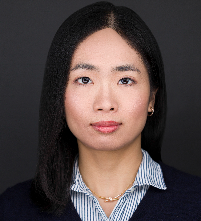
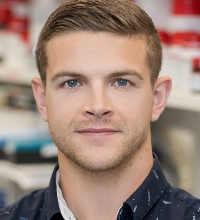
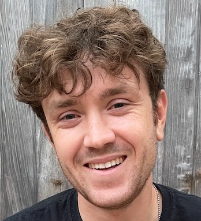
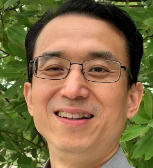
Grace van der Gugten, B.Sc. Chemistry Provincial Health Services Authority, BCCDC Toxicology Lab
Grace discovered her love for clinical mass spectrometry when she began working at St Paul's Hospital in Vancouver in the special chemistry mass spec group with Dr. Dan Holmes in late 2010. Grace was challenged in this role but gained a wealth of knowledge and experience over her 10+ years in the SPH laboratory. She puts this experience and knowledge into use in her current role as Mass Spectrometry Lab Scientist in the Toxicology Lab at the BCCDC in Vancouver, BC. Grace loves developing streamlined, easy to use (if possible!) clinical mass spectrometry assays; teaching others and helping others succeed; and troubleshooting (especially when the problem is solved!).
Relevant Financial Disclosures
(within past 24 months, reported on Mar 05, 2026)
No relevant financial relationship(s) to disclose.
Deborah French, PhD, DABCC (CC, TC), FADLM UCSF
Deborah French Ph.D., DABCC (CC, TC), FADLM is a Director of Chemistry and the Director of Mass Spectrometry at the University of California San Francisco Health Clinical Laboratories. Her work currently focuses on the development and validation of LC-MS/MS assays for small molecules, specifically therapeutic drug monitoring, steroid hormones and toxicology. Deborah received her Ph.D. in biochemistry from the University of Strathclyde in Glasgow, Scotland and then completed a postdoctoral fellowship at St. Jude Children’s Research Hospital in Memphis, TN. She subsequently completed a ComACC Clinical Chemistry postdoctoral fellowship under the direction of Dr Alan Wu at the University of California San Francisco and is now board certified in Clinical Chemistry and Toxicological Chemistry by the American Board of Clinical Chemistry.
Relevant Financial Disclosures
(within past 24 months, reported on Feb 27, 2026)
Consultant Fees
ARK Diagnostics, Roche Diagnostics (ended)
Jacqueline Hubbard, PhD, DABCC Beth Israel Deaconess Medical Center, Harvard Medical School
Jacqueline Hubbard received her BS degree in Biochemistry from the University of Vermont. She then earned her MS and PhD in Biochemistry and Molecular Biology from the University of California, Riverside (UCR). Following a one year postdoc at UCR, Dr. Hubbard completed a Fellowship in Clinical Chemistry at the University of California, San Diego Health. She is board certified in Clinical Chemistry by the American Board of Clinical Chemistry. After fellowship, she took a position as an Assistant Professor in the Department of Pathology and Laboratory Medicine at the Geisel School of Medicine at Dartmouth and as the Assistant Director of Clinical Chemistry at Dartmouth-Hitchcock Medical Center. There, she focused on developing and validating drugs of abuse assays and SARS-CoV-2 serology testing. Next, she briefly served as a Lab Director for a small reference laboratory in PIttsburgh, PA. She then joined Beth Israel Deaconess Medical Center as the Co-Director of Clinical Chemistry and Director of Toxicology in 2024. She is also an Assistant Professor of Pathology for Harvard Medical School. Her research focus still includes mass spectrometry method development and toxicology test interpretation.
Relevant Financial Disclosures
(within past 24 months, reported on Mar 08, 2026)
No relevant financial relationship(s) to disclose.
Lorin Bachmann, PhD, DABCC VCU Health System
Lorin Bachmann joined the VCU Department of Pathology in 2007. She currently serves as Co-Director of Clinical Chemistry, Co-Director of Point-of-Care Testing, Director of the New Kent Emergency Department Laboratory, Technical Advisor for the Operating Room Laboratory, Pathology Outreach and Clinical Trials, and Laboratory Director for multiple VCUHS outreach laboratories. Dr. Bachmann received her PhD in Molecular Medicine from the University of Virginia, followed by a fellowship in clinical chemistry and proteomics research at the University of Virginia. Dr. Bachmann is certified by the American Board of Clinical Chemistry.
Dr. Bachmann serves as a member of the CLSI Board of Directors. She also serves as a member of the College of American Pathologists Standards Committe.
Dr. Bachmann’s research interests include evaluation and validation of new clinical laboratory assays, clinical laboratory analyzer design, development of mass spectrometry-based assays for the clinical laboratory and standardization of laboratory testing. She serves as a Member of the National Institute of Diabetes and Digestive and Kidney Diseases (NIDDK)/International Federation of Clinical Chemistry Laboratory (IFCC) Joint Lab Working Group for Standardization of Albumin in Urine, whose goal is to accomplish standardization of urine albumin methods to enable utility of clinical decision thresholds.
Dr. Bachmann has received numerous awards for her contributions to professional societies, education and research. She serves as principal investigator for multiple industry-sponsored studies.
Relevant Financial Disclosures
(within past 24 months, reported on May 03, 2025)
Total Contact Hours: 14.00 (Ten-minute breaks occur after each full instructional hour when another hour follows. Breaks are excluded from contact hour calculations.)
---------------
Pre-requisites
Interested in a detailed, practical introduction to clinical quantitative LCMS
Overview
Is your laboratory under pressure to purchase an LC-tandem MS or is the ROI you wrote last year haunting you now? This short course is designed for attendees implementing quantitative LC-tandem MS for patient testing who have laboratory medicine experience but no mass spectrometry training - CLS bench analysts, supervisors, R&D scientists, and laboratory directors. Theoretical concepts necessary for a robust implementation of clinical mass spectrometry will be presented – but the emphasis is on practical recommendations for:
LC-MS/MS system purchasing, site preparation and installation
Choosing internal standards, solvents, and water, making reagents and calibrators
Selecting and optimizing LC parameters
Selecting and optimizing MS/MS parameters
Selecting and optimizing sample preparation
Adjusting sample preparation, LC and MSMS parameters to achieve the desired assay performance
Establishing data analysis & review criteria
Pre-validation stress testing and method validation
Maintaining quality in production
Preventative maintenance and troubleshooting
Objectives
At the conclusion of this short course, the participant will be able to:
Describe the components of a triple quadrupole mass spectrometer and describe how they work.
Evaluate sample preparation options for LC-MS/MS and explore matrix effect validation experiments.
Explain the importance of developing an LC gradient method that is compatible with their analyte(s) of interest.
Outline MS parameters that need optimization, including source and compound specific parameters.
List quantitation and review criteria options for LC-MS/MS data.
Formulate a validation plan and describe how to execute those experiments for an LC-MS/MS assay.
Appraise equipment options and justify the purchase cost.
2267
Sunday 1430
1830
Short Course : LC-MSMS 201 : Practical LC-MS/MS Method Development and Bioanalytical Method Validation for Clinical and Non-Clinical Samples @ Ironwood 2 (Portola Hotel > 3rd Floor)
Perry Wang, PhD LC-MS Technical Expert
Dr. Perry G. Wang has been a chemist at US FDA since 2008. Prior to joining the FDA, he worked in the pharmaceutical and medical-device industry. He received his Ph.D. from Oregon State University. He specializes in LC-MS/MS method development and validation for drugs, cosmetics, foods, and dietary supplements. In addition to publishing over 30 peer-reviewed scientific papers, Dr. Wang has edited and co-edited five books: “High-Throughput Analysis in the Pharmaceutical Industry”, “Monolithic Chromatography and Its Modern Applications”, “Hydrophilic Interaction Liquid Chromatography (HILIC) and Advanced Applications”, “Counterfeit Medicines”, and “High-Throughput Analysis for Food Safety”. He has been invited to teach this course at PittCon since 2007. He also teaches this course at American Society for Mass Spectrometry (ASMS), American Chemical Society (ACS), Eastern Analytical Symposium (EAS), and HPLC. He teaches these courses in his own capacity as a scientist, but not as an employee of the FDA.
Relevant Financial Disclosures
(within past 24 months, reported on Apr 09, 2024)
Total Contact Hours: 14.00 (Ten-minute breaks occur after each full instructional hour when another hour follows. Breaks are excluded from contact hour calculations.)
---------------
Pre-requisites
LC-MSMS 101
Overview
Both LC-MS method development and bioanalytical method validation play a crucial role for successfully conducting regulatory studies including nonclinical, biopharmaceutics, and clinical pharmacology studies. The objective of this course is to offer practical training for practitioners, physicians, laboratory scientists, industrial scientists, and health care professionals in the clinical laboratory. It focuses on practical LC-MS method development and bioanalytical method validation for clinical and non-clinical samples. It takes participants step-by-step through the concepts and techniques to develop and validate bioanalytical methods. After this course, participants will be able to independently develop and validate their own LC-MS methods and apply the validated methods for their routine clinical and non-clinical studies.
Objectives:
At the conclusion of this short course, the participant will be able to:
Describe the role of high-performance liquid chromatography (HPLC)
Discuss the principle of HPLC
Apply the resolution equation for chromatographic separation
Develop and optimize HPLC methods
Discuss HPLC troubleshooting cases
Illustrate the principles of mass spectrometry (MS)
Describe Atmospheric pressure ionization (API) in mass spectrometry
Distinguish common ionization modes for MS: ESI, APCI, APPI and MALDI
Develop MS methods
Discuss preparation of clinical samples for LC-MS analysis
Apply the FDA’s Bioanalytical Method Validation Guidance
Describe how clinical sample collection, handling, and storage affect the reliability of the data
Prepare for the challenges of assaying clinical samples by LC-MS
Apply validated methods for clinical and pre-clinical studies
2256
Sunday 1430
1830
Short Course : LC-MSMS 302 : Advanced LC-MS/MS Method Development, Method Troubleshooting and Instrument Operation Needed in Developing Successful Methods for Molecular identification and Quantitation in the Clinical Lab @ Steinbeck 2 (Conference Ctr > 2nd Floor)
Robert Voyksner, PhD LCMS Limited
Dr. Robert D. Voyksner received his B.S. in Chemistry at Canisius College in 1978 and his Ph.D. at the University of North Carolina at Chapel Hill in 1982. He was employed at Research Triangle Institute (RTI) from 1983-2001 as the director of the mass spectrometry facility and has been responsible for developing
extraction, separation and mass spectrometric methods for biologically and environmentally significant compounds. His work earned him the Presidents Award, the highest award within RTI. In 2001 he co-founded LCMS Limited in Durham, NC and has been the CEO of the company to date. Under his direction LCMS Limited is working on technological advancements in LC-MS/MS, offering services to pharmaceutical, clinical and agrochemical industry for solving unique problems by LC/MS/MS and offering training in LC/MS/MS and MS/MS interpretation and on LC/MS/MS instrumentation. Dr Voyksner is also an Adjunct professor at the North Carolina a School of Veterinary Medicine and at The University of North Carolina
School of Pharmacy.
Dr. Voyksner's research in mass spectrometry has resulted in over 230 publications and presentations, primarily in the area of LC-MS/MS. He has served on the Board of Directors for The American Society For Mass Spectrometry (ASMS), is on the organization committee for The Montreux LC/MS Symposium and was the organizer for the 1995, 1999, 2003 and 2007 Montreux LC/MS Symposia. Dr. Voyksner has taught over 100 courses on LC-MSMS, CE/MS and CID interpretation during the past 10 years for MSACL, ASMS, pharmaceutical companies; ISSX, PBA, HPCE and HPLC focused meetings.
Relevant Financial Disclosures
(within past 24 months, reported on Jan 14, 2026)
Total Contact Hours: 14.00 (Ten-minute breaks occur after each full instructional hour when another hour follows. Breaks are excluded from contact hour calculations.)
---------------
Pre-requisites
Working knowledge analytical chemistry, including experience with LC separations and/or mass spectrometry. Attending level 100 or 200 LC/MS courses at MSACL would be beneficial. This is a course for those who want to increase their understanding of LC-MS/MS, who want to learn how to develop a successful quantitative and qualitative LC-MS/MS assay and a deeper understanding the technique to achieve better sensitivity, specificity or throughput in their laboratory.
Overview
This course is designed for the scientist who uses LC-MS/MS in the clinical lab, who wants a deeper understanding in steps towards developing successful methods, optimizing methods, trouble shoot methods and solving problems employing LC-MS/MS.
The course covers important aspects in understanding and optimization ionization with electrospray on multiple instrument platforms including triple quadrupole, time-of-flight, quadrupole time of flight and orbit trap mass analyzers.
The course will discuss sample preparation, modes of chromatography and MS/MS considerations with respect to method development and optimization for the analysis of “real-world” samples by LC-MS/MS, to achieve the best sensitivity, specificity, and sample throughput.
This course focuses on method development method troubleshooting and application for the analysis of both small and large molecules that are clinically relevant. All examples are taken from real world analyses, performed by Dr. Voyksner at LCMS Limited. The concepts presented in the course are reinforced through numerous problem sets the attendees will work on throughout the 16 hour course.
The last part of the course is an open forum where each attendee is invited to share a current LC-MS/MS issue they face. As a class we work through potential solutions and experiments to be performed to find a solution to the student problem, applying the concepts taught in the class and Dr. Voyksner’s 40 plus years of experience in LC-MS/MS. From past classes this has been the attendee’s favorite part of the class.
Topics Covered
Understanding API ionization processes for electrospray, APCI and APPI, what affects the ionization process and how to maximize the ionization for compounds of interest.
Understanding the effects of LC columns (dimensions and particles size), flow rate, and mobile phases have upon the separation and LC/MS analysis.
Determining the type of ions that can form by electrospray and APCI, how to interpret the MS and MS/MS spectra and approaches on how to perform qualitative analysis in LC-MS/MS and high-resolution MS/MS.
Understanding important issues that affect quantitative analytical results and how to optimize the method to achieve the best performance, reduce matrix suppression, reduce background and generate the best accuracy and precision.
Exploring what new techniques are available (e.g. direct analysis MS, chip method and MS instrumentation) that can improve the results one can obtain.
Discuss aspects of method development and method trouble shooting from example problems of real world problem in quantitative LC-MS/MS.
Open forum discussing attendees’ specific problems they face in method development or analysis using LC-MS/MS.
Objectives
At the conclusion of this short course, the participant will be able to:
Improve sensitivity and specificity for LC-MSMS analysis.
Develop methods to analyze the target compounds.
Select correct electrospray or APCI conditions to analyze the target compound.
Reduce matrix suppression.
Troubleshoot a method to improve accuracy, precision, sensitivity and specificity.
Reduce background in LC-MSMS analysis.
2278
Sunday 1430
1830
Short Course : Data Science 101 : Breaking up with Excel: An Introduction to the R Statistical Programming Language @ Colton 1/2 (Conference Ctr > 2nd Floor)
Dustin R. Bunch, is an Asst. Director of Clinical Chemistry & Co-Director Laboratory Informatics at Nationwide Children's Hospital. His research focuses small molecule analysis by mass spectrometry in a clinical setting and clinical informatics.
Relevant Financial Disclosures
(within past 24 months, reported on Feb 13, 2024)
Not yet reported.
Nicholas Spies, MD University of Utah, ARUP Laboratories
Nick Spies, MD, is a bioinformatician-turned-laboratorian who is a medical director in the Applied Artificial Intelligence group within ARUP laboratories' Division of Research and Innovation. He is focused on applying analytical techniques to improve the way we detect laboratory errors, and hopes to spread the good word of data science and machine learning within the laboratory medicine community.
Relevant Financial Disclosures
(within past 24 months, reported on Apr 30, 2026)
Total Contact Hours: 14.00 (Ten-minute breaks occur after each full instructional hour when another hour follows. Breaks are excluded from contact hour calculations.)
---------------
Pre-requisites
There will be some handouts and software installation before the meeting but no pre-req classes.
Overview
Does Excel lag on you when you open a file bigger than 1000 rows? Has it ever changed your data to a date against your will? Are you ready to jump right past Tableau and into the world of Data Science using a real programming language?
Well, your wait is over because at MSACL we again will be offering a course for complete programming newbies that will help you get going analyzing real data related to LC-MS/MS assay development, validation, implementation and publication.
The only background expected is the ability to use a spreadsheet program. The skills that you will acquire will allow you to take advantage of the many tools already available in the R language and thereafter, when you see that your spreadsheet program does not have the capabilities to do what you need, you will no longer have to burst into tears.
The course will be run over two days and time will be evenly split between didactic sessions and hands-on problem solving with real data sets. Drs Bunch & Spies will adopt a “no student left behind policy”. Students will be given ample time to solve mini problems taken from real-life laboratory work and focused on common laboratory tasks. All attendees will need to bring a laptop with the R language installed RStudio interface installed. Students may use Windows, Mac OSX or Linux environments. Both R and RStudio are free and open-source. No cash required.
Students should be prepared for learning what computer programming is really like. This may involve some personal frustration, but it will be worth it.
Obtaining the Software
!!! DOWNLOAD PROGRAM PACKAGES PRIOR TO ARRIVAL ONSITE !!! THERE WILL NOT BE OPEN INTERNET WIFI IN THE CONFERENCE CENTER.
!!! POWER : Make sure your computer is charged to hold power for 4-8 hrs, as power outlets may not be available.
Instructions for installing the R language are here: http://cran.r-project.org/
Instructions for installing RStudio are here: http://www.rstudio.com/
Topics Covered
Brief overview of RStudio, R variables: vectors (numerical, character, logical), matrices, data frames and lists and classes: numeric, character, list and changing between them
Importing data from CVS and Excel
Dealing with non-numeric instrument data & manipulating and cleansing your data
Exporting data in Excel-like format or to share
Basics of tidyverse: dplyr, filter, mutate, join
Regression: ordinary least squares, Passing Bablok, Deming, weighted regression
Non-linear regressions
Looping: Doing things repeatedly
group_by and summarize
Making highly customized figures with base plot or ggplot
Putting it all together projects:
-- Preparing method comparison regression and Bland Altman plots
-- Preparing mass spectrometry data for upload to LIS
Objectives
At the conclusion of this short course, the participant will be able to:
Manage and analyze data in the R programming language using RStudio.
Identify resources to continue learning the R programming language.
Develop computational scripts in the R programming Language.
Use both base R and tidyverse tools for data cleansing and data manipulation.
Develop an algorithmic approach to common laboratory data processing needs.
Prepare publication quality figures using ggplot.
2282
Sunday 1430
1830
Short Course : Data Science 203 : Machine Learning : A Gentle Introduction @ Bonsai (Portola Hotel > Ground Floor)
Randall Julian, PhD Indigo BioAutomation
Randy Julian is the Founder and CEO of Indigo BioAutomation. Randy earned a Ph.D. in Chemistry from Purdue University. Dr. Julian worked for 14 years at Eli Lilly using mass spectrometry in natural product drug discovery, high throughput screening for RNA anti-viral compounds, and proteomics and metabolomics in animal models. Randy founded Indigo as a spin-out of Lilly. Indigo develops software that uses machine learning techniques to automatically analyze data from laboratories world-wide. Indigo's technology also drives new stand-alone medical devices, bringing advanced data analysis to every level of the clinical lab. Dr. Julian is also is an Adjunct Professor of Chemistry at Purdue.
Relevant Financial Disclosures
(within past 24 months, reported on Feb 27, 2026)
Stock/Bonds
Indigo BioAutomation, Inc.
Salary
Indigo BioAutomation, Inc.
Stephen Master, MD, PhD, FADLM Children's Hospital of Philadelphia
Stephen Master received his undergraduate degree in Molecular Biology from Princeton University, and subsequently obtained his MD and PhD from the University of Pennsylvania School of Medicine. After residency in Clinical Pathology at Penn, he stayed on as a faculty member with a research focus in mass spectrometry-based proteomics as well as extensive course development experience in bioinformatics. After time as an Associate Professor of Pathology and Laboratory Medicine at Weill Cornell Medicine in New York City, where he served as Director of the Central Lab and Chief of Clinical Chemistry Laboratory Services, he took a position at the Children's Hospital of Philadelphia as Chief of Lab Medicine. One of his current interests is in the applications of bioinformatics and machine learning for the development of clinical laboratory assays. He would play with R for fun even if he weren't getting paid, but he would appreciate it if you didn't tell that to his department chair.
Relevant Financial Disclosures
(within past 24 months, reported on Feb 27, 2026)
Total Contact Hours: 14.00 (Ten-minute breaks occur after each full instructional hour when another hour follows. Breaks are excluded from contact hour calculations.)
---------------
Pre-requisites
Data Science 101 or 201 (or equivalent experience)
Overview
Machine learning techniques have been highly successful in driving the growth of companies like Amazon, Google, Netflix, and other companies that rely on identifying patterns in big data. More importantly, these algorithms are beginning to revolutionize clinical diagnosis and mass spectrometry, from FDA-approved retinal image analysis to robust detection of mass spec chromatographic peaks.
But ... what exactly is machine learning? How does it work? How can you apply it to your own data?
In this course, we will help you sort through the hype and provide an introduction to machine learning, including an overview of common approaches, known pitfalls, and other important concepts.
We will include practical instruction on applying machine learning algorithms using the R statistical language, so familiarity with R at the level of the material taught in Data Science 101 and/or 201 is desirable.
Topics Covered
What is machine learning?
Basic practices
Exploring your data
Preparing your data for ML algorithms
Features: Selection and Engineering
Decision trees
Model evaluation
Solutions to overfitting: Ensembles
Random Forests
Explaining complex models
Gradient Boosting with XGBoost
Objectives
At the conclusion of this short course, the participant will be able to:
Explain principles of machine learning
Describe machine learning processes
Perform classification using multiple machine learning models
Evaluate and test the performance of machine learning models
2288
Sunday 1430
1830
Short Course : Metabolomics 102 : Microsampling and Mass Spectrometry – Fit for Purpose in the Clinical Screening and Monitoring Space @ Cottonwood 1 (Portola Hotel > 3rd Floor)
Donald Chace, PhD, MSFS, FACB Capitainer
Donald H. Chace, PhD, MSFS, FAACC is the Senior Application and Product Specialist for Capitainer. He is one of the primary developers of newborn metabolic screening using tandem Mass Spectrometry. Developed 25 years ago with the first screening publication in Clinical Chemistry that describes the MS-based newborn screening of PKU, the method is now used to screen millions of infants per year, worldwide. Dr. Chace is an expert in metabolism and clinical chemistry using mass spectrometry as well as microsample analysis, e.g. the dried blood spot. He has published 100 peer reviewed articles and has presented at numerous conferences that focus on areas in Neonatology, Clinical Chemistry, Newborn Screening, Mass Spectrometry and Forensic Science. Dr. Chace is a guest researcher in the newborn screening and molecular biology division at the CDC and recently joined mQACC.
Relevant Financial Disclosures
(within past 24 months, reported on Feb 13, 2024)
Salary
Capitainer
Tim Garrett, PhD University of Florida College of Medicine
Dr. Garrett has over 20 years of experience in the field of mass spectrometry spanning both instrument and application development. He received his PhD from the University of Florida, under Dr. Richard A. Yost, working on the first imaging mass spectrometry-based ion trap instrument. He has also developed MALDI-based approaches to analyze proteins in bacteria and small molecules in tissue specimens. His current interests include development of techniques and instrumentation for metabolomics science using LC-HRMS and translational work in diagnostics for dried blood spots. He is an Associate Professor in the Department of Pathology at the University of Florida, and Director for the Southeast Center for Integrated Metabolomics (SECIM).
Relevant Financial Disclosures
(within past 24 months, reported on Sep 11, 2025)
No relevant financial relationship(s) to disclose.
Total Contact Hours: 7.00 (Ten-minute breaks occur after each full instructional hour when another hour follows. Breaks are excluded from contact hour calculations.)
---------------
Pre-requisites
None.
Overview
The classic dried blood spot (Guthrie Spot, NBS spot) has been used routinely for 60 years in inborn errors of metabolism (rare disease screening of newborns) space in addition to health monitoring of the detected disorders. Mass spectrometry advanced this space 30 years ago to take advantage of its multianalyte profiles (the early days of metabolomics) to detect rare diseases. It was the introduction of multiple biomarkers in clinical assessment. As mass spec evolved in this space, new workflows and pre-analytical methods, sample preparation chemistry was altered by taking advantage of the dried microsample format and extraction chemistry. DBS offered a replacement to liquid microsamples, and the risks and costs associated with infectious disease exposure, cost of shipping using the cold chain, storage and most recently patient centered sampling where remote, or home sampling is made possible.
Most chemistry workflows are still dominated by liquid blood or plasma and immunoassay platforms, they are not necessarily suitable for microsample collection as demonstrated in the choice for newborn screening (200-300 µL) versus 1-10 mL for a venous blood draw. Furthermore, a dried microsample offers better improved stability for some molecules due to degradation of active enzyme, light or heat. Beyond newborn screening standard, the pace of adoption of dried blood versus liquid plasma is slowed because of the lack of bridging studies. Therefore, an understanding of DBS versus liquid is critical in designing these experiments. This course will describe the advantages of filter paper for mass spec workflows in areas of sample cleanup, extraction, manipulation as well as examples of successful analysis. We will provide examples of existing methods in use in clinical analysis and will expand upon last year’s MSACL course.
As important are its advantages, we will discuss limitations from the lack of precision of classic Guthrie cards because of volume uncertainties to the problems of some mass spectrometry analysis of molecules like proteins. Finally, we will correlate these issues with the ever-expanding area of metabolomics, lipidomic and more important how a DBS can be integrated with other technique like molecular and immunoassays to provide a better clinical result from which the clinician can make earlier accurate diagnosis. Ultimate DBS can improve health care services as well as access with remote collection.
Objectives
At the conclusion of this short course, the participant will be able to:
Describe the best fit for DBS utilization in clinical mass spectrometry and bioanalytical research including “omics” applications.
Discuss bridge strategies for adopting existing MS methods that utilize venous blood, plasma or other liquids to the dried microsample format.
Compare the advances in the quantitative micro sampling space and discuss issues with volume and solid matrix additives.
Interpretate approaches for multiplexed analysis and multi-omics.
Short Course : LC-MSMS 101 : Getting Started with Quantitative LC-MSMS in the Diagnostic Laboratory @ De Anza 2 (Portola Hotel > Ground Floor)
2268
Monday 800
1200
Short Course : LC-MSMS 201 : Practical LC-MS/MS Method Development and Bioanalytical Method Validation for Clinical and Non-Clinical Samples @ Ironwood 2 (Portola Hotel > 3rd Floor)
2271
Monday 800
1200
Short Course : LC-MSMS 203 : Validation of Quantitative LC-MS/MS Assays for Clinical and Academic Use @ De Anza 3 (Portola Hotel > Ground Floor)
Claire Knezevic, PhD Lurie Childrens Hospital
Dr. Claire Knezevic is a clinical chemist in the Department of Pathology and Laboratory Medicine at Lurie Children's Hospital with a focus on chemistry, point-of-care testing, quality improvement, drug monitoring, and personalized medicine. She is an Associate Professor in Northwestern's Feinberg School of Medicine in the Department of Pathology. Her interests include all things small molecule, from toxicology to therapeutic drug monitoring and their impacts on clinical care.
Relevant Financial Disclosures
(within past 24 months, reported on Mar 06, 2026)
No relevant financial relationship(s) to disclose.
Joshua Hayden, PhD, DABCC, FACB Cleveland Clinic
Joshua is currently the Section Head of Clinical Biochemistry at Cleveland Clinic. He earned his PhD in chemistry from Carnegie Mellon University. He conducted postdoctoral research at Massachusetts Institute of Technology before completing a two-year clinical chemistry fellowship at University of Washington and 4 years as Assistant Professor at Weill Medical College. Joshua has special expertise developing and overseeing mass spectrometry assays in the clinical laboratory.
Relevant Financial Disclosures
(within past 24 months, reported on Feb 27, 2026)
Total Contact Hours: 10.50 (Ten-minute breaks occur after each full instructional hour when another hour follows. Breaks are excluded from contact hour calculations.)
---------------
Pre-requisites
Individuals with previous mass spectrometry experience (clinical or academic) or those who have taken the LC-MSMS 101 and/or 201 course and are looking to expand their knowledge.
Overview
This course is intended for those with previous mass spectrometry experience who are looking to expand their knowledge and skills with regards to assay validation for both clinical and academic purposes. The course will heavily focus on quantitative small molecule assays.
The course will provide a short overview of development followed by an in-depth discussion of how to validate liquid chromatography tandem mass spectrometry assays. The course will conclude with a discussion of the measures and metrics to use for monitoring assay performance once testing is live.
Throughout each section, applicable and practical guides for validation experiments and acceptance criteria will be provided, as well as processes for ensuring assay performance post-go-live. For each step of assay development, we will highlight experiments to perform along the way to identify issues pre-validation. Validation studies will include an overview of the studies necessary for both clinical and academic purposes. The clinical validation requirements for CLIA, CAP, NY State, and FDA regulated environments will be presented. The academic validation requirements for submitting such assays (or studies using them) to high-impact, peer-reviewed journals (Clinical Chemistry, Molecular & Cellular Proteomics, Journal of Clinical Endocrinology and Metabolism, etc) will be presented. Post-go live monitoring will include discussion of essential performance metrics, performing staff competency, minimizing manual data entry and how to facilitate interfacing with LIS, and finally a discussion of post-go-live issues.
Topic Covered
This short course will include 12 approximately 1 hour modules with 15 min for exercises and Q&A at the end of each module.
Optimizing signal/tuning
Chromatography
Internal standard
Reportable range
Calibration and calibrators
Matrix effect studies
Stability studies
Precision studies
Accuracy and correlation studies
Going live
Performance metrics for post-go-live monitoring
Discussion of post-go-live issues
Objectives:
At the conclusion of this short course, the participant will be able to:
Design a validation plan for a target assay.
Define performance characteristics for the intended use of the assay.
Identify and address potential pitfalls in the developed assay.
2275
Monday 800
1200
Short Course : LC-MSMS 302 : Advanced LC-MS/MS Method Development, Method Troubleshooting and Instrument Operation Needed in Developing Successful Methods for Molecular identification and Quantitation in the Clinical Lab @ Steinbeck 2 (Conference Ctr > 2nd Floor)
2279
Monday 800
1200
Short Course : Data Science 101 : Breaking up with Excel: An Introduction to the R Statistical Programming Language @ Colton 1/2 (Conference Ctr > 2nd Floor)
2283
Monday 800
1200
Short Course : Data Science 203 : Machine Learning : A Gentle Introduction @ Bonsai (Portola Hotel > Ground Floor)
2292
Monday 800
1200
Short Course : Sample Preparation 201 : Sample Preparation and Alternative Matrices for LC-MS Assays @ Redwood 2 (Portola Hotel > 3rd Floor)
William Clarke, PhD, MBA, DABCC Johns Hopkins University School of Medicine
Dr. Clarke received his Ph.D. in Analytical Chemistry from the University of Nebraska in Lincoln in 2000, followed by a post-doctoral fellowship in Clinical Chemistry at the Johns Hopkins School of Medicine, ending in 2002. In addition, he received an MBA focused on medical services management from the Carey School of Business at Johns Hopkins in 2007. Following his post-doctoral fellowship, he remained at Johns Hopkins, where he is a Professor in the Department of Pathology, as well as the director of Point-of-Care Testing, Reference Toxicology, and Phlebotomy for the hospital. He also serves as the Vice-Chair for Quality and Regulatory Affairs in the Department of Pathology. His research interests include clinical mass spectrometry, method development and evaluation for therapeutic drug monitoring, clinical toxicology, point-of-care testing, and development/validation of biomarkers for use in drug management. Dr. Clarke has published as author or co-author over 170 peer-reviewed manuscripts or book chapters, and is the Co-Editor of the textbook Contemporary Practice in Clinical Chemistry.
Relevant Financial Disclosures
(within past 24 months, reported on Feb 27, 2026)
Consultant Fees
Roche
Grant/Research Support
Thermo Fisher, Danaher, Roche
Committee/Board/Advisory Board
Roche, Truvian
Mark Marzinke, PhD, DABCC, FAACC Johns Hopkins University School of Medicine
Dr. Mark Marzinke is Professor of Pathology and Medicine in the Johns Hopkins University School of Medicine. He is board-certified in Clinical Chemistry by the American Board of Clinical Chemistry. He serves as the Director of the General Chemistry Laboratory at the Johns Hopkins Hospital and the Clinical Pharmacology Analytical Laboratory within the Division of Clinical Pharmacology. Dr. Marzinke is Co-Principal Investigator (PI) of the HIV Prevention Trials Network (HPTN) Laboratory Center (LC) and is the Director of the Clinical Laboratory Core for the Johns Hopkins Center for AIDS Research. His primary research interests are in the areas of antiretroviral pharmacology, HIV prevention science, mass spectrometry, pharmacogenetics and precision medicine, and laboratory automation. Dr. Marzinke has an active research program and serves as a principal investigator (PI) or co-investigator on a number of grants. He has collaborated on research to better characterize the multi-compartment pharmacology of antiretroviral agents when administered using alternative drug delivery systems using liquid chromatographic-mass spectrometric approaches. He has published more than 180 peer-reviewed articles, and holds leadership positions in several societies.
Relevant Financial Disclosures
(within past 24 months, reported on Mar 06, 2026)
No relevant financial relationship(s) to disclose.
Total Contact Hours: 10.50 (Ten-minute breaks occur after each full instructional hour when another hour follows. Breaks are excluded from contact hour calculations.)
---------------
Pre-requisites
Individuals with previous mass spectrometry experience looking to expand their knowledge.
Summary:
This course will encompass various sample preparation approaches used for LC-MS assays. The course will highlight not only the importance of sample processing in the clinical laboratory environment, but also illustrate the “fit for purpose” application of processing techniques in clinical mass spectrometry. This course will also discuss the theory behind different specimen preparation methods, strengths and weaknesses of each approach, as well as opportunities for automation. The first section of the course will serve as a primer of the role of upfront sample management, utilizing examples in blood and urine specimen sources. There will also be an introduction to the application of LC-MS approaches in alternative matrices. The second section of the course will elaborate on the foundations established in the first half, and expand into newer technologies and automated alternatives for sample processing. Topics will be covered through lecture, Q&A, Case Studies, and small group exercises.
Topics covered include
Pain points in clinical LC-MS
Overview of specimen processing in laboratory medicine
Off-line and On-line sample processing
Analysis of blood and urine
Alternate body fluid specimens (e.g. CSF, breast milk, tissue, etc.)
Dried specimens as matrices
Automation of sample processing
Learning Objectives
After attending this short course, participants will be able to:
Describe various pain points and challenges in clinical LC-MS;
Discuss the impact of various specimen preparation approaches on LC-MS assay performance;
Implement a fit-for-purpose approach to selection of a specimen preparation approach in their laboratory practice;
Describe alternative specimen types and their potential utility in clinical practice or research.
2296
Monday 800
1200
Short Course : Metabolomics 102 : Microsampling and Mass Spectrometry – Fit for Purpose in the Clinical Screening and Monitoring Space @ Cottonwood 1 (Portola Hotel > 3rd Floor)
Total Contact Hours: 7.00 (Ten-minute breaks occur after each full instructional hour when another hour follows. Breaks are excluded from contact hour calculations.)
---------------
Pre-requisites
None.
Overview
The classic dried blood spot (Guthrie Spot, NBS spot) has been used routinely for 60 years in inborn errors of metabolism (rare disease screening of newborns) space in addition to health monitoring of the detected disorders. Mass spectrometry advanced this space 30 years ago to take advantage of its multianalyte profiles (the early days of metabolomics) to detect rare diseases. It was the introduction of multiple biomarkers in clinical assessment. As mass spec evolved in this space, new workflows and pre-analytical methods, sample preparation chemistry was altered by taking advantage of the dried microsample format and extraction chemistry. DBS offered a replacement to liquid microsamples, and the risks and costs associated with infectious disease exposure, cost of shipping using the cold chain, storage and most recently patient centered sampling where remote, or home sampling is made possible.
Most chemistry workflows are still dominated by liquid blood or plasma and immunoassay platforms, they are not necessarily suitable for microsample collection as demonstrated in the choice for newborn screening (200-300 µL) versus 1-10 mL for a venous blood draw. Furthermore, a dried microsample offers better improved stability for some molecules due to degradation of active enzyme, light or heat. Beyond newborn screening standard, the pace of adoption of dried blood versus liquid plasma is slowed because of the lack of bridging studies. Therefore, an understanding of DBS versus liquid is critical in designing these experiments. This course will describe the advantages of filter paper for mass spec workflows in areas of sample cleanup, extraction, manipulation as well as examples of successful analysis. We will provide examples of existing methods in use in clinical analysis and will expand upon last year’s MSACL course.
As important are its advantages, we will discuss limitations from the lack of precision of classic Guthrie cards because of volume uncertainties to the problems of some mass spectrometry analysis of molecules like proteins. Finally, we will correlate these issues with the ever-expanding area of metabolomics, lipidomic and more important how a DBS can be integrated with other technique like molecular and immunoassays to provide a better clinical result from which the clinician can make earlier accurate diagnosis. Ultimate DBS can improve health care services as well as access with remote collection.
Objectives
At the conclusion of this short course, the participant will be able to:
Describe the best fit for DBS utilization in clinical mass spectrometry and bioanalytical research including “omics” applications.
Discuss bridge strategies for adopting existing MS methods that utilize venous blood, plasma or other liquids to the dried microsample format.
Compare the advances in the quantitative micro sampling space and discuss issues with volume and solid matrix additives.
Interpretate approaches for multiplexed analysis and multi-omics.
Dr. Hoofnagle's laboratory focuses on the precise quantification of recognized protein biomarkers in human plasma using LC-MRM/MS. In addition, they have worked to develop novel assays for the quantification of small molecules in clinical and research settings. His laboratory also studies the role that the systemic inflammation plays in the pathophysiology of obesity, diabetes, and cardiovascular disease.
Relevant Financial Disclosures
(within past 24 months, reported on Feb 27, 2026)
Grant/Research Support
Waters, Inc.
Cory Bystrom, PhD Ultragenyx
Relevant Financial Disclosures
(within past 24 months, reported on Feb 27, 2026)
Stock/Bonds
Ultragenyx
Salary
Ultragenyx
Christopher Shuford, PhD Labcorp
Chris Shuford, Ph.D., is Associate Vice President and Technical Director for research and development at Laboratory Corporation of America in Burlington, North Carolina. Chris received his B.S. in Chemistry & Physics at Longwood University and obtained his Ph.D. in Bioanalytical Chemistry from North Carolina State University under the tutelage of Professor David Muddiman, where his research focused on applications of nano-flow chromatography for multiplexed peptide quantification using protein cleavage coupled with isotope dilution mass spectrometry (PC-IDMS). In 2012, Chris joined LabCorp’s research and development team where his efforts have focused on development of high-flow chromatographic methods (>1 mL/min) for multiplexed and single protein assays for clinical diagnostics.
Relevant Financial Disclosures
(within past 24 months, reported on Feb 27, 2026)
Total Contact Hours: 10.50 (Ten-minute breaks occur after each full instructional hour when another hour follows. Breaks are excluded from contact hour calculations.)
---------------
Pre-requisites
None.
Overview
The main goal of this course is to provide an interactive forum in which attendees will be introduced to critical aspects of clinical protein measurements.
The topics of this course will be templated on the framework of CLIS guidance document, C64: Quantitative Measurement of Proteins and Peptides by Mass Spectrometry.
The motivation for using mass spectrometry to quantify proteins in clinical research and in clinical care will be discussed as part of this interactive workshop. Technical topics uniquely affecting quantitative protein and peptides measurements by mass spectrometry will be a point of emphasis. Case studies from assay inception through validation will be presented and participants will work interactively to critique various aspects of clinical proteomic measurements.
Topics Covered
Protein vs Peptide Measurands
Workflows
Sample Preparation (Digestion & Enrichment)
Internal standards
Calibration
Validation
Quality control
Objectives
At the conclusion of this short course, the participant will be able to:
Describe the holistic process of delivering a clinically relevant mass spectrometry based protein/peptide assay from inception to validation.
Recognize the factors in assay development that are unique to proteins and peptides in comparison to traditional small molecule assays.
Use guidance documents in conjunction with rigorous experimental design to support fit-for-purpose method development strategies.
2305
Monday 800
1200
Short Course : Clinical Proteomics 202 : MS-based Precision Diagnostics by Molecular Protein Analysis @ Ironwood 1 (Portola Hotel > 3rd Floor)
Renee Ruhaak, PhD LUMC
Renee Ruhaak holds a PhD from the Leiden University Medical Center (LUMC, supervisor Prof. M. Wuhrer) and did a post-doc at UC Davis in the lab of Prof. C.B. Lebrilla prior to joining the department of Clinical Chemistry and Laboratory Medicine at the LUMC. She is currently an associate professor with a research focus on the application of mass spectrometry within the clinical setting. This entails both development and implementation of quantitative protein mass spectrometry, as well as the role of mass spectrometry in metrology and test standardization.
Relevant Financial Disclosures
(within past 24 months, reported on Feb 27, 2026)
Grant/Research Support
Octapharma
Mirjam Kruijt, PhD Amsterdam UMC
Relevant Financial Disclosures
(within past 24 months, reported on Jun 27, 2025)
No relevant financial relationship(s) to disclose.
Esther Reijnders, MSc. LUMC
Esther is currently working as a 4th year PhD-student in the lab of prof. dr. Christa Cobbaert under the supervision of dr. Renee Ruhaak at Leiden University Medical Center in the Netherlands. Her research primarily focuses on evaluating the clinical effectiveness of a multiplex mass spectrometry-based apolipoprotein panel for cardiovascular risk prediction.
Relevant Financial Disclosures
(within past 24 months, reported on Feb 13, 2024)
Total Contact Hours: 10.50 (Ten-minute breaks occur after each full instructional hour when another hour follows. Breaks are excluded from contact hour calculations.)
---------------
Pre-requisites
A background in quantitative proteomics is helpful but not required. You will need to know the principles of LC and QQQ analysis through multiple reaction monitoring.
Did you know proteins may exist in hundreds of molecular proteoforms? And that each specific proteoform may have different functionality, potentially leading to a pathophysiological clinical phenotype ? How could we measure such proteoforms using mass spectrometry? And how could measurement of proteoforms aid in precision diagnostics?
In this course, we will explain what proteoforms are, and why they may be relevant to measure in a medical laboratory. We will use real-lab examples of proteoforms known to affect the patients’ health status and guide you through the potential methods on identifying and characterizing proteoforms with multiple-reaction-monitoring MS. We will start the course with the rationale on when and how to develop new diagnostic tests. We will explain the diversity in proteoforms, with a focus on proteoforms caused by mutations, but we will also touch upon PTM-induced proteoforms. Lastly, we will discuss several quality related aspects of these tests. In the end, our aim is to provide the knowledge necessary to apply proteoform analysis by MS in your own (clinical) laboratory.
The course will consist of theoretical background, examples of applications and interactive sessions. A background in quantitative proteomics is helpful but not required. You will need to know the principles of LC and QQQ analysis through multiple reaction monitoring. At the end of the course, you will know why molecular protein analysis could be beneficial and how you can apply it in your laboratory.
Objectives
At the conclusion of this short course, the participant will be able to:
Discuss what proteoforms are and why they may be relevant to quantify.
Discuss how the analysis of proteoforms will contribute to precision diagnostics and how clinical care pathways may be altered based on molecular protein measurements.
Discriminate proteoforms using multiple-reaction-monitoring mass spectrometry.
Evaluate molecular MS data and provide answers for laboratory specialists
Ensure performance and quality of proteoform-based tests.
2308
Monday 800
1200
Short Course : GlycoProteomics 101 : Clinical Glyco(proteo)mics by Mass Spectrometry @ Cottonwood 2 (Portola Hotel > 3rd Floor)
Tamás Pongrácz, PhD Karolinska Institute
I am an analytical chemist with expertise in developing and refining advanced analytical methods and bioinformatics tools for high-throughput, mass spectrometry-based analysis of complex sugar molecules (glycans) that are key structural components of most proteins, including antibodies.
My research focuses on exploring the glycomic landscape of human diseases, elucidating the link between antibody glycosylation and function, and contextualizing these findings within clinical disease proxies across various conditions.
Currently, I am a postdoctoral researcher and bioinformatician in the group of Charlotte Thålin at Karolinska Institute, where we investigate the role of IgA glycosylation in mucosal immunity. This position has provided an ideal continuation of my academic career path following a PhD and postdoctoral training at Leiden University Medical Center, where I worked in a highly interdisciplinary environment at the interface of analytical chemistry, bioinformatics and clinical research.
Driven by a strong commitment to translational science, bridging the gap between fundamental research and patient care is my major ambition. I believe that glycan-based diagnostics and therapeutics hold transformative potential and will play a central role in the next generation of medical innovation.
Relevant Financial Disclosures
(within past 24 months, reported on Apr 29, 2025)
No relevant financial relationship(s) to disclose.
Guinevere Lageveen-Kammeijer, PhD University of Groningen
Dr. Guinevere Lageveen-Kammeijer is an Assistant Professor in the Analytical Biochemistry group at the University of Groningen, within the Groningen Research Institute of Pharmacy. She holds a BSc in Biotechnology - Forensic Sciences from the University of Applied Sciences van Hall Larenstein, Leeuwarden, and an MSc in Analytical Chemistry from VU University, Amsterdam. Her research interests were ignited during her MSc internship, where she focused on separation techniques coupled with mass spectrometry.
Guinevere earned her PhD in Clinical Glycomics from the Leiden University Medical Center in 2019 under the supervision of Prof. Manfred Wuhrer. Her thesis developed small-scale sample preparation workflows using capillary electrophoresis (CE) and mass spectrometry (MS/MS) to analyze glycans, glycopeptides, and glycoproteins, with applications in biomarker discovery and biopharmaceutical characterization. She continued her research as a post-doctoral researcher at the same institution before expanding her expertise with a visit to Northeastern University, Boston, in 2017, where she focused on protein charge and proteoform heterogeneity.
In 2022, Guinevere began her tenure-track assistant professorship at the University of Groningen, where she works on advancing glyco(proteo)mic techniques, particularly in single-cell glycomic analysis. Her research includes expanding the mass spectrometry-based glycosylation assay for prostate-specific antigen (PSA), a key biomarker for prostate cancer, and exploring the in-depth analysis of glycans and glycoproteins for biomarker discovery in other diseases and biopharmaceutical characterization.
Guinevere’s contributions have been recognized through funding such as the Investigator Sponsored Research grant from Astellas (2019) and the prestigious NWO VENI grant (2023). She is actively involved in the scientific community, serving on the Scientific Omics Committee for MSACL. Guinevere is passionate about promoting the importance of glycosylation in biomarker research, aiming to bridge the gap between researchers and clinical professionals to improve biomarker translation to the clinic.
Relevant Financial Disclosures
(within past 24 months, reported on Mar 18, 2025)
No relevant financial relationship(s) to disclose.
Total Contact Hours: 10.50 (Ten-minute breaks occur after each full instructional hour when another hour follows. Breaks are excluded from contact hour calculations.)
---------------
Pre-requisites
Knowledge on basic mass spectrometry and spectral interpretation.
Overview
Did you ever encounter glycans, but you -kind of- neglected them as they seemed too complicated to characterize? Or did you just perform a glycan release to make the analysis of your protein a lot easier? You have no idea how to interpret your data when a glycan is present? Fear no more! We are here to provide you with the basics in the field of mass spectrometric glycomics and glycoproteomics.
The course will start with a historical overview on glycan research (i.e. how did glycans work their way up to being acknowledged as important study objects) and we will guide you through the maze of different nomenclatures. Moreover, although glycans are well known for their complexity, we will reveal to you the “rules of glycan structures” based on known biosynthetic pathways. This will be followed by an in-depth discussion on glyco(proteo)mic mass spectrometric technologies and workflows. In addition, different sample preparation steps and data analysis approaches will be covered. We will close-up with a session about glycomic biomarker discovery.
The course will run over two days and time will be split between lectures and workshops (e.g. how do you recognize a glycan in a mass spectrum and how do you assign it). While not everything can be covered within these two days we will ensure that you will know your “glyco-basics” in the end. Moreover, participants are encouraged to submit any specific glyco-questions they have prior to the course and we will try to discuss them during the course.
Objectives:
At the conclusion of this short course, the participant will be able to:
Discuss glycan nomenclature and biosynthesis
Select an appropriate analytical method for a specific glycomics research question.
Interpret mass spectrometry data using the biological background of a sample and the biosynthetic restrictions of the system.
Define the identity of released glycan and glycopeptide molecules using MS1 and MS2 data.
Select the appropriate software tools to aid glyco(proteo)mics MS data processing knowing the used analytical platforms.
Short Course : LC-MSMS 101 : Getting Started with Quantitative LC-MSMS in the Diagnostic Laboratory @ De Anza 2 (Portola Hotel > Ground Floor)
2269
Monday 1400
1800
Short Course : LC-MSMS 201 : Practical LC-MS/MS Method Development and Bioanalytical Method Validation for Clinical and Non-Clinical Samples @ Ironwood 2 (Portola Hotel > 3rd Floor)
2272
Monday 1400
1800
Short Course : LC-MSMS 203 : Validation of Quantitative LC-MS/MS Assays for Clinical and Academic Use @ De Anza 3 (Portola Hotel > Ground Floor)
Total Contact Hours: 10.50 (Ten-minute breaks occur after each full instructional hour when another hour follows. Breaks are excluded from contact hour calculations.)
---------------
Pre-requisites
Individuals with previous mass spectrometry experience (clinical or academic) or those who have taken the LC-MSMS 101 and/or 201 course and are looking to expand their knowledge.
Overview
This course is intended for those with previous mass spectrometry experience who are looking to expand their knowledge and skills with regards to assay validation for both clinical and academic purposes. The course will heavily focus on quantitative small molecule assays.
The course will provide a short overview of development followed by an in-depth discussion of how to validate liquid chromatography tandem mass spectrometry assays. The course will conclude with a discussion of the measures and metrics to use for monitoring assay performance once testing is live.
Throughout each section, applicable and practical guides for validation experiments and acceptance criteria will be provided, as well as processes for ensuring assay performance post-go-live. For each step of assay development, we will highlight experiments to perform along the way to identify issues pre-validation. Validation studies will include an overview of the studies necessary for both clinical and academic purposes. The clinical validation requirements for CLIA, CAP, NY State, and FDA regulated environments will be presented. The academic validation requirements for submitting such assays (or studies using them) to high-impact, peer-reviewed journals (Clinical Chemistry, Molecular & Cellular Proteomics, Journal of Clinical Endocrinology and Metabolism, etc) will be presented. Post-go live monitoring will include discussion of essential performance metrics, performing staff competency, minimizing manual data entry and how to facilitate interfacing with LIS, and finally a discussion of post-go-live issues.
Syllabus
Format – This short course will include 12 approximately 1 hour modules with 15 min for exercises and Q&A at the end of each module.
Topics:
Optimizing signal/tuning
Chromatography
Internal standard
Reportable range
Calibration and calibrators
Matrix effect studies
Stability studies
Precision studies
Accuracy and correlation studies
Going live
Performance metrics for post-go-live monitoring
Discussion of post-go-live issues
Objectives:
At the conclusion of this short course, the participant will be able to:
Design a validation plan for a target assay.
Define performance characteristics for the intended use of the assay.
Identify and address potential pitfalls in the developed assay.
2276
Monday 1400
1800
Short Course : LC-MSMS 302 : Advanced LC-MS/MS Method Development, Method Troubleshooting and Instrument Operation Needed in Developing Successful Methods for Molecular identification and Quantitation in the Clinical Lab @ Steinbeck 2 (Conference Ctr > 2nd Floor)
2280
Monday 1400
1800
Short Course : Data Science 101 : Breaking up with Excel: An Introduction to the R Statistical Programming Language @ Colton 1/2 (Conference Ctr > 2nd Floor)
2284
Monday 1400
1800
Short Course : Data Science 201 : Flexing with R : Databases to Dashboards @ Colton 3 (Conference Ctr > 2nd Floor)
Shannon Haymond, PhD Northwestern University Feinberg School of Medicine
My lab performs research and clinical testing using mass spectrometry methods, develops new assays, and applies data analytics to enable improved quality and efficiency. My computational pathology efforts are aimed at building the capacity for advanced data analytics in the department through innovations in infrastructure, education, and research to facilitate data-informed decision making for clinical care, operations, and quality assurance.
Relevant Financial Disclosures
(within past 24 months, reported on Feb 27, 2026)
Committee/Board/Advisory Board
Roche Diagnostics (ended)
Patrick Mathias, MD, PhD University of Washington
Patrick Mathias, M.D., Ph.D., is a board-certified clinical pathologist and Associate Director of Informatics for UW Laboratory Medicine.
Lab medicine has large impact on the general practice of medicine. It is key to correctly diagnosing diseases and selecting the right treatments for patients. Dr. Mathias's goal is to combine technical and medical knowledge to fulfill the triple aim--reduce the per capita cost of health care, improve the health of populations and most importantly improve the patient experience of care.
Dr. Mathias earned his M.D. and Ph.D. from the University of Illinois. His clinical and research interests include clinical informatics, clinical chemistry and molecular diagnostics.
Relevant Financial Disclosures
(within past 24 months, reported on Feb 27, 2026)
Stock/Bonds
Amgen, Corcept Therapeutics, Monte Rosa Therapeutics
Total Contact Hours: 7.00 (Ten-minute breaks occur after each full instructional hour when another hour follows. Breaks are excluded from contact hour calculations.)
---------------
Pre-requisites
An introductory R course (including MSACL Data Science 101) and/or experience using R for data analysis.
Overview
Do you have data files that you would like to accumulate over time into an organized, accessible format and then visualize different aspects of the combined data in an interactive, web-based dashboard?
If so, this course is for you!
Reproducibility is an important principle for making data analysis trustworthy and reliable. Automation enables users to scale their data analysis steps. The R programming language is one of many tools that can help users automate data analysis workflows while adopting best practices in reproducibility, but there are several packages to choose from when developing these skills.
In this short course we will introduce a combination of workflows, packages, and tools that help learners set up data analysis projects, develop pipelines for extracting and storing data, and then develop interactive visualizations to gain understanding from the data.
First, we will orient learners to reproducible document formats such as R Markdown and Quarto, emphasizing how data analyses can be communicated effectively.
Next, we will do a crash course on relational databases such as SQLite, which can be powerful tools for storing and accessing data at scale.
We will then tie together concepts in iteration and automation to develop the basics needed to set up a data ingestion pipeline.
In the last portion of the course, we align these concepts with interactive visualization tools to develop an automated dashboard.
This short course will be interactive, with frequent short exercises to reinforce new concepts. Familiarity with the R programming language, either from an introductory course or self-learning, is required to participate in the exercises.
Finally, concepts in this short course overlap material taught in previous intermediate R courses at MSACL, but here we will focus putting together the tools to develop reproducible, automated dashboards for visualization of laboratory data and provide updates to include some of the latest developments in the R ecosystem.
Obtaining the Software
!!! DOWNLOAD PROGRAM PACKAGES PRIOR TO ARRIVAL ONSITE !!! THERE WILL NOT BE OPEN INTERNET WIFI IN THE CONFERENCE CENTER.
!!! POWER : Make sure your computer is charged to hold power for 4-8 hrs, as power outlets may not be available.
Instructions for installing the R language are here: http://cran.r-project.org/
Instructions for installing R Studio are here: http://www.rstudio.com/
Topics Covered
Reproducible workflows using computational notebooks
Organizing data in relational databases
Reading files and iterating
Tools to automate routine tasks
Flexing with some sweet dashboards
Objectives
At the conclusion of this short course, the participant will be able to:
Utilize best practices for reproducible data analyses.
Configure a database within R and load data into it.
Automate tasks such as file reading.
Create web-based dashboards.
Implement packages available in R to organize data into relational databases, automate routine tasks, and create web-based dashboards.
Apply learned skills to organize data analysis projects reproducibly using tools such as Quarto, dashboards, and databases.
2286
Monday 1400
1800
Short Course : Data Science 203 : Machine Learning : A Gentle Introduction @ Bonsai (Portola Hotel > Ground Floor)
2293
Monday 1400
1800
Short Course : Sample Preparation 201 : Sample Preparation and Alternative Matrices for LC-MS Assays @ Redwood 2 (Portola Hotel > 3rd Floor)
2297
Monday 1400
1800
Short Course : Metabolomics 203 : Practical Bioinformatics and Statistics in Metabolomics @ Cottonwood 1 (Portola Hotel > 3rd Floor)
Tim Garrett, PhD University of Florida College of Medicine
Dr. Garrett has over 20 years of experience in the field of mass spectrometry spanning both instrument and application development. He received his PhD from the University of Florida, under Dr. Richard A. Yost, working on the first imaging mass spectrometry-based ion trap instrument. He has also developed MALDI-based approaches to analyze proteins in bacteria and small molecules in tissue specimens. His current interests include development of techniques and instrumentation for metabolomics science using LC-HRMS and translational work in diagnostics for dried blood spots. He is an Associate Professor in the Department of Pathology at the University of Florida, and Director for the Southeast Center for Integrated Metabolomics (SECIM).
Relevant Financial Disclosures
(within past 24 months, reported on Sep 11, 2025)
No relevant financial relationship(s) to disclose.
Total Contact Hours: 7.00 (Ten-minute breaks occur after each full instructional hour when another hour follows. Breaks are excluded from contact hour calculations.)
---------------
Pre-requisites
Basic understanding of the field of metabolomics and LC-MS.
Overview
Metabolomics refers to the comprehensive measurement of small molecules in biofluids by either mass spectrometry (MS) or nuclear magnetic resonance (NMR) with the aim of covering multiple KEGG pathways, exposome products, and chemical reactions to provide new insights into disease etiologies. MS based metabolomics generally requires the use of liquid chromatography to separate metabolites based on polarity and high-resolution MS to accurately measure the mass-to-charge (m/z). The combination of retention time and m/z accuracy provides a reliable method to identify metabolites, which is critical for making disease marker discoveries. Understanding how data is generated is key to understand how to process data. This short course will instruct attendees on bioinformatics components to data processing in metabolomics with hands on instruction using an open source software package. This short course will also discuss basic principles of statistical analysis with hands experiences provided.
Topics Covered
Introduction to metabolomics science
Experimental design for success in metabolomics
Measuring quality in Metabolomics
Data processing in metabolomics using MZmine 2.53 (open source and platform independent)
-- This is an older version of MZmine, but useful to first use in a data processing work flow. Works with Mac and Windows.
-- A laptop with MZmine 2.53 preloaded is not a requirement, but you can follow along with the instruction using your own laptop if available
-- Data to work with will be provided
Statistical analysis using Metaboanalyst, online statistical analysis package for metabolomics
-- Step by step tutorial
-- Data will be provided for students to go through the steps on their own followed by a discussion and additional walkthroughs
Open session at the end for discussion and additional help to students in data processing and statistical analysis
Objectives
At the conclusion of this short course, the participant will be able to:
Describe experimental design in metabolomics.
Manipulate data from LC-HRMS metabolomics analysis including software to process data (bioinformatics).
Describe statistical analysis in relation to metabolomics data.
Perform metabolomic data processing using MZmine 2.53
Short Course : Clinical Proteomics 202 : MS-based Precision Diagnostics by Molecular Protein Analysis @ Ironwood 1 (Portola Hotel > 3rd Floor)
2309
Monday 1400
1800
Short Course : Lipidomics 101 : Mass Spectrometry-based Lipidomics and Clinical Applications @ Redwood 1 (Portola Hotel > 3rd Floor)
Anne K. Bendt, PhD Singapore Lipidomics Incubator (SLING), National University of Singapore
Anne K Bendt studied Biology focusing on marine biotechnology (Greifswald University, Germany), followed by a PhD in Biochemistry (Cologne University, Germany) employing proteomics and transcriptomics. Driven by her fascination for infectious diseases, she joined the National University of Singapore (NUS) in 2004 to develop lipidomics tools for tuberculosis studies. She is now a Principal Investigator at the Life Sciences Institute, NUS, focussing on translation of mass spec technologies into clinical applications, and serving as the Deputy Director of the Singapore Lipidomics Incubator (SLING) taking care of operations and commercialization.
Relevant Financial Disclosures
(within past 24 months, reported on Mar 05, 2026)
No relevant financial relationship(s) to disclose.
Amaury Cazenave Gassiot, PhD Singapore Lipidomics Incubator (SLING) and Department of Biochemistry, National University of Singapore
Research Assistant Prof. Cazenave-Gassiot is an early-career researcher and an expert in mass spectrometry-based lipidomics. He graduated with a PhD in analytical chemistry at the University of Southampton (UK), under the supervision of Dr John Langley, specialising in supercritical fluid chromatography and mass spectrometry. His interest in lipids started while a postdoc in the team of Professor Anthony Postle, still in Southampton. A member of SLING since 2009, his research centres on separation sciences, mass spectrometry, and their applications to life sciences, especially lipid biochemistry. He has developed chromatographic and mass spectrometric methods for the identification and quantification of lipids in diverse biological systems. This has included successful local and international collaborations.
Relevant Financial Disclosures
(within past 24 months, reported on Mar 05, 2026)
No relevant financial relationship(s) to disclose.
Michael Chen, MD MSc The University of British Columbia
Dr. Michael Chen is a clinical pathologist, specializing in clinical chemistry and translational mass spectrometry. He is the Department Head and Medical Director of Laboratory Medicine, Pathology and Medical Genetics at Island Health, and Provincial Discipline Lead at Provincial Health Services Authority. As a researcher, Dr Chen is the scientific director of UBC Translational Omics Lab in the Victoria General Hospital. He is also the director of Vancouver Island Biobank, and he co-chairs the BC Biobank Network. Dr. Chen’s research focuses on clinical mass spectrometry, biobanking, biomarker validation and clinical implementation.
Relevant Financial Disclosures
(within past 24 months, reported on Apr 18, 2026)
Total Contact Hours: 7.00 (Ten-minute breaks occur after each full instructional hour when another hour follows. Breaks are excluded from contact hour calculations.)
---------------
Pre-requisites
LC-MS/MS, clinical translation, lipidomic applications, method harmonization AND an interest in lab medicine and clinical lipidology.
Overview
This one-day course is meant to (1) create awareness for the importance and therefore potential value of lipid testing beyond cholesterol and triglycerides for future clinical applications. We will (2) then outline currently available technologies and their respective opportunities and challenges, and (3) discuss candidate molecules in the context of current case studies.
Topics Covered
Looking beyond cholesterol and TAG:
- Potential of blood-based lipid testing
- Gain an understanding of the universe of lipids, how they are intricately linked to biology and their implications in health and diseases (e.g., inherited genetic disorders, cardiovascular disease, clinical nutrition, etc.)
- Identify physiologically relevant candidate lipids for adoption by the clinical community, for future studies towards establishing clinical utility
Current lipidomics R&D workflows:
- Path of translation from R&D laboratory-style methods towards robust and quantitative assays with appropriate turnaround times
- Pre-analytics (sampling requirements, plasma vs serum, storage, etc.)
- Analytics (i.e., batches, internal standards, lipid extractions, direct infusion vs LC-MS and LC-MS/MS, quality assurance)
- Post-analytics (raw data processing, lipid annotations, quality control, quantification)
- Ongoing harmonization efforts
Case studies of markers that have advanced to clinical settings
Outreach and Engagement between the analytical scientist specialized in mass spectrometry of lipids, the clinician researcher and laboratory medicine as the end user are key to the development of impactful/ useful lipidomics in clinical applications
Objectives
At the conclusion of this short course, the participant will be able to:
Discuss the lipid universe beyond cholesterol and triglycerides,
Explain what lipid molecular species are.
Describe the process of biomarker validation and implementation in clinical labs and how the analysis of lipid metabolites will contribute to precision diagnostics.
Describe how to measure lipid metabolites using multiple-reaction-monitoring mass spectrometry.
Evaluate the performance and quality of lipid metabolite-based tests.
Review molecular MS data and provide answers for laboratory specialists.
2311
Monday 1400
1800
Short Course : GlycoProteomics 101 : Clinical Glyco(proteo)mics by Mass Spectrometry @ Cottonwood 2 (Portola Hotel > 3rd Floor)
Short Course : LC-MSMS 101 : Getting Started with Quantitative LC-MSMS in the Diagnostic Laboratory @ De Anza 2 (Portola Hotel > Ground Floor)
2270
Tuesday 800
1200
Short Course : LC-MSMS 201 : Practical LC-MS/MS Method Development and Bioanalytical Method Validation for Clinical and Non-Clinical Samples @ Ironwood 2 (Portola Hotel > 3rd Floor)
2273
Tuesday 800
1200
Short Course : LC-MSMS 203 : Validation of Quantitative LC-MS/MS Assays for Clinical and Academic Use @ De Anza 3 (Portola Hotel > Ground Floor)
Total Contact Hours: 10.50 (Ten-minute breaks occur after each full instructional hour when another hour follows. Breaks are excluded from contact hour calculations.)
---------------
Pre-requisites
Individuals with previous mass spectrometry experience (clinical or academic) or those who have taken the LC-MSMS 101 and/or 201 course and are looking to expand their knowledge.
Overview
This course is intended for those with previous mass spectrometry experience who are looking to expand their knowledge and skills with regards to assay validation for both clinical and academic purposes. The course will heavily focus on quantitative small molecule assays.
The course will provide a short overview of development followed by an in-depth discussion of how to validate liquid chromatography tandem mass spectrometry assays. The course will conclude with a discussion of the measures and metrics to use for monitoring assay performance once testing is live.
Throughout each section, applicable and practical guides for validation experiments and acceptance criteria will be provided, as well as processes for ensuring assay performance post-go-live. For each step of assay development, we will highlight experiments to perform along the way to identify issues pre-validation. Validation studies will include an overview of the studies necessary for both clinical and academic purposes. The clinical validation requirements for CLIA, CAP, NY State, and FDA regulated environments will be presented. The academic validation requirements for submitting such assays (or studies using them) to high-impact, peer-reviewed journals (Clinical Chemistry, Molecular & Cellular Proteomics, Journal of Clinical Endocrinology and Metabolism, etc) will be presented. Post-go live monitoring will include discussion of essential performance metrics, performing staff competency, minimizing manual data entry and how to facilitate interfacing with LIS, and finally a discussion of post-go-live issues.
Syllabus
Format – This short course will include 12 approximately 1 hour modules with 15 min for exercises and Q&A at the end of each module.
Topics:
Optimizing signal/tuning
Chromatography
Internal standard
Reportable range
Calibration and calibrators
Matrix effect studies
Stability studies
Precision studies
Accuracy and correlation studies
Going live
Performance metrics for post-go-live monitoring
Discussion of post-go-live issues
Objectives:
At the conclusion of this short course, the participant will be able to:
Design a validation plan for a target assay.
Define performance characteristics for the intended use of the assay.
Identify and address potential pitfalls in the developed assay.
2277
Tuesday 800
1200
Short Course : LC-MSMS 302 : Advanced LC-MS/MS Method Development, Method Troubleshooting and Instrument Operation Needed in Developing Successful Methods for Molecular identification and Quantitation in the Clinical Lab @ Steinbeck 2 (Conference Ctr > 2nd Floor)
2281
Tuesday 800
1200
Short Course : Data Science 101 : Breaking up with Excel: An Introduction to the R Statistical Programming Language @ Colton 1/2 (Conference Ctr > 2nd Floor)
2285
Tuesday 800
1200
Short Course : Data Science 201 : Flexing with R : Databases to Dashboards @ Colton 3 (Conference Ctr > 2nd Floor)
2287
Tuesday 800
1200
Short Course : Data Science 203 : Machine Learning : A Gentle Introduction @ Bonsai (Portola Hotel > Ground Floor)
2294
Tuesday 800
1200
Short Course : Sample Preparation 201 : Sample Preparation and Alternative Matrices for LC-MS Assays @ Redwood 2 (Portola Hotel > 3rd Floor)
2298
Tuesday 800
1200
Short Course : Metabolomics 203 : Practical Bioinformatics and Statistics in Metabolomics @ Cottonwood 1 (Portola Hotel > 3rd Floor)
Short Course : Clinical Proteomics 202 : MS-based Precision Diagnostics by Molecular Protein Analysis @ Ironwood 1 (Portola Hotel > 3rd Floor)
2310
Tuesday 800
1200
Short Course : Lipidomics 101 : Mass Spectrometry-based Lipidomics and Clinical Applications @ Redwood 1 (Portola Hotel > 3rd Floor)
2312
Tuesday 800
1200
Short Course : GlycoProteomics 101 : Clinical Glyco(proteo)mics by Mass Spectrometry @ Cottonwood 2 (Portola Hotel > 3rd Floor)
2315
Tuesday 945
1045
Workshop : Concepts in Histology and Histopathologic Diagnosis for Researchers @ De Anza 1 (Portola Hotel > Ground Floor)
Albert Tsai, MD, PhD Stanford
Dr. Tsai received his undergraduate training at the University of California, Los Angeles (B.S., Biochemistry, summa cum laude), followed by combined medical and graduate training at the University of Southern California (M.D., Ph.D., Biochemistry). He completed anatomic and clinical pathology (AP/CP) residency and hematopathology fellowship at Stanford University, receiving board certification in AP/CP and hematopathology. As an instructor, he performed clinical diagnostic duties on the hematopathology service while doing postdoctoral training in the laboratory of Dr. Sean Bendall, with funding from the Damon Runyon Cancer Research Foundation.
As a physician and hematopathologist, he seeks to mechanistically dissect myelodysplastic syndromes (MDS) using highly-multiplexed immunophenotyping — mass cytometry / cytometry by time-of-flight (CyTOF) and multiplexed ion beam imaging (MIBI). MDS is an especially complex and heterogeneous disease of abnormal blood cell development with increasing prevalence and few treatments. By combining practical experience clinically diagnosing MDS, next generation single cell proteomic approaches, fundamental discoveries in the biology of MDS, and knowledge of clinical laboratory testing, we hope to develop new clinical diagnostics for personalizing MDS therapies and therapeutic monitoring.
His clinical diagnostic duties are on the hematopathology service, primarily in the diagnosis of MDS, leukemias, lymphomas, and other hematopoietic diseases from blood, bone marrow, and tissue samples.
Relevant Financial Disclosures
(within past 24 months, reported on Feb 13, 2024)
Not yet reported.
How pathologists diagnose human tissue samples differs markedly from how many researchers study them. Research approaches often seek to reduce two-dimensional tissue imaging to single cell data, i.e. cytometry-on-a-slide. However, these methods are complicated by technical aspects of tissue processing, and they may miss the overarching histologic patterns which underlie pathologic diagnosis. Thus, early engagement with pathologists is useful not only for obtaining tissue samples, but also for understanding structure-function relationships and relevance to disease. Furthermore, pathologists regularly integrate multiple data modalities to classify diseases, e.g. histology with antibody-based protein detection and DNA sequencing. Their understanding of the utilities of each modality within the larger diagnostic context is helpful for identifying potential roles for new technologies.
2323
Tuesday 1100
1200
Get-the-Basics : MALDI Mass Spectrometry Imaging – A New Method in Pathology? @ De Anza 1 (Portola Hotel > Ground Floor)
Kristina Schwamborn, MD, PhD Technical University of Munich
Relevant Financial Disclosures
(within past 24 months, reported on Apr 01, 2025)
Matrix assisted laser desorption ionization (MALDI) mass spectrometry imaging (MSI) combines the excellence in molecular characterization of mass spectrometry with microscopic imaging capabilities of stained tissue samples, enabling the precise location of different analyte classes (e.g., proteins, peptides, lipids, glycans) directly within intact tissue. In particular in the field of pathology, that can aid in tumor diagnosis, tumor subtyping, biomarker identification, prognostic prediction, and characterization of tumor margins during tumor resection procedures. Since MALDI MSI goes far beyond microscopy, it is ideal for these endeavors. It can generate molecular maps of tissue sections that can elucidate the underlying biochemistry or provide information on how therapeutics or toxins influence the function or misfunction of an organ. Thus, it has the potential to overcome limitations of other approaches in the identification and routine diagnostic measurement of new marker molecules/profiles.
Different applications in the field of pathology/ oncology will be presented that highlight possible applications of MALDI MSI in Pathology. Combining MALDI MSI, histology, and statistical analysis allows for reliable and fast subtyping in a number of different tumor types while also conserving material that could be used for additional testing.
Workshop : Design of Experiments for Optimization of LC-MS Clinical Assays @ Steinbeck 1 (Conference Ctr > 2nd Floor)
Margret Thorsteinsdottir, PhD University of Iceland
Professor in Pharmaceutical Analytical Chemistry at the Faculty of Pharmaceutical Sciences, University of Iceland and R&D Director of ArcticMass LTd, Reykjavik, Iceland. Dr. Thorsteinsdóttir received her PhD from Uppsala University, Sweden in 1998. From 2000 to 2009 she was the managing director of Bioanalytical Laboratories at deCODE Genetics, Reykjavik, Iceland. She has extensive experience in development of analytical methods for metabolite profiling and quantification of clinical biomarkers in various biofluids utilizing chemometrics with the goal of improved clinical management of patients towards personalized patient care.
Her current research interest includes studies of lipid metabolism in cancer cells and profiling plasma derived biomarkers for early detection of BRCA-related breast cancer. She is responsible for implementation of clinical mass spectrometry for support of diagnostics and therapeutic drug monitoring in collaboration with ArcticMass and the Landspitali University Hospital, Reykjavik, Iceland with major focus on quantitative targeted proteomics for clinical diagnosis. She is a principal investigator of the Icelandic Research Rannis projects, profiling metabolites for breast cancer diagnosis and search for novel biomarkers for early breast cancer diagnosis by metabolomics. Dr. Thorsteinsdóttir is a principal investigator for the Marine Biotechnology ERA-net project CYNOBESITY and the Horizon 2020 project MossTech, with the main task to isolate, identify and structurally characterize bioactive compounds from cyanobacteria, Icelandic mosses and liverworts. She is one of the founders of Females in Mass Spectrometry (FeMS), she is a vice-leader of the working group clinical significance and applications of (epi)lipidomics in the pan-European network, EpiLipidNET and vice-chair of the Nordic Metabolomics Society.
Relevant Financial Disclosures
(within past 24 months, reported on Mar 12, 2025)
No relevant financial relationship(s) to disclose.
Finnur Freyr Eiriksson, PhD University of Iceland / ArcticMass
Relevant Financial Disclosures
(within past 24 months, reported on Mar 04, 2026)
No relevant financial relationship(s) to disclose.
Objectives
The objective of the workshop is to provide an introduction into design of experiments (DoE) for clinical
application with special focus on optimization of MS-based clinical assays. The workshop is focused on
practical implementation of DoE and will demonstrate how method development of sample preparation
and UPLC-MS/MS method for quantification of clinical biomarkers can become much more efficient by
utilizing DoE.
Summary
Design of experiments (DoE) is an efficient tool for development and optimization of UPLC-MS/MS
platform for quantification of biomarkers in complex biological matrices. The UPLC-MS/MS platform is
composed of several processes which involve many experimental factors that need to be simultaneously
optimized to obtain a true maximum sensitivity with adequate resolution at minimum retention time. DoE
offers a practical approach for performing experiments in accordance with a predefined plan, modelling
by empirical functions, and graphical visualization. Basic concept of DoE will be presented with
emphasis on practical implementation of DoE which includes the three main stages, screening,
optimization, and robustness testing. To demonstrate the benefit of DoE, two case studies will be
presented. The first case is DoE optimization of sample preparation in bottom-up targeted protein
workflow. The second case is DoE optimization of UPLC-MS/MS assay for clinical diagnostic and
therapeutic drug monitoring of patients with adenine phosphoribosyltransferase (APRT) deficiency. A
polynomial model which corresponds to the objective of the case study is specified and an experimental
design that supports the selected model is generated. Significant factors were studied via central
composite design and related to responses utilizing partial least square regression. Both cases showed that DoE is an excellent tool for optimization of sample preparation for biological samples and UPLC-
MS/MS quantification method for clinical biomarkers. A significant reduction of sample preparation time was achieved with increased yields for selected peptides and a reliable UPLC-MS/MS assay for
simultaneous quantification of urinary 2,8-dihydroxyadenine (DHA) and adenine was optimized
efficiently with DoE.
Syllabus
• Design of Experiments (DoE) – Get it right from the beginning
• Basic concept and assessment of DoE
• Optimization of sample preparation and UPLC-MS/MS clinical assay by DoE
2174
Tuesday 1400
1600
Workshop : Study Design for Metabolomics @ Steinbeck 2 (Conference Ctr > 2nd Floor)
Jerzy Adamski, PhD Metaron Diagnostics i.G., Technical University of Munich
Relevant Financial Disclosures
(within past 24 months, reported on Feb 13, 2024)
Stock/Bonds
Metaron Diagnostics
Salary
Metaron Diagnostics
Ownership Interest
Metaron Diagnostics
CANCELLED : Due to the presenter being unable to attend (March 2, 2024).
Objective
This workshop will address study design challenges for metabolomics that must be performed prior to metabolomics measurement and data processing.
Summary
The workflow of a metabolomics experiment follows several interdependent phases. The scientific
question determines the study model and the type of metabolite detection. Pilot studies are often
performed to validate the research question and the analytical approach chosen. Sample identity,
preanalytics, sample matrix, confounders, timing, randomization, budgeting and resources, contingency
plan, legal issues, governance, and replication are important considerations in the study design phase.
Metabolomics requires special quality control and quality assurance procedures because of the many
variables involved in sample preparation and analysis. Analytical procedures include quality assurance,
matrix-matched reference samples, and analytical quality control. Data validation is performed to verify
technical parameters, evaluate sample quality, and identify outliers. In the initial phase of a project, it is
critical to define the dataset to be released, which must include metabolomics data, SOPs, assays used,
randomization type, normalization structure, and data imputation protocols.
Specific Topics
• understanding cohort structure
• essential clinical phenotyping
• procedures for sample selection
• sample quality assessment
• analytical assay selection
• randomization for measurements
• requirements for preparation for metadata and data depositories
• GOFAIR initiative for sustainable research
2168
Tuesday 1400
1600
Workshop : Ion Mobility in the Clinical Lab: What's Next? @ Steinbeck 3 (Conference Ctr > 2nd Floor)
Christopher Chouinard, PhD Clemson University
I received my PhD from University of Florida in 2016, where I developed ion mobility-mass spectrometry (IM-MS) methods for steroids and vitamin D metabolites. I then worked as a post-doctoral research at Pacific Northwest National Laboratory, building Structures for Loss Ion Manipulations (SLIM) ion mobility instrumentation for application in metabolomics and proteomics. In 2018, I began my independent career as an Assistant Professor at Florida Institute of Technology. I have since moved to Clemson University in August 2022. Work in my research group focuses on ion mobility-mass spectrometry (IM-MS)-based methods and technology, including structurally selective reactions for improved characterization of steroids and other controlled substances.
Relevant Financial Disclosures
(within past 24 months, reported on Apr 22, 2026)
Grant/Research Support
MOBILion Systems
Robin Kemperman, PhD Children’s Hospital of Philadelphia
Robin Kemperman received his Bachelor's in chemistry from the HAN University of Applied Sciences in The Netherlands. Thereafter, he fulfilled his MSc and PhD in analytical chemistry at the University of Florida under the direction of Dr. Richard Yost. Currently, he works at the Children's Hospital of Philadelphia as Sr. Mass Spectrometrist in the Metabolic and Advanced Diagnostics Lab. Dr. Kemperman's work has covered a variety of aspects in mass spectrometry, including targeted analysis of steroids and ketone bodies using LC-MS/MS, bile acid, opioid, and glycan isomer separations using ion mobility spectrometry, and metabolomics High-Resolution MS. Dr. Kemperman is experienced in clinical MS-based validations and has presented his work at a variety of national and international meetings. Focusing on the future, he is interested in working on novel innovations for biomedical and clinical applications.
Relevant Financial Disclosures
(within past 24 months, reported on Feb 27, 2026)
Consultant Fees
LGC Group
Objectives
Attendees will learn the basic principles of ion mobility, benefits and challenges to routine implementation in the clinical lab, method development, and current applications.
Objective 1: Understand the basic operating principles of IMS and the differences between the different techniques (e.g., drift tube, traveling wave, FAIMS/DMS, etc.)
Objective 2: Recognize the benefits and limitations to incorporating IMS into conventional LC-MS/MS workflows in the clinic.
Objective 3: Become familiar with method design and development and current/future applications.
Summary
Ion mobility-mass spectrometry (IM-MS) has become a cornerstone of biomedical analysis,
with applications ranging from isomeric small molecule differentiation to the study of protein structure.
Despite its advantages, IM-MS has yet to see routine implementation in the clinical lab due to challenges
in quantitation, limited universal standards, data processing software, and reproducibility across
different IM techniques/vendor platforms. This workshop will introduce common IM techniques and their
operating principles, expanding upon the benefits of incorporating IM into conventional LC-MS/MS
workflows and discussing its challenges. More importantly, recent advances in hardware, software, and
data processing approaches will be highlighted. Finally, an overview of current applications (including
metabolomics, lipidomics, and proteomics examples) will be provided.
Syllabus
1. Basic Operating Conditions of IMS: Electric field application, experimental conditions (temperature,
pressure, gas composition)
2. Different IMS techniques: Drift tube/traveling wave, field asymmetric/differential mobility, emerging
techniques (i.e., TIMS, SLIM, cIMS, etc.)
3. Applications: Current examples from metabolomics, lipidomics, and proteomics
2172
Tuesday 1400
1600
Workshop : Isotope Ratio Mass Spectrometry: The Dark Horse of Clinical MS? @ Colton (Conference Ctr > 2nd Floor)
Cajetan Neubauer University of Colorado, Boulder
The frontiers of metabolomics & proteomics are finally merging with isotope ratio mass spectrometry, opening exciting new opportunities in our understanding of biological systems.
My lab at the University of Colorado Boulder helps pioneer related novel molecular measurements based on soft-ionization isotope ratio mass spectrometry. These advances can be used to study natural stable isotope fingerprints in metabolites, drugs, or small inorganic ions for a fascinating range of cross-disciplinary applications in life and earth sciences.
To achieve our longterm goal of making natural isotope patterns universally useful, we combine expertise in metabolomics and proteomics with advanced concepts of high precision stable isotope analysis from geochemistry.
Relevant Financial Disclosures
(within past 24 months, reported on Jan 14, 2026)
No relevant financial relationship(s) to disclose.
Alan Rockwood, PhD, DABCC University of Utah, School of Medicine
Alan Rockwood, PhD, DABCC is Professor (Clinical) Emeritus of Pathology at the University of Utah School of Medicine in Salt Lake City, Utah, USA. Originally trained in Physical Chemistry, he performed research on the fundamentals of mass spectrometry and instrumentation development before focusing his career on Clinical Chemistry. He became certified by the American Board of Clinical Chemistry and has held a Certificate of Qualification in Clinical Chemistry from the New York State Board of Health. Currently, his primary area of research is the development of mass spectrometry-based quantitative assays for targeted analytes of clinical interest, including small molecules and more recently proteins and peptides. Additionally, he maintains a smaller research effort on fundamentals of mass spectrometry, particularly novel approaches for isotopic profile calculations. He has published >150 papers in peer reviewed journals.
Relevant Financial Disclosures
(within past 24 months, reported on Jul 06, 2024)
Honorarium/Expenses
Thermo Scientific
Objectives
Participants will 1) learn the basic principles of isotopic effects and be able to explain how they can be
used to study human metabolism, including drug metabolism, and 2) be able to explain how emerging
measurements on bioanalytical mass spectrometers such as ESI-Orbitrap systems can perform accurate
isotope ratios on molecular species.
Summary
Isotope ratio mass spectrometry (IRMS) measures the relative abundance of different isotopes of an
element, providing valuable insights into the molecular mechanism of metabolic diseases, drug
metabolism, and links between nutrition and health. In classical IRMS complex molecules are converted
to low molecular weight gases, thus losing important intramolecular isotopic information. IRMS is now
becoming possible on bioanalytical mass spectrometers such as ESI-Orbitrap systems.These recent
advances give access to isotopic information in intact biomolecules, drugs, and metabolites.
This workshop will introduce the principles that cause isotopic effects in the human body, introduce the
technologies used to make highly precise measurements of isotope ratios in metals and biomolecules,
and illustrate how recent advanced on doing IRMS using ESI-MS instrument can open new avenues of
IRMS for biomedical and clinical research application. Methods and studies we highlight will help
stimulate thought on new application areas for IRMS in biomedical research and eventual clinical
diagnostics.
Topics Covered
* Principles that cause isotope effects in the human body
* IRMS technologies and current advances
* Applications of IRMS for biomedical and clinical research
2171
Tuesday 1400
1600
Workshop : Surgical Mass Spectrometry – Delivering the Technology to the Operating Room @ De Anza 1 (Portola Hotel > Ground Floor)
Zoltan Takats, PhD Imperial College
Professor Takats has obtained his PhD from Eötvös Loránd University, Budapest, Hungary. He has worked as a post-doctoral research associate at Purdue University, Indiana, USA. After returning to Hungary, he served as Director of Cell Screen Research Centre and also as Head of Newborn Screening and Metabolic Diagnostic Laboratory at Semmelweis University, Budapest.
Professor Takats was awarded the Starting Grant by the European Research Council in 2008 and he subsequently, became a Junior Research Group Leader at Justus Liebig University, Gießen, Germany. He moved to the United Kingdom in 2012 and currently works as a Professor of Analytical Chemistry at Imperial College London.
Professor Takats has pursued pioneering research in mass spectrometry and he is one of the founders of the field of ‘Ambient Mass Spectrometry’. He is the primary inventor of six mass spectrometric ionization techniques and author of 78 peer reviewed publications. He was the recipient of the prestigious Mattauch-Herzog Award of the German Mass Spectrometry Society and the Hungarian Star Award for Outstanding Innovators. He is the founder of Prosolia Inc, Medimass Ltd and Massprom Ltd, all companies pursuing analytical and medical device development.
Relevant Financial Disclosures
(within past 24 months, reported on Feb 12, 2024)
Grant/Research Support
Waters, AstraZeneca
Royalty / IP / Other Income
DESI
Lauren Ford, BSc (Hons), PhD Imperial College London
I am an early career researcher and have a background in materials chemistry, having studied for a PhD between the School of Chemistry and the School of Design at the University of Leeds I have experience in polymer technology, physical adsorption theory and purification. I am interested in using these skills to aid detection of disease using mass spectrometry detection. Since joining Imperial in 2019 I have been working as a post-doctoral research associate in the department of Surgery and Cancer, working on the iEndoscope project. This project utilised ambient ionisation mass spectrometry and allowed me to gain critical experience of ambient MS for early cancer detection.
Relevant Financial Disclosures
(within past 24 months, reported on Mar 19, 2025)
No relevant financial relationship(s) to disclose.
Objectives
To identify methods to deliver mass spectrometry guided surgery to become routinely used in the clinical interventional world. The workshop will focus on the
interpretation of clinical information/data and how this should be fed back to healthcare professionals
and ultimately patients. The workshop will highlight the limitations of current technologies and
developments enabling clinical adoption.
Summary
The need for in-situ, real time tissue identification has been dramatically increasing with the
development and deployment of robotic and other high-precision surgical approaches. While surgical
mass spectrometry techniques have been continuously developed, published, and demonstrated in
human surgical theatres, none of these approaches have reached regulatory approval and routine
application in surgery. We will use this interactive setting to discuss overcoming current roadblocks to
delivering technology for patients and healthcare professionals. The workshop will give an overview of
the current mass spectrometry technology developed and the strengths and weaknesses in each
approach. This will be followed by discussing the embedding of the approach both into existing oncology
and clinical diagnostic systems. Using Mass Spectrometry in surgery will change how interventional
cancer care is delivered, hence it is important to ensure data tools are developed which can be relied on.
Delivery of the obtained clinical information in the operating theatre is also important to explore. As part
of this workshop, we will discuss data visualisation strategies such as in the virtual reality space,
delivery of feedback to the clinical healthcare professionals and tools developed to advance usability,
such as navigation. Data interpretation in the wider context of clinical oncology will also be explored.
Syllabus/Topics
• Surgical mass spectrometry methods – strengths, weaknesses, applications and future perspectives
• Embedding of technology into healthcare systems. How to deliver clinical information, data interpretation, navigation guidance and feedback.
• Regulatory and health economics aspects.
2173
Tuesday 1400
1600
Workshop : A Path from Discovery to Verification and Validation of Biomarkers in Clinical Samples @ De Anza 2 (Portola Hotel > Ground Floor)
Annie Moradian, PhD Precision Biomarker Laboratories/Cedars-Sinai Medical Center
Annie Moradian is a Lead Biomedical Scientist at Precision Biomarker Laboratories at Cedars-Sinai Medical Center. Annie obtained her PhD in Analytical Chemistry from University of British Columbia. She has extensive background in both quantitative and discovery proteomics. Currently her focus is on development and optimization of new high-throughput LC-MS methods for biomarker candidate discovery and verification.
Relevant Financial Disclosures
(within past 24 months, reported on Feb 06, 2025)
No relevant financial relationship(s) to disclose.
Chi Nguyen, PhD Precision Biomarker Laboratories Cedars-Sinai Medical Center Los Angeles
Relevant Financial Disclosures
(within past 24 months, reported on Feb 07, 2025)
No relevant financial relationship(s) to disclose.
Objectives
A case study approach will be used to demonstrate the following:
- Introduce tools used for unbiased biomarker identification and discuss recent discovery
proteomics techniques
- How to utilize and mine discovery proteomics data to create targeted proteomics methods
- Demonstrate software tools and applications used to develop targeted methods
Summary
In this workshop, we will describe in detail the path from collecting and utilizing comprehensive
information from various sources of discovery proteomics analyses to the creation of targeted
proteomics methods for the verification of protein biomarkers. This workshop will be divided in two
sections. In the first section, a discovery proteomics strategy will be discussed with a focus on the study design, the data acquisition approach, and the data analysis pipeline for biomarker selection. An
example case study will be presented and discussed. In the second section, the attendees will be guided
through a step-by-step instruction on how to utilize pertinent information acquired from the discovery
approach to develop a targeted proteomics method. A brief introduction on Skyline and instructions on
working with spectral libraries in Skyline will be included. Furthermore, technical aspects such as the
choice of instrument, flowrate and acquisition strategy at every step of the targeted proteomics assay
development will be tackled and discussed.
2170
Tuesday 1400
1600
Workshop : Accreditation of Clinical Mass Spectrometry Laboratories @ De Anza 3 (Portola Hotel > Ground Floor)
Judy Stone, MT (ASCP), PhD, DABCC has worked with LC-MS in diagnostic laboratories since 1999. Her clinical practice involved small molecule method development, instrument to instrument and instrument to LIS interfacing, LC-MS automation, monitoring quality of LC-MS methods in production and staff training for clinical LC-MSMS. She served as faculty chair for the 2009 AACC online certificate program “Using Mass Spectrometry in the Clinical Laboratory”, as a scientific committee member for the MSACL Practical Training track, and was editor-in-chief for the AACC Clinical Laboratory News quarterly feature series on Clinical LC-MS. She enjoys documenting and presenting esoteric as well as absurdly common LC-MS problems in creative ways in order to help trainees learn troubleshooting (and avoid repeating her mistakes).
Relevant Financial Disclosures
(within past 24 months, reported on Feb 15, 2024)
Not yet reported.
Prof. Dr. med. Michael Vogeser University Hospital, LMU Munich
Dr. Michael Vogeser, MD, is specialist in Laboratory Medicine and senior physician at the Hospital of the University of the Ludwig-Maximilians-University Munich, Germany (LMU; Institute of Laboratory Medicine). As an Associate Professor he is teaching Clinical Chemistry and Laboratory Medicine. The main scope of his scientific work is the application of mass spectrometric technologies in routine clinical laboratory testing as translational diagnostics. Besides method development in therapeutic drug monitoring and endocrinology a further particular field of his work is quality and risk management in mass spectrometry and in clinical testing in general. Michael has published >240 articles in peer reviewed medical journals. Michael heads the Commission for In Vitro Diagnostics in the German Association of Scientific Medical Societies (AWMF).)
Relevant Financial Disclosures
(within past 24 months, reported on Mar 30, 2026)
Not yet reported.
Objective
To explain the basic principles, requirements, and processes of laboratory accreditation; with examples and a focus on laboratories that are in transition from research to patient care.
Summary
Many more countries are now requiring clinical laboratory accreditation to ISO 15189 or alternative standards. Accreditation presents a particular challenge for highly complex in-house testing such as mass spectrometry, but can also offer significant potential for improving processes and overall performance. Advantages and disadvantages of accreditation, risks, opportunities, and preparation strategies will be discussed. Extensive experience from both the perspective of the client and the assessor (inspector) will be shared. Our personal experience is with laboratory accreditation in the United States and the EU, but we will attempt to present these concepts from a global perspective.
Dr. Timothy Collier is Scientific Director of Research & Development for the Quest Cardiometabolic Center of Excellence at Cleveland HeartLab, where his responsibilities include overseeing the identification and development of assays for cardiovascular biomarkers. He has been involved in the MSACL community for 10 years, serving as outgoing chair of the 2025 meeting in Montreal after chairing the 2024 meeting in Monterrey. He was the 2023 recipient of the Bereman Award for Innovative Clinical Proteomics, and enjoys mentoring new scientists involved in Clinical Mass Spectrometry.
Relevant Financial Disclosures
(within past 24 months, reported on Oct 11, 2025)
Other Potential Conflicts
Quest Diagnostics / Employee, Stock
2176
Tuesday 1650
1740
Michael S Bereman Award for Innovative Proteomics : From Research to Routine Clinical Care: The Winding Road of New Protein and Peptide Biomarkers @ Steinbeck Ballroom (Conference Ctr > 2nd Floor)
Dr. Budelier is the Section Chief and Medical Director of Clinical Chemistry and Toxicology at TriCore Reference Laboratories and Clinical Assistant Professor of Pathology at the University of New Mexico. She is also the CLIA laboratory director of TriCore's core laboratory. Her research interests are broadly focused on developing clinically useful, mass spectrometry-based assays to improve diagnosis and treatment of human disease. Her expertise are in Toxicology/TDM, assay development and validation, and protein quantification.
Relevant Financial Disclosures
(within past 24 months, reported on Feb 27, 2026)
Washington Univ - Patents (Methods for Detecting Neurofilament Light Chain in Plasma and Cerebrospinal Fluid; Multiplexed Assay for Amyloidosis Disorders); Tech licensed by WashU to C2N Dx
What does it take for a biomarker to make the leap from research to the clinical laboratory? Through the lens of biomarkers for Alzheimer’s Disease and related neurodegenerative disorders, we’ll discuss the various steps of identifying promising biomarkers, developing and optimizing mass spectrometry assays to measure these biomarkers, and considerations for moving assays from research to the clinic. We’ll cover lessons learned from experience in the early development stages of mass spectrometry assays for neurofilament light (NfL), including the importance of selecting the right target peptides, as well as the role of multiplexing to create biomarker panels. We’ll also discuss perspectives from the clinical lab, such as understanding ROC curves, the role of prevalence, and the importance of having clear intended use criteria. This presentation will highlight the benefits of working collaboratively and how coupling perspectives from both basic research and the clinical laboratory can help advance patient care.
Declaration of Competing Interests
Dr. Budelier receives expenses and/or honoraria from Waters, Roche Diagnostics. She is co-inventor and receives licensing income from patents covering multiplexed assay methods. The presenter will not mention or discuss Specific Products or Services of the company(ies) or technology listed in their Financial Disclosures, or of ANY other commercial entity, except in general, generic terms ensuring balance and impartiality.
Moderated by:
Timothy Collier, PhD Quest Diagnostics
Dr. Timothy Collier is Scientific Director of Research & Development for the Quest Cardiometabolic Center of Excellence at Cleveland HeartLab, where his responsibilities include overseeing the identification and development of assays for cardiovascular biomarkers. He has been involved in the MSACL community for 10 years, serving as outgoing chair of the 2025 meeting in Montreal after chairing the 2024 meeting in Monterrey. He was the 2023 recipient of the Bereman Award for Innovative Clinical Proteomics, and enjoys mentoring new scientists involved in Clinical Mass Spectrometry.
Relevant Financial Disclosures
(within past 24 months, reported on Oct 11, 2025)
Other Potential Conflicts
Quest Diagnostics / Employee, Stock
2177
Tuesday 1740
1830
Distinguished Contribution Award Lecture : Grit and Guinness; Confronting Bias and Imprecision without Compromising Scalability @ Steinbeck Ballroom (Conference Ctr > 2nd Floor)
Russell Grant, PhD Labcorp
Dr. Grant earned a first-class honors degree in Industrial Chemistry from Cardiff University and a PhD in Chromatographic and Mass Spectrometric technologies from the University of Swansea, Wales, United Kingdom. He continued his scientific training in various industrial settings, which have included senior scientist at GSK, Principal scientist at Cohesive Technologies, Technical director at Eli Lilly, and Director of Mass Spectrometry at Esoterix Endocrinology. Dr Grant is currently the Vice President of Research and Development and co-discipline director for Mass spectrometry at Labcorp. Dr Grant has pioneered the use of direct injection technologies, chromatographic systems multiplexing, microsampling, utility of automation, and other new analytical platforms in direct patient care. His research goals are focused upon improvements in speed, sensitivity, and quality of liquid chromatography with tandem mass spectrometric (LC-MS/MS) analytical systems and assays. Dr Grant has been awarded 100 patents and received both the MSACL Distinguished contribution award and ASMS AL Yergey “Unsung Hero” Award in 2024 for his contributions to Clinical Diagnostics using Mass Spectrometry.
Relevant Financial Disclosures
(within past 24 months, reported on Apr 23, 2026)
This lecture will describe the vicissitudes and victories in the presenter's peregrinations to provide analytically and clinically accurate results to patients. Strategies learned on this journey, yielding a symphony of sample preparation, separation science and mass spectrometry technologies at the scale of a clinical reference laboratory, shall be discussed.
Declaration of Competing Interests
Dr. Grant declares that he receives salary from LabCorp and owns stock in LabCorp. He consults for HepQuant. He shall not speak to product offerings for HepQuant but will discuss scientific work and learning derived from my time at Labcorp and its wholly owned subsidiary, Esoterix Endocrinology.
Moderated by:
Gwen McMillin, PhD NMS Labs
My background originates in pharmacology, with particular emphasis on pre-clinical development of anticonvulsant drugs and academics. I transitioned to clinical diagnostics in 1996 and spent nearly 30 years working in various capacities at ARUP Laboratories including responsibilities and oversight relative to clinical applications of mass spectrometry, clinical toxicology, trace and toxic elements, and pharmacogenomics, while maintaining my involvement in academics at the University of Utah. In 2025 I joined NMS Labs where I am excited to continue my journey in clinical applications of mass spectrometry, but to also expand my horizons in a new environment!
Relevant Financial Disclosures
(within past 24 months, reported on Aug 05, 2025)
Not yet reported.
Stephen Master, MD, PhD, FADLM Children's Hospital of Philadelphia
Stephen Master received his undergraduate degree in Molecular Biology from Princeton University, and subsequently obtained his MD and PhD from the University of Pennsylvania School of Medicine. After residency in Clinical Pathology at Penn, he stayed on as a faculty member with a research focus in mass spectrometry-based proteomics as well as extensive course development experience in bioinformatics. After time as an Associate Professor of Pathology and Laboratory Medicine at Weill Cornell Medicine in New York City, where he served as Director of the Central Lab and Chief of Clinical Chemistry Laboratory Services, he took a position at the Children's Hospital of Philadelphia as Chief of Lab Medicine. One of his current interests is in the applications of bioinformatics and machine learning for the development of clinical laboratory assays. He would play with R for fun even if he weren't getting paid, but he would appreciate it if you didn't tell that to his department chair.
Relevant Financial Disclosures
(within past 24 months, reported on Feb 27, 2026)
Plenary : Proteogenomics as a driver for discovery of novel mechanisms and therapeutic targets in lymphoma pathogenesis @ Steinbeck Ballroom (Conference Ctr > 2nd Floor)
Kojo Elenitoba-Johnson, MD Memorial Sloan Kettering Cancer Center
Dr. Elenitoba-Johnson is the inaugural Chair of the Department of Pathology and Laboratory Medicine, and Member of the Human Oncology & Pathogenesis Program (HOPP) at Memorial Sloan Kettering Cancer Center. Prior to this appointment, he was the Director of the Center of Personalized Diagnostics, and the inaugural Peter C. Nowell, M.D., Endowed Professor, in the Department of Pathology and Laboratory Medicine at Penn Medicine, Perelman School of Medicine, at the University of Pennsylvania from 2015 to August 2022.
He is a recognized pioneer in lymphoma proteomics, and a top leader in precision and integrated diagnostics. His work is notable for the identification and mechanistic elucidation of targetable genetic alterations underlying the pathogenesis of specific lymphoma subtypes. Dr. Elenitoba-Johnson has contributed to over 180 peer-reviewed manuscripts, numerous chapters and text books. His research is supported by 3 RO1 awards from the National Institutes of Health.
Dr. Elenitoba-Johnson is an elected member of the National Academy of Medicine, the American Society for Clinical Investigation and the International Lymphoma Study Group. (2017) and has been recognized with numerous professional honors and awards, notably the Ramzi Cotran Young Investigator Award from the United States and Canadian Academy of Pathology, the Outstanding Investigator (Former Warner-Lambert-Parke Davis) Award from the American Society for Investigative Pathology and the William Gerald Award from Memorial Sloan Kettering Cancer Center.
Relevant Financial Disclosures
(within past 24 months, reported on Mar 04, 2024)
Committee/Board/Advisory Board
Genomenon
Ownership Interest
Genomenon
Declaration of Competing Interests
Dr. Elenitoba-Johnson declares no conflicts of interest.
Moderated by:
Stephen Master, MD, PhD, FADLM Children's Hospital of Philadelphia
Stephen Master received his undergraduate degree in Molecular Biology from Princeton University, and subsequently obtained his MD and PhD from the University of Pennsylvania School of Medicine. After residency in Clinical Pathology at Penn, he stayed on as a faculty member with a research focus in mass spectrometry-based proteomics as well as extensive course development experience in bioinformatics. After time as an Associate Professor of Pathology and Laboratory Medicine at Weill Cornell Medicine in New York City, where he served as Director of the Central Lab and Chief of Clinical Chemistry Laboratory Services, he took a position at the Children's Hospital of Philadelphia as Chief of Lab Medicine. One of his current interests is in the applications of bioinformatics and machine learning for the development of clinical laboratory assays. He would play with R for fun even if he weren't getting paid, but he would appreciate it if you didn't tell that to his department chair.
Relevant Financial Disclosures
(within past 24 months, reported on Feb 27, 2026)
Plenary : Steroid Metabolomics for Diagnostic and Prognostic Biomarker Development @ Steinbeck Ballroom (Conference Ctr > 2nd Floor)
Wiebke Arlt, MD DSc FRCP FMedSci Medical Research Council Laboratory of Medical Sciences
Wiebke Arlt is the Director of the Medical Research Council Laboratory of Medical Sciences (LMS) and Professor of Transdisciplinary Medicine at Imperial College London; she also serves as Honorary Consultant Endocrinologist at Imperial College Healthcare Trust, with a clinical focus on adrenal and reproductive endocrinology.
At the LMS, she leads a multi-disciplinary research group comprising biochemists, clinician scientists and computational biologists, investigating the role of steroids in health and disease, with a focus on the link between steroids and metabolism. Her group uses steroid mass spectrometry in combination with in vitro, ex vivo and in vivo phenotyping in humans as a discovery tool and for the development of biomarkers utilised for diagnostic and prognostic test purposes.
Wiebke has published over 250 original research articles and is a sought-after lecturer. Her scientific work has attracted major international prizes, most recently the 2021 Keith Harrison Memorial Lecture of the Endocrine Society of Australia, the 2019 Outstanding Clinical Investigator Award of the Endocrine Society USA, the 2017 Berthold Medal of the German Endocrine Society, and the 2016 Clinical Endocrinology Trust Medal of the European Society of Endocrinology. She was elected Fellow of the UK Academy of Medical Sciences in 2010 and currently serves on the Academy’s Council.
Relevant Financial Disclosures
(within past 24 months, reported on Feb 13, 2024)
Not yet reported.
I will discuss steroid metabolomics, the combination of mass spectrometry-based steroid profiling with machine learning-based steroid data analysis. I will provide two clinically relevant examples: (1) the development of a new diagnostic biomarker test for the detection of adrenal cancer, with a timeline covering the last 15 years and including discovery, optimisation and prospective validation - adrenal cancer is rare but regularly discovered upon the investigation of incidentally discovered adrenal nodules, which are detected in 5% of all cross-sectional imaging scans; (2) the exploration of the steroid metabolome in a large comprehensively phenotyped cohort of newly diagnosed and treatment naïve women with polycystic ovary syndrome (PCOS), a condition affecting 10-15% of women worldwide and associated with significantly increased metabolic disease risk. Showing our data from this cohort, I will describe the potential of steroid metabolomics for detailed phenotyping, mechanistic exploration, prognostic prediction and therapeutic stratification in this underserved population.
Declaration of Competing Interests
Dr. Arlt declares no conflicts of interest.
Moderated by:
Prof. Dr. med. Michael Vogeser University Hospital, LMU Munich
Dr. Michael Vogeser, MD, is specialist in Laboratory Medicine and senior physician at the Hospital of the University of the Ludwig-Maximilians-University Munich, Germany (LMU; Institute of Laboratory Medicine). As an Associate Professor he is teaching Clinical Chemistry and Laboratory Medicine. The main scope of his scientific work is the application of mass spectrometric technologies in routine clinical laboratory testing as translational diagnostics. Besides method development in therapeutic drug monitoring and endocrinology a further particular field of his work is quality and risk management in mass spectrometry and in clinical testing in general. Michael has published >240 articles in peer reviewed medical journals. Michael heads the Commission for In Vitro Diagnostics in the German Association of Scientific Medical Societies (AWMF).)
Relevant Financial Disclosures
(within past 24 months, reported on Mar 30, 2026)
Not yet reported.
2192
Wednesday 1100
1130
Plenary : Graham Cooks Lifetime Achievement Award & Mini-Lecture : Mass Spectrometry in Diagnostics and Therapeutics: the Long View @ Steinbeck Ballroom (Conference Ctr > 2nd Floor)
R. Graham Cooks, PhD Purdue University
R. Graham Cooks is the Henry Bohn Hass Distinguished Professor in the Department of Chemistry at Purdue University. He has served as major professor to 150 PhD students. Dr. Cooks’ was a pioneer in the conception and implementation of tandem mass spectrometry (MS/MS) and of desorption ionization, especially molecular secondary ionization mass spectrometry (SIMS). His work also includes the development of miniature portable mass spectrometers using ambient ionization and application of this combination to problems of trace chemical analysis at point-of-care. His interests in the fundamentals of ion chemistry focus on chiral analysis based on the kinetics of cluster ion fragmentation. His group also studies collisions of ions at surfaces for new methods of molecular surface tailoring and analysis, and nanomaterials preparation by soft-landing of ions and charged droplets. Dr. Cooks also launched new methods of small scale synthesis based on accelerated reactions in microdroplets and incorporated this capability into high throughput screening instrumentation based on DESI. This screening capability extends to enzyme assays. Dr. Cooks has been recognized with the Mass Spectrometry and the Analytical Chemistry awards of the American Chemical Society, the Robert Boyle Medal and the Centennial Prize of the Royal Society of Chemistry, and the Camille & Henry Dreyfus Prize in the Chemical Sciences. He is an elected fellow of the American Academy of Arts and Sciences, the Academy of Inventors and the U.S. National Academy of Sciences.
Relevant Financial Disclosures
(within past 24 months, reported on Feb 13, 2024)
Grant/Research Support
Waters
R. Graham Cooks1,2, Nicolás Morato1,2, Andrew Mesecar1,3 1Department of Chemistry, 2Department of Biochemistry, and 3Purdue Institute for Cancer
Research, Purdue University. West Lafayette, IN 47907
This talk covers an as-yet-unfinished journey. It describes a suite of methods and instrumentation that is the work of many individuals over a long period. Applications to diagnostics, especially intraoperative diagnostics, are ongoing for brain and other cancers. The long view espoused here, describes a series of steps that stretches from half-century old mass spectrometry to new drug candidates, specifically for the case of prostate cancer.
1. MS and MS/MS: because mass spectrometry (MS) is a well suited to characterizing organic compounds, it can be used to characterize complex mixtures, provided sample ionization produces a corresponding mixture of molecular ions. This 1:1 transformation (molecule -> molecular ion) was first achieved by the then-new method of chemical ionization. This allowed two stages of mass analysis, MS/MS, to became an alternative to GC/MS (and later to LC/MS) for mixture analysis.[1]
2. Ambient ionization: the simplest, most direct form of MS, ionizes objects/materials/samples in the open air. Electrospray ionization provided the lead on atmospheric pressure ionization, but ambient ionization [2] goes further and avoids sample manipulation or purification. Desorption electrospray ionization (DESI) effects ionization by localized solvent extraction.[3]
3. MS imaging: any directed ionizing agent (ions in SIMS, neutrals in FAB, photons in LDI, droplets in DESI) is inherently an imaging method.[4]
4. Biomarker discovery: Comparisons of diseased and healthy tissue point to potential biomarkers, e.g. DESI MS/MS analysis of prostate tissue showed preferential localization of cholesterol sulfate in diseased tissue.[5].
5. Target validation: knockdown studies established an association of cholesterol sulfate transferase with prostate cancer.[6]
6. Late stage functionalization: High throughput DESI instrumentation [7] uses accelerated reactions in microdroplets [8,9] to synthesize large numbers of new drug candidates on the millisecond time scale.[10]
7. Enzyme inhibition: Collection of the functionalized products followed by enzyme kinetic measurements [10] validated inhibition for several particular compounds as potential prostate cancer drugs. 8. Animal, safety and efficacy studies lie in the future.
Support from NCATS and Waters, Inc. is gratefully acknowledged.
[1] R. W. Kondrat and R. G. Cooks, Anal. Chem. 50 (1978) 81A
[2] R. Graham Cooks, Zheng Ouyang, Zoltan Takats, Justin M. Wiseman, Science, 311 (2006) 1566-1570
[3] Zoltán Takáts, Justin Wiseman, Bogdan Gologan and R. Graham Cooks, Science, 306 (2004) 471 – 473
[4] Justin M. Wiseman, Demian R. Ifa, Qingyu Song, R. Graham Cooks”, Angew. Chem. Int. Ed. 45 (2006) 7188 – 7192
[5] Livia S. Eberlin; Allison L. Dill; Anthony B. Costa; Demian R. Ifa; Liang Cheng; Timothy Masterson; Michael Koch; Timothy L. Ratliff; R. Graham Cooks, Anal. Chem., 82 (2010) 3430–3434
[6] Renee E Vickman, Scott A. Crist, Kevin Kerian, Livia Eberlin, R. Graham Cooks, Grant N. Burcham, Kimberly K Buhman, Chang-Deng Hu, Andrew D. Mesecar, Laing Cheng and Timothy Ratliff, Mol. Cancer Res. 14 (2016) 776 – 786
[7] Michael Wleklinski, Bradley P. Loren, Christina R. Ferreira, Zinia Jaman, Larisa Avramova, Tiago J. P. Sobreira, David H. Thompson and R. Graham Cooks, Chem. Sci. 9 (2018) 1647 – 1653
[8] Xin Yan, Ryan M. Bain, and R. Graham Cooks Angew. Chem. Int. Ed. 55 (2016) 12960-12972
[9] R. Graham Cooks, Yunfei Feng, Kai-Hung Huang, Nicolás M. Morato, and Lingqi Qiu, Israel J. Chem. 63 (2023) e202300034
[10] Kai-Hung Huang, Nicolás M. Morato, Yunfei Feng, and R. Graham Cooks Angew. Chem. (2023) e202300956
Declaration of Competing Interests
The Cooks lab receives grant support from Waters.
Moderated by:
Hannah Brown, Hennepin Healthcare; University of Minnesota Hennepin Healthcare; University of Minnesota
Hannah Brown earned her Bachelor of Arts degree in Chemistry and Political Science from St. Olaf College and her Ph.D. in Chemistry from Purdue University under the mentorship of Dr. R. Graham Cooks. Her graduate research focused on the analysis of brain tumor biopsies using intraoperative mass spectrometry (MS)-based platforms for improved glioma diagnostics based on molecular features.
Relevant Financial Disclosures
(within past 24 months, reported on Aug 26, 2024)
Take a moment to catch up with vendors and make plans for dinner with colleagues.
2213
Wednesday 1745
1845
Discussion Group : NIH Funding to Support Technology Development, Translation, and Transfer @ De Anza 1 (Portola Hotel > Ground Floor)
Kelly Crotty, PhD National Cancer Institute (NCI)
Dr. Kelly Crotty works in the Center for Strategic Scientific Initiatives (CSSI) within the Office of the Director at the National Cancer Institute (NCI). Kelly applies her research background to develop and evaluate cancer research programs and initiatives, identify and reduce barriers to progress, and communicate research outputs with the goal of advancing cancer research and reducing the burden of cancer on those whose lives are affected by it. She co-directs the Innovative Molecular Analysis Technologies (IMAT) program, manages collaborative set aside funds for the Informatics Technology for Cancer Research (ITCR) program, and coordinates the Consortium of Metabolomics Studies (COMETS) program.
Kelly joined the National Cancer Institute in 2019 as an NCI Communications Fellow. Prior to joining NCI, Kelly was a graduate student at the University of California – San Francisco (UCSF) in Dr. Peter Walter’s lab. She used protein and RNA biochemical methods to investigate the Unfolded Protein Response across yeast species. In addition to her dissertation work, she organized an intramural seminar series at UCSF and volunteered with organizations supporting women and minorities in science.
Relevant Financial Disclosures
(within past 24 months, reported on Feb 17, 2024)
Not yet reported.
Technical innovation can improve and transform our ability to understand, prevent, diagnose, and treat human disease. NIH drives early-stage innovative technology development and the translation of emerging tools into laboratory and clinical use through several technology-focused grant programs. Dr. Crotty will discuss several of these programs and the diverse technologies that have been supported through them, as well as resources for tech transfer that are offered through NIH.
Moderated by:
Hannah Brown, Hennepin Healthcare; University of Minnesota Hennepin Healthcare; University of Minnesota
Hannah Brown earned her Bachelor of Arts degree in Chemistry and Political Science from St. Olaf College and her Ph.D. in Chemistry from Purdue University under the mentorship of Dr. R. Graham Cooks. Her graduate research focused on the analysis of brain tumor biopsies using intraoperative mass spectrometry (MS)-based platforms for improved glioma diagnostics based on molecular features.
Relevant Financial Disclosures
(within past 24 months, reported on Aug 26, 2024)
Not yet reported.
2316
Wednesday 1745
1915
Discussion Group : Troubleshooting Cases @ De Anza 2 (Portola Hotel > Ground Floor)
Elizabeth Mast IU Health
Relevant Financial Disclosures
(within past 24 months)
Not yet reported.
Leslie Farris, B.S. Cleveland Clinic Foundation
Relevant Financial Disclosures
(within past 24 months, reported on Aug 15, 2025)
No relevant financial relationship(s) to disclose.
Kathryn Smith, PhD ARUP Laboratories
Relevant Financial Disclosures
(within past 24 months, reported on Apr 14, 2026)
Not yet reported.
Kayla Moehnke, M.S. in MLS; B.S. in MLS Mayo Clinic
I have been employed at the Mayo Clinic, in Rochester, MN for 17 years. I obtained a bachelor's degree in Medical Laboratory Science and subsequent master's degree of the same discipline, both from the University of North Dakota. I am board certified for the American Society of Clinical Pathology. My current academic rank is Instructor of Laboratory Medicine and Pathology. I have been practicing mass spectrometry for 4 years.
Relevant Financial Disclosures
(within past 24 months, reported on Jul 14, 2025)
No relevant financial relationship(s) to disclose.
Emily Chegwidden, MPH Cleveland Clinic
Relevant Financial Disclosures
(within past 24 months)
Not yet reported.
Rene Garay, B.S. Chemistry Duke University Health System
Relevant Financial Disclosures
(within past 24 months, reported on Jan 29, 2024)
The MSACL Troubleshooting Forum provides a setting for discussion between LC-MSMS users working in clinical diagnostics. The interaction is meant to be collegial, not critical, with the goal of attendees learning from the presenter's experience and the presenter learning from any insight attendees can contribute.
17:45 Positive Bias in Fractionated Vitamin D2-D3 Method as Determined via LC-MS/MS
Elizabeth Mast (IU Health)
18:00 Ordeals of Developing a Method to Measure Low-Level Concentrations of Serum Testosterone and my Troubleshooting Journey
Leslie Farris (Cleveland Clinic)
18:15 Troubleshooting the Transformation of Arsenic Species in Urine by HPLC-ICP-MS
Kathryn Smith (ARUP Laboratories)
18:30 Optimized Extraction Protocol for Analysis of 2,3-Dinor 11β-Prostaglandin F2α in Urine
Kayla Moehnke (Mayo Clinic)
18:45 You Don’t Know What You Don’t Know : How Automating Data Review Helped Uncover Chromatography Variations and Issues
Emily Chegwidden (Cleveland Clinic)
19:00 Failed Proficiency Result for 11-Nor-9-Carboxy-THC
Rene Garay (Duke University Health System)
Moderated by:
Grace van der Gugten, B.Sc. Chemistry Provincial Health Services Authority, BCCDC Toxicology Lab
Grace discovered her love for clinical mass spectrometry when she began working at St Paul's Hospital in Vancouver in the special chemistry mass spec group with Dr. Dan Holmes in late 2010. Grace was challenged in this role but gained a wealth of knowledge and experience over her 10+ years in the SPH laboratory. She puts this experience and knowledge into use in her current role as Mass Spectrometry Lab Scientist in the Toxicology Lab at the BCCDC in Vancouver, BC. Grace loves developing streamlined, easy to use (if possible!) clinical mass spectrometry assays; teaching others and helping others succeed; and troubleshooting (especially when the problem is solved!).
Relevant Financial Disclosures
(within past 24 months, reported on Mar 05, 2026)
No relevant financial relationship(s) to disclose.
Deborah French, PhD, DABCC (CC, TC), FADLM UCSF
Deborah French Ph.D., DABCC (CC, TC), FADLM is a Director of Chemistry and the Director of Mass Spectrometry at the University of California San Francisco Health Clinical Laboratories. Her work currently focuses on the development and validation of LC-MS/MS assays for small molecules, specifically therapeutic drug monitoring, steroid hormones and toxicology. Deborah received her Ph.D. in biochemistry from the University of Strathclyde in Glasgow, Scotland and then completed a postdoctoral fellowship at St. Jude Children’s Research Hospital in Memphis, TN. She subsequently completed a ComACC Clinical Chemistry postdoctoral fellowship under the direction of Dr Alan Wu at the University of California San Francisco and is now board certified in Clinical Chemistry and Toxicological Chemistry by the American Board of Clinical Chemistry.
Relevant Financial Disclosures
(within past 24 months, reported on Feb 27, 2026)
Consultant Fees
ARK Diagnostics, Roche Diagnostics (ended)
Jacqueline Hubbard, PhD, DABCC Beth Israel Deaconess Medical Center, Harvard Medical School
Jacqueline Hubbard received her BS degree in Biochemistry from the University of Vermont. She then earned her MS and PhD in Biochemistry and Molecular Biology from the University of California, Riverside (UCR). Following a one year postdoc at UCR, Dr. Hubbard completed a Fellowship in Clinical Chemistry at the University of California, San Diego Health. She is board certified in Clinical Chemistry by the American Board of Clinical Chemistry. After fellowship, she took a position as an Assistant Professor in the Department of Pathology and Laboratory Medicine at the Geisel School of Medicine at Dartmouth and as the Assistant Director of Clinical Chemistry at Dartmouth-Hitchcock Medical Center. There, she focused on developing and validating drugs of abuse assays and SARS-CoV-2 serology testing. Next, she briefly served as a Lab Director for a small reference laboratory in PIttsburgh, PA. She then joined Beth Israel Deaconess Medical Center as the Co-Director of Clinical Chemistry and Director of Toxicology in 2024. She is also an Assistant Professor of Pathology for Harvard Medical School. Her research focus still includes mass spectrometry method development and toxicology test interpretation.
Relevant Financial Disclosures
(within past 24 months, reported on Mar 08, 2026)
No relevant financial relationship(s) to disclose.
2317
Wednesday 1745
1915
Career Exploration in Clinical Mass Spectrometry : Networking Event @ De Anza 3 (Portola Hotel > Ground Floor)
Laura Sanchez, PhD University of California, Santa Cruz
Laura started her independent lab in the Fall of 2015 at the University of Illinois at Chicago in the Department of Pharmaceutical sciences. The lab relocated to the University of California, Santa Cruz Department of Chemistry and Biochemistry in January 2021. Her team specializes in using and adapting imaging mass spectrometry and tandem mass spectrometry for small molecule analyses in complex systems. Laura was a K12 BIRCWH Scholar (2016-2017) which supported the translation of the techniques to women's health. She was the Rising Star in the Life Sciences in 2019 at UIC.
Relevant Financial Disclosures
(within past 24 months, reported on Feb 12, 2024)
Not yet reported.
Lee Williams Biotage GB Limited
Relevant Financial Disclosures
(within past 24 months)
Honorarium/Expenses
BIOTAGE GB LTD
Salary
BIOTAGE GB LTD
Kara Lynch, PhD, DABCC University of California San Francisco
Dr. Kara Lynch is a Professor of Laboratory Medicine at the University of California San Francisco, Co-Director of the Core Laboratory at San Francisco General Hospital and Chemistry Director at UCSF Children’s Hospital Oakland. She is the co-director of the COMACC-accredited Clinical Chemistry Fellowship Program at UCSF. Her laboratory conducts studies aimed at identifying and quantifying endogenous and exogenous small molecules in biological specimens using novel diagnostic technologies, such as high resolution mass spectrometry, ion mobility mass spectrometry, ambient ionization mass spectrometry and biolayer interferometry. Her lab is involved in translational research studies evaluating the clinical utility of novel biomarkers or biomarker panels to diagnosis, treat and monitor disease. The methods developed in her laboratory are used to investigate perturbations in metabolic pathways caused by disease and drug use and translate the results into information that can be used in clinical practice.
Relevant Financial Disclosures
(within past 24 months, reported on Oct 11, 2025)
Other Potential Conflicts
Siemens Healthcare Diagnostics / Research Support
Agilent Technologies / Research Support
Matthew Crawford Labcorp
Matthew Crawford is a Scientist II working in research and development at Labcorp in Burlington, North Carolina. He received his B.S. in Biochemistry from California State University, Northridge and is currently working towards his Ph.D. in Analytical Chemistry from University of Texas at Arlington under the instruction of Professor Kevin Schug. At Labcorp, his focus is high-throughput method development and validation for small molecule biomarkers using LC-MS/MS and GC-MS. He’s been on the MSACL steering committee for 2024 and 2025 conferences where he’s head of the small molecule scientific committee.
Relevant Financial Disclosures
(within past 24 months, reported on Apr 23, 2026)
Honorarium/Expenses
MSACL
Stock/Bonds
Labcorp
Salary
Labcorp
This networking event is geared to early career attendees, but open to all. Get insights through informative, concise presentations on various job profiles within clinical mass spectrometry. Experts and seasoned professionals will guide you through diverse roles, making it easier to envision your own journey in this exciting industry.
Kara Lynch, PhD, DABCC University of California San Francisco
Dr. Kara Lynch is a Professor of Laboratory Medicine at the University of California San Francisco, Co-Director of the Core Laboratory at San Francisco General Hospital and Chemistry Director at UCSF Children’s Hospital Oakland. She is the co-director of the COMACC-accredited Clinical Chemistry Fellowship Program at UCSF. Her laboratory conducts studies aimed at identifying and quantifying endogenous and exogenous small molecules in biological specimens using novel diagnostic technologies, such as high resolution mass spectrometry, ion mobility mass spectrometry, ambient ionization mass spectrometry and biolayer interferometry. Her lab is involved in translational research studies evaluating the clinical utility of novel biomarkers or biomarker panels to diagnosis, treat and monitor disease. The methods developed in her laboratory are used to investigate perturbations in metabolic pathways caused by disease and drug use and translate the results into information that can be used in clinical practice.
Relevant Financial Disclosures
(within past 24 months, reported on Oct 11, 2025)
Other Potential Conflicts
Siemens Healthcare Diagnostics / Research Support
Agilent Technologies / Research Support
Matthew Crawford Labcorp
Matthew Crawford is a Scientist II working in research and development at Labcorp in Burlington, North Carolina. He received his B.S. in Biochemistry from California State University, Northridge and is currently working towards his Ph.D. in Analytical Chemistry from University of Texas at Arlington under the instruction of Professor Kevin Schug. At Labcorp, his focus is high-throughput method development and validation for small molecule biomarkers using LC-MS/MS and GC-MS. He’s been on the MSACL steering committee for 2024 and 2025 conferences where he’s head of the small molecule scientific committee.
Relevant Financial Disclosures
(within past 24 months, reported on Apr 23, 2026)
MSACL Hospitality Lounge @ Club Room (Portola Hotel > Ground Floor)
Drinks provided.
2215
Wednesday 2030
2130
Discussion Group : FDA Regulation of LDTs @ Bonsai (Portola Hotel > Ground Floor)
E. Ellen Jones, PhD National Center for Toxicological Research, FDA
Dr. E. Ellen Jones is a Research Biologist at the National Center for Toxicological Research, which is part of the Food and Drug Administration, in Jefferson, AR. At NCTR Dr. Jones leads the MALDI Imaging team located within the Biomarkers and Alternative Models Branch (BAMB) in the Division of Systems Biology with the overall goal of utilizing this approach to better understand drug toxicities and inform regulatory decision making. The implementation of cutting-edge technologies such as high resolution MALDI IMS within the Food and Drug Administration (FDA) is critical as it corresponds to efforts ongoing in pharmaceutical companies who are using it both in preclinical and clinical studies to identify biomarkers of drug efficacy and toxicity; data which is beginning to be included within FDA drug filings. Thus, the MALDI IMS team at NCTR recently acquired a state-of-the-art high resolution FTICR mass spectrometer (scimaX MRMS 7T FTICR MS) capable of the mass accuracy and resolution required for small molecule and metabolomic imaging. Additionally, the team has introduced whole body imaging of animals to address questions concerning overall drug distributions across the body and the gut microbiome connection in as it relates to drug toxicities and disease.
Relevant Financial Disclosures
(within past 24 months, reported on Mar 13, 2024)
Not yet reported.
Regulation of LDTs or laboratory developed tests by the FDA has long been a topic of interest and discussion. With the advent of new technologies and approaches there remains a gap between what is analytically possible with newer instrumentation versus what is currently allowed for regulatory use. Clearly, the FDA is aware of new analytical methods and capabilities and knows that new guidance’s are needed. This workshop will discuss some of the historical information on these LDT’s and provide a perspective from a non-regulatory FDA research scientist who is also working on incorporating novel technologies to inform regulatory decision making within the FDA.
Moderated by:
Peggi Angel, PhD MUSC Proteomics Center
Peggi Angel is tenured Professor at Medical University of South Carolina Department of Pharmacology & Immunology and Co-Director of Mass Spectrometry Imaging. Dr. Angel’s work focuses on the contribution of spatial chemical biology to the external, endogenous environmental in disparities of disease risk, progression, and therapeutic resistance. She has developed multiple mass spectrometry imaging approaches to spatial biology all of which are designed for use on clinically archived human specimens of tissues, cells and fluids, and are developed working with clinicians. Notably, she is the inventor of a spatial method targeting the collagen proteome in formalin-fixed, paraffin-embedded tissues that integrates collagen proteomic maps with spatial transcriptomics and microscopy studies. Dr. Angel has over 14 years cumulative experience in 5 biotech startups including Glycopath, Inc., a company that leveraged glycosylation patterns as a prognostic or diagnostic tool; she currently serves on the board of N-Zyme Scientifics, a company that produces enzymes for targeted mass spectrometry imaging. Dr. Angel is committed to creating a collaborative mass spectrometry imaging community and serves as Past President for the Americas Region of the International Mass Spectrometry Imaging Society, as a Trustee for the International Mass Spectrometry Imaging Society, and as Secretary on the USHUPO Board of Directors. Dr. Angel is devoted to coaching and mentoring, particularly for females and minorities, serving on multiple committees to advise and mentor young scientists in entrepreneurship within multidisciplinary teams
Relevant Financial Disclosures
(within past 24 months, reported on Jul 20, 2025)
No relevant financial relationship(s) to disclose.
Spatial Proteomics: Considerations for Clinical and Research Applications @ De Anza 1 (Portola Hotel > Ground Floor)
Megan Lim, MD, PhD Memorial Sloan Kettering Cancer Center
Since the beginning of my medical school training, I have been passionate about learning how diseases occur at the cellular level, especially cancers that arise from our immune cells. Throughout my training in anatomic pathology and hematopathology, I have been fascinated by the mechanisms of how cancer cells behave and their relationship with the immune system. To gain further clarity on these aspects of cancer, I pursued a PhD in molecular oncology and completed a fellowship in molecular genetic pathology.
Relevant Financial Disclosures
(within past 24 months, reported on Mar 07, 2024)
Grant/Research Support
ThermoFisher Inc
Committee/Board/Advisory Board
ThermoFisher Inc
Ownership Interest
Genomenon Inc
20 minute Presentation followed by a Group Discussion.
Moderated by:
Peggi Angel, PhD MUSC Proteomics Center
Peggi Angel is tenured Professor at Medical University of South Carolina Department of Pharmacology & Immunology and Co-Director of Mass Spectrometry Imaging. Dr. Angel’s work focuses on the contribution of spatial chemical biology to the external, endogenous environmental in disparities of disease risk, progression, and therapeutic resistance. She has developed multiple mass spectrometry imaging approaches to spatial biology all of which are designed for use on clinically archived human specimens of tissues, cells and fluids, and are developed working with clinicians. Notably, she is the inventor of a spatial method targeting the collagen proteome in formalin-fixed, paraffin-embedded tissues that integrates collagen proteomic maps with spatial transcriptomics and microscopy studies. Dr. Angel has over 14 years cumulative experience in 5 biotech startups including Glycopath, Inc., a company that leveraged glycosylation patterns as a prognostic or diagnostic tool; she currently serves on the board of N-Zyme Scientifics, a company that produces enzymes for targeted mass spectrometry imaging. Dr. Angel is committed to creating a collaborative mass spectrometry imaging community and serves as Past President for the Americas Region of the International Mass Spectrometry Imaging Society, as a Trustee for the International Mass Spectrometry Imaging Society, and as Secretary on the USHUPO Board of Directors. Dr. Angel is devoted to coaching and mentoring, particularly for females and minorities, serving on multiple committees to advise and mentor young scientists in entrepreneurship within multidisciplinary teams
Relevant Financial Disclosures
(within past 24 months, reported on Jul 20, 2025)
No relevant financial relationship(s) to disclose.
Angela Kruse, PhD Ohio State University
Angela Kruse is a Research Assistant Professor in the department of Cell and Developmental Biology and the Mass Spectrometry Research Center at Vanderbilt University. Her research integrates imaging mass spectrometry, proteomics, spatial transcriptomics, biochemistry, and microscopy to understand how diabetes affects the molecular environment in the pancreas, kidney, and eye. She received her Ph.D. in Plant Pathology with a focus in Biochemistry from Cornell University prior to conducting her postdoctoral studies under the guidance of Drs. Richard Caprioli and Jeff Spraggins at Vanderbilt University. She plans to spend her career applying and integrating cutting edge technologies to address important challenges in human health and the environment.
Relevant Financial Disclosures
(within past 24 months, reported on Mar 13, 2026)
No relevant financial relationship(s) to disclose.
Stephen Pennington, PhD University College Dublin, School of Medicine
Steve graduated from Imperial College of Science and Technology (Imperial College London) with a joint honours degree in Chemistry and Biochemistry before completing a PhD in Biochemistry at the University of Cambridge. Subsequently, he was an Elmore Medical Research Fellow in the Department of Biochemistry in Cambridge University.
His research team in University College Dublin (UCD; www.ucd.ie) is currently developing multiplexed protein biomarker measurements using multiple reaction monitoring mass spectrometry to support the translation of novel multiplexed blood protein biomarkers to clinical diagnostic tests.
Steve is currently co-leading HIPPOCRATES with a rheumatologist colleague. HIPPOCRATES is an Innovative Medicines Initiative public-private partnership; it is a 22.5Million Euro project with 27 partners and seeks to address key unmet met needs in psoriatic disease. Patients and patient representative organisations are involved in all aspects of the project.
In 2017 he was the lead organiser of the 16th Human Proteome Organisation (HUPO) World Congress, which was held in Dublin and included a Gala Dinner at which former US Vice-President Joe Biden was guest speaker.
Steve is currently Professor of Proteomics and Senior Fellow, UCD Conway Institute and past President of HUPO (www.hupo.org)
Relevant Financial Disclosures
(within past 24 months, reported on Mar 14, 2024)
Committee/Board/Advisory Board
Atturos
Stock/Bonds
Atturos
Mike Badeau YYZ Pharmatech Inc.
Relevant Financial Disclosures
(within past 24 months, reported on Jan 18, 2024)
Not yet reported.
Robert DeWitte, PhD
Relevant Financial Disclosures
(within past 24 months, reported on Dec 15, 2023)
Not yet reported.
Rejwi Dahal, PhD Indiana University School of Medicine
Rejwi Dahal is a clinical assistant professor in the department of Pathology and Laboratory Medicine at Indiana University School of Medicine. Her research interests include development of analytical methods for detecting small molecules, in diverse biological matrices using advanced mass spectrometry techniques, which can be translated to patient care. She is also passionate about creating diagnostics tests tailored for at-home sample collection, particularly using dried blood spot technology, to enhance healthcare accessibility for patients in remote and underserved settings.
Relevant Financial Disclosures
(within past 24 months, reported on Feb 04, 2025)
No relevant financial relationship(s) to disclose.
With a track record as an accomplished Meeting and Program Manager, I possess a history of expertise in developing creative, effective, and successful event strategies with medical associations as well as in the bio/pharmaceutical industry.
Among my many talents is the ability to utilize excellent communication and interpersonal skills to productively cultivate and maintain positive working relationships.
My reputation as a goal-oriented champion with strong organization and time management attention to detail skills to successfully coordinate multiple projects simultaneously is demonstrated throughout my career.
I am highly recognized for completing assigned activities within established deadlines and adapting quickly to changing priorities.
Relevant Financial Disclosures
(within past 24 months, reported on Jan 06, 2024)
Not yet reported.
Mikaela Sanford CASSS - Sharing Science Solutions
Relevant Financial Disclosures
(within past 24 months, reported on Jan 08, 2024)
Not yet reported.
Timothy Collier, PhD Quest Diagnostics
Dr. Timothy Collier is Scientific Director of Research & Development for the Quest Cardiometabolic Center of Excellence at Cleveland HeartLab, where his responsibilities include overseeing the identification and development of assays for cardiovascular biomarkers. He has been involved in the MSACL community for 10 years, serving as outgoing chair of the 2025 meeting in Montreal after chairing the 2024 meeting in Monterrey. He was the 2023 recipient of the Bereman Award for Innovative Clinical Proteomics, and enjoys mentoring new scientists involved in Clinical Mass Spectrometry.
Relevant Financial Disclosures
(within past 24 months, reported on Oct 11, 2025)
Other Potential Conflicts
Quest Diagnostics / Employee, Stock
Stephen Master, MD, PhD, FADLM Children's Hospital of Philadelphia
Stephen Master received his undergraduate degree in Molecular Biology from Princeton University, and subsequently obtained his MD and PhD from the University of Pennsylvania School of Medicine. After residency in Clinical Pathology at Penn, he stayed on as a faculty member with a research focus in mass spectrometry-based proteomics as well as extensive course development experience in bioinformatics. After time as an Associate Professor of Pathology and Laboratory Medicine at Weill Cornell Medicine in New York City, where he served as Director of the Central Lab and Chief of Clinical Chemistry Laboratory Services, he took a position at the Children's Hospital of Philadelphia as Chief of Lab Medicine. One of his current interests is in the applications of bioinformatics and machine learning for the development of clinical laboratory assays. He would play with R for fun even if he weren't getting paid, but he would appreciate it if you didn't tell that to his department chair.
Relevant Financial Disclosures
(within past 24 months, reported on Feb 27, 2026)
Relevant Financial Disclosures
(within past 24 months, reported on Feb 05, 2024)
Not yet reported.
Johanna Camara, PhD NIST
Johanna began her employment at NIST as an NRC Postdoctoral Associate. Her activities have encompassed a wide variety of areas, including: MALDI-ToF mass spectrometry of bacteria, molecular cloning of stable-isotope labeled proteins for mass spectral internal standards, and the quantification of small organic molecules in pharmaceuticals, foods, and biological SRMs with liquid chromatography-mass spectrometry. She has participated in the Summer Undergraduate Research Fellowship program at NIST as an application reviewer and research mentor. Johanna is also the Clinical SRM Program Coordinator, and the Quality Manager and Deputy Group Leader for the Organic Chemical Metrology Group in the Chemical Sciences Division. Johanna has participated in several working groups and task forces within CLSI, IFCC, and JCTLM.
Relevant Financial Disclosures
(within past 24 months, reported on Jan 14, 2026)
No relevant financial relationship(s) to disclose.
Ashley Beasley-Green, PhD NIST
Ashley Beasley-Green, PhD, received her BS in Biochemistry from Spelman College and obtained her PhD from the Department of Pharmacology and Molecular Sciences at The Johns Hopkins University School of Medicine. Dr. Green received a National Research Council Postdoctoral Fellowship at the National Institute of Standards and Technology (NIST) and is currently a Staff Scientist in the Biomolecular Measurement Division of the Materials Measurement Laboratory (MML) at NIST. Dr. Green’s research primarily focuses on the standardization of protein measurement science and the development of protein-based NIST Reference Materials and Standard Reference Materials to support basic research and clinical applications.
Relevant Financial Disclosures
(within past 24 months, reported on Jan 14, 2026)
No relevant financial relationship(s) to disclose.
Sean Pawlowski, PhD Ionpath
Sean Pawlowski obtained his Ph.D. from Duquesne University while working under Dr. Mitch Johnson. His work was focused on the ultratrace detection of small biomolecules by fluorescence detection.
Upon leaving Duquesne, Sean worked for Extrel, a quadrupole mass spectrometer company, working his way up from a Technical Support Scientist to the Product Manager and Lead Applications Chemist for their Research Mass Spectrometers Division. Sean collaborated with world wide users of Extrel’s MS systems with direct work on systems at NASA, JPL, Max Planck Institute and more.
After leaving Extrel, Sean moved on to CAMO, a small cannabis extraction and purification startup, as the Lab Director and VP of Scientific Advancement. Sean established the purification division, helped author their SOPs, and trained a staff of highly skilled scientists. Before leaving CAMO, Sean developed their testing protocols and validation lab and presented those to legislators in Harrisburg as they developed their regulations and testing protocols.
Sean is now working for Ionpath, a spatial biology company, where he works on advancing highly multiplexed ion beam imaging techniques. His knowledge and experience has led him to be one of the senior subject matter experts in time-of-flight secondary-ion-mass-spectrometry (TOF-SIMS) as well as mass spectral imaging (MSi) at Ionpath. Sean now travels the world collaborating with researchers and pathologists to help develop spatial biology solutions for immuno-oncology, drug targeting, and other tissue microenvironment needs.
Sean currently resides in Springdale, PA with his wife Nikki, daughter Harper, and cat Opal. He is the President and CEO of Alpha Chi Sigma, the Professional Co-Ed Fraternity in the Chemical Sciences, serving a two-year term from 2022 - 2024. When not traveling for work, he can be found enjoying all that Pittsburgh has to offer.
Relevant Financial Disclosures
(within past 24 months, reported on Feb 14, 2024)
Committee/Board/Advisory Board
Alpha Chi Sigma
Stock/Bonds
Ionpath
Salary
Ionpath
Carrie Adler, MSFS Agilent Technologies
Carrie is the Technical Marketing Manager for Global Life Sciences Research and Clinical Markets at Agilent Technologies. Prior to this role, she was the Global Application Scientist for Clinical Research since 2016. Carrie has many years of clinical research experience from her 8-year tenure at ARUP Laboratories where she worked in Research & Development, focusing on LC-MS/MS and ICP-MS for the clinical toxicology labs. Carrie received her B.S. in toxicology from Ashland University in Ashland, Ohio in 2006 and completed a M.S. in forensic science, with a focus on forensic toxicology, from Virginia Commonwealth University in Richmond, Virginia in 2008.
Relevant Financial Disclosures
(within past 24 months, reported on Mar 05, 2024)
Honorarium/Expenses
Agilent Technologies
Stock/Bonds
Agilent Technologies
Salary
Agilent Technologies
Table 1: Translational Research: Insights for Today and Tomorrow
Stephen Pennington
In this roundtable we will discuss where we are as a translational research community, the complexities, tools available to researchers, strategies employed, and considerations for the future.
Table 2: YYZ Pharmatech - Is a tsunami coming? The role for LCMS in Alzheimer's Disease diagnostics
Rob DeWitte and Mike Badeau
With the approval of Aducanumab, Lecanemab and Donanemab, treatment options available for care of patients with Alzheimer's Disease have changed dramatically. This has lead to new hope for patients experiencing cognitive impairment, and a renewed focus on identifying disease progression earlier.
Treatment changes have also begun to influence laboratory operations as new invitro tests based on CSF are serving as surrogates for expensive imaging-based diagnostics. Blood based tests are also on the horizon for the most important markers (i.e. Aβ(1-42)/Aβ(1-40), P‐tau181 and P‐tau217), with the important benefits of sampling patients non-invasively, lowering costs and scaling without new infrastructure.
This all leads to the question: Is a tsunami coming?
Please join YYZ Pharmatech as we host a discussion about the impact of these shifts on the clinical laboratory, including:
What tests are being offered, and where?
How are laboratories adapting their technologies and workflows to support these trends?
What are the operational challenges?
What technical challenges remain to be solved?
What potential benefits do LCMS methods provide?
Table 3: Building a Toxicology Testing Area - Tox Lab
Rejwi Dahal
Even though there is a need for definitive testing in clinical settings, there aren’t many guidelines available on what should be taken into consideration as laboratory directors tackle design and establishment of toxicology laboratory. This session will provide valuable information to early career professionals who may be tasked with starting up a toxicology section. Even though some vendors are available to assist with site design, site preparation responsibilities fall upon the site personnel. Thus, it is important to have a basic understanding of what is needed to start the project. This roundtable session will address many personal ‘lessons-learned’ based on experience working with design and construction team in an Academic Hospital Laboratory, including factors associated with space design (electrical needs, ventilation needs) that should be taken into consideration before unboxing the LC-MS/MS crates. Well-designed space will assist in facilitating seamless transition from instrument validation to method validations.
Objective 1: Understand the requirements for LC-MS/MS installation.
Objective 2: Discuss the journey of building a toxicology testing area from scratch.
Table 4: Don’t Slow Your Role: Moving the Needle on DE&I in a Damaged Workplace Culture
Carolyn Slade, Mikela Sanford
Diversity, equity, and inclusion (DE&I) goals cannot succeed as a standalone strategy in organizations
where the culture is damaged. Signs of a damaged culture include favoritism, unconscious bias, and a
lack of psychological safety. To be impactful, DEI initiatives require a strategic and intentional approach
all year long, reaching all employees, and building equity into external programs and internal processes.
What happens when two, black women who have suffered the most inequities, decide to move the
needle on DE&I? Join this interactive roundtable discussion to hear how both transformed their
experiences in toxic workplaces into achievable DE&I goals.
Attendees of this session will:
Discuss the signs of a toxic workplace and discuss coping mechanisms
Recognize DE&I does not begin or end with a specific title or place within an organizational chart
Identify ways you can foster an inclusive and diverse workplace culture, and uphold principles of
psychological safety in everyday practice
Discuss tools and strategies for implementing DE&I principles in small group dynamic
Table 5: Do Identical Instruments Produce Comparable Patient Results? A Stumbling Block of Harmonizing LC-MS/MS Assays in Clinical Laboratories
Joyce Liao
Clinical mass spectrometry laboratories usually validate individual assays on more than one instrument for continuous operation. Instrument comparison is a requirement of the College of American Pathologists and should be monitored at least twice a year to ensure comparability of results. Although the same style of liquid chromatography-tandem mass spectrometry system is preferred to minimize the variations between instruments, labs will inevitably encounter bias between two or more identical LC-MS/MS systems. Even in the absence of bias, the same instrument model with two different serial numbers may require different instrument settings to obtain similar sensitivity and specificity. In this roundtable session, we will review several comparison data sets from the same extractions injected and analyzed on two LC-MS/MS systems of the same make and model. We will discuss the potential factors, including mass spectrometer hardware (probe type and cleanness), software settings (gradients, transitions, cone voltages, and collision energies), and matrix effect that could bias patient results and how to establish quality assurance policies to ensure adequate data review and accurate resulting. Examples of challenges we have faced and approaches we have found useful will be presented as a starting point for discussion.
Table 6: Use of Reference Materials for Calibration and Validation in Clinical Mass Spectrometry Applications
Ashley Beasley Green and Johanna Camara
Reference materials (RMs), including certified reference materials (CRMs), are provided by the National Institute of Standards and Technology (NIST) and other RM producers to support global clinical measurement standardization and harmonization. Standardization is when clinical results are uniform across routine clinical methods and traceable to the International System of Units (SI) via higher-order RMs and Reference Measurement Procedures (RMPs). However, harmonization is established to make clinical results more equivalent across clinical methods when no higher-order RMs or RMPs exist. To support both systems, RMs are available in various forms, including neat powders, solutions, and clinical matrices and the intended uses include calibration and validation, depending on the material. The choice of which RM to use and how to incorporate it into a measurement system depends on laboratory goals. Many RMs are ideally suited for mass spectrometry-based measurement procedures. Many matrix matched RMs (blood serum, plasma, urine) are value assigned based on mass spectrometry-based RMPs. These RMPs typically separate and quantify individual peptides, metabolites, epimers, or other chemical variations of clinically relevant measurands that are not necessarily separated and detected by other laboratory techniques, such as immunoassays or microbiological assays. This roundtable is designed to discuss RM production, availability, and options for incorporating RMs into clinical applications. RM users may also need to propagate the measurement uncertainty of RMs or other calibrator values to clinical results. Therefore, the factors that should be accounted for when estimating measurement uncertainty will also be highlighted in the roundtable discussion.
Table 7: Quality Control Strategies for Large, Multiplexed, Omics Panels
Tim Collier, Steve Master, Brian Wilcox
Objective: Discussion of quality control strategies for large, multiplexed LC-MS Omics Panels
Summary: Recent Technological developments in LC-MS/MS instrumentation and bioinformatics approaches have enabled rapid, reproducible, and robust quantitative strategies for the measurement of hundreds, if not thousands of analytes that have the capacity to revolutionize the contribution of mass spectrometry based omics measurements to precision medicine. However, a major hurdle to the translation of large panels into a regulated clinical laboratory environment is how to properly deploy quality control (QC) standards. In this workshop, an expert panel of laboratory scientists and clinical chemists, with active discussion of the participating audience, will discuss how we might begin to address these challenges.
Topics Covered:
A review of CAP/CLIA Quality Control Standards as deployed for small scale assays.
Identification of the barriers current standards may present to the deployment of large omics panels in the CAP/CLIA regulated clinical laboratory environment.
Expert panel and audience-driven discussion of potential strategies for ensuring proper assay QC, i.e. how panels can be adapted to current regulatory frameworks and/or proposing novel QC strategies that may satisfy CAP/CLIA regulatory frameworks.
Table 8: Roche - The Future and Beyond: A discussion on future assay menu needs for mass spectrometry in the busy clinical laboratory
Alex Chin and Allyson Kozak
For decades, immunoassays were considered by many the gold standard for analyte detection in the clinical lab. However, the need for improved sensitive and accurate complementary clinical laboratory methods grew in response to certain challenges in immunoassay performance. Mass spectrometry is renowned for its high sensitivity and accuracy and is therefore considered the gold standard in several clinical indications and has steadily become more prominent in today’s busy clinical laboratories. However gaps need to be addressed in the demands for a diverse test menu to serve a variety of clinical specialties and emerging disease areas. This roundtable will be an open forum to discuss gaps and pain points in current mass spectrometry assay test menus, what can be done to address current unmet and future needs in the clinical laboratory and to facilitate its adoption for improved patient outcomes.
Objectives:
1. Define what gaps exist in current mass spectrometry testing
2. Describe the pain points in current mass spectrometry testing
3. Identify potential future clinical indications for mass spectrometry testing
Table 9: Ionpath - From Bench to Map: Simplifying the MSi Spatial Proteomics Workflow
Sean Pawlowski
Multiplexed ion beam imaging (MIBI) is a technique that has simplified numerous issues present in MS workflows within spatial imaging. Compared to other MSi techniques, MIBI ™ presents a sample preparation workflow identical to fluorescence microscopy while also eliminating the need for messy spectral deconvolution to identify antibody targets. ToF-SIMS as the backbone of MIBI allows for multiple scans on a single ROI to glean more than surface-level information. Coupled with existing and custom data analytics tools, Ionpath’s spatial proteomics services help biologists answer fundamental questions about cellular and spatial interactions. Join this interactive session to discuss the spatial proteomics workflows used to extract information from this complex data and how MIBI can complement it.
Attendees of this session will:
Discuss the growing pains of MSi in the spatial biology world
Examine how MIBI technology can strengthen their spatial biology capabilities
Look at the current state of spatial workflows
Discuss the gains where MIBI technology can simplify the difficulties present in other MSi workflows
Discuss the gaps present in the analysis of data in spatial biology
Table 10: Forever and Always - PFAS Monitoring in Human Matrix
Carrie Adler
Is human testing of per- and polyfluoroalkyl substances (PFAS) the next frontier for detecting and quantifying the “forever chemicals” that are now everywhere? PFAS regulations have been proposed or currently exist for drinking water, food packaging, and consumer products. PFAS cleanup and remediation are now being proposed for the 400+ PFAS compounds on the Environmental Protection Agency (EPA) list, however thousands of compounds exist. This brainstorming roundtable will focus on how biomonitoring would best be achieved.
Key Discussion Points:
What are the drivers for human PFAS testing?
Current and anticipated regulations.
Direct to consumer requests.
With proposed environmental remediations, will repeat monitoring be required?
Who is currently performing PFAS biomonitoring? Why?
What are the challenges for targeted PFAS assays?
What are the future PFAS research topics?
Untargeted discovery approaches.
Excretion profile and matrix considerations.
2220
Thursday 915
1030
Poster Session 3 with Poster Tours @ Exhibit Hall - Serra (Conference Ctr > Ground Floor)
Sign-up and meet at Tour Rally Point in Booth 8 for Poster Tours.
2233
Scientific Session 3
Steinbeck 1
Data Analytics
Chair
Angela Fung St. Paul's Hospital
2nd
Nicholas Spies University of Utah, ARUP Laboratories
Steinbeck 2
Proteomics for Disease Diagnosis
Chair
Carrie Adler Agilent Technologies
2nd
Kwasi Mawuenyega MilliporeSigma
Steinbeck 3
Small Molecule Analysis
Chair
Lindsay Bazydlo University of Virginia
2nd
Jessica Colón-Franco Cleveland Clinic Foundation
Colton
Practical Training : Quantitative Metabolomics
Chair
Grace van der Gugten Provincial Health Services Authority, BCCDC Toxicology Lab
Cancelled following presenter WD on 3.16. To be replaced by Thomas Horvath on From Mice to Man: Techniques to Surveil Host-Microbe Gut-Brain Interactions
Group photo at 7:15 and run commences at 7:20 sharp.
Will follow the Monterey Recreation Trail for about a 5-mile round-trip to Lover's Point. About 1.5 hours walking, 45 min running. Or turn back at any point to shorten the distance.
Followed by breakfast in the MSACL Lounge (Portola Club Room).
2254
Friday 730
930
Farewell Breakfast @ Club Room (Portola Hotel > Ground Floor)
Enjoy a farewell breakfast to either replenish your tank after the run/walk, prepare for your flight home, or both!
2255
Friday 900
1000
Closing Breakfast Seminar @ Club Room (Portola Hotel > Ground Floor)
Anthony Molina, PhD UCSD
Relevant Financial Disclosures
(within past 24 months, reported on May 26, 2026)
Not yet reported.
Identifying Blood-Based Markers of Universal Resilience
UC San Diego and the Wellcome Leap Dynamic Resilience Program
A multi-disciplinary team of researchers at the University of California San Diego, led by Anthony J.A. Molina, a professor in the Department of Medicine, has launched a new project to better understand why older adults who share the same age and similar health characteristics can have vastly different trajectories following stress events such as fall-related injuries.
This project is funded through a contract with Wellcome Leap’s $60 million Dynamic Resilience program, which is jointly funded with Temasek Trust. The Dynamic Resilience program seeks to identify and validate markers of health resilience that can be used to develop and test preventative interventions that support resilience in people at risk of deterioration after a stress event.
During his presentation, Dr. Molina will delve into the journey that has brought the team to this pivotal point and outline their anticipated achievements in the years to come.
Moderated by:
David Herold, MD, PhD MSACL, University of California San Diego and VA San Diego Medical Center
David Herold received his BS (1966) in Chemistry from Tulane University. He completed his MA (1972) in Chemistry at the University of North Carolina-Chapel Hill, served 5 years in the USAF, received his MD (1979) and PhD (1982) at the University of Utah and then completed a Clinical Pathology residency (1982) at the University of Virginia. In 1982 he joined the University of Virginia faculty. In 1991 he moved to the University of California, San Diego and is now Professor of Pathology. He has authored and co-authored over 80 scientific publications and presented at numerous international scientific conferences. Inspired by the 2007 ASMS Asilomar conference on clinical mass spectrometry, Dr. Herold co-founded MSACL. From 2008 to the present, he has served as CEO, Executive Board Chair and Global Scientific Coordinator of MSACL. MSACL's mission is to further the accumulation and sharing of expertise in mass spectrometry and other advanced technologies in the clinical laboratory through educational advancement. MSACL will continue building the foundation for the adoption of technology in the clinical laboratory, including data science, based on the belief that this will provide more accurate, precise and timely laboratory results at lower overall costs that will result in better patient care and outcomes.
Relevant Financial Disclosures
(within past 24 months, reported on Feb 12, 2024)

 = Discovery stage. (16.60%, 2024)
 = Translation stage. (37.02%, 2024)
 = Clinically available. (46.38%, 2024)
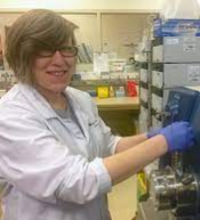
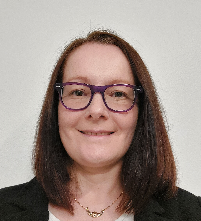
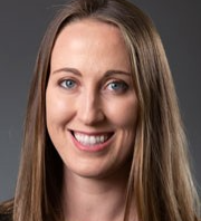
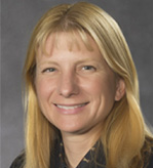
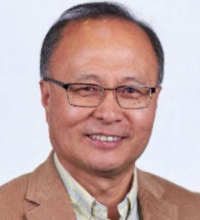
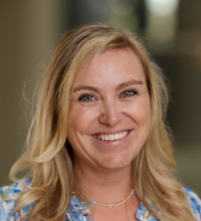
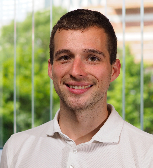
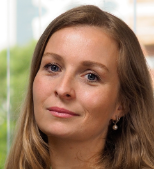
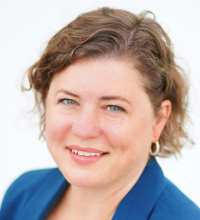

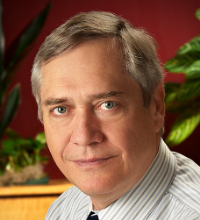
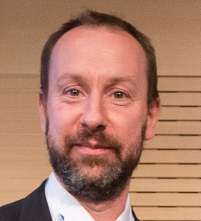
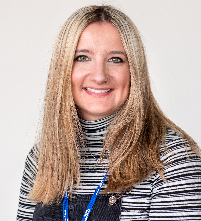
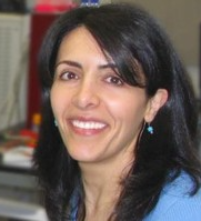
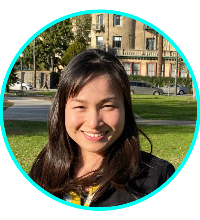
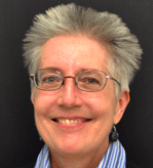
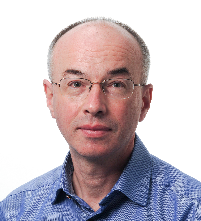
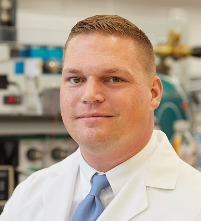
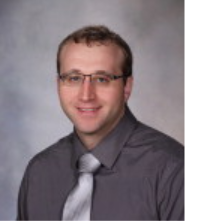
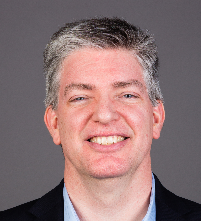
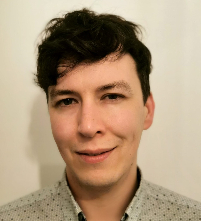
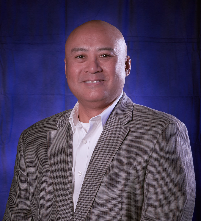

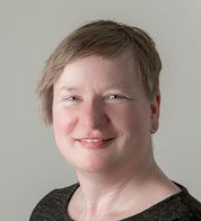
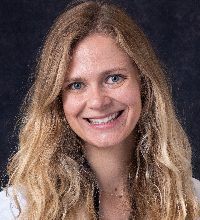
_Lin_459.png)
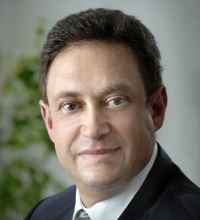

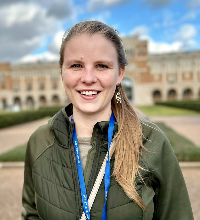

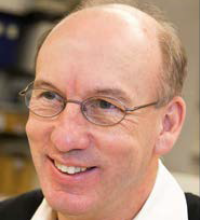


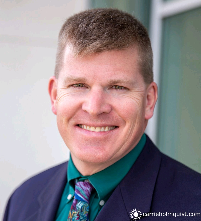


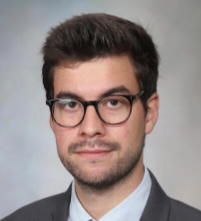
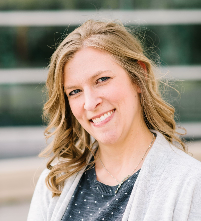
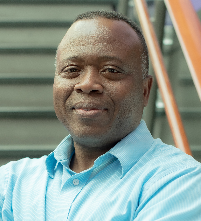
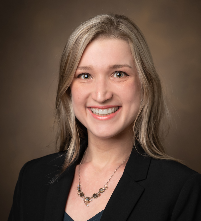
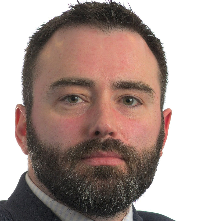

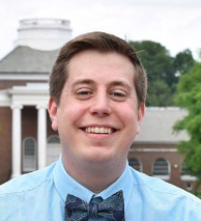


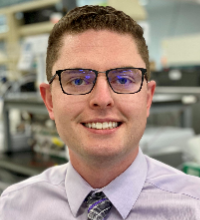




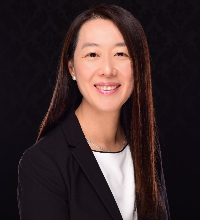
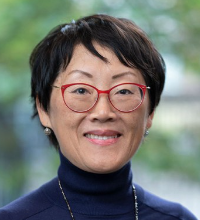
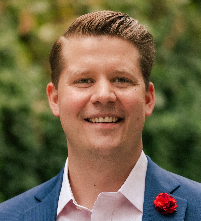
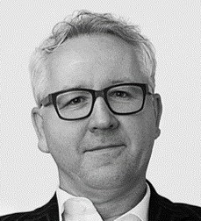
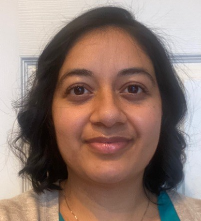
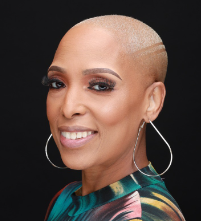
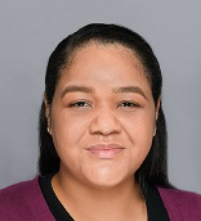
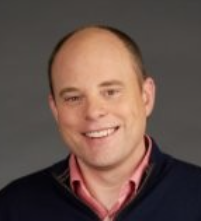
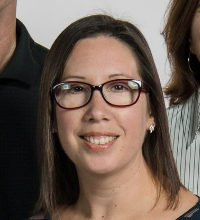
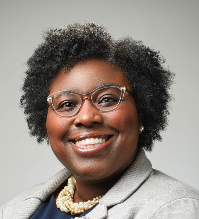
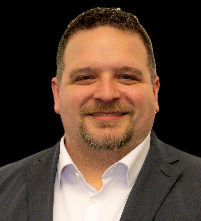
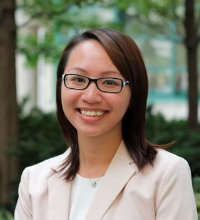
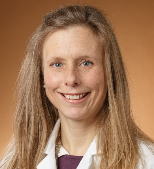


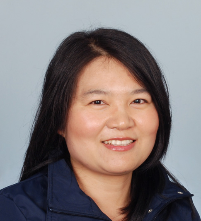
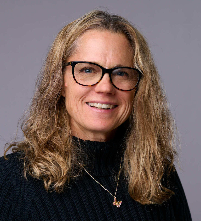
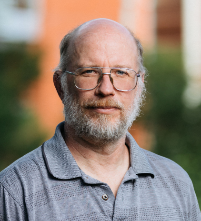

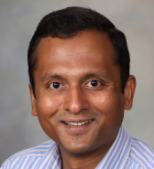
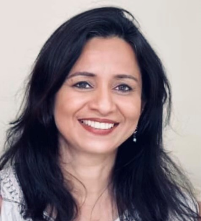
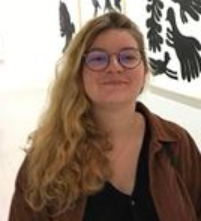

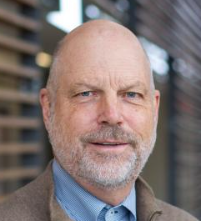
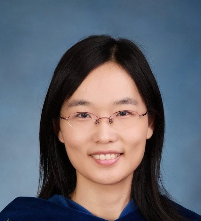

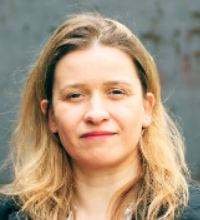
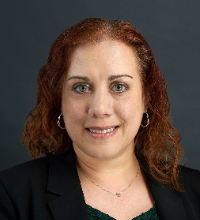
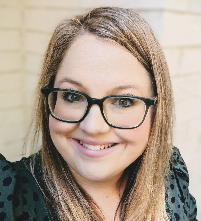
_Lin_459.png)