Pick-up your badge on the conference level then find breakfast, prior to your Short Course, in the room adjacent to the reg desk (Montreal 1-3) where you can touch base with other attendees.
840
1200
LC-MSMS 202 : Data Driven LC-MS Troubleshooting
Location: Montreal 5
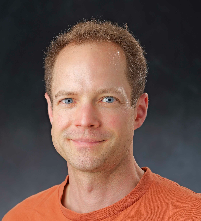
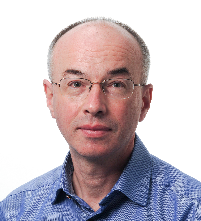
Will Thompson, PhD Move Analytical
Cofounder, Move Analytical LLC in 2025. Principal Scientist and Director of Life Science Business Development at 908 Devices Inc, from 2021-2025. Assistant Director of the Proteomics and Metabolomics Shared Resource at Duke School of Medicine from 2007 to 2021.
Relevant Financial Disclosures
(within past 24 months, reported on Apr 22, 2026)
Ownership Interest
Move Analytical LLC
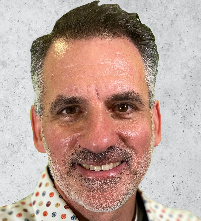
Susan Abbatiello, PhD Northeastern University
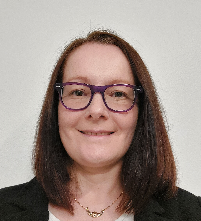
Susan Abbatiello earned a B.A. in Chemistry at The College of the Holy Cross. She worked for 5 years at Genetics Institute (Andover, MA) in the Biopharmaceutical Characterization and Analysis group before returning to graduate school. Susan earned her Ph.D. in Analytical Chemistry at the University of Florida, working under advisement of Drs. John Eyler and Nigel G. J. Richards, focusing on the quantitation of a protein suspected to play a role in drug-resistant acute lymphoblastic leukemia. Susan worked as a post-doc in the Clinical Proteomics facility at the University of Pittsburgh for Dr. Thomas P. Conrads, where she continued efforts in targeted proteomics research with a focus on cancer. In 2008, Susan moved to the role of Scientist in the Proteomics Platform at the Broad Institute (Dr. Steven Carr), where she served as co-chair of the NCI CPTAC (National Cancer Institute Clinical Proteomics Technology Assessment for Cancer) working group to evaluate stable isotope dilution selected reaction monitoring for the quantitation of plasma proteins related to cancer. In 2014, Susan transitioned to the role of Triple Quadrupole Product Specialist at Thermo Fisher Scientific and took on the responsibilities of FAIMS Product Manager in 2015. In 2018, Susan transitioned to the role of Executive Director of the Barnett Institute for Chemical and Biological Analysis, overseeing the Mass Spectrometry Core Lab. In 2020, she accepted the position of Interim Director of the Barnett Institute, while continuing the MS Core Lab responsibilities.
Susan’s research interests include evaluation and making improvements in technologies for the targeted analysis and detection of biomarker candidates in blood, tissue, and cell samples. Her efforts have focused on improving accessibility and performance of mass spectrometric technologies and software, to help broaden its impact in basic, biomedical, and analytical research. Her work has resulted in over one dozen peer-reviewed publications as well as invited presentations at national conferences.
Susan has been a member of ASMS since 2002. She has participated in poster abstract evaluation and has organized and chaired oral sessions and served on the program committee for ASMS Conferences. Susan has been a short-course instructor for the ASMS short course “Practical LC-MS Troubleshooting and Maintenance” since 2013. She served as the Vice President of Arrangements for ASMS from 2017-2019. Susan is also a member of ACS, is a reviewer for Analytical Chemistry, Journal of Proteome Research, Nature, and is currently on the Editorial Board of Molecular & Cellular Proteomics.
On a personal note, Susan has been married to Russell Abbatiello for 23 years and they have a 10 year old daughter, Madeline, and a 7 year old son, James. They enjoy dressing up for Halloween as a family affair, and have attempted to replicate characters from Frozen, The Incredibles, Toy Story 4, and Despicable Me.
Relevant Financial Disclosures
(within past 24 months, reported on Oct 07, 2025)
Not yet reported.
840
1200
Isotopes 101 : Modern Isotope Ratio Analysis for Biomedical Research and Clinical Diagnostics
Location: Montreal 6
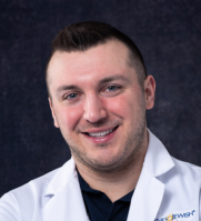
Cajetan Neubauer University of Colorado, Boulder
The frontiers of metabolomics & proteomics are finally merging with isotope ratio mass spectrometry, opening exciting new opportunities in our understanding of biological systems.
My lab at the University of Colorado Boulder helps pioneer related novel molecular measurements based on soft-ionization isotope ratio mass spectrometry. These advances can be used to study natural stable isotope fingerprints in metabolites, drugs, or small inorganic ions for a fascinating range of cross-disciplinary applications in life and earth sciences.
To achieve our longterm goal of making natural isotope patterns universally useful, we combine expertise in metabolomics and proteomics with advanced concepts of high precision stable isotope analysis from geochemistry.
Relevant Financial Disclosures
(within past 24 months, reported on Jan 14, 2026)
No relevant financial relationship(s) to disclose.
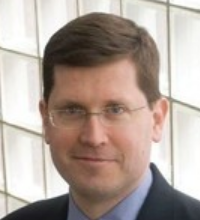
Dwight Matthews, Ph.D. University of Vermont
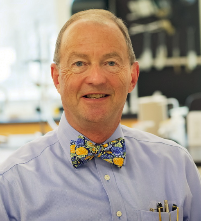
Prof. Matthews received his PhD degree in 1977 in Analytical Chemistry from Indiana University with a focus in mass spectrometry. For his Ph.D. thesis he developed the first gas chromatograph-combustion-isotope ratio mass spectrometer (GC-C-IRMS). He then began his career at Washington University School of Medicine in St. Louis in the Department of Medicine where he developed stable isotope tracer methods to study in vivo amino acid metabolism in humans centered around gas chromatography-mass spectrometry (GC-MS). Several of these methods are commonly used by investigators today. In 1986 he moved to Cornell University Medical College in New York City as a tenured Associate Professor of Biochemistry in Medicine and Surgery to continue studies of metabolism. Here his focus broadened to include studies of metabolism in conditions found commonly in surgical metabolism and energy metabolism using doubly labeled water measured by IRMS. He also directed the Core Laboratories of the General Clinical Research Center. In 1996 he moved to the University of Vermont (UVM) as a Professor of Medicine in the College of Medicine and as a Professor of Chemistry in the College of Arts and Sciences. At UVM he directed core laboratories related to mass spectrometry for the Clinical Research Center, the Vermont Genetics Network Proteomics Core Laboratory, and the Mass Spectrometry Core Laboratory in Immunobiology. During this period, he developed new proteomics methods using liquid chromatography-mass spectrometry (LC-MS) with a focus on precise measurement of stable isotopic enrichments in proteins and peptides. From 2002-2014, he was Chair of the Department of Chemistry at UVM and named the Pomeroy Professor of Chemistry. In 2019, Matthews became a Professor Emeritus of Chemistry and Medicine at UVM, but continues his research activities. Professor Matthews is a world-renown expert in the development of stable isotope tracer techniques to study metabolism in humans. He has published over 175 papers in a range of peer-reviewed journals and over 75 contributions to symposia and chapters in books, and has an H-index of 85.
Relevant Financial Disclosures
(within past 24 months, reported on Jan 14, 2026)
No relevant financial relationship(s) to disclose.
Anna Bitzer, B.S. Mayo Clinic
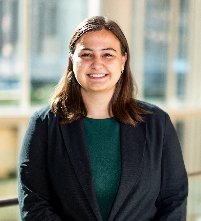
My scientific and educational background is in chemistry and laboratory science. I earned a Bachelor of Science degree in chemistry from Hamline University in Saint Paul, MN. Shortly after, I began working for the clinical Metals Laboratory at Mayo Clinic where I was introduced to and quickly became fascinated with Inductively Coupled Plasma Mass Spectrometry (ICP-MS) and the world of metals analysis in biological samples. Since then, I have worked my way up in the Metals Laboratory to a senior developer position, where I have gained experience developing and helping implement many laboratory developed tests (LDTs) on various ICP-MS platforms. I believe that multidisciplinary research is the key to meaningful scientific breakthrough, and am lucky to have the opportunity to collaborate with colleagues across departments at Mayo Clinic on research projects, conference presentations, and publications.
Relevant Financial Disclosures
(within past 24 months, reported on Feb 27, 2026)
No relevant financial relationship(s) to disclose.
840
1200
LC-MSMS 101 : Getting Started with Quantitative LC-MSMS in the Diagnostic Laboratory
Location: Montreal 7-8
Deborah French, PhD, DABCC (CC, TC), FADLM UCSF
Deborah French Ph.D., DABCC (CC, TC), FADLM is a Director of Chemistry and the Director of Mass Spectrometry at the University of California San Francisco Health Clinical Laboratories. Her work currently focuses on the development and validation of LC-MS/MS assays for small molecules, specifically therapeutic drug monitoring, steroid hormones and toxicology. Deborah received her Ph.D. in biochemistry from the University of Strathclyde in Glasgow, Scotland and then completed a postdoctoral fellowship at St. Jude Children’s Research Hospital in Memphis, TN. She subsequently completed a ComACC Clinical Chemistry postdoctoral fellowship under the direction of Dr Alan Wu at the University of California San Francisco and is now board certified in Clinical Chemistry and Toxicological Chemistry by the American Board of Clinical Chemistry.
Relevant Financial Disclosures
(within past 24 months, reported on Feb 27, 2026)
Consultant Fees
ARK Diagnostics, Roche Diagnostics (ended)
Jacqueline Hubbard, PhD, DABCC Beth Israel Deaconess Medical Center, Harvard Medical School
Jacqueline Hubbard received her BS degree in Biochemistry from the University of Vermont. She then earned her MS and PhD in Biochemistry and Molecular Biology from the University of California, Riverside (UCR). Following a one year postdoc at UCR, Dr. Hubbard completed a Fellowship in Clinical Chemistry at the University of California, San Diego Health. She is board certified in Clinical Chemistry by the American Board of Clinical Chemistry. After fellowship, she took a position as an Assistant Professor in the Department of Pathology and Laboratory Medicine at the Geisel School of Medicine at Dartmouth and as the Assistant Director of Clinical Chemistry at Dartmouth-Hitchcock Medical Center. There, she focused on developing and validating drugs of abuse assays and SARS-CoV-2 serology testing. Next, she briefly served as a Lab Director for a small reference laboratory in PIttsburgh, PA. She then joined Beth Israel Deaconess Medical Center as the Co-Director of Clinical Chemistry and Director of Toxicology in 2024. She is also an Assistant Professor of Pathology for Harvard Medical School. Her research focus still includes mass spectrometry method development and toxicology test interpretation.
Relevant Financial Disclosures
(within past 24 months, reported on Mar 08, 2026)
No relevant financial relationship(s) to disclose.
Grace van der Gugten, B.Sc. Chemistry Provincial Health Services Authority, BCCDC Toxicology Lab
Grace discovered her love for clinical mass spectrometry when she began working at St Paul's Hospital in Vancouver in the special chemistry mass spec group with Dr. Dan Holmes in late 2010. Grace was challenged in this role but gained a wealth of knowledge and experience over her 10+ years in the SPH laboratory. She puts this experience and knowledge into use in her current role as Mass Spectrometry Lab Scientist in the Toxicology Lab at the BCCDC in Vancouver, BC. Grace loves developing streamlined, easy to use (if possible!) clinical mass spectrometry assays; teaching others and helping others succeed; and troubleshooting (especially when the problem is solved!).
Relevant Financial Disclosures
(within past 24 months, reported on Mar 05, 2026)
No relevant financial relationship(s) to disclose.
900
1220
Short Course Coffee Breaks
Location: Montreal 1-3
900
1220
Leadership 101 : Clinical MS Quality Improvement, Regulations, and Risk Management in Action
Dr. Budelier is the Section Chief and Medical Director of Clinical Chemistry and Toxicology at TriCore Reference Laboratories and Clinical Assistant Professor of Pathology at the University of New Mexico. She is also the CLIA laboratory director of TriCore's core laboratory. Her research interests are broadly focused on developing clinically useful, mass spectrometry-based assays to improve diagnosis and treatment of human disease. Her expertise are in Toxicology/TDM, assay development and validation, and protein quantification.
Relevant Financial Disclosures
(within past 24 months, reported on Feb 27, 2026)
Washington Univ - Patents (Methods for Detecting Neurofilament Light Chain in Plasma and Cerebrospinal Fluid; Multiplexed Assay for Amyloidosis Disorders); Tech licensed by WashU to C2N Dx
Alejandro Molinelli, PhD St. Jude Children's Research Hospital
Alejandro Molinelli, PhD is Director of the Clinical Pharmacokinetics Laboratory in the Department of Pharmacy and Pharmaceutical Sciences at St. Jude Children's Research Hospital. His duties include clinical consultancy, technical and regulatory oversight of the laboratory, and method development and validation. Dr. Molinelli also serves as a Clinical Chemist Consultant with the Department of Pathology at St. Jude. Prior to joining St. Jude Dr. Molinelli completed a Clinical Chemistry Fellowship at the University of Washington in Seattle; obtained his PhD in toxicology at the University of North Carolina at Chapel Hill; and bachelor’s and master’s degrees in biology and biochemistry at the University of Puerto Rico. Dr. Molinelli’s professional interests include therapeutic drug monitoring, clinical toxicology, and quality improvement.
Relevant Financial Disclosures
(within past 24 months, reported on Feb 03, 2025)
No relevant financial relationship(s) to disclose.
Prof. Dr. med. Michael Vogeser University Hospital, LMU Munich
Dr. Michael Vogeser, MD, is specialist in Laboratory Medicine and senior physician at the Hospital of the University of the Ludwig-Maximilians-University Munich, Germany (LMU; Institute of Laboratory Medicine). As an Associate Professor he is teaching Clinical Chemistry and Laboratory Medicine. The main scope of his scientific work is the application of mass spectrometric technologies in routine clinical laboratory testing as translational diagnostics. Besides method development in therapeutic drug monitoring and endocrinology a further particular field of his work is quality and risk management in mass spectrometry and in clinical testing in general. Michael has published >240 articles in peer reviewed medical journals. Michael heads the Commission for In Vitro Diagnostics in the German Association of Scientific Medical Societies (AWMF).)
Relevant Financial Disclosures
(within past 24 months, reported on Mar 30, 2026)
Not yet reported.
900
1220
Data Science 101 : Breaking Up with Excel and Rebounding with R and Claude
Location: Outremont 5
Daniel Holmes, MD, FRCPC St. Paul’s Hospital
Daniel Holmes did his undergraduate training in Chemistry and Physics at the University of Toronto before deciding to pursue medicine as a career. He attended medical school at the University of British Columbia where pathology became his area of major interest. The strong influence of his academic mentors led him to enter the Medical Biochemistry residency training program at UBC. This allowed him to use his background knowledge of chemistry in application to medicine. Areas of clinical interest are diagnostic lipidology/endocrinology and research interests are in the utilization of mathematics and computer diagnostics to laboratory medicine.
Relevant Financial Disclosures
(within past 24 months, reported on Feb 27, 2026)
Honorarium/Expenses
Novo Nordisk (ended)
Nicholas Spies, MD University of Utah, ARUP Laboratories
Nick Spies, MD, is a bioinformatician-turned-laboratorian who is a medical director in the Applied Artificial Intelligence group within ARUP laboratories' Division of Research and Innovation. He is focused on applying analytical techniques to improve the way we detect laboratory errors, and hopes to spread the good word of data science and machine learning within the laboratory medicine community.
Relevant Financial Disclosures
(within past 24 months, reported on Apr 30, 2026)
Not yet reported.
900
1220
Data Science 203 : Machine Learning : A Gentle Introduction
Location: Outremont 6
Stephen Master, MD, PhD, FADLM Children's Hospital of Philadelphia
Stephen Master received his undergraduate degree in Molecular Biology from Princeton University, and subsequently obtained his MD and PhD from the University of Pennsylvania School of Medicine. After residency in Clinical Pathology at Penn, he stayed on as a faculty member with a research focus in mass spectrometry-based proteomics as well as extensive course development experience in bioinformatics. After time as an Associate Professor of Pathology and Laboratory Medicine at Weill Cornell Medicine in New York City, where he served as Director of the Central Lab and Chief of Clinical Chemistry Laboratory Services, he took a position at the Children's Hospital of Philadelphia as Chief of Lab Medicine. One of his current interests is in the applications of bioinformatics and machine learning for the development of clinical laboratory assays. He would play with R for fun even if he weren't getting paid, but he would appreciate it if you didn't tell that to his department chair.
Relevant Financial Disclosures
(within past 24 months, reported on Feb 27, 2026)
Randy Julian is the Founder and CEO of Indigo BioAutomation. Randy earned a Ph.D. in Chemistry from Purdue University. Dr. Julian worked for 14 years at Eli Lilly using mass spectrometry in natural product drug discovery, high throughput screening for RNA anti-viral compounds, and proteomics and metabolomics in animal models. Randy founded Indigo as a spin-out of Lilly. Indigo develops software that uses machine learning techniques to automatically analyze data from laboratories world-wide. Indigo's technology also drives new stand-alone medical devices, bringing advanced data analysis to every level of the clinical lab. Dr. Julian is also is an Adjunct Professor of Chemistry at Purdue.
Relevant Financial Disclosures
(within past 24 months, reported on Feb 27, 2026)
Stock/Bonds
Indigo BioAutomation, Inc.
Salary
Indigo BioAutomation, Inc.
900
1220
Data Science 301 : Intro to Deep Learning : From Neurons to Transformers
Location: Outremont 7
Lixing Song, Ph.D. Indigo BioAutomation, Inc
Lixing currently serves as an Associate Professor in the Department of Computer Science and Software Engineering at Rose-Hulman Institute of Technology. He also works as a Research and Development Engineer at Indigo BioAutomation Inc. His primary research centers on foundational AI model applications for scientific data. His past research experience spans a variety of domains, including wireless networking, autonomous vehicles, and data-driven multidisciplinary research.
Relevant Financial Disclosures
(within past 24 months, reported on Feb 27, 2026)
Salary
Indigo BioAutomation, Inc.
1220
1420
Short Course Lunch Break
Location: Your Choice
Your choice! This non-MSACL sponsored meal break is your chance to explore the culinary delights within the city of Montreal. MSACL recommendations.
Timeout Market is a good balance of proximity, ease and quality -- and a great option if flying solo.
1400
1740
Short Course Coffee Breaks
Location: Montreal 1-3
1420
1740
LC-MSMS 203 : Validation of Quantitative LC-MS/MS Assays for Clinical and Academic Use
Location: Montreal 4
Claire Knezevic, PhD Lurie Childrens Hospital
Dr. Claire Knezevic is a clinical chemist in the Department of Pathology and Laboratory Medicine at Lurie Children's Hospital with a focus on chemistry, point-of-care testing, quality improvement, drug monitoring, and personalized medicine. She is an Associate Professor in Northwestern's Feinberg School of Medicine in the Department of Pathology. Her interests include all things small molecule, from toxicology to therapeutic drug monitoring and their impacts on clinical care.
Relevant Financial Disclosures
(within past 24 months, reported on Mar 06, 2026)
No relevant financial relationship(s) to disclose.
Hsuan-Chieh (Joyce) Liao, PhD, DABCC University of Washington
Dr. Joyce Liao was a medical laboratory scientist in the newborn screening lab and obtained her Ph.D. degree in Clinical Medicine. She completed postdoctoral fellowship training in Clinical Chemistry at the University of Washington and Seattle Children’s Hospital. She is a board-certified Clinical Chemist and now serves as Chemistry Director at Harborview Medical Center. She continues to focus on the translation of the analytical power of mass spectrometry to real clinical applications. Her interests include toxicology, mass spectrometry, and laboratory utilization.
Relevant Financial Disclosures
(within past 24 months, reported on Sep 23, 2025)
No relevant financial relationship(s) to disclose.
Joshua Hayden, PhD, DABCC, FACB Cleveland Clinic
Joshua is currently the Section Head of Clinical Biochemistry at Cleveland Clinic. He earned his PhD in chemistry from Carnegie Mellon University. He conducted postdoctoral research at Massachusetts Institute of Technology before completing a two-year clinical chemistry fellowship at University of Washington and 4 years as Assistant Professor at Weill Medical College. Joshua has special expertise developing and overseeing mass spectrometry assays in the clinical laboratory.
Relevant Financial Disclosures
(within past 24 months, reported on Feb 27, 2026)
Honorarium/Expenses
Thermo (speaker)
Committee/Board/Advisory Board
BioPorto (ended)
1420
1740
LC-MSMS 202 : Data Driven LC-MS Troubleshooting
Location: Montreal 5
1420
1740
Isotopes 101 : Modern Isotope Ratio Analysis for Biomedical Research and Clinical Diagnostics
Location: Montreal 6
1420
1740
LC-MSMS 101 : Getting Started with Quantitative LC-MSMS in the Diagnostic Laboratory
Location: Montreal 7-8
1420
1740
Automation 201 : Streamlining Clinical Analysis through Efficient Workflow Integration
Location: Westmount 4
Evan McConnell, PhD Labcorp
Relevant Financial Disclosures
(within past 24 months, reported on Feb 27, 2026)
Stock/Bonds
Labcorp
Salary
Labcorp
Matthew Campbell, PhD Labcorp
Relevant Financial Disclosures
(within past 24 months, reported on Feb 27, 2026)
Salary
Labcorp
1440
1800
Sample Prep 101 : Sample Preparation and Alternative Matrices for LC-MS Assays
Location: Outremont 1
William Clarke, PhD, MBA, DABCC Johns Hopkins University School of Medicine
Dr. Clarke received his Ph.D. in Analytical Chemistry from the University of Nebraska in Lincoln in 2000, followed by a post-doctoral fellowship in Clinical Chemistry at the Johns Hopkins School of Medicine, ending in 2002. In addition, he received an MBA focused on medical services management from the Carey School of Business at Johns Hopkins in 2007. Following his post-doctoral fellowship, he remained at Johns Hopkins, where he is a Professor in the Department of Pathology, as well as the director of Point-of-Care Testing, Reference Toxicology, and Phlebotomy for the hospital. He also serves as the Vice-Chair for Quality and Regulatory Affairs in the Department of Pathology. His research interests include clinical mass spectrometry, method development and evaluation for therapeutic drug monitoring, clinical toxicology, point-of-care testing, and development/validation of biomarkers for use in drug management. Dr. Clarke has published as author or co-author over 170 peer-reviewed manuscripts or book chapters, and is the Co-Editor of the textbook Contemporary Practice in Clinical Chemistry.
Relevant Financial Disclosures
(within past 24 months, reported on Feb 27, 2026)
Consultant Fees
Roche
Grant/Research Support
Thermo Fisher, Danaher, Roche
Committee/Board/Advisory Board
Roche, Truvian
Mark Marzinke, PhD, DABCC, FAACC Johns Hopkins University School of Medicine
Dr. Mark Marzinke is Professor of Pathology and Medicine in the Johns Hopkins University School of Medicine. He is board-certified in Clinical Chemistry by the American Board of Clinical Chemistry. He serves as the Director of the General Chemistry Laboratory at the Johns Hopkins Hospital and the Clinical Pharmacology Analytical Laboratory within the Division of Clinical Pharmacology. Dr. Marzinke is Co-Principal Investigator (PI) of the HIV Prevention Trials Network (HPTN) Laboratory Center (LC) and is the Director of the Clinical Laboratory Core for the Johns Hopkins Center for AIDS Research. His primary research interests are in the areas of antiretroviral pharmacology, HIV prevention science, mass spectrometry, pharmacogenetics and precision medicine, and laboratory automation. Dr. Marzinke has an active research program and serves as a principal investigator (PI) or co-investigator on a number of grants. He has collaborated on research to better characterize the multi-compartment pharmacology of antiretroviral agents when administered using alternative drug delivery systems using liquid chromatographic-mass spectrometric approaches. He has published more than 180 peer-reviewed articles, and holds leadership positions in several societies.
Relevant Financial Disclosures
(within past 24 months, reported on Mar 06, 2026)
No relevant financial relationship(s) to disclose.
1440
1800
Leadership 101 : Clinical MS Quality Improvement, Regulations, and Risk Management in Action
Location: Outremont 3
1440
1800
Data Science 101 : Breaking Up with Excel and Rebounding with R and Claude
Location: Outremont 5
1440
1800
Data Science 203 : Machine Learning : A Gentle Introduction
Location: Outremont 6
1440
1800
Data Science 301 : Intro to Deep Learning : From Neurons to Transformers
Location: Outremont 7
1740
1930
Short Course Welcome Dinner
Location: Montreal 1-3
An informal dinner for Short Course attendees and sponsors. If you are arriving later because your course begins Monday morning, note that dinner will be served through 7:30pm, at the latest.
1930
2200
MSACL Networking Lounge
Location: Salon Bonaventure, Hotel Level
All conference attendees are welcome to close out the evening. MSACL will host snacks and drinks (requires token - pick up tokens at the door or from MSACL Staff). Must be wearing your badge to attend (badge pick up closes at 7:30pm). Drinks will be available through 10:00pm. The Lounge includes a pleasant outdoor patio along a stream and among some small trees and shrubbery, which may be enjoyable should we have nice weather. Open to all conference registrants.