Total Contact Hours: 12.00 (Ten-minute breaks occur after each full instructional hour when another hour follows. Breaks are excluded from contact hour calculations.)
---------------
Pre-requisites
General knowledge of lab operations, assay development, and programming concepts.
Overview
This course helps participants build a clear, pragmatic understanding of how automation technologies can streamline lab workflows, improve efficiency, and support better patient outcomes. A common challenge in many laboratories is knowing where to begin with automation and how to select the right tools; this course addresses both. Through practical examples, participants will identify high-impact opportunities for automation across sample handling, analysis, and reporting, with an emphasis on improving accuracy and reducing process variability.
This year’s course expands its focus on electronic data flow within clinical labs. Participants will learn widely used approaches for connecting analytical instruments with data management systems, enabling more efficient workflows, better traceability, and greater confidence in test results. We will demonstrate how thoughtful automation and data integration can minimize risk and support consistent, reliable outcomes.
By the end of the course, participants will be prepared to apply automation strategies in their own labs to optimize workflows and strengthen overall performance. Key topics include automated liquid handling systems, software development, and human-centered design principles. Above all, this course aims to empower participants to make confident, informed automation decisions. It is especially valuable for teams evaluating automation options or seeking to improve workflow consistency and data reliability.
Topics Covered
Both instructors will collaboratively teach the following topics:
The typical clinical lab – manual & automated workflows.
Principles of automated liquid handling – advantages & best practices.
Programming basics – how to make computers do work for you.
Integrating equipment – enabling data flow between distinct systems.
Human-centered design – reducing common errors & ensuring reproducibility.
Tying it all together – reports & dashboards.
Objectives:
At the conclusion of this short course, the participant will be able to:
Define the key components of clinical lab workflows and automation.
Identify capabilities of automated liquid handling systems and troubleshooting strategies.
Outline the flow of electronic data and integration of data management systems.
Recommend systems and programs available to automate processes.
Construct an automation toolbox to optimize lab workflows.
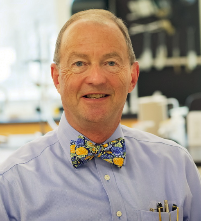
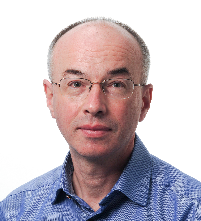
Chris Shuford, Ph.D., is Associate Vice President and Technical Director for research and development at Laboratory Corporation of America in Burlington, North Carolina. Chris received his B.S. in Chemistry & Physics at Longwood University and obtained his Ph.D. in Bioanalytical Chemistry from North Carolina State University under the tutelage of Professor David Muddiman, where his research focused on applications of nano-flow chromatography for multiplexed peptide quantification using protein cleavage coupled with isotope dilution mass spectrometry (PC-IDMS). In 2012, Chris joined LabCorp’s research and development team where his efforts have focused on development of high-flow chromatographic methods (>1 mL/min) for multiplexed and single protein assays for clinical diagnostics.
Relevant Financial Disclosures
(within past 24 months, reported on Feb 27, 2026)
Stock/Bonds
Laboratory Corporation of America
Salary
Laboratory Corporation of America
Andy Hoofnagle, MD, PhD University of Washington
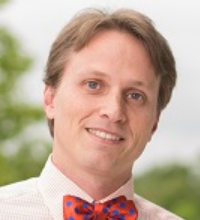
Dr. Hoofnagle's laboratory focuses on the precise quantification of recognized protein biomarkers in human plasma using LC-MRM/MS. In addition, they have worked to develop novel assays for the quantification of small molecules in clinical and research settings. His laboratory also studies the role that the systemic inflammation plays in the pathophysiology of obesity, diabetes, and cardiovascular disease.
Relevant Financial Disclosures
(within past 24 months, reported on Feb 27, 2026)
Grant/Research Support
Waters, Inc.
Cory Bystrom, PhD Ultragenyx
Relevant Financial Disclosures
(within past 24 months, reported on Feb 27, 2026)
Total Contact Hours: 9.00 (Ten-minute breaks occur after each full instructional hour when another hour follows. Breaks are excluded from contact hour calculations.)
---------------
Pre-requisites
None.
Overview
The main goal of this course is to provide an interactive forum in which attendees will be introduced to critical aspects of clinical protein measurements.
The topics of this course will be templated on the framework of CLIS guidance document, C64: Quantitative Measurement of Proteins and Peptides by Mass Spectrometry.
The motivation for using mass spectrometry to quantify proteins in clinical research and in clinical care will be discussed as part of this interactive workshop. Technical topics uniquely affecting quantitative protein and peptides measurements by mass spectrometry will be a point of emphasis. Case studies from assay inception through validation will be presented and participants will work interactively to critique various aspects of clinical proteomic measurements.
Topics Covered
Protein vs Peptide Measurands
Workflows
Sample Preparation (Digestion & Enrichment)
Internal standards
Calibration
Validation
Quality control
Objectives
At the conclusion of this short course, the participant will be able to:
Describe the holistic process of delivering a clinically relevant mass spectrometry based protein/peptide assay from inception to validation.
Recognize the factors in assay development that are unique to proteins and peptides in comparison to traditional small molecule assays.
Use guidance documents in conjunction with rigorous experimental design to support fit-for-purpose method development strategies.
2549
Clinical Proteomics 202 : MS-based Precision Diagnostics by Molecular Protein Analysis @ Westmount 5
Renee Ruhaak, PhD LUMC
Renee Ruhaak holds a PhD from the Leiden University Medical Center (LUMC, supervisor Prof. M. Wuhrer) and did a post-doc at UC Davis in the lab of Prof. C.B. Lebrilla prior to joining the department of Clinical Chemistry and Laboratory Medicine at the LUMC. She is currently an associate professor with a research focus on the application of mass spectrometry within the clinical setting. This entails both development and implementation of quantitative protein mass spectrometry, as well as the role of mass spectrometry in metrology and test standardization.
Relevant Financial Disclosures
(within past 24 months, reported on Feb 27, 2026)
Total Contact Hours: 9.00 (Ten-minute breaks occur after each full instructional hour when another hour follows. Breaks are excluded from contact hour calculations.)
---------------
Pre-requisites
A background in quantitative proteomics is helpful but not required. You will need to know the principles of LC and QQQ analysis through multiple reaction monitoring.
Overview
Did you know proteins may exist in hundreds of molecular proteoforms? And that each specific proteoform may have different functionality, potentially leading to a pathophysiological clinical phenotype ? How could we measure such proteoforms using mass spectrometry? And how could measurement of proteoforms aid in precision diagnostics?
This course explains what proteoforms are, and why they may be relevant to measure in a medical laboratory. Real-lab examples of proteoforms known to affect the patients’ health status are used and you are guided through the potential methods on identifying and characterizing proteoforms with multiple-reaction-monitoring MS. The course starts off with the rationale on when and how to develop new diagnostic tests, followed by the explanation of the diversity in proteoforms, focusing on proteoforms caused by mutations and PTM-induced proteoforms. A discussion on quality related aspects of proteoforms in relation to medical tests concludes the short course. In the end, the aim is to provide the knowledge necessary to apply proteoform analysis by MS in your own (clinical) laboratory.
The course will consist of theoretical background, examples of applications and interactive sessions. A background in quantitative proteomics is helpful but not required. You will need to know the principles of LC and QQQ analysis through multiple reaction monitoring. At the end of the course, you will know why molecular protein analysis could be beneficial and how you can apply it in your laboratory.
Syllabus
Rationale for the quantification of proteoforms
Development of clinical chemistry tests based on test evaluation framework
Know when and how to develop new clinical chemistry tests
Understand precision diagnostics and personalized medicine
Know how to implement new tests into the clinical care pathway
What are proteoforms and why measure them
What alterations may affect proteins (PTMs, mutations, splicing)
Understand that proteoforms can affect traditional test results
Understand that proteoforms can affect clinical phenotype
Interactive session 1
Strategies for the identification and quantification of proteoforms in clinical samples
How to quantify proteins in biofluids
Know the basics of protein quantitation using LC‑MRM‑MS
Bottom‑up proteomics
Transition development
Protein digestion
Internal standardization
How to identify and quantify proteoforms in a targeted manner
Know strategies for targeted analysis of proteoforms
Understand the pros and cons of a targeted approach
Know how to apply this in practice
Interactive session 2
Advanced topics
How to identify proteoforms – PTMs
Know the various PTMs that may cause proteoform variation
Know how to adapt an MRM method to quantify these PTMs
Quality controls, calibration & standardization
Know how to select quality control materials for clinical proteoform tests
Understand considerations for selection of calibrators for proteoform tests
Know the concept of standardization of clinical chemistry tests and the potential impact of proteoforms on standardization
Interactive session 3
Objectives
At the conclusion of this short course, the participant will be able to:
Describe what proteoforms are and discuss why they may be relevant to quantify.
Discuss and illustrate how the analysis of proteoforms will contribute to precision diagnostics and how clinical care pathways may be altered based on molecular protein measurements.
Demonstrate how to discriminate proteoforms using multiple-reaction-monitoring mass spectrometry.
Evaluate molecular MS data and provide answers for laboratory specialists.
Describe how to ensure performance and quality of proteoform-based tests.
2702
Data Science 100 : Data Literacy @ Outremont 4
Shannon Haymond, PhD Northwestern University Feinberg School of Medicine
My lab performs research and clinical testing using mass spectrometry methods, develops new assays, and applies data analytics to enable improved quality and efficiency. My computational pathology efforts are aimed at building the capacity for advanced data analytics in the department through innovations in infrastructure, education, and research to facilitate data-informed decision making for clinical care, operations, and quality assurance.
Relevant Financial Disclosures
(within past 24 months, reported on Feb 27, 2026)
Committee/Board/Advisory Board
Roche Diagnostics (ended)
Patrick Mathias, MD, PhD University of Washington
Patrick Mathias, M.D., Ph.D., is a board-certified clinical pathologist and Associate Director of Informatics for UW Laboratory Medicine.
Lab medicine has large impact on the general practice of medicine. It is key to correctly diagnosing diseases and selecting the right treatments for patients. Dr. Mathias's goal is to combine technical and medical knowledge to fulfill the triple aim--reduce the per capita cost of health care, improve the health of populations and most importantly improve the patient experience of care.
Dr. Mathias earned his M.D. and Ph.D. from the University of Illinois. His clinical and research interests include clinical informatics, clinical chemistry and molecular diagnostics.
Relevant Financial Disclosures
(within past 24 months, reported on Feb 27, 2026)
Stock/Bonds
Amgen, Corcept Therapeutics, Monte Rosa Therapeutics
Total Contact Hours: 9.00 (Ten-minute breaks occur after each full instructional hour when another hour follows. Breaks are excluded from contact hour calculations.)
---------------
Pre-requisites
None.
Overview
Data literacy, or the ability to read, understand, create, and communicate data in context, has become a foundational skill set across a wide number of fields. Computational thinking is focused on solving problems in a way that a computer would. Its core concepts are decomposition, pattern recognition, abstraction, and algorithmic design. While a variety of roles throughout research and clinical laboratory practice frequently interact with data and increasingly have access to data science tools with a need to evaluate such technologies and use them to create solutions, courses that cover the fundamental concepts of data literacy and computational thinking are not commonly required in undergraduate, graduate, or postgraduate training programs. Though now incorporated into K-12 education, the current clinical laboratory workforce and trainees have largely missed this instruction. These skills are critical for understanding and using digital technologies and advanced computational approaches to develop automated solutions and validate their performance or effectiveness. Broader access to data and informatic technologies, including no-code and low-code data science tools, AI-based chat technologies, and self-service analytics, has elevated the need for education in these areas. In this short course we will focus on fundamental concepts and best practices for working with and understanding data in a variety of contexts, including cleaning and managing data, visualizing data to communicate meaning, analyzing statistical plots to draw sound conclusions, and applying computational thinking concepts to work with and solve problems using programmatic and artificial intelligence-based solutions. Acquisition of key concepts will be supported with frequent case-based exercises and discussions and at least one representative data set per lesson will be used to support these interactive activities. Concepts will be taught using R, providing a very basic introduction to this programming language with strategies for using generative AI tools to assist coding. Attendees will be provided with working code examples but will be encouraged to attempt the exercises as well. This short course is intended as an introductory course to the data science track (i.e. before Data Science 101); however, as many of the concepts are not explicitly covered in other Data Science courses at MSACL, attendees who have previously taken other courses are welcome to join this course for formal coverage of these fundamentals.
Syllabus and Format
The course format will be interactive, with frequent case studies, exercises, and/or discussion to demonstrate how to apply the concepts as they are being learned. For each lesson at least one representative data set will be examined and/or analyzed. While basic concepts related to computer programming will be discussed and illustrated with coding exercises, writing code will not be required to demonstrate proficiency.
Basic concepts in data management and literacy
Instructor: Patrick Mathias Duration: 3 hours
Lesson Objectives
Describe the different types of analytics (i.e., descriptive, predictive, prescriptive).
Demonstrate how data science can augment expertise to draw robust conclusions and make better decisions.
Illustrate best practices for organizing data in spreadsheet-based (rectangular) formats for use in data analytics.
Compare and contrast different data types (e.g., numerical, categorical, timestamp, logical) used in data analytics.
Identify common problems associated with real world laboratory data (e.g., censoring, keystroke errors, missing values, varied formats) and methods to mitigate them.
Perform basic data cleaning and preparation steps to facilitate analysis.
Principles of data visualization
Instructor: Shannon Haymond Duration: 3 hours
Lesson Objectives
Describe at least 2 scenarios in which a plot is more effective than a table in demonstrating relationships between variables in a data set.
For each possible combination of data types, identify a type of plot that will effectively illustrate the relationship between two variables.
List 2 types of plots that can illustrate statistical uncertainty when comparing numeric values between groups.
Basic concepts in computational thinking
Instructors: Shannon Haymond / Patrick Mathias Duration: 3 hours
Lesson Objectives
Identify the key components of a complex problem and break it down into smaller, more manageable parts.
Use patterns to predict future outcomes or generalize solutions.
Create simplified models to represent complex systems.
Design step-by-step instructions or algorithms to solve a problem.
Describe basic coding concepts to better apply computational solutions.
Objectives
At the conclusion of this short course, the participant will be able to:
Apply best practices to managing data to support re-use and reproducibility.
Perform basic data validation, cleaning, and preparation for analysis.
Identify types of common data visualizations that are most appropriate given the types of data available and the goal of the analysis.
Develop computational thinking skills to more effectively utilize emerging digital technologies.
Use R to apply foundational programming concepts and employ generative AI tools to support and enhance coding workflows.
2750
Data Science 101 : Breaking Up with Excel and Rebounding with R and Claude @ Outremont 5
Daniel Holmes, MD, FRCPC St. Paul’s Hospital
Daniel Holmes did his undergraduate training in Chemistry and Physics at the University of Toronto before deciding to pursue medicine as a career. He attended medical school at the University of British Columbia where pathology became his area of major interest. The strong influence of his academic mentors led him to enter the Medical Biochemistry residency training program at UBC. This allowed him to use his background knowledge of chemistry in application to medicine. Areas of clinical interest are diagnostic lipidology/endocrinology and research interests are in the utilization of mathematics and computer diagnostics to laboratory medicine.
Relevant Financial Disclosures
(within past 24 months, reported on Feb 27, 2026)
Honorarium/Expenses
Novo Nordisk (ended)
Nicholas Spies, MD University of Utah, ARUP Laboratories
Nick Spies, MD, is a bioinformatician-turned-laboratorian who is a medical director in the Applied Artificial Intelligence group within ARUP laboratories' Division of Research and Innovation. He is focused on applying analytical techniques to improve the way we detect laboratory errors, and hopes to spread the good word of data science and machine learning within the laboratory medicine community.
Relevant Financial Disclosures
(within past 24 months, reported on Apr 30, 2026)
Total Contact Hours: 15.00 (Ten-minute breaks occur after each full instructional hour when another hour follows. Breaks are excluded from contact hour calculations.)
---------------
Pre-requisites
A relationship with Excel.
A sense of reliance on statisticians, bioinformaticians, and data scientists that you wish to be free of.
A willingness to become acquainted with effective use of personal knowledge and AI coding agents to get stuff done.
Overview
Does Excel lag on you when you open a file bigger than 1000 rows? Has it ever changed your data to a date against your will? Are you ready to jump right past Tableau and into the world of Data Science using a real programming language? Are you also ready to leverage coding agent super-powers so you can concentrate on the chemistry part?
Well, your wait is over because at MSACL we again will be offering a course for complete programming newbies that will help you get going analyzing real data related to LC-MS/MS assay development, validation, implementation and publication. As we can no longer deny the reality that coding agents are becoming indispensable to scientific productivity, we will be integrating the use of Claude Code into the course.
The only background expected is the ability to use a spreadsheet program. The skills you will acquire will allow you to take advantage of the many tools already available in the R language and thereafter, when you see that your spreadsheet program does not have the capabilities to do what you need, you will no longer have to burst into tears. You will also be able to take the concepts learned and immediately use them in other programming language paradigms.
The course will be run over two days and time will be evenly split between didactic sessions and hands-on problem solving with real data sets.
Obtaining the Software
*** It is recommended that you DOWNLOAD PROGRAM PACKAGES PRIOR TO ARRIVAL ONSITE. We will have open internet in the conference center, but this is intended for low bandwidth operations like email, so it might not work for large program packages. ***
Instructions for installing the R language are here: http://cran.r-project.org/
Instructions for installing RStudio are here: http://www.rstudio.com/
If you are a Claude subscriber it would be very helpful to have the Claude App or Claude Code installed on your device. If you are a subscriber to another AI service or want to just use web-based non-subscription support from GPT or Gemini, that works just fine.
Topics Covered
Navigating RStudio and Claude (or other agent).
Basics and Data Types
Matrices, Dataframes and Lists
Reading in Data and Basic Sanity Checking
Regression
Things with Strings and Tools for Data Cleansing
Meet the ‘tidyverse’ - Pivot, Join, Filter, and Clean
Piping, Mutating, and Summarizing
Lubridate
Functions, Conditional Responses and Loops
ggplot
File Operations
Projects
Objectives
At the conclusion of this short course, the participant will be able to:
Understand the principles of programming in base R and the tidyverse
Be able to read in and perform basic data cleansing activities, by hand
Perform descriptive and inferential statistical tests
Produce routine data visualizations
Write functions, conditionals and loops
Augment all of the above by using a coding agent for added functionality
2701
Data Science 203 : Machine Learning : A Gentle Introduction @ Outremont 6
Stephen Master, MD, PhD, FADLM Children's Hospital of Philadelphia
Stephen Master received his undergraduate degree in Molecular Biology from Princeton University, and subsequently obtained his MD and PhD from the University of Pennsylvania School of Medicine. After residency in Clinical Pathology at Penn, he stayed on as a faculty member with a research focus in mass spectrometry-based proteomics as well as extensive course development experience in bioinformatics. After time as an Associate Professor of Pathology and Laboratory Medicine at Weill Cornell Medicine in New York City, where he served as Director of the Central Lab and Chief of Clinical Chemistry Laboratory Services, he took a position at the Children's Hospital of Philadelphia as Chief of Lab Medicine. One of his current interests is in the applications of bioinformatics and machine learning for the development of clinical laboratory assays. He would play with R for fun even if he weren't getting paid, but he would appreciate it if you didn't tell that to his department chair.
Relevant Financial Disclosures
(within past 24 months, reported on Feb 27, 2026)
Randy Julian is the Founder and CEO of Indigo BioAutomation. Randy earned a Ph.D. in Chemistry from Purdue University. Dr. Julian worked for 14 years at Eli Lilly using mass spectrometry in natural product drug discovery, high throughput screening for RNA anti-viral compounds, and proteomics and metabolomics in animal models. Randy founded Indigo as a spin-out of Lilly. Indigo develops software that uses machine learning techniques to automatically analyze data from laboratories world-wide. Indigo's technology also drives new stand-alone medical devices, bringing advanced data analysis to every level of the clinical lab. Dr. Julian is also is an Adjunct Professor of Chemistry at Purdue.
Relevant Financial Disclosures
(within past 24 months, reported on Feb 27, 2026)
Total Contact Hours: 15.00 (Ten-minute breaks occur after each full instructional hour when another hour follows. Breaks are excluded from contact hour calculations.)
---------------
Pre-requisites
Data Science 101 or 201 (or equivalent experience)
Overview
Machine learning techniques have been highly successful in driving the growth of companies like Amazon, Google, Netflix, and other companies that rely on identifying patterns in big data. More importantly, these algorithms are beginning to revolutionize clinical diagnosis and mass spectrometry, from FDA-approved retinal image analysis to robust detection of mass spec chromatographic peaks.
But ... what exactly is machine learning? How does it work? How can you apply it to your own data?
In this course, we will help you sort through the hype and provide an introduction to machine learning, including an overview of common approaches, known pitfalls, and other important concepts.
We will include practical instruction on applying machine learning algorithms using the R statistical language, so familiarity with R at the level of the material taught in Data Science 101 and/or 201 is desirable.
Topics Covered
What is machine learning?
Basic practices
Exploring your data
Preparing your data for ML algorithms
Features: Selection and Engineering
Decision trees
Model evaluation
Solutions to overfitting: Ensembles
Random Forests
Explaining complex models
Gradient Boosting with XGBoost
Objectives
At the conclusion of this short course, the participant will be able to:
Explain principles of machine learning
Describe machine learning processes
Perform classification using multiple machine learning models
Evaluate and test the performance of machine learning models
2700
Data Science 301 : Intro to Deep Learning : From Neurons to Transformers @ Outremont 7
Lixing Song, Ph.D. Indigo BioAutomation, Inc
Lixing currently serves as an Associate Professor in the Department of Computer Science and Software Engineering at Rose-Hulman Institute of Technology. He also works as a Research and Development Engineer at Indigo BioAutomation Inc. His primary research centers on foundational AI model applications for scientific data. His past research experience spans a variety of domains, including wireless networking, autonomous vehicles, and data-driven multidisciplinary research.
Relevant Financial Disclosures
(within past 24 months, reported on Feb 27, 2026)
Total Contact Hours: 15.00 (Ten-minute breaks occur after each full instructional hour when another hour follows. Breaks are excluded from contact hour calculations.)
---------------
Pre-requisites
Data Science 203 (or equivalent experience)
Overview
Deep learning has transformed scientific research and industry applications, powering breakthroughs from protein structure prediction (AlphaFold) to medical image analysis and intelligent systems. In fact, the AI revolution we're experiencing today, including large language models like ChatGPT, is built entirely on deep learning.
But ... what exactly is deep learning? How is it different from traditional machine learning? How can you apply it to your data without a PhD in mathematics/computer science?
In this course, we will demystify deep learning and provide a practical introduction focused on intuition over mathematics. We'll cover fundamental of neural networks, popular architectures, and practical applications, especially in mass spectrometry.
We will include hands-on instruction on building and training neural networks using Python and modern deep learning frameworks (PyTorch), so familiarity with basic Python programming concepts is desirable but advanced math knowledge is NOT required.
Topics Covered
Fundamentals of neural networks
Comparison of deep learning and traditional machine learning
How neural networks learn
Common practices in network training
Popular neural network architectures
Transformers and attention mechanisms
Different learning paradigms (unsupervised, self-supervised)
Practical applications in mass spectrometry
Objectives
At the conclusion of this short course, the participant will be able to:
Explain principles of deep learning in accessible terms
Build and train basic neural networks in PyTorch
Understand modern deep learning architectures and their use cases
Apply appropriate network architectures to different types of data
Make informed decisions about when deep learning is appropriate for their research
2734
GC-MS 101 : Intro to Clinical Applications @ Westmount 1
Andrew T Nelson, MD, PhD University of Rochester Medical Center
Andrew T Nelson is the Associate Director of Clinical Chemistry and an Assistant Professor in Pathology & Laboratory Medicine at the University of Rochester Medical Center. He is also a diplomate of the American Board of Pathology. Previous training included a Clinical Pathology Residency at University of Texas Southwestern Medical Center, MD from the University of Texas-Medical Branch, and PhD in Organic Chemistry from the University of Texas at Austin. Current interests include follow up on abnormal newborn screens, toxicology, and the role of lipids in human health and disease.
Relevant Financial Disclosures
(within past 24 months, reported on Jan 14, 2026)
No relevant financial relationship(s) to disclose.
Total Contact Hours: 6.00 (Ten-minute breaks occur after each full instructional hour when another hour follows. Breaks are excluded from contact hour calculations.)
---------------
Pre-requisites
None.
Overview
The gas chromatograph continues to play an important role in the clinical lab. Gas chromatography is complimentary to and, in some cases, superior to liquid chromatography for the analysis of clinical samples. Furthermore, the most cost-effective point of entry into the realm of clinical mass spectrometry is the Gas Chromatograph-Mass Spectrometer (GC-MS). Whether your lab has no mass spectrometers, LC-MS only, or GC-MS and LC-MS, this course has a lot to offer.
This session covers GC setup, maintenance, fundamental theory, sample preparation, method development, and troubleshooting. In addition to the time in class, there will also be a longitudinal practical component available throughout the entire conference. At the training table, participants will gain extensive hands-on experience performing all the manual activities that are essential to GC setup and maintenance. Participants will 1) attach a cylinder valve outlet and CGA regulator; 2) cut GC tubing and make air-tight, leak-free connection between the regulator and GC; 3) replace the autosampler syringe; 4) replace the inlet’s septum, liner, O-ring, gold seal, and split vent trap; 5) cut a GC column, place ferrules, and make air-tight, leak-free fittings with the inlet and detector.
At the conclusion of this training, participants will be ready and empowered to use GC to its full advantage in the clinical lab.
Topics Covered
GC Anatomy and Physiology
Gases and Tubing
GC autosampler, inlet, oven, detector
Column - chemistry, dimensions, selection
Mass Spec
EI vs CI
Fragmentation
Ion selection
Sample Preparation
Liquid - Liquid Extraction
Direct Injection
Derivatization
Method Development
Assay vs Trace
Inlet and column selection
Temperature ramp and flow rates
Troubleshooting
Peaks - Too Many
Peaks - Too Few
Baseline Abnormalities
Objectives
At the conclusion of this short course, the participant will be able to:
develop and optimize GC methods.
list the gases, regulators, tubing, and fittings used in gas chromatography.
make all the connections required to setup and maintain a gas chromatograph.
evaluate the quality of those fittings.
analyze abnormal instrument output and develop a troubleshooting strategy.
2743
Isotopes 101 : Modern Isotope Ratio Analysis for Biomedical Research and Clinical Diagnostics @ Montreal 6
Cajetan Neubauer University of Colorado, Boulder
The frontiers of metabolomics & proteomics are finally merging with isotope ratio mass spectrometry, opening exciting new opportunities in our understanding of biological systems.
My lab at the University of Colorado Boulder helps pioneer related novel molecular measurements based on soft-ionization isotope ratio mass spectrometry. These advances can be used to study natural stable isotope fingerprints in metabolites, drugs, or small inorganic ions for a fascinating range of cross-disciplinary applications in life and earth sciences.
To achieve our longterm goal of making natural isotope patterns universally useful, we combine expertise in metabolomics and proteomics with advanced concepts of high precision stable isotope analysis from geochemistry.
Relevant Financial Disclosures
(within past 24 months, reported on Jan 14, 2026)
No relevant financial relationship(s) to disclose.
Dwight Matthews, Ph.D. University of Vermont
Prof. Matthews received his PhD degree in 1977 in Analytical Chemistry from Indiana University with a focus in mass spectrometry. For his Ph.D. thesis he developed the first gas chromatograph-combustion-isotope ratio mass spectrometer (GC-C-IRMS). He then began his career at Washington University School of Medicine in St. Louis in the Department of Medicine where he developed stable isotope tracer methods to study in vivo amino acid metabolism in humans centered around gas chromatography-mass spectrometry (GC-MS). Several of these methods are commonly used by investigators today. In 1986 he moved to Cornell University Medical College in New York City as a tenured Associate Professor of Biochemistry in Medicine and Surgery to continue studies of metabolism. Here his focus broadened to include studies of metabolism in conditions found commonly in surgical metabolism and energy metabolism using doubly labeled water measured by IRMS. He also directed the Core Laboratories of the General Clinical Research Center. In 1996 he moved to the University of Vermont (UVM) as a Professor of Medicine in the College of Medicine and as a Professor of Chemistry in the College of Arts and Sciences. At UVM he directed core laboratories related to mass spectrometry for the Clinical Research Center, the Vermont Genetics Network Proteomics Core Laboratory, and the Mass Spectrometry Core Laboratory in Immunobiology. During this period, he developed new proteomics methods using liquid chromatography-mass spectrometry (LC-MS) with a focus on precise measurement of stable isotopic enrichments in proteins and peptides. From 2002-2014, he was Chair of the Department of Chemistry at UVM and named the Pomeroy Professor of Chemistry. In 2019, Matthews became a Professor Emeritus of Chemistry and Medicine at UVM, but continues his research activities. Professor Matthews is a world-renown expert in the development of stable isotope tracer techniques to study metabolism in humans. He has published over 175 papers in a range of peer-reviewed journals and over 75 contributions to symposia and chapters in books, and has an H-index of 85.
Relevant Financial Disclosures
(within past 24 months, reported on Jan 14, 2026)
No relevant financial relationship(s) to disclose.
Anna Bitzer, B.S. Mayo Clinic
My scientific and educational background is in chemistry and laboratory science. I earned a Bachelor of Science degree in chemistry from Hamline University in Saint Paul, MN. Shortly after, I began working for the clinical Metals Laboratory at Mayo Clinic where I was introduced to and quickly became fascinated with Inductively Coupled Plasma Mass Spectrometry (ICP-MS) and the world of metals analysis in biological samples. Since then, I have worked my way up in the Metals Laboratory to a senior developer position, where I have gained experience developing and helping implement many laboratory developed tests (LDTs) on various ICP-MS platforms. I believe that multidisciplinary research is the key to meaningful scientific breakthrough, and am lucky to have the opportunity to collaborate with colleagues across departments at Mayo Clinic on research projects, conference presentations, and publications.
Relevant Financial Disclosures
(within past 24 months, reported on Feb 27, 2026)
No relevant financial relationship(s) to disclose.
Total Contact Hours: 6.00 (Ten-minute breaks occur after each full instructional hour when another hour follows. Breaks are excluded from contact hour calculations.)
---------------
Pre-requisites
None.
Overview
Clinical mass spectrometrists use stable isotopes every day – typically as labeled internal standards to obtain accurate quantification of analyte concentrations. This course introduces a powerful, distinct application of isotopes that goes beyond 'how much' of an analyte is present to answer 'where did it come from?' and 'how was it made?'.
By measuring natural isotope abundances ('fingerprints') or observing the flux of isotope tracers in vivo, researchers can reveal metabolic and origin information that concentration data alone cannot provide. For a real-world example, consider a patient with elevated testosterone. Standard mass spectrometry measures the concentration to diagnose hyperandrogenism but cannot distinguish the source. Isotope ratio mass spectrometry (IRMS) measures the carbon isotope fingerprint of the molecule, which differs significantly between endogenous testosterone and exogenous synthetic testosterone used in testosterone replacement therapy or doping by athletes – a distinction invisible when using total quantification data alone.
Crucially, high-precision isotope analysis is no longer limited to highly specialized research labs. This course demonstrates how recent advances allow IRMS to be performed on standard bioanalytical instruments (e.g., Orbitrap) already widely utilized in clinical research laboratories. By connecting experts with clinical practitioners, the curriculum illustrates how to leverage existing clinical mass spectrometry infrastructure for next-generation isotope-based diagnostics, including the emerging utility of mineral and metal isotopes (e.g., Ca, Zn, Cu) in tracking neurodegenerative and metabolic pathologies.
Topics Covered
Introduction to stable isotope analysis (instructor: CN, DM, AB)
Isotope tracers in biomedical and clinical research (DM)
Natural isotopic fractionation in human health and disease (CN)
Practical applications and case studies (DM, CN, AB)
Challenges to the translation of new isotope technologies into the clinical laboratory (CN, DM, AB)
Objectives
At the conclusion of this short course, the participant will be able to:
Provide an overview of the current applications of isotopes in clinical diagnostics, including their role as internal standards and in total metal analysis. (This objective sets the baseline understanding of stable isotopes in medicine.)
Describe the fundamental principles of isotope tracer studies and explain their application in investigating human metabolic pathways in health and disease states.
Explain the concept of natural isotopic fractionation and how these variations offer unique insights into nutritional status, metabolic processes, and potential disease markers.
Evaluate the capabilities of new advances in isotope ratio mass spectrometry. Discuss potential applications of these technologies in advancing biomedical research and developing novel diagnostic tools for clinical applications.
Describe the technical, clinical, regulatory and financial challenges of translating new advances in isotope ratio mass spectrometry into the clinical production laboratory.
2763
LC-MSMS 101 : Getting Started with Quantitative LC-MSMS in the Diagnostic Laboratory @ Montreal 7-8
Deborah French, PhD, DABCC (CC, TC), FADLM UCSF
Deborah French Ph.D., DABCC (CC, TC), FADLM is a Director of Chemistry and the Director of Mass Spectrometry at the University of California San Francisco Health Clinical Laboratories. Her work currently focuses on the development and validation of LC-MS/MS assays for small molecules, specifically therapeutic drug monitoring, steroid hormones and toxicology. Deborah received her Ph.D. in biochemistry from the University of Strathclyde in Glasgow, Scotland and then completed a postdoctoral fellowship at St. Jude Children’s Research Hospital in Memphis, TN. She subsequently completed a ComACC Clinical Chemistry postdoctoral fellowship under the direction of Dr Alan Wu at the University of California San Francisco and is now board certified in Clinical Chemistry and Toxicological Chemistry by the American Board of Clinical Chemistry.
Relevant Financial Disclosures
(within past 24 months, reported on Feb 27, 2026)
Consultant Fees
ARK Diagnostics, Roche Diagnostics (ended)
Jacqueline Hubbard, PhD, DABCC Beth Israel Deaconess Medical Center, Harvard Medical School
Jacqueline Hubbard received her BS degree in Biochemistry from the University of Vermont. She then earned her MS and PhD in Biochemistry and Molecular Biology from the University of California, Riverside (UCR). Following a one year postdoc at UCR, Dr. Hubbard completed a Fellowship in Clinical Chemistry at the University of California, San Diego Health. She is board certified in Clinical Chemistry by the American Board of Clinical Chemistry. After fellowship, she took a position as an Assistant Professor in the Department of Pathology and Laboratory Medicine at the Geisel School of Medicine at Dartmouth and as the Assistant Director of Clinical Chemistry at Dartmouth-Hitchcock Medical Center. There, she focused on developing and validating drugs of abuse assays and SARS-CoV-2 serology testing. Next, she briefly served as a Lab Director for a small reference laboratory in PIttsburgh, PA. She then joined Beth Israel Deaconess Medical Center as the Co-Director of Clinical Chemistry and Director of Toxicology in 2024. She is also an Assistant Professor of Pathology for Harvard Medical School. Her research focus still includes mass spectrometry method development and toxicology test interpretation.
Relevant Financial Disclosures
(within past 24 months, reported on Mar 08, 2026)
No relevant financial relationship(s) to disclose.
Grace van der Gugten, B.Sc. Chemistry Provincial Health Services Authority, BCCDC Toxicology Lab
Grace discovered her love for clinical mass spectrometry when she began working at St Paul's Hospital in Vancouver in the special chemistry mass spec group with Dr. Dan Holmes in late 2010. Grace was challenged in this role but gained a wealth of knowledge and experience over her 10+ years in the SPH laboratory. She puts this experience and knowledge into use in her current role as Mass Spectrometry Lab Scientist in the Toxicology Lab at the BCCDC in Vancouver, BC. Grace loves developing streamlined, easy to use (if possible!) clinical mass spectrometry assays; teaching others and helping others succeed; and troubleshooting (especially when the problem is solved!).
Relevant Financial Disclosures
(within past 24 months, reported on Mar 05, 2026)
No relevant financial relationship(s) to disclose.
Total Contact Hours: 15.00 (Ten-minute breaks occur after each full instructional hour when another hour follows. Breaks are excluded from contact hour calculations.)
---------------
Pre-requisites
Interested in a detailed, practical introduction to clinical quantitative LCMS
Overview
Is your laboratory under pressure to purchase an LC-tandem MS or is the ROI you wrote last year haunting you now? This short course is designed for attendees implementing quantitative LC-tandem MS for patient testing who have laboratory medicine experience but no mass spectrometry training - CLS bench analysts, supervisors, R&D scientists, and laboratory directors. Theoretical concepts necessary for a robust implementation of clinical mass spectrometry will be presented – but the emphasis is on practical recommendations for:
LC-MS/MS system purchasing, site preparation and installation
Choosing internal standards, solvents, and water, making reagents and calibrators
Selecting and optimizing LC parameters
Selecting and optimizing MS/MS parameters
Selecting and optimizing sample preparation
Adjusting sample preparation, LC and MSMS parameters to achieve the desired assay performance
Establishing data analysis & review criteria
Pre-validation stress testing and method validation
Maintaining quality in production
Preventative maintenance and troubleshooting
Objectives
At the conclusion of this short course, the participant will be able to:
Describe the components of a triple quadrupole mass spectrometer and describe how they work.
Evaluate sample preparation options for LC-MS/MS and explore matrix effect validation experiments.
Explain the importance of developing an LC gradient method that is compatible with their analyte(s) of interest.
Outline MS parameters that need optimization, including source and compound specific parameters.
List quantitation and review criteria options for LC-MS/MS data.
Formulate a validation plan and describe how to execute those experiments for an LC-MS/MS assay.
Appraise equipment options and justify the purchase cost.
2537
LC-MSMS 202 : Data Driven LC-MS Troubleshooting @ Montreal 5
Will Thompson, PhD Move Analytical
Cofounder, Move Analytical LLC in 2025. Principal Scientist and Director of Life Science Business Development at 908 Devices Inc, from 2021-2025. Assistant Director of the Proteomics and Metabolomics Shared Resource at Duke School of Medicine from 2007 to 2021.
Relevant Financial Disclosures
(within past 24 months, reported on Apr 22, 2026)
Ownership Interest
Move Analytical LLC
Susan Abbatiello, PhD Northeastern University
Susan Abbatiello earned a B.A. in Chemistry at The College of the Holy Cross. She worked for 5 years at Genetics Institute (Andover, MA) in the Biopharmaceutical Characterization and Analysis group before returning to graduate school. Susan earned her Ph.D. in Analytical Chemistry at the University of Florida, working under advisement of Drs. John Eyler and Nigel G. J. Richards, focusing on the quantitation of a protein suspected to play a role in drug-resistant acute lymphoblastic leukemia. Susan worked as a post-doc in the Clinical Proteomics facility at the University of Pittsburgh for Dr. Thomas P. Conrads, where she continued efforts in targeted proteomics research with a focus on cancer. In 2008, Susan moved to the role of Scientist in the Proteomics Platform at the Broad Institute (Dr. Steven Carr), where she served as co-chair of the NCI CPTAC (National Cancer Institute Clinical Proteomics Technology Assessment for Cancer) working group to evaluate stable isotope dilution selected reaction monitoring for the quantitation of plasma proteins related to cancer. In 2014, Susan transitioned to the role of Triple Quadrupole Product Specialist at Thermo Fisher Scientific and took on the responsibilities of FAIMS Product Manager in 2015. In 2018, Susan transitioned to the role of Executive Director of the Barnett Institute for Chemical and Biological Analysis, overseeing the Mass Spectrometry Core Lab. In 2020, she accepted the position of Interim Director of the Barnett Institute, while continuing the MS Core Lab responsibilities.
Susan’s research interests include evaluation and making improvements in technologies for the targeted analysis and detection of biomarker candidates in blood, tissue, and cell samples. Her efforts have focused on improving accessibility and performance of mass spectrometric technologies and software, to help broaden its impact in basic, biomedical, and analytical research. Her work has resulted in over one dozen peer-reviewed publications as well as invited presentations at national conferences.
Susan has been a member of ASMS since 2002. She has participated in poster abstract evaluation and has organized and chaired oral sessions and served on the program committee for ASMS Conferences. Susan has been a short-course instructor for the ASMS short course “Practical LC-MS Troubleshooting and Maintenance” since 2013. She served as the Vice President of Arrangements for ASMS from 2017-2019. Susan is also a member of ACS, is a reviewer for Analytical Chemistry, Journal of Proteome Research, Nature, and is currently on the Editorial Board of Molecular & Cellular Proteomics.
On a personal note, Susan has been married to Russell Abbatiello for 23 years and they have a 10 year old daughter, Madeline, and a 7 year old son, James. They enjoy dressing up for Halloween as a family affair, and have attempted to replicate characters from Frozen, The Incredibles, Toy Story 4, and Despicable Me.
Relevant Financial Disclosures
(within past 24 months, reported on Oct 07, 2025)
Total Contact Hours: 15.00 (Ten-minute breaks occur after each full instructional hour when another hour follows. Breaks are excluded from contact hour calculations.)
---------------
Pre-requisites
LC-MSMS 101 recommended.
Overview
This course seeks to train active practitioners of LC-MS with at least 1 year practical experience to advance their practice with key skills for rapidly and effectively troubleshooting common LC and MS problems. The goal is to provide practical training to LCMS users, so that they leave with a variety of skills which will be useful to increase their laboratory productivity and instrument uptime. Preventive maintenance, system suitability, and problem troubleshooting are the key areas covered. Problems are broken down into symptoms of LCMS failure and their most likely causes, with logical workflows used to diagnose system issues using all data which may be available to the user. A particular focus is on chromatographic symptoms, including poor peak shape and pressure traces, and how to use these to intervene early and appropriately for less down time. A new course segment will use active student interaction with AI tools in a group setting, to understand where artificial intelligence can be helpful in instrumentation troubleshooting, or performs poorly. At the end of this course, active course attendees will build their confidence in making repairs themselves and with interfacing with service organizations to improve their laboratory’s up time.
Topics Covered
All sections are interactively instructed with multiple instructors and active classroom participation.
System Suitability Testing for Small Molecules, Metabolomics, and Proteomics
LC Troubleshooting workflows
MS Troubleshooting Workflows
Typical Problems with Vacuum Systems
Interrogating pressure traces
Interactive Sessions including group troubleshooting sessions, interfacing with AI for system troubleshooting
Objectives
At the conclusion of this short course, the participant will be able to:
List the most common causes of LCMS failure
Identify the symptoms which would lead to these failures
Use a workflow to effectively walk through the most likely causes of failure
Use a chromatographic pressure trace to diagnose likely issues with a chromatography system and where it might be located
Act independently in laboratory LCMS troubleshooting, developing the skills most useful in hands-on troubleshooting of a LCMS system
2753
LC-MSMS 203 : Validation of Quantitative LC-MS/MS Assays for Clinical and Academic Use @ Montreal 4
Claire Knezevic, PhD Lurie Childrens Hospital
Dr. Claire Knezevic is a clinical chemist in the Department of Pathology and Laboratory Medicine at Lurie Children's Hospital with a focus on chemistry, point-of-care testing, quality improvement, drug monitoring, and personalized medicine. She is an Associate Professor in Northwestern's Feinberg School of Medicine in the Department of Pathology. Her interests include all things small molecule, from toxicology to therapeutic drug monitoring and their impacts on clinical care.
Relevant Financial Disclosures
(within past 24 months, reported on Mar 06, 2026)
No relevant financial relationship(s) to disclose.
Hsuan-Chieh (Joyce) Liao, PhD, DABCC University of Washington
Dr. Joyce Liao was a medical laboratory scientist in the newborn screening lab and obtained her Ph.D. degree in Clinical Medicine. She completed postdoctoral fellowship training in Clinical Chemistry at the University of Washington and Seattle Children’s Hospital. She is a board-certified Clinical Chemist and now serves as Chemistry Director at Harborview Medical Center. She continues to focus on the translation of the analytical power of mass spectrometry to real clinical applications. Her interests include toxicology, mass spectrometry, and laboratory utilization.
Relevant Financial Disclosures
(within past 24 months, reported on Sep 23, 2025)
No relevant financial relationship(s) to disclose.
Joshua Hayden, PhD, DABCC, FACB Cleveland Clinic
Joshua is currently the Section Head of Clinical Biochemistry at Cleveland Clinic. He earned his PhD in chemistry from Carnegie Mellon University. He conducted postdoctoral research at Massachusetts Institute of Technology before completing a two-year clinical chemistry fellowship at University of Washington and 4 years as Assistant Professor at Weill Medical College. Joshua has special expertise developing and overseeing mass spectrometry assays in the clinical laboratory.
Relevant Financial Disclosures
(within past 24 months, reported on Feb 27, 2026)
Total Contact Hours: 12.00 (Ten-minute breaks occur after each full instructional hour when another hour follows. Breaks are excluded from contact hour calculations.)
---------------
Pre-requisites
None, although prior attendance at LC-MSMS 101 or experience with mass spectrometry is recommended.
Format
This short course will include 11 approximately 1 hour modules with 15 min for exercises and Q&A at the end of each module. An additional hour module at the end will allow participants to analyze and evaluate validation data.
Overview
This course is intended for those with previous mass spectrometry experience who are looking to expand their knowledge and skills with regards to assay validation for both clinical and academic purposes. The course will heavily focus on quantitative small molecule assays.
The course will provide a short overview of development followed by an in-depth discussion of how to validate liquid chromatography tandem mass spectrometry assays. This will include post-development experiments for increasing validation success and metrics for monitoring assay performance after testing is live.
Throughout each section, applicable and practical guides for validation experiments and acceptance criteria will be provided, as well as processes for ensuring assay performance post-go-live. For each step of assay development, we will highlight experiments to perform along the way to identify issues pre-validation. Validation studies will include an overview of the studies necessary for both clinical and academic purposes. The clinical validation requirements for CLIA, CAP, NY State, FDA, and ISO regulated environments will be presented. The academic validation requirements for submitting such assays (or studies using them) to high-impact, peer-reviewed journals will be presented. Issues faced post-go live will be presented. Finally, examples of validation data will be given for participants to analyze and evaluate. Please note this requires participants bring computers capable of basic data analysis (calculating means/SDs, simple graphs).
Note: Given the changing regulatory framework, this course will try (if appropriate) to address validation requirements included in the FDA Final Rule.
Topics Covered
This short course will include 12 approximately 1 hour modules with 15 min for exercises and Q&A at the end of each module.
Optimizing signal/tuning
Chromatography
Internal standard
Reportable range
Calibration and calibrators
Matrix effect studies
Stability studies
Precision studies
Accuracy and correlation studies
Going live and performance metrics for post-go-live monitoring
Discussion of post-go-live issues
Worked examples of validation data
Objectives:
At the conclusion of this short course, the participant will be able to:
Design a validation plan for their target assay.
Outline technical steps for complex validation experiments.
Define performance characteristics for the intended use of their assay.
Identify and address potential pitfalls in their assay.
Analyze and evaluate validation data.
2550
Leadership 101 : Clinical MS Quality Improvement, Regulations, and Risk Management in Action @ Outremont 3
Dr. Budelier is the Section Chief and Medical Director of Clinical Chemistry and Toxicology at TriCore Reference Laboratories and Clinical Assistant Professor of Pathology at the University of New Mexico. She is also the CLIA laboratory director of TriCore's core laboratory. Her research interests are broadly focused on developing clinically useful, mass spectrometry-based assays to improve diagnosis and treatment of human disease. Her expertise are in Toxicology/TDM, assay development and validation, and protein quantification.
Relevant Financial Disclosures
(within past 24 months, reported on Feb 27, 2026)
Washington Univ - Patents (Methods for Detecting Neurofilament Light Chain in Plasma and Cerebrospinal Fluid; Multiplexed Assay for Amyloidosis Disorders); Tech licensed by WashU to C2N Dx
Alejandro Molinelli, PhD St. Jude Children's Research Hospital
Alejandro Molinelli, PhD is Director of the Clinical Pharmacokinetics Laboratory in the Department of Pharmacy and Pharmaceutical Sciences at St. Jude Children's Research Hospital. His duties include clinical consultancy, technical and regulatory oversight of the laboratory, and method development and validation. Dr. Molinelli also serves as a Clinical Chemist Consultant with the Department of Pathology at St. Jude. Prior to joining St. Jude Dr. Molinelli completed a Clinical Chemistry Fellowship at the University of Washington in Seattle; obtained his PhD in toxicology at the University of North Carolina at Chapel Hill; and bachelor’s and master’s degrees in biology and biochemistry at the University of Puerto Rico. Dr. Molinelli’s professional interests include therapeutic drug monitoring, clinical toxicology, and quality improvement.
Relevant Financial Disclosures
(within past 24 months, reported on Feb 03, 2025)
No relevant financial relationship(s) to disclose.
Prof. Dr. med. Michael Vogeser University Hospital, LMU Munich
Dr. Michael Vogeser, MD, is specialist in Laboratory Medicine and senior physician at the Hospital of the University of the Ludwig-Maximilians-University Munich, Germany (LMU; Institute of Laboratory Medicine). As an Associate Professor he is teaching Clinical Chemistry and Laboratory Medicine. The main scope of his scientific work is the application of mass spectrometric technologies in routine clinical laboratory testing as translational diagnostics. Besides method development in therapeutic drug monitoring and endocrinology a further particular field of his work is quality and risk management in mass spectrometry and in clinical testing in general. Michael has published >240 articles in peer reviewed medical journals. Michael heads the Commission for In Vitro Diagnostics in the German Association of Scientific Medical Societies (AWMF).)
Relevant Financial Disclosures
(within past 24 months, reported on Mar 30, 2026)
Total Contact Hours: 12.00 (Ten-minute breaks occur after each full instructional hour when another hour follows. Breaks are excluded from contact hour calculations.)
---------------
Pre-requisites
None.
Overview
This course equips clinical mass spectrometry leaders to advance quality and compliance, and advocate for their teams. While examples focus on mass spectrometry, the principles apply across all clinical laboratory disciplines.
The course begins with practical quality management strategies that translate policy into daily practice. Participants examine quality management system fundamentals through process mapping, workflow analysis, and PDCA cycles. We will use case studies to practice identifying bottlenecks and risk mitigation to achieve tangible improvements in patient care.
We will then highlight regulatory frameworks from a global perspective, covering U.S. requirements such as CLIA and accrediting bodies, alongside international standards, including ISO 15189 and related ISO benchmarks. Emphasis will be placed on understanding how these standards differ across regions and how they can be leveraged to deliver the highest level of patient care.
Next, we will cover risk management including topics from incident response to root cause analysis and prevention. Discussions will include case studies and practical tools and exercises that emphasize nonconforming event management and proactive risk identification.
The course will conclude with leadership in action, exploring global leadership models, emotional intelligence, and strategic planning tools. Participants will practice techniques for managing change in resource-variable environments and navigating challenging conversations including effective advocacy.
Across all segments, the course blends technical rigor with leadership principles, empowering laboratorians to lead confidently and elevate performance in clinical mass spectrometry and beyond.
Syllabus
Segment 1: Quality Management Strategies for Best Patient Care (3 hours)
Overview of Quality Management Systems
What is a QMS and why does it matter for clinical mass spec labs
QMS strategies applied to clinical mass spectrometry
Process-oriented Quality Improvement
Process mapping and workflow analysis – identifying bottlenecks and risk
PDCA cycles and continuous improvement
Bringing it all together – Case Studies
Segment 2: Global Regulatory Foundations (3 hours)
Regulatory Framework for Laboratories in the United States
CLIA Regulations
CAP, JCAHO, COLA, A2LA
Regulatory Framework for Laboratories Internationally
What is ISO 15189?
Comparison between ISO 15189 globally and in the United States
Highlight different standards and how they’re used globally.
Awareness of other relevant ISO standards
ISO 17025
ISO 5649
ISO 9001
What you need to know as a laboratorian
Using regulatory standards to deliver best possible patient care
Regulation in action – Group Discussion
Segment 3: Risk Management (3 hours)
Risk Management & Incident Response
What is risk management
Non-conforming events and root cause analysis
Practical risk management tools applied to clinical mass spectrometry
Creating a culture of quality
Proactive risk management
Continual process improvement
Case studies and group exercises
Segment 4: Leadership in Action & Strategic Change (3 hours)
Leadership models
Global differences across cultures
Emotional Intelligence and adaptability
Strategic planning and Change management
Change in resource-variable environments
SWOT analysis, Competitive analysis and other tools
KPIs and other metrics
Challenging Conversations and Feedback
Giving and receiving feedback
Advocating for your team’s needs
Case studies and Group exercises
Objectives
At the conclusion of this short course, the participant will be able to:
Identify, discuss, and address key challenges associated with designing, implementing, and maintaining quality practices in a clinical mass spectrometry laboratory.
Explain clinical laboratory regulatory frameworks, compare CLIA and ISO 15189 with other global standards, and apply regulations to deliver high quality patient care.
Develop and apply risk management strategies by analyzing non-conforming events, performing root cause analysis, and using practical tools to prevent recurrence while fostering proactive quality improvement.
Apply adaptive leadership by using emotional intelligence and strategic planning tools to manage change and deliver effective feedback and team advocacy.
Integrate leadership and technical expertise to confidently lead teams, ensure quality and compliance, and promote proactive improvements in clinical mass spectrometry and across the laboratory.
2728
Lipidomics 101 : Mass Spectrometry-based Lipidomics and Clinical Applications @ Westmount 2
Anne K. Bendt, PhD Singapore Lipidomics Incubator (SLING), National University of Singapore
Anne K Bendt studied Biology focusing on marine biotechnology (Greifswald University, Germany), followed by a PhD in Biochemistry (Cologne University, Germany) employing proteomics and transcriptomics. Driven by her fascination for infectious diseases, she joined the National University of Singapore (NUS) in 2004 to develop lipidomics tools for tuberculosis studies. She is now a Principal Investigator at the Life Sciences Institute, NUS, focussing on translation of mass spec technologies into clinical applications, and serving as the Deputy Director of the Singapore Lipidomics Incubator (SLING) taking care of operations and commercialization.
Relevant Financial Disclosures
(within past 24 months, reported on Mar 05, 2026)
No relevant financial relationship(s) to disclose.
Amaury Cazenave Gassiot, PhD Singapore Lipidomics Incubator (SLING) and Department of Biochemistry, National University of Singapore
Research Assistant Prof. Cazenave-Gassiot is an early-career researcher and an expert in mass spectrometry-based lipidomics. He graduated with a PhD in analytical chemistry at the University of Southampton (UK), under the supervision of Dr John Langley, specialising in supercritical fluid chromatography and mass spectrometry. His interest in lipids started while a postdoc in the team of Professor Anthony Postle, still in Southampton. A member of SLING since 2009, his research centres on separation sciences, mass spectrometry, and their applications to life sciences, especially lipid biochemistry. He has developed chromatographic and mass spectrometric methods for the identification and quantification of lipids in diverse biological systems. This has included successful local and international collaborations.
Relevant Financial Disclosures
(within past 24 months, reported on Mar 05, 2026)
No relevant financial relationship(s) to disclose.
Michael Chen, MD MSc The University of British Columbia
Dr. Michael Chen is a clinical pathologist, specializing in clinical chemistry and translational mass spectrometry. He is the Department Head and Medical Director of Laboratory Medicine, Pathology and Medical Genetics at Island Health, and Provincial Discipline Lead at Provincial Health Services Authority. As a researcher, Dr Chen is the scientific director of UBC Translational Omics Lab in the Victoria General Hospital. He is also the director of Vancouver Island Biobank, and he co-chairs the BC Biobank Network. Dr. Chen’s research focuses on clinical mass spectrometry, biobanking, biomarker validation and clinical implementation.
Relevant Financial Disclosures
(within past 24 months, reported on Apr 18, 2026)
Total Contact Hours: 8.00 (Ten-minute breaks occur after each full instructional hour when another hour follows. Breaks are excluded from contact hour calculations.)
---------------
Pre-requisites
LC-MS/MS, clinical translation, lipidomic applications, method harmonization AND an interest in lab medicine and clinical lipidology.
Overview
This one-day course is meant to (1) create awareness for the importance and therefore potential value of lipid testing beyond cholesterol and triglycerides for future clinical applications. We will (2) then outline currently available technologies and their respective opportunities and challenges, and (3) discuss candidate molecules in the context of current case studies.
Topics Covered
Looking beyond cholesterol and TAG:
- Potential of blood-based lipid testing
- Gain an understanding of the universe of lipids, how they are intricately linked to biology and their implications in health and diseases (e.g., inherited genetic disorders, cardiovascular disease, clinical nutrition, etc.)
- Identify physiologically relevant candidate lipids for adoption by the clinical community, for future studies towards establishing clinical utility
Current lipidomics R&D workflows:
- Path of translation from R&D laboratory-style methods towards robust and quantitative assays with appropriate turnaround times
- Pre-analytics (sampling requirements, plasma vs serum, storage, etc.)
- Analytics (i.e., batches, internal standards, lipid extractions, direct infusion vs LC-MS and LC-MS/MS, quality assurance)
- Post-analytics (raw data processing, lipid annotations, quality control, quantification)
- Ongoing harmonization efforts
Case studies of markers that have advanced to clinical settings
Outreach and Engagement between the analytical scientist specialized in mass spectrometry of lipids, the clinician researcher and laboratory medicine as the end user are key to the development of impactful/ useful lipidomics in clinical applications
Objectives
At the conclusion of this short course, the participant will be able to:
Discuss the lipid universe beyond cholesterol and triglycerides,
Explain what lipid molecular species are.
Describe the process of biomarker validation and implementation in clinical labs and how the analysis of lipid metabolites will contribute to precision diagnostics.
Describe how to measure lipid metabolites using multiple-reaction-monitoring mass spectrometry.
Evaluate the performance and quality of lipid metabolite-based tests.
Review molecular MS data and provide answers for laboratory specialists.
2558
Metabolomics 203 : Metabolomics from Data Collection to Data Analysis @ Montreal 6
Tim Garrett, PhD University of Florida College of Medicine
Dr. Garrett has over 20 years of experience in the field of mass spectrometry spanning both instrument and application development. He received his PhD from the University of Florida, under Dr. Richard A. Yost, working on the first imaging mass spectrometry-based ion trap instrument. He has also developed MALDI-based approaches to analyze proteins in bacteria and small molecules in tissue specimens. His current interests include development of techniques and instrumentation for metabolomics science using LC-HRMS and translational work in diagnostics for dried blood spots. He is an Associate Professor in the Department of Pathology at the University of Florida, and Director for the Southeast Center for Integrated Metabolomics (SECIM).
Relevant Financial Disclosures
(within past 24 months, reported on Sep 11, 2025)
No relevant financial relationship(s) to disclose.
Total Contact Hours: 9.00 (Ten-minute breaks occur after each full instructional hour when another hour follows. Breaks are excluded from contact hour calculations.)
---------------
Pre-requisites
Basic understanding of the field of metabolomics and LC-MS.
Overview
Metabolomics refers to the comprehensive measurement of small molecules in biofluids by either mass spectrometry (MS) or nuclear magnetic resonance (NMR) with the aim of covering multiple KEGG pathways, exposome products, and chemical reactions to provide new insights into disease etiologies. MS based metabolomics generally requires the use of liquid chromatography to separate metabolites based on polarity and high-resolution MS to accurately measure the mass-to-charge (m/z). The combination of retention time and m/z accuracy provides a reliable method to identify metabolites, which is critical for making disease marker discoveries. Understanding how data is generated is key to understand how to process data. This short course will instruct attendees on bioinformatics components to data processing in metabolomics with hands on instruction using an open source software package. This short course will also discuss basic principles of statistical analysis with hands experiences provided.
Topics Covered
Introduction to metabolomics science
Experimental design for success in metabolomics
Measuring quality in Metabolomics
Data processing in metabolomics using MZio (free to academia). We will walk through the data processing components in metabolomics and discuss key aspects as to how settings are used to adjust for peak picking across a large data set. We will discuss this with data for analysis. You can follow along with your laptop if you would like, but a laptop is not required. We will review the output of data from this so observe what is generated and that data is then used for statistical analyses.
Statistical analysis using Metaboanalyst, online statistical analysis package for metabolomics
-- Step by step tutorial
-- Data will be provided for students to go through the steps on their own followed by a discussion and additional walkthroughs
Translation to clinical analyses. We will walk through how metabolomics is being adapted for potential use in newborn screening.
Objectives
At the conclusion of this short course, the participant will be able to:
Describe experimental design in metabolomics.
Manipulate data from LC-HRMS metabolomics analysis including software to process data (bioinformatics).
Describe statistical analysis in relation to metabolomics data.
Perform metabolomic data analysis with MZio.
Perform statistical analysis using Metaboanalyst.
2762
Sample Prep 101 : Sample Preparation and Alternative Matrices for LC-MS Assays @ Outremont 1
William Clarke, PhD, MBA, DABCC Johns Hopkins University School of Medicine
Dr. Clarke received his Ph.D. in Analytical Chemistry from the University of Nebraska in Lincoln in 2000, followed by a post-doctoral fellowship in Clinical Chemistry at the Johns Hopkins School of Medicine, ending in 2002. In addition, he received an MBA focused on medical services management from the Carey School of Business at Johns Hopkins in 2007. Following his post-doctoral fellowship, he remained at Johns Hopkins, where he is a Professor in the Department of Pathology, as well as the director of Point-of-Care Testing, Reference Toxicology, and Phlebotomy for the hospital. He also serves as the Vice-Chair for Quality and Regulatory Affairs in the Department of Pathology. His research interests include clinical mass spectrometry, method development and evaluation for therapeutic drug monitoring, clinical toxicology, point-of-care testing, and development/validation of biomarkers for use in drug management. Dr. Clarke has published as author or co-author over 170 peer-reviewed manuscripts or book chapters, and is the Co-Editor of the textbook Contemporary Practice in Clinical Chemistry.
Relevant Financial Disclosures
(within past 24 months, reported on Feb 27, 2026)
Consultant Fees
Roche
Grant/Research Support
Thermo Fisher, Danaher, Roche
Committee/Board/Advisory Board
Roche, Truvian
Mark Marzinke, PhD, DABCC, FAACC Johns Hopkins University School of Medicine
Dr. Mark Marzinke is Professor of Pathology and Medicine in the Johns Hopkins University School of Medicine. He is board-certified in Clinical Chemistry by the American Board of Clinical Chemistry. He serves as the Director of the General Chemistry Laboratory at the Johns Hopkins Hospital and the Clinical Pharmacology Analytical Laboratory within the Division of Clinical Pharmacology. Dr. Marzinke is Co-Principal Investigator (PI) of the HIV Prevention Trials Network (HPTN) Laboratory Center (LC) and is the Director of the Clinical Laboratory Core for the Johns Hopkins Center for AIDS Research. His primary research interests are in the areas of antiretroviral pharmacology, HIV prevention science, mass spectrometry, pharmacogenetics and precision medicine, and laboratory automation. Dr. Marzinke has an active research program and serves as a principal investigator (PI) or co-investigator on a number of grants. He has collaborated on research to better characterize the multi-compartment pharmacology of antiretroviral agents when administered using alternative drug delivery systems using liquid chromatographic-mass spectrometric approaches. He has published more than 180 peer-reviewed articles, and holds leadership positions in several societies.
Relevant Financial Disclosures
(within past 24 months, reported on Mar 06, 2026)
No relevant financial relationship(s) to disclose.
Total Contact Hours: 12.00 (Ten-minute breaks occur after each full instructional hour when another hour follows. Breaks are excluded from contact hour calculations.)
---------------
Pre-requisites
Individuals with previous mass spectrometry experience looking to expand their knowledge.
Summary:
This course will encompass various sample preparation approaches used for LC-MS assays. The course will highlight not only the importance of sample processing in the clinical laboratory environment, but also illustrate the “fit for purpose” application of processing techniques in clinical mass spectrometry. This course will also discuss the theory behind different specimen preparation methods, strengths and weaknesses of each approach, as well as opportunities for automation. The first section of the course will serve as a primer of the role of upfront sample management, utilizing examples in blood and urine specimen sources. There will also be an introduction to the application of LC-MS approaches in alternative matrices. The second section of the course will elaborate on the foundations established in the first half, and expand into newer technologies and automated alternatives for sample processing. Topics will be covered through lecture, Q&A, Case Studies, and small group exercises.
Topics covered include
Pain points in clinical LC-MS
Overview of specimen processing in laboratory medicine
Off-line and On-line sample processing
Analysis of blood and urine
Alternate body fluid specimens (e.g. CSF, breast milk, tissue, etc.)
Dried specimens as matrices
Automation of sample processing
Learning Objectives
After attending this short course, participants will be able to:
Describe various pain points and challenges in clinical LC-MS;
Discuss the impact of various specimen preparation approaches on LC-MS assay performance;
Implement a fit-for-purpose approach to selection of a specimen preparation approach in their laboratory practice;
Describe alternative specimen types and their potential utility in clinical practice or research.