Tue September 23 @ 16:45 (04:45
PM) in Montreal 4-5
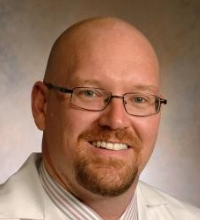
Top-Down High-Resolution Mass Spectrometry for Clinical Testing of Protein Diagnostic Markers Ruben Y. Luo Stanford University
Ruben Y. Luo, PhD, DABCC, FADLM is an Assistant Professor of Pathology at Stanford University and an Associate Director of Clinical Chemistry Laboratory at Stanford Health Care. He received PhD in chemistry from Stanford University, worked in the clinical diagnostic industry for several years, and then completed clinical chemistry fellowship at the University of California San Francisco. Dr. Luo is dedicated to innovations in clinical diagnostics. His research focuses on (1) discovering the clinical diagnostic value of molecular characteristics of protein biomarkers, and (2) applying top-down mass spectrometry and label-free optical sensing immunoassays to characterization and accurate measurement of biomarkers. He has been an active member and conference speaker in the international clinical chemistry and mass spectrometry communities, e.g., Association for Diagnostics and Laboratory Medicine (ADLM; formerly American Association for Clinical Chemistry, AACC), American Society for Mass Spectrometry (ASMS), Mass Spectrometry & Advances in Clinical Lab (MSACL). His research awards include 2022 AACC George Grannis Award for Excellence in Research and Scientific Publication, 2020 American Society for Clinical Pathology (ASCP) “40 Under Forty” Honoree, etc. He currently serves as an associate editor of JMSACL and an editorial board member of Scientific Reports.
Today, a large number of protein biomarkers are being quantified for clinical diagnostics, however, the structural characteristics of protein biomarkers are typically not acquired. The lack of such information can result in insufficient analytical specificity or ambiguity. Ambiguity is mainly due to the heterogeneity of proteoforms of a protein biomarker, caused by amino acid variation and post-translational modifications (PTMs). As proteoforms are influenced by pathophysiological conditions, the identification of proteoforms not only clarifies test results, but also provides additional clinical diagnostic value. For instance, the amino acid-mutated proteoforms of hemoglobin are biomarkers of hemoglobinopathies, and β2-transferrin, a specific glycoform of transferrin, has been used as a biomarker for cerebrospinal fluid leaks.
Top-down mass spectrometry (MS) is a novel methodology that analyzes intact proteins without prior enzymatic digestion, allowing for the characterization of proteoforms. It is an ideal tool to identify and study the structural features of diagnostic protein biomarkers. Thus, top-down MS can bring a new dimension of proteoforms to the clinical testing results of protein markers.
In this presentation, the current and prospective applications of top-down MS in clinical laboratories will be discussed. A few cases of successfully developed top-down MS tests will be illustrated in detail, and the unique advantages of top-down MS will be explicated in comparison to conventional immunoassays. In addition, relevant techniques related to the top-down MS methodology, such as sample preparation approaches, liquid chromatography, and capillary electrophoresis, will also be presented.
Tue September 23 @ 17:40 (05:40
PM) in Montreal 4-5
The Crucial Role of Metrology and Precision Diagnostics in Enhancing Patient Management and Clinical Outcomes in Every Patient Christa Cobbaert Leiden University Medical Centre (LUMC)
Professor Cobbaert is a European Specialist in Laboratory Medicine. She is heading the Department of Clinical Chemistry and Laboratory Medicine at the Leiden University Medical Centre, Leiden, NL. Her research focuses on Precision Diagnostics with quantitative bottom-up proteomics for enabling a refined molecular definition of Health and Disease. She currently chairs the International Federation of Clinical Chemistry and Laboratory Medicine (IFCC) Scientific Division Executive Committee, involved with metrological traceability and standardization of medical tests (http://www.ifcc.org/ifcc-scientific-division/). She is a member of ISO TC 212 working group 2 on Reference Systems and a personal member of the EURAMET Research Council.
She represents the European Federation in Laboratory Medicine (EFLM) in the IVD subgroup of the Medical Device Coordination Group during meetings with the European Commission on the implementation of the IVDR 2017/746. In this capacity she chairs the EFLM Committee on European Regulatory Affairs (https://www.eflm.eu/site/page/a/1650). She is the EFLM liaison to BioMed Alliance in Europe.
Molecular characterization of biomarkers in health and disease is a prerequisite for Precision Medicine and holds great potential for personalized patient management and improved outcomes. However, progress in translating molecular biomarkers into medical tests that provide clinical value has been slow. Several barriers contribute to this delay:
Scientific Innovation and Technology Advancement: the current reward system favors the quantity and impact of scientific publications over their effect on patient care.
Identification of Clinical Gaps: identifying gaps in existing clinical care pathways, which are necessary to drive molecular biomarker development, is a cumbersome and costly process under current regulations.
Need for Multiplex Panels: evaluations of biomarker accuracy in diagnostic studies and randomized controlled trials have shown that effective patient classification and personalized management require multiplex panels of molecular markers rather than relying on single markers to detect and monitor complex diseases.
Segregated diagnostic specialties should further increase the value of their examinations by taking a holistic approach to their selection, interpretation, and application to the patient’s care pathway. Integrative Diagnostics should become the norm and its implementation in clinical practice should be realized.
Slow adoption of Artificial Intelligence (AI) as a transformative tool that can guide laboratorians, clinicians and drug developers away from the current simplistic, fragmented and linear thinking about biomarkers and therapy selection.
Advancements in human (patho-)biology and metrology -i.e. the science of measurement- are paving the way for reducing diagnostic uncertainty. Precision Diagnostics, the foundation of Precision Medicine, necessitates a shift towards selective testing that enhances our understanding of interindividual and gender diversity, as well as (patho-)biology at the molecular level. This approach can potentially alleviate some of the current inadequacies in clinical care pathways due to suboptimal tests, which lead to misclassifications and avoidable patient harm.
Molecular tests also offer the advantage of being standardizable to the SI system, as outlined in the Meter Convention at BIPM, Paris, France. This allows for the proper implementation of metrological traceability from the outset. Over the last decade, mass spectrometry (MS) has gained momentum in laboratory medicine, proving its potential as a truly selective measurement platform, particularly for replacing flawed immunoassays. This is especially true for small molecules, such as steroids and immunosuppressive drugs in transplant patients, as well as for blood-based protein tests featuring clinically relevant proteoforms. Automated MS-based platforms are currently available for use in accredited medical laboratories and include a growing menu of CE-IVD and/or FDA-approved tests.
The parallel evolution of Metrology, Science, and Technology is crucial for enabling the paradigm shift from curative care to preventive, predictive, personalized medicine with patient participation (P4-Medicine). It is essential to develop more personalized, safe, and effective medical tests that improve the benefit/harm ratio for every patient and meet the predefined clinical performance goals set forth in clinical guidelines. Representative proof-of-principle use cases will be presented that support this consequentialist approach.
In conclusion, the (r)evolution towards Precision Medicine and Integrative Diagnostics, as a foundation for P4-Medicine and for affordable, sustainable healthcare, aligns with recent presidential recommendations from clinical and laboratory professional societies. These developments call for your involvement and proactiveness as future medical lab leaders to exploit all “enablers” for improving clinical outcomes and patient safety in every patient!
Plenary Lectures
Wed September 24 @ 10:30 (10:30
AM) in Montreal 4-5
AI Deployment in the Clinical Laboratory: Practical Considerations and Lessons Learned David McClintock Mayo Clinic
David McClintock is the Chair of the Division of Computational Pathology and Informatics within the Department of Laboratory Medicine and Pathology at Mayo Clinic (Rochester, MN). He is an AP/CP and Clinical Informatics boarded pathologist, with primary clinical interests including pathology informatics, clinical AI lifecycle/AI model deployment, digital pathology, and clinical laboratory workflow optimization/analytics. His research interests include the use of AI and machine learning tools for improved diagnostics, workflow optimization, and improved patient outcomes, in addition to the application of robotic process automation and computer vision tools within healthcare. Dr. McClintock is involved in multiple pathology organizations, including previously serving as the President of the Association for Pathology Informatics (API, 2018) and currently serves as the API Program Committee Chair.
Thu September 25 @ 09:00 (09:00
AM) in Montreal 4-5
Deciphering Proteopathies: Molecular Fingerprinting of Neurodegenerative Diseases Judith Steen Harvard Medical School & Boston Children's Hospital
Dr. Judith Steen is a Professor of Neurology at Harvard Medical School, the Director of the Neuroproteomics Laboratory in the F.M. Kirby Center for Neurobiology at Boston Children's Hospital, and a member of the Harvard Stem Cell Institute (HSCI). Dr. Steen has pioneered innovative mass spectrometry-based proteomic approaches to understand neurodegenerative diseases, focusing on how central and peripheral nervous system cells are born, maintained, and die. Her laboratory has developed groundbreaking technologies, including the FLEXITau platform, which enables comprehensive quantification of tau protein post-translational modifications (PTMs), revealing critical Alzheimer's Disease stages and patient heterogeneity as published in Cell and Nature Medicine. Her landmark studies provided the first comprehensive maps of human tau modifications, defining molecular structures of tau prions and correlating specific PTMs with disease progression. Dr. Steen's work extends beyond tau pathology to include novel proteogenomic methods that identify non-canonical translation products under neuronal stress and systems biology approaches that reveal master regulators for neuronal regeneration after injury. Through sophisticated quantitative proteogenomic and computational biology approaches, the Steen lab dissects how genetics, infection, excitotoxicity, injury, and aging contribute to neurodegeneration, and why specific CNS cells show greater vulnerability than others. Her contributions have significantly advanced our understanding of neurodegenerative mechanisms and opened new avenues for diagnostics and therapeutic interventions.
Neurodegenerative disorders such as Alzheimer’s Disease, Frontotemporal Degeneration, Parkinson’s Disease, and Amyotrophic Lateral Sclerosis share a common pathological signature: the aggregation of specific proteins, including tau, TDP43, and alpha-synuclein. These proteopathies represent a critical juncture where normal proteins transform into pathological entities, driving neuronal dysfunction and death. Despite decades of research, the precise molecular mechanisms governing this transformation remain elusive.
To address this fundamental gap, we developed innovative mass spectrometry-based proteomic platforms with unprecedented sensitivity and specificity for characterizing disease-associated protein modifications. Our approaches comprehensively map and quantify post-translational modifications on pathological protein aggregates extracted from human patients and animal models across disease progression timelines. By analyzing these "molecular fingerprints" in large patient cohorts, we have revealed distinct modification patterns that define disease stages, patient subtypes, and predict clinical trajectories.
Our studies have uncovered the sequential accumulation of tau modifications during Alzheimer’s pathogenesis and identified specific chemical alterations that enhance tau’s propensity to aggregate and propagate between neurons. Importantly, these precise molecular characterizations distinguish pathological protein species from their normal counterparts, enabling the development of highly selective therapeutic strategies that target disease-driving protein forms while preserving essential physiological functions.
This presentation will highlight how quantitative proteomics has transformed our understanding of proteopathies and demonstrate how these insights create new paradigms for early diagnosis and precision therapeutics in neurodegenerative diseases.
Fri September 26 @ 09:00 (09:00
AM) in Salon Ville-Marie, Hotel Level
Fast Targeted Proteomics Using Computationally-Designed Peptide Capture Proteins and Multiplex Peptide Tagging Michael Gelb University of Washington
Michael H. Gelb is Professor of Chemistry and Barbara L. Weinstein Endowed Chair in Chemistry, Adjunct Professor of Biochemistry at the University of Washington. Major developments in the Gelb lab include discovery of protein prenylation, development of ICAT proteomic reagents, identification of phospholipases involved in lipid mediator generation, development of anti-parasite drugs, and development of mass spectrometry for newborn screening. Awards include: Repligen Award in Chemistry of Biological Processes (Amer. Chem. Soc.), Univ.of Washington Faculty Lecture Award, Gustavus John Esselen Award (Harvard Univ.), AAAS Fellow, NIH Merit Award, Medicines for Malaria Project of the Year Award, Pfizer Award in Enzyme Chemistry, ICI Pharmaceuticals Award for Excellence in Chemistry. The Gelb lab has published more than 500 papers and 100 patents in biological chemistry. The Gelb laboratory has developed mass spectrometry for worldwide newborn screening of lysosomal storage diseases (the latest expansion of newborn screening panels).
Targeted proteomics using complex biological fluids usually requires enrichment of signature peptides prior to tandem mass spectrometry. Anti-peptide antibodies are useful in this context but can be difficult to obtain in a timely fashion. We have recently developed a computational design platform that yields proteins capable of binding targeted peptides with high affinity (nanomolar to picomolar range). When applied to 30 targeted peptides, high affinity binders were obtained in 28 cases. In this talk we will illustrate the method for newborn screening and diagnosis of a rare lysosomal storage disease called cystinosis. Patients with this disease are deficient in a lysosomal cystine transporter. Trypsinization of proteins extracted from a 3 mm punch of a dried blood spot are treated with the designed peptide binder. After peptide capture and release, the signature peptide for the cystine transporter is readily detected by LC-MS/MS. Most cystinosis patients show a large decrease in the abundance of this target peptide. We also developed a peptide methylation scheme whereby peptides are methylated on amino groups by treatment with formaldehyde and sodium cyanoborohydride. Using heavy isotope forms of formaldehyde, we can combine 4 patient samples into a single LC-MS/MS run and thus decrease the time per sample by 4-fold. This method can be multiplexed to measure the abundance of several proteins in a single analysis. We will show data for Wilson disease and a panel of primary immunodeficiencies.