The Steering Committee is assembled to review abstract submissions for the annual conference. This includes reviewing abstract submissions, suggesting plenary speakers, recruiting researchers to
solicit abstracts for submission to the conference and identifying
emerging topics of interest. MSACL encourages submissions in all areas of clinical analytics.
Chair
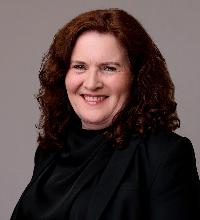
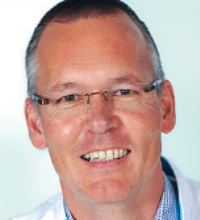
Margret Thorsteinsdottir, PhD University of Iceland
Covering the topic area of Human Metabolism
Professor in Pharmaceutical Analytical Chemistry at the Faculty of Pharmaceutical Sciences, University of Iceland and R&D Director of ArcticMass LTd, Reykjavik, Iceland. Dr. Thorsteinsdóttir received her PhD from Uppsala University, Sweden in 1998. From 2000 to 2009 she was the managing director of Bioanalytical Laboratories at deCODE Genetics, Reykjavik, Iceland. She has extensive experience in development of analytical methods for metabolite profiling and quantification of clinical biomarkers in various biofluids utilizing chemometrics with the goal of improved clinical management of patients towards personalized patient care.
Her current research interest includes studies of lipid metabolism in cancer cells and profiling plasma derived biomarkers for early detection of BRCA-related breast cancer. She is responsible for implementation of clinical mass spectrometry for support of diagnostics and therapeutic drug monitoring in collaboration with ArcticMass and the Landspitali University Hospital, Reykjavik, Iceland with major focus on quantitative targeted proteomics for clinical diagnosis. She is a principal investigator of the Icelandic Research Rannis projects, profiling metabolites for breast cancer diagnosis and search for novel biomarkers for early breast cancer diagnosis by metabolomics. Dr. Thorsteinsdóttir is a principal investigator for the Marine Biotechnology ERA-net project CYNOBESITY and the Horizon 2020 project MossTech, with the main task to isolate, identify and structurally characterize bioactive compounds from cyanobacteria, Icelandic mosses and liverworts. She is one of the founders of Females in Mass Spectrometry (FeMS), she is a vice-leader of the working group clinical significance and applications of (epi)lipidomics in the pan-European network, EpiLipidNET and vice-chair of the Nordic Metabolomics Society.
Relevant Financial Disclosures
(within past 24 months)
Not yet reported.
Outgoing Chair
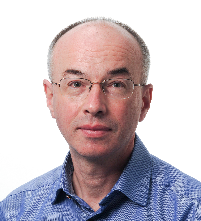
Timothy Collier, PhD Quest Diagnostics
Covering the topic area of Proteomics
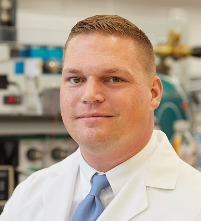
Dr. Timothy Collier is Scientific Director of Research & Development for the Quest Cardiometabolic Center of Excellence at Cleveland HeartLab, where his responsibilities include overseeing the identification and development of assays for cardiovascular biomarkers. He has been involved in the MSACL community for 10 years, serving as outgoing chair of the 2025 meeting in Montreal after chairing the 2024 meeting in Monterrey. He was the 2023 recipient of the Bereman Award for Innovative Clinical Proteomics, and enjoys mentoring new scientists involved in Clinical Mass Spectrometry.
Relevant Financial Disclosures
(within past 24 months)
Not yet reported.
Steering Committee
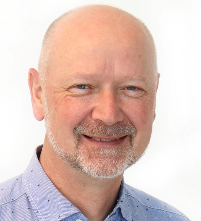
Daniel Holmes, MD, FRCPC St. Paul’s Hospital
Covering the topic area of Data Science
Daniel Holmes did his undergraduate training in Chemistry and Physics at the University of Toronto before deciding to pursue medicine as a career. He attended medical school at the University of British Columbia where pathology became his area of major interest. The strong influence of his academic mentors led him to enter the Medical Biochemistry residency training program at UBC. This allowed him to use his background knowledge of chemistry in application to medicine. Areas of clinical interest are diagnostic lipidology/endocrinology and research interests are in the utilization of mathematics and computer diagnostics to laboratory medicine.
Relevant Financial Disclosures
(within past 24 months)
Not yet reported.
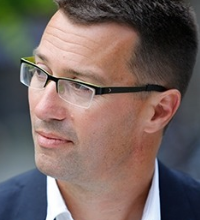
Ian Lewis, PhD University of Calgary
Covering the topic area of Metabolomic Mechanisms
Dr. Ian Lewis is an Associate Professor at the University of Calgary. Dr. Lewis earned a PhD in Biochemistry from the University of Wisconsin-Madison and completed his postdoctoral training at Princeton University. The Lewis laboratory specializes in unravelling the complex metabolic underpinnings of infections. To support this research, Dr. Lewis founded the Calgary Metabolomics Research Facility (CMRF), an integrated suite of microbiology, engineering, and analytical laboratories that was specifically built for studying microbial metabolism and building tools for fighting infections. Dr. Lewis is also the Director of the Alberta Centre for Advanced Diagnostics (ACAD), a research program that leverages Alberta’s integrated healthcare system to fast-track the development of new clinical diagnostics. Via ACAD, Dr. Lewis has helped launch a suite of new diagnostic tools that are being implemented in Alberta hospitals.
Relevant Financial Disclosures
(within past 24 months)
Not yet reported.
Tim Garrett, PhD University of Florida College of Medicine
Covering the topic area of Metabolomic Techniques
Dr. Garrett has over 20 years of experience in the field of mass spectrometry spanning both instrument and application development. He received his PhD from the University of Florida, under Dr. Richard A. Yost, working on the first imaging mass spectrometry-based ion trap instrument. He has also developed MALDI-based approaches to analyze proteins in bacteria and small molecules in tissue specimens. His current interests include development of techniques and instrumentation for metabolomics science using LC-HRMS and translational work in diagnostics for dried blood spots. He is an Associate Professor in the Department of Pathology at the University of Florida, and Director for the Southeast Center for Integrated Metabolomics (SECIM).
Relevant Financial Disclosures
(within past 24 months)
Not yet reported.
Deborah French, PhD, DABCC (CC, TC), FADLM UCSF
Covering the topic area of Practical Training
Deborah French Ph.D., DABCC (CC, TC), FADLM is a Director of Chemistry and the Director of Mass Spectrometry at the University of California San Francisco Health Clinical Laboratories. Her work currently focuses on the development and validation of LC-MS/MS assays for small molecules, specifically therapeutic drug monitoring, steroid hormones and toxicology. Deborah received her Ph.D. in biochemistry from the University of Strathclyde in Glasgow, Scotland and then completed a postdoctoral fellowship at St. Jude Children’s Research Hospital in Memphis, TN. She subsequently completed a ComACC Clinical Chemistry postdoctoral fellowship under the direction of Dr Alan Wu at the University of California San Francisco and is now board certified in Clinical Chemistry and Toxicological Chemistry by the American Board of Clinical Chemistry.
Relevant Financial Disclosures
(within past 24 months)
Not yet reported.
Renee Ruhaak, PhD LUMC
Covering the topic area of Proteomics
Renee Ruhaak holds a PhD from the Leiden University Medical Center (LUMC, supervisor Prof. M. Wuhrer) and did a post-doc at UC Davis in the lab of Prof. C.B. Lebrilla prior to joining the department of Clinical Chemistry and Laboratory Medicine at the LUMC. She is currently an associate professor with a research focus on the application of mass spectrometry within the clinical setting. This entails both development and implementation of quantitative protein mass spectrometry, as well as the role of mass spectrometry in metrology and test standardization.
Relevant Financial Disclosures
(within past 24 months)
Not yet reported.
Matthew Crawford Labcorp
Covering the topic area of Small Molecule
Matthew Crawford is a Scientist II working in research and development at Labcorp in Burlington, North Carolina. He received his B.S. in Biochemistry from California State University, Northridge and is currently working towards his Ph.D. in Analytical Chemistry from University of Texas at Arlington under the instruction of Professor Kevin Schug. At Labcorp, his focus is high-throughput method development and validation for small molecule biomarkers using LC-MS/MS and GC-MS. He’s been on the MSACL steering committee for 2024 and 2025 conferences where he’s head of the small molecule scientific committee.
Relevant Financial Disclosures
(within past 24 months)
Not yet reported.
Peggi Angel, PhD MUSC Proteomics Center
Covering the topic area of Spatialomics
Peggi Angel is tenured Professor at Medical University of South Carolina Department of Pharmacology & Immunology and Co-Director of Mass Spectrometry Imaging. Dr. Angel’s work focuses on the contribution of spatial chemical biology to the external, endogenous environmental in disparities of disease risk, progression, and therapeutic resistance. She has developed multiple mass spectrometry imaging approaches to spatial biology all of which are designed for use on clinically archived human specimens of tissues, cells and fluids, and are developed working with clinicians. Notably, she is the inventor of a spatial method targeting the collagen proteome in formalin-fixed, paraffin-embedded tissues that integrates collagen proteomic maps with spatial transcriptomics and microscopy studies. Dr. Angel has over 14 years cumulative experience in 5 biotech startups including Glycopath, Inc., a company that leveraged glycosylation patterns as a prognostic or diagnostic tool; she currently serves on the board of N-Zyme Scientifics, a company that produces enzymes for targeted mass spectrometry imaging. Dr. Angel is committed to creating a collaborative mass spectrometry imaging community and serves as Past President for the Americas Region of the International Mass Spectrometry Imaging Society, as a Trustee for the International Mass Spectrometry Imaging Society, and as Secretary on the USHUPO Board of Directors. Dr. Angel is devoted to coaching and mentoring, particularly for females and minorities, serving on multiple committees to advise and mentor young scientists in entrepreneurship within multidisciplinary teams
Relevant Financial Disclosures
(within past 24 months)
Not yet reported.
Scientific Committee
Kelly Doyle, PhD University of Utah Health / ARUP Laboratories
Covering the topic area of Data Science
I am a board certified clinical chemist (DABCC) with research and clinical interests in mass spectrometry, pediatrics, endocrinology, and toxicology.
I am fortunate to be engaged in clinical service and education. I enjoy collaborating on laboratory processes optimization, development of robust methods, and in efforts focused on improving patient care.
I received a Ph.D. in Medicinal Chemistry and completed a ComACC accredited fellowship the Department of Pathology at the University of Utah School of Medicine in Clinical Chemistry.
Relevant Financial Disclosures
(within past 24 months)
Not yet reported.
Sarina Yang, PhD Weill Cornell Medicine
Covering the topic area of Data Science
He Sarina Yang, PhD, DABCC, is an Associate Professor in the Department of Pathology and Laboratory Medicine, Medical Director of Clinical Chemistry and Toxicology Laboratory, and Co-Director of the ComACC accredited Clinical Chemistry Fellowship Program at NewYork-Presbyterian Hospital/Weill Cornell Medicine. She is board certified in both Clinical Chemistry (2015) and Toxicological Chemistry (2017) by ABCC. She currently serves as the Chair of AI and Laboratory Medicine Committee in the International Federation of Clinical Chemistry and Laboratory Medicine (IFCC) and is a member in the ADLM Academy Council and Data Analytics Steering Committee. She also serves as an Associate Editor of Clinical Chemistry Journal, and in the Editorial Board of Critical Reviews in Clinical Laboratory Sciences and Annals of Laboratory Medicine. Her clinical and research interests are artificial intelligence, machine learning, clinical mass spectrometry, and toxicology/therapeutic drug monitoring.
Relevant Financial Disclosures
(within past 24 months)
Not yet reported.
Thomas Horvath, PhD Baylor College of Medicine / Texas Children's Hospital
Covering the topic area of Metabolomic Mechanisms
I am an Assistant Professor in possession of nearly 23 years of academic and FDA/EMEA-regulated pharmaceutical-industry research experience in the field of bioanalytical chemistry. Over the course of my career, I have acquired considerable skill in the development and validation of high-throughput LC-MS/MS-based bioanalytical methods to measure exogenous small-molecule therapeutics (e.g., pharmaceuticals and peptides) or endogenous bio-molecules (e.g., metabolites and lipids) in an assortment of biological matrices and homogenized tissues. I have developed methods which have been implemented in host of projects, including: i) PK/PD assessments of therapeutic small-molecules or enzyme-based drugs; ii) assess the effectiveness or bioequivalence of novel, off-patent formulations; iii) investigate the mechanism of action of new therapeutic compounds; and iv) determine alterations in metabolic pathways based on disease state or therapeutic intervention. My publication record spans a diverse subset of life science research that includes nutritional biochemistry, mosquito metabolism using carbon-13 isotope tracing, and microbiological applications including methods to interrogate the mammalian gut-brain-axis, and pharmaceutical discovery and development. My current research focuses on dissecting microbial derived compounds and their impact on host physiology.
Relevant Financial Disclosures
(within past 24 months)
Not yet reported.
Elizabeth Want, PhD Imperial College London
Covering the topic area of Metabolomic Mechanisms
I am an Associate Professor (Reader) in Clinical Mass Spectrometry in the Department of Metabolism, Digestion and Reproduction. I joined Imperial College in 2006 after working as a postdoctoral researcher at the Scripps Research Institute in La Jolla, CA. At Imperial College, I was initially a postdoctoral researcher for the Consortium for Metabonomic Toxicology (COMET) group.
My research focuses primarily on the development and application of novel mass spectrometry (MS) based techniques for metabolic phenotyping and on the fusion of mass spectrometric methods with chemometric analysis, which is currently a significant bottleneck in the analysis pipeline. Broadly, my research at Imperial College has involved the development, optimisation and application of UPLC-MS methodologies for the analysis of biological samples, largely in the context of metabolic phenotyping: serum, urine, tissue, amniotic fluid, and microdialysates. These developmental advances have resulted in shorter analysis times – and therefore higher sample throughput – key for large scale metabolic phenotyping studies. Peak detection and analytical reproducibility have been enhanced, improving metabolome coverage and the potential for biomarker identification and quantification.
I am applying these methods to biomedical research areas including toxicology, burn injury, traumatic brain injury and neurological diseases.
Relevant Financial Disclosures
(within past 24 months)
Not yet reported.
Michael Chen, MD MSc The University of British Columbia
Covering the topic area of Metabolomic Techniques
Dr. Michael Chen is a clinical pathologist, specializing in clinical chemistry and translational mass spectrometry. He is the Department Head and Medical Director of Laboratory Medicine, Pathology and Medical Genetics at Island Health, and Provincial Discipline Lead at Provincial Health Services Authority. As a researcher, Dr Chen is the scientific director of UBC Translational Omics Lab in the Victoria General Hospital. He is also the director of Vancouver Island Biobank, and he co-chairs the BC Biobank Network. Dr. Chen’s research focuses on clinical mass spectrometry, biobanking, biomarker validation and clinical implementation.
Relevant Financial Disclosures
(within past 24 months)
Not yet reported.
Dajana Vuckovic, PhD Concordia University
Covering the topic area of Metabolomic Techniques
Dr. Dajana Vuckovic is Professor and Concordia University Research Chair in Clinical Metabolomics and Biomarkers and the Director of Centre for the Biological Applications of Mass Spectrometry at Concordia University. Her research program focuses on the development of novel mass spectrometry and microextraction methods to accurately measure challenging low-abundance and unstable metabolites and improve metabolite coverage and data quality in clinical metabolomics and lipidomics. Dr. Vuckovic is the recipient of the 2023 Fred Beamish Award from the Canadian Society for Chemistry and the 2024 Metabolomics Society medal. She serves on the editorial boards of Bioanalysis and Analytical and Bioanalytical Chemistry and currently co-leads the Best Practices Working Group of Metabolomics Quality Assurance and Quality Control Consortium. She has co-organized numerous scientific symposia at leading national and international conferences and has co-chaired Metabolomics 2023 conference held in Niagara Falls, Canada.
Relevant Financial Disclosures
(within past 24 months)
Not yet reported.
Joshua Hayden, PhD, DABCC, FACB Cleveland Clinic
Covering the topic area of Practical Training
Joshua is currently the Section Head of Clinical Biochemistry at Cleveland Clinic. He earned his PhD in chemistry from Carnegie Mellon University. He conducted postdoctoral research at Massachusetts Institute of Technology before completing a two-year clinical chemistry fellowship at University of Washington and 4 years as Assistant Professor at Weill Medical College. Joshua has special expertise developing and overseeing mass spectrometry assays in the clinical laboratory.
Relevant Financial Disclosures
(within past 24 months)
Not yet reported.
Jacqueline Hubbard, PhD, DABCC Beth Israel Deaconess Medical Center, Harvard Medical School
Covering the topic area of Practical Training
Jacqueline Hubbard received her BS degree in Biochemistry from the University of Vermont. She then earned her MS and PhD in Biochemistry and Molecular Biology from the University of California, Riverside (UCR). Following a one year postdoc at UCR, Dr. Hubbard completed a Fellowship in Clinical Chemistry at the University of California, San Diego Health. She is board certified in Clinical Chemistry by the American Board of Clinical Chemistry. After fellowship, she took a position as an Assistant Professor in the Department of Pathology and Laboratory Medicine at the Geisel School of Medicine at Dartmouth and as the Assistant Director of Clinical Chemistry at Dartmouth-Hitchcock Medical Center. There, she focused on developing and validating drugs of abuse assays and SARS-CoV-2 serology testing. Next, she briefly served as a Lab Director for a small reference laboratory in PIttsburgh, PA. She then joined Beth Israel Deaconess Medical Center as the Co-Director of Clinical Chemistry and Director of Toxicology in 2024. She is also an Assistant Professor of Pathology for Harvard Medical School. Her research focus still includes mass spectrometry method development and toxicology test interpretation.
Relevant Financial Disclosures
(within past 24 months)
Not yet reported.
Grace van der Gugten, B.Sc. Chemistry Provincial Health Services Authority, BCCDC Toxicology Lab
Covering the topic area of Practical Training
Grace discovered her love for clinical mass spectrometry when she began working at St Paul's Hospital in Vancouver in the special chemistry mass spec group with Dr. Dan Holmes in late 2010. Grace was challenged in this role but gained a wealth of knowledge and experience over her 10+ years in the SPH laboratory. She puts this experience and knowledge into use in her current role as Mass Spectrometry Lab Scientist in the Toxicology Lab at the BCCDC in Vancouver, BC. Grace loves developing streamlined, easy to use (if possible!) clinical mass spectrometry assays; teaching others and helping others succeed; and troubleshooting (especially when the problem is solved!).
Relevant Financial Disclosures
(within past 24 months)
Not yet reported.
Ruben Y. Luo, PhD, DABCC Stanford University
Covering the topic area of Proteomics
Ruben Y. Luo, PhD, DABCC, FADLM is an Assistant Professor of Pathology at Stanford University and an Associate Director of Clinical Chemistry Laboratory at Stanford Health Care. He received PhD in chemistry from Stanford University, worked in the clinical diagnostic industry for several years, and then completed clinical chemistry fellowship at the University of California San Francisco. Dr. Luo is dedicated to innovations in clinical diagnostics. His research focuses on (1) discovering the clinical diagnostic value of molecular characteristics of protein biomarkers, and (2) applying top-down mass spectrometry and label-free optical sensing immunoassays to characterization and accurate measurement of biomarkers. He has been an active member and conference speaker in the international clinical chemistry and mass spectrometry communities, e.g., Association for Diagnostics and Laboratory Medicine (ADLM; formerly American Association for Clinical Chemistry, AACC), American Society for Mass Spectrometry (ASMS), Mass Spectrometry & Advances in Clinical Lab (MSACL). His research awards include 2022 AACC George Grannis Award for Excellence in Research and Scientific Publication, 2020 American Society for Clinical Pathology (ASCP) “40 Under Forty” Honoree, etc. He currently serves as an associate editor of JMSACL and an editorial board member of Scientific Reports.
Relevant Financial Disclosures
(within past 24 months)
Not yet reported.
Guinevere Lageveen-Kammeijer, PhD University of Groningen
Covering the topic area of Proteomics / Glycomics
Dr. Guinevere Lageveen-Kammeijer is an Assistant Professor in the Analytical Biochemistry group at the University of Groningen, within the Groningen Research Institute of Pharmacy. She holds a BSc in Biotechnology - Forensic Sciences from the University of Applied Sciences van Hall Larenstein, Leeuwarden, and an MSc in Analytical Chemistry from VU University, Amsterdam. Her research interests were ignited during her MSc internship, where she focused on separation techniques coupled with mass spectrometry.
Guinevere earned her PhD in Clinical Glycomics from the Leiden University Medical Center in 2019 under the supervision of Prof. Manfred Wuhrer. Her thesis developed small-scale sample preparation workflows using capillary electrophoresis (CE) and mass spectrometry (MS/MS) to analyze glycans, glycopeptides, and glycoproteins, with applications in biomarker discovery and biopharmaceutical characterization. She continued her research as a post-doctoral researcher at the same institution before expanding her expertise with a visit to Northeastern University, Boston, in 2017, where she focused on protein charge and proteoform heterogeneity.
In 2022, Guinevere began her tenure-track assistant professorship at the University of Groningen, where she works on advancing glyco(proteo)mic techniques, particularly in single-cell glycomic analysis. Her research includes expanding the mass spectrometry-based glycosylation assay for prostate-specific antigen (PSA), a key biomarker for prostate cancer, and exploring the in-depth analysis of glycans and glycoproteins for biomarker discovery in other diseases and biopharmaceutical characterization.
Guinevere’s contributions have been recognized through funding such as the Investigator Sponsored Research grant from Astellas (2019) and the prestigious NWO VENI grant (2023). She is actively involved in the scientific community, serving on the Scientific Omics Committee for MSACL. Guinevere is passionate about promoting the importance of glycosylation in biomarker research, aiming to bridge the gap between researchers and clinical professionals to improve biomarker translation to the clinic.
Relevant Financial Disclosures
(within past 24 months)
Not yet reported.
Shannon Haymond, PhD Northwestern University Feinberg School of Medicine
Covering the topic area of Small Molecule
My lab performs research and clinical testing using mass spectrometry methods, develops new assays, and applies data analytics to enable improved quality and efficiency. My computational pathology efforts are aimed at building the capacity for advanced data analytics in the department through innovations in infrastructure, education, and research to facilitate data-informed decision making for clinical care, operations, and quality assurance.
Relevant Financial Disclosures
(within past 24 months)
Not yet reported.
Jody van den Ouweland, PhD Canisius-Wilhelmina Hospital
Covering the topic area of Small Molecule
Jody van den Ouweland is specialist in Laboratory Medicine and working as Laboratory Director at the Canisius-Wilhelmina Hospital, The Netherlands. He studied Chemistry at Leiden University and received his PhD degree in 1994 on the discovery of a type 2 diabetic subtype (MIDD). Areas of clinical interest are diabetes, endocrinology and clinical biomarkers. In the area of analytical chemistry his focus is on mass spectrometric and chromatographic methods for quantitative measurement of low molecular weight biomarkers, such as vitamins, steroids and amino acids. He is a member of the Dutch working group of Clinical Mass Spectrometry, and member of the MSACL Scientific Committee.
Relevant Financial Disclosures
(within past 24 months)
Not yet reported.
Michael Vogeser, Prof. Dr. med. University Hospital, LMU Munich
Covering the topic area of Small Molecule
Dr. Michael Vogeser, MD, is specialist in Laboratory Medicine and senior physician at the Hospital of the University of the Ludwig-Maximilians-University Munich, Germany (LMU; Institute of Laboratory Medicine). As an Associate Professor he is teaching Clinical Chemistry and Laboratory Medicine. The main scope of his scientific work is the application of mass spectrometric technologies in routine clinical laboratory testing as translational diagnostics. Besides method development in therapeutic drug monitoring and endocrinology a further particular field of his work is quality and risk management in mass spectrometry and in clinical testing in general. Michael has published >240 articles in peer reviewed medical journals. Michael heads the Commission for In Vitro Diagnostics in the German Association of Scientific Medical Societies (AWMF).)
Relevant Financial Disclosures
(within past 24 months)
Not yet reported.
Pierre Chaurand, PhD Université de Montréal
Covering the topic area of Spatialomics
Professor Chaurand and his group are developing methodologies for analyzing the molecular content of thin tissue sections by mass spectrometry in a region-specific manner. A systematic analysis makes it possible to reconstruct molecular images (proteins, peptides, lipids, metabolites, etc.) that can be directly correlated to the histologies present within the sections and the health of biopsies.
Relevant Financial Disclosures
(within past 24 months)
Not yet reported.
Ron Heeren, PhD Maastricht University
Covering the topic area of Spatialomics
Maastricht University Professor Ron Heeren (1965) is a pioneer in the field of imaging mass spectrometry. During his career, he and his team have developed new physical measurement methods to map the distribution of molecules on complex surfaces. In all phases of his scientific career, he has actively contributed to the valorisation of the methods and techniques he has developed in a highly interdisciplinary setting. Instrumentation physics was and is the common thread through his development into the socially committed scientist he is today. Trained as a technical physicist, with an outstanding track record in innovative physical-chemical research, he is now active in an interdisciplinary biomedical setting. He heads the Maastricht MultiModal Molecular Imaging Institute (M4I) in which he uses the techniques he has developed for precision medicine and improved patient care. He has also actively given his research more (market) value through the establishment and participation in three companies. Various of the patents obtained by him have been taken over and / or licensed by various major private parties active in the scientific instrumentation market.
Relevant Financial Disclosures
(within past 24 months)
Not yet reported.
Angela Kruse, PhD Ohio State University
Covering the topic area of Spatialomics
Angela Kruse is a Research Assistant Professor in the department of Cell and Developmental Biology and the Mass Spectrometry Research Center at Vanderbilt University. Her research integrates imaging mass spectrometry, proteomics, spatial transcriptomics, biochemistry, and microscopy to understand how diabetes affects the molecular environment in the pancreas, kidney, and eye. She received her Ph.D. in Plant Pathology with a focus in Biochemistry from Cornell University prior to conducting her postdoctoral studies under the guidance of Drs. Richard Caprioli and Jeff Spraggins at Vanderbilt University. She plans to spend her career applying and integrating cutting edge technologies to address important challenges in human health and the environment.
Relevant Financial Disclosures
(within past 24 months)
Not yet reported.
Kristina Schwamborn, MD, PhD Technical University of Munich
Covering the topic area of Spatialomics
Relevant Financial Disclosures
(within past 24 months)