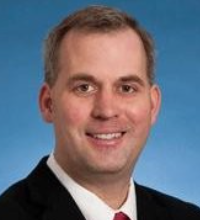
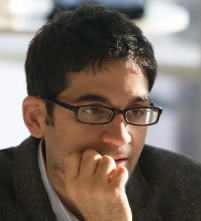
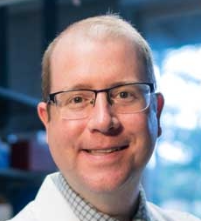
Lecture Title Pending Andy Hoofnagle University of Washington
Dr. Hoofnagle's laboratory focuses on the precise quantification of recognized protein biomarkers in human plasma using LC-MRM/MS. In addition, they have worked to develop novel assays for the quantification of small molecules in clinical and research settings. His laboratory also studies the role that the systemic inflammation plays in the pathophysiology of obesity, diabetes, and cardiovascular disease.
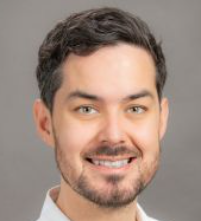
Michael S Bereman Award Lecture
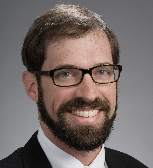
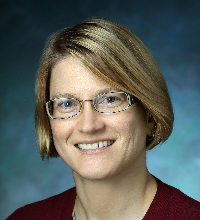
Lecture Title Pending Stefani Thomas University of Minnesota
Dr. Stefani Thomas is an Assistant Professor in the Department of Laboratory Medicine and Pathology at the University of Minnesota, and the Associate Medical Director of the M Health Fairview University of Minnesota Medical Center West Bank Laboratory. She earned a BA in Biological Sciences from Dartmouth College, a PhD in Pharmaceutical Sciences from the University of Southern California, and she completed a Clinical Chemistry postdoctoral fellowship at Johns Hopkins. Her research program at the University of Minnesota utilizes mass spectrometry-based clinical proteomics for therapeutic and diagnostic biomarker development.
Plenary Lectures
Lecture Title Pending Marilyn Huestis Huestis & Smith Toxicology LLC
Lecture Title Pending Michael Roehrl Beth Israel Deaconess Medical Center
Lecture Title Pending Gary Patti Washington University in St. Louis
Keynote Lectures
Wed December 31 @ 16:00 (04:00
PM) 15:00 in Track 1 (Montreal 4) : Session
2
Decoding Microbial Messages: Untargeted Metabolomics and Data Science-Driven Discovery Ipsita Mohanty Penn State University
What if the gut microbiome communicates with the host through a hidden chemical language - encoded not only in the genes, but also in the metabolites? Bile acids are emerging as compelling candidates for this role. Traditionally viewed as digestive detergents, bile acids are now recognized as potent signaling molecules regulating metabolism, immunity, and systemic physiology. Yet, this view captures only a fraction of their true complexity. Microbial metabolism transforms host-derived bile acids into a previously underappreciated chemical space. In this keynote, I will present a data science-driven framework to decode this hidden chemical language. By combining untargeted LC-MS/MS with reusable, bile acid-selective MS/MS filters, we enable large-scale mining of public metabolomics repositories to systematically discover and resolve bile acid isomers. This approach reveals thousands of previously uncharacterized bile acids, including novel conjugates shaped by diet and microbial metabolism, expanding the known bile acid universe far beyond canonical pathways.
To translate discovery into biological insight, we integrate this data with artificial intelligence. Large language models (LLMs) are used to synthesize information across public datasets, metadata, and literature, constructing a bile acid-centered knowledge atlas that links molecular structures to tissues, diseases, dietary exposures, and microbial origins. Together, these advances support a new conceptual model: bile acids as molecular carriers of microbial messages, where isomerization and conjugation encode functional information transmitted to the host. By decoding this language, we open new opportunities for biomarker discovery, mechanistic insight, and therapeutic intervention.
This work highlights how the convergence of high-resolution mass spectrometry, repository-scale data mining, and AI is redefining our ability to interpret the metabolome and reveals that some of the most important signals in human health may be hidden in plain sight.
Wed December 31 @ 16:00 (04:00
PM) 12:45 in Track 1 (Montreal 4) : Session
1
Next Generation MALDI Imaging: FluoMALDI, RaMALDI & QMALDI Kristine Glunde The Johns Hopkins University School of Medicine
Dr. Glunde is Professor of Radiology, Oncology, and Pathology, and her research is focused on developing and sharing innovative matrix-assisted laser desorption/ionization (MALDI) imaging applications that enable biomedical discovery. Since joining the Faculty of the Johns Hopkins School of Medicine in 2003, Dr. Glunde's research lab has been focusing on cancer metabolism, novel metabolic cancer treatment targets, and molecular and metabolic imaging of cancer. More recently, she is also focusing on developing various new, clinically oriented MALDI imaging applications. She has specific training and expertise in chemistry, biochemistry, cancer biology, fluorescence microscopy, optical imaging, mass spectrometry, and mass spectrometric imaging. She has been involved in numerous research studies on molecular imaging of cancer, brain metabolism, and MALDI imaging methods development as Principal Investigator and Co-Investigator. Throughout this time, she has mentored more than 65 students, postdoctoral fellows, and junior faculty. She has published over 130 publications in the field of cancer metabolism, molecular imaging of cancer, and MALDI imaging methods development. Since 2019, she is the founding director of the Applied Imaging Mass Spectrometry (AIMS) Core at the Johns Hopkins Medical Institutions (JHMI), making available this highly multiplexed, high throughput tissue imaging technology to faculty at Johns Hopkins and outside institutions. She has built a quickly expanding mass spectrometry imaging program at Johns Hopkins, where her team members interact with a diverse group of over 80 users, spanning multiple departments at Johns Hopkins and several institutions on the East Coast and nationwide.
To further advance matrix assisted laser desorption/ionization (MALDI) imaging, we have developed three innovative application driven technologies that expand the analytical capabilities of MALDI imaging across spatial biology, multimodal molecular discovery, and quantitative analysis. These technologies: (1) integrate MALDI imaging with fluorescence microscopy for precise spatial targeting of defined tissue and cellular compartments, (2) combine MALDI imaging with Raman microscopy to enable robust, complementary biomolecular discovery and identification, and (3) establish quantitative MALDI imaging approaches for the detection of drug metabolites and imaging contrast agents.
First, we developed FluoMALDI microscopy, a multimodal imaging technique that seamlessly integrates fluorescence microscopy with MALDI imaging on the same biological sample. A key innovation underlying FluoMALDI is the discovery that co-crystallization of fluorophores with MALDI matrices significantly enhances fluorescence brightness, enabling improved sensitivity and spatial registration. Using representative applications in neuroscience, developmental biology, and cell biology, we demonstrate that FluoMALDI microscopy enables spatially guided molecular profiling driven by enhanced fluorescent dyes, genetic tracers, and immunofluorescence. This approach facilitates comprehensive molecular characterization of targeted regions and cell populations within a single tissue section.
Second, to integrate complementary chemical information, we developed RaMALDI, a streamlined multimodal workflow that combines Raman spectroscopic imaging (RSI) and MALDI mass spectrometry imaging (MSI) on a single tissue section using a unified sample-preparation protocol. By fusing RSI and MALDI MSI data, RaMALDI leverages the strengths of both modalities – label-free chemical specificity and high molecular sensitivity – to generate spatially resolved biomolecular maps. We show that RaMALDI imaging across multiple tissue types effectively integrates molecular information acquired by both techniques, thereby enabling new opportunities for discovery in cell biology, biomedicine, and pathology, as well as advancing tissue-based diagnostics.
Finally, we developed quantitative MALDI (QMALDI) imaging to support the investigation of drug metabolism and molecular imaging agents in vivo. As a proof of concept, we repurposed aspirin as an activatable contrast agent for chemical exchange saturation transfer (CEST) magnetic resonance imaging (MRI) of its metabolite salicylic acid (SA). For orthogonal validation, QMALDI imaging was applied to map aspirin metabolites, including SA, in mouse models of breast cancer. QMALDI imaging revealed pronounced accumulation of SA in the kidney medulla and within the tumor rim, particularly in vascularized, viable tumor regions following systemic administration. These results highlight the potential of QMALDI imaging as a powerful tool for quantitatively interrogating drug distribution, metabolism, and molecular imaging agents across diverse tissues.
Together, FluoMALDI, RaMALDI, and QMALDI represent a new generation of MALDI-based imaging approaches that expand the scope, sensitivity, and utility of mass spectrometry imaging for spatially resolved biological and biomedical research.
Wed December 31 @ 16:00 (04:00
PM) 13:15 in Track 1 (Montreal 4) : Session
4
Building Personalized Reference Intervals for Routine Clinical Tests Brody Foy University of Washington
Dr. Foy’s research is focused on utilizing large-scale clinical data to generate physiologic insights and improve patient outcomes, with particular focus on the hematologic, respiratory, and cardiac systems. He develops both machine learning and classical math modelling tools to better quantify patient physiology, develop novel biomarkers, improve forecasting, and enhance clinical workflows.
Routine blood testing is a cornerstone practice in modern medicine. Common markers such as blood counts, metabolic panels, and liver function tests are used to inform effectively all areas of care, from family medicine to ICUs. However, while these markers reflect rich and dynamic physiologic systems, they are often collected, analyzed, and interpreted using crude and simple methods.
In this talk I will outline how modern AI and statistical methods can be used to enhance how we interpret and use routine testing. I will cover two major cutting-edge areas: 1) leveraging raw data streams from medical devices to enhance clinical inferences; and 2) leveraging longitudinal digital health records to create personalized reference intervals that are patient- and context-specific. I will show how careful analysis of these readily available, low-cost data streams can allow for creation of novel biomarkers, new prediction frameworks, and adaptive patient benchmarks, that can be readily applied across diverse populations. This in turn can enhance care, by allowing for earlier and more sensitive disease detection, while reducing unnecessary clinical workups. Our efforts highlight a novel approach to personalized medicine, built on widely and cheaply available routine laboratory data.
Wed December 31 @ 16:00 (04:00
PM) 15:30 in Track 1 (Montreal 4) : Session
5
Breath as a Diagnostic Fluid: Is It Finally Ready for Prime Time? Jane Hill University of British Columbia
Jane Hill, PhD, is an Associate Professor at the University of British Columbia (UBC) and a leading researcher in breath science and technology, specifically using mass spectrometry (MS) to detect respiratory infections. She specializes in metabolomics and volatolomics, utilizing secondary electrospray ionization-mass spectrometry (SESI-MS) and GC-MS to identify bacterial lung infections and develop noninvasive diagnostics.
Dogs can smell cancer. A Scottish nurse can smell the musky odor of Parkinson’s. The sweet, fruity smell of diabetes can be detected in the breath of people with untreated diabetes. Using the breath to detect a disease has long been a blue-sky goal. The utilization of an abundant, information rich, and non-invasive sample seems ripe for clinical transformations, and yet, we do not see proliferation of these tests in the medical system. Why?
In this talk, I will review the state of the breath science field and highlight the advances, challenges, and remaining roadblocks for this promising technology. The presentation will highlight clinical research and commercial activity in the breath field, including applications in infectious disease screening, metabolic disease tracking, and cancer detection as well as some of the enabling technologies needed for clinical practice to become a reality.
I will share two stories that screen for two diseases, tuberculosis (the largest infectious disease killer globally) and MRSA detection. TB screening results are based on a study involving the recruitment of 1,000 subjects across four countries and with a goal to reach the WHO’s target product profile of a sensitivity of 90% and a specificity of 80% with fewer than ten breath molecules. After reaching this ambitious goal, there are still some critical innovations needed to translate these biomarkers into an FDA-approved device, which will be discussed. In addition, I will share about the use of volatile molecules to track drug resistance phenotypes in Staphylococcus aureus. The MRSA project will highlight the process by which many breath researchers go about entering a disease sphere with this modality. In this case, a progression from bacterial culture, to mouse work, through to human lung specimen testing (including breath), will be shared as a case study of the accumulation of proof-of-concept typically conducted for a clinical application.
The detection of heart failure using the acetone in breath is another case study that will be highlighted. Breath acetone is a major exhaled metabolite whose levels change with metabolic substrate use, for example during fasting or physical activity. In heart failure, it is hypothesized that increasing breath acetone signals progression toward exacerbation, supported by our findings of elevated levels at hospital admission in decompensated patients, normalization at discharge, and increased levels during cardiopulmonary exercise testing, suggesting a metabolic shift from fatty acid to ketone body usage. These insights can aid in understanding heart failure physiology as well as provide a potential tool to monitor physical and pharmacological therapies during recovery.
Metabolic changes are omnipresent in many diseases, including insulin resistance. I will share the development of a non-invasive diagnostic tool for insulin resistance detection via ten breath biomarkers in a cohort adolescents. The breath model shows an accuracy of 77.8%, with a sensitivity of 73.1% (60–83% within cross-validation) and a specificity of 81% (70–89% within cross-validation). The resulting model showed a high correlation (R = 0.95, p < 0.001) with current gold-standard blood measures, suggesting that breath analysis could replace invasive screening tools for detecting early-stage metabolic disease.
Tracking drugs using breath aka, a subgenre pharmacometabolomics, is a noninvasive way to monitor drug exposure and treatment-induced metabolic responses. I will share about the profiling of antiseizure therapy, salbutamol, propofol, and lidocaine, supporting therapeutic drug monitoring and clinically relevant phenotyping in a combined human evidence-base of n = 163 across pediatric and adult cohorts in a European clinical and regulatory environment.
Detecting and tracking cancer progression is the final area to be covered in this presentation. The focus here is on using breath for the triage of patients with non-specific symptoms to specialized investigations for gastrointestinal cancers in adult patients. In studies of over 1,000 patients for esophageal, gastric, colorectal, pancreatic, and liver cancer, biomarkers for each have been proposed and are currently undergoing rigorous clinical and chemical validation in the United Kingdom.
Taken together, the impact of breath science in the clinical world, could be, literally, breath-taking with respect to providing screens that would improve patient morbidity and mortality outcomes as well as the economic bottom line. In the context of these maturing scientific stories, I will also share common pitfalls in the field as well as highlight some of the key steps needed to progress breath science into the clinical sphere.
Wed December 31 @ 16:00 (04:00
PM) 09:00 in Track 2 (Montreal 5) : Session
3
Altered Metabolism and Treatment Resistance in Brain Cancer Patients Daniel Wahl University of Michigan
Dr. Wahl is a physician scientist at the University of Michigan specializing in cancers of the central nervous system. His research focuses on the development of new treatment strategies for brain tumors and his laboratory group is especially interested in interactions between radiation and abnormal metabolism in glioblastoma. In the clinic, he cares for a wide variety of patients with both malignant and benign tumors of the central nervous system.
Aggressive brain cancers like glioblastoma have a dismal prognosis and inevitably recur even after standard treatments like radiation. Altered metabolism is a hallmark of cancer, and our team has found that altered metabolism in brain cancer can cause treatment resistance. Indeed, we have found that numerous metabolites including purines and amino acids promote DNA repair and radiation resistance in glioblastoma. More recently, we have begun directly profiling metabolic activity in brain cancers using stable isotope tracing. In this procedure, we administer non-radioactive but heavy isotopically-labeled nutrients to brain tumor patients during their standard of care surgeries. By analyzing resected tumor and brain tissue by mass spectrometry, we have identified profound metabolic rewiring in adult brain cancer. While both brain cancers and non-cancerous cortex heavily take up glucose, they utilize it for different purposes. Cortex uses glucose to drive the TCA cycle and synthesize amino acids and neurotransmitters. Brain cancers downregulate these physiologic processes, take up amino acids from the environment, and utilize glucose-derived carbons for growth. This metabolic rewiring has therapeutic consequences, as targeting amino acid uptake or nucleotide synthesis are being explored for brain cancer patients through clinical trials. In addition to identifying novel therapeutic targets, direct profiling of cancer metabolism in patients could help predict which patients are most likely to respond to which metabolic therapy.