Breakfast buffet will open at 7am in the Exhibit Hall. Grab a plate and find a seat at a Roundtable Discussion (in exhibit hall) or Petite Suite (in a breakout room) of your choice (listed below), which begin at 7:30am. Seating is limited for all discussions, so first come first seated.
700
900
Phenomenex Petite Suite : Toward Efficient, Reproducible, and Greener Sample Preparation in Clinical Research
Location: Outremont 4
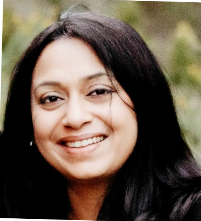
Rajashree Chakravarti, Ph.D Phenomenex
Rajashree Chakravarti, PhD is a Global Senior Product Manager at Phenomenex, where she leads product strategy and lifecycle development for advanced chromatographic solutions in the life sciences. With a PhD in Life Sciences and deep expertise in Clinical Research, she focuses on translating separation science into robust, market‑ready products. Rajashree is passionate about Voice‑of‑Customer–driven innovation, bridging R&D and commercial teams, and solving the most challenging analytical problems in LC and LC‑MS workflows.
Relevant Financial Disclosures
(within past 24 months, reported on Apr 15, 2026)
No relevant financial relationship(s) to disclose.
Anthony Maus, B.S., Ph. D. Mayo Clinic
Relevant Financial Disclosures
(within past 24 months, reported on Dec 22, 2022)
Not yet reported.
Shahana Huq Phenomenex
Shahana Huq is a senior scientist within the applications lab at Phenomenex. She holds a MS in Biochemistry from California State University, Los Angeles. Her work involves analytical method development, optimization and troubleshooting. She has broad base of experience in R&D product and application development in sample clean up technologies and equipment including HPLC, mass spectrometers and robotic liquid handlers. She works closely with customers in clinical industry, providing technical support and consultation as well as webinars and onsite seminars.
Relevant Financial Disclosures
(within past 24 months, reported on Sep 15, 2025)
No relevant financial relationship(s) to disclose.
Stephanie Marin, PhD Phenomenex
Stephanie J. Marin is the Senior Applied Markets Global Market Development Manager at Phenomenex. She received her Ph.D. in chemistry from Arizona State University, and has expertise in sample preparation, liquid chromatography and mass spectrometry. Dr Marin has worked in marketing, product development, method development and method validation, in addition to customer facing roles in technical support, service, education and training. She has over 10 years of experience developing and validating clinical methods from her tenure at the ARUP Institute for Clinical and Experimental Pathology. She has also held positions as an Applications Chemist at Hamilton Company and Biotage, Marketing Manager at Selerity Technologies and as a Group Leader in analytical services for specialty chemicals and polymers at Rohm and Haas (now Dow). She was also a supervisor at an EPA certified laboratory. She is the author of over 30 peer reviewed publications and book chapters and over 100 abstracts presented at national and international meetings. She is a member of SOFT, ACS and ADLM, and has served as a reviewer for SOFT and ADLM national meeting abstracts. She is also a reviewer for several journals, including Journal of Chromatography B, Journal or Analytical Toxicology, JMSACL.
Relevant Financial Disclosures
(within past 24 months, reported on Apr 02, 2026)
No relevant financial relationship(s) to disclose.
7:00
Check-in and Phenomenex-catered breakfast
7:30
Welcome and Introductions
7:45
Strata SE SLE - Reproducible, Sustainable Sample Preparation
Optimizing Aldosterone Purification Using Strata SE
Anthony Maus, PhD, Co-Director Clinical Mass Spectrometry Laboratory, Mayo Clinic
8:30
Methylmalonic Acid in Human Serum for Clinical Research
Shahana W. Huq, Senior Applications Scientist, Phenomenex
8:45
Quantitation of Underivatized Estrogens for Clinical Research
Stephanie J. Marin, Ph.D. Senior Market Development Manager, Phenomenex
730
900
Waters Petite Suite : Xevo TQ-Absolute IVD & Absolute XR
Location: Westmount 2
Lisa Calton, BSc(Hons), Ph.D Waters Corporation
Lisa Calton is currently employed at Waters Corporation, Wilmslow, UK as the Senior Director of Assay Research within the Clinical Business Unit. She manages a team of scientists dedicated to research and development activities of applications and products for clinical diagnostics and toxicology.
Relevant Financial Disclosures
(within past 24 months, reported on Jul 15, 2025)
Other Potential Conflicts
Waters Corporation / Employee / Stock
Daniel Kenny, PhD, MRes(Phil), BSc (Hons) Waters Corporation
Relevant Financial Disclosures
(within past 24 months, reported on Jan 17, 2024)
Free hormone analysis using the Xevo TQ Absolute for Clinical Research
Lisa Calton, Senior Director Assay Research & Development
8:15am-9:00am
Absolute Confidence in Quantitation – Introduction to the new Xevo TQ Absolute XR System
Daniel Kenny, Senior Director Clinical System & Software Development
730
900
Thermo Petite Suite : Promising Applications of Clinical LC-MS – A Review of Existing and New QQQ Technologies to Advance Free Testosterone Measurement
Location: Outremont 1
Leslie Farris, B.S. Cleveland Clinic Foundation
Relevant Financial Disclosures
(within past 24 months, reported on Aug 15, 2025)
No relevant financial relationship(s) to disclose.
Jessica Colón-Franco, PhD Cleveland Clinic Foundation
Dr Jessica M Colón-Franco is Section Head of Clinical Biochemistry and Director of the Special Chemistry Laboratory at Cleveland Clinic, and adjunct faculty at Cleveland State University in Cleveland, OH. In her current role, Jessica provides strategic, clinical and scientific direction to the clinical laboratories in the section. Previously, Jessica was Director of Chemistry, Toxicology and Point-of-Care at Wisconsin Diagnostic Laboratories and Associate Professor at the Medical College of Wisconsin in Milwaukee, WI. Jessica obtained her bachelor’s degree in industrial biotechnology from the University of Puerto Rico at Mayagüez, Puerto Rico and her doctorate degree in Biochemistry and Molecular Biology from the Mayo Graduate School, College of Medicine in Rochester, MN. She completed a fellowship in Clinical Chemistry at Vanderbilt University Medical Center in Nashville, TN. Jessica is a diplomate of the American Board of Clinical Chemistry, fellow of the AACC Academy and is a member of several laboratory medicine associations, where she has served in various committee roles. Jessica’s interests are focused on endocrinology, therapeutic drug monitoring and toxicology, and inflammatory biomarkers.
Relevant Financial Disclosures
(within past 24 months, reported on Feb 23, 2023)
Not yet reported.
Kerry Hassell ThermoFisher Scientific
Relevant Financial Disclosures
(within past 24 months, reported on Apr 20, 2026)
Accurate assessment of free testosterone (FT) is essential in evaluating androgen status, particularly in cases where total testosterone may be misleading due to altered binding protein levels. This workshop will describe a practical and state-of-the-art LC-MS/MS method for directly measuring FT from dialysate using equilibrium dialysis (ED), offering a streamlined and efficient solution for clinical laboratories.
Presenters will also introduce a new high-end triple quadrupole from Thermo Fisher and discuss how the newest hardware and software features enabled on the system deliver enhanced performance, increased system robustness, and improved productivity to meet demands of the high-volume clinical research and applied markets.
Learning Objectives
By the end of this session, participants will be able to:
1. Recognize the clinical relevance and limitations of total testosterone and free testosterone (calculated and measured) tests in assessing androgen status.
2. Describe the principles and challenges of measuring free testosterone using equilibrium dialysis and LC-MS/MS.
3. Assess the analytical and clinical performance of a direct equilibrium dialysis free testosterone measurement method.
730
830
Petite Suite Discussion : MSACL-Compliance and Accreditation Committee, what is that (MSACL-CAC)?
Judy Stone, MT (ASCP), PhD, DABCC has worked with LC-MS in diagnostic laboratories since 1999. Her clinical practice involved small molecule method development, instrument to instrument and instrument to LIS interfacing, LC-MS automation, monitoring quality of LC-MS methods in production and staff training for clinical LC-MSMS. She served as faculty chair for the 2009 AACC online certificate program “Using Mass Spectrometry in the Clinical Laboratory”, as a scientific committee member for the MSACL Practical Training track, and was editor-in-chief for the AACC Clinical Laboratory News quarterly feature series on Clinical LC-MS. She enjoys documenting and presenting esoteric as well as absurdly common LC-MS problems in creative ways in order to help trainees learn troubleshooting (and avoid repeating her mistakes).
Relevant Financial Disclosures
(within past 24 months, reported on Feb 15, 2024)
Dr. Budelier is the Section Chief and Medical Director of Clinical Chemistry and Toxicology at TriCore Reference Laboratories and Clinical Assistant Professor of Pathology at the University of New Mexico. She is also the CLIA laboratory director of TriCore's core laboratory. Her research interests are broadly focused on developing clinically useful, mass spectrometry-based assays to improve diagnosis and treatment of human disease. Her expertise are in Toxicology/TDM, assay development and validation, and protein quantification.
Relevant Financial Disclosures
(within past 24 months, reported on Feb 27, 2026)
Washington Univ - Patents (Methods for Detecting Neurofilament Light Chain in Plasma and Cerebrospinal Fluid; Multiplexed Assay for Amyloidosis Disorders); Tech licensed by WashU to C2N Dx
Alejandro Molinelli, PhD St. Jude Children's Research Hospital
Alejandro Molinelli, PhD is Director of the Clinical Pharmacokinetics Laboratory in the Department of Pharmacy and Pharmaceutical Sciences at St. Jude Children's Research Hospital. His duties include clinical consultancy, technical and regulatory oversight of the laboratory, and method development and validation. Dr. Molinelli also serves as a Clinical Chemist Consultant with the Department of Pathology at St. Jude. Prior to joining St. Jude Dr. Molinelli completed a Clinical Chemistry Fellowship at the University of Washington in Seattle; obtained his PhD in toxicology at the University of North Carolina at Chapel Hill; and bachelor’s and master’s degrees in biology and biochemistry at the University of Puerto Rico. Dr. Molinelli’s professional interests include therapeutic drug monitoring, clinical toxicology, and quality improvement.
Relevant Financial Disclosures
(within past 24 months, reported on Feb 03, 2025)
No relevant financial relationship(s) to disclose.
What (if anything) would you like the MSACL-CAC to do for CLIA, CAP, ISO 15189 or (other) LCMS labs to support their regulatory compliance and ease accreditation?
Some options below-come and tell us what you think, thumbs up or down, what else is needed?
1. Recommendations on LCMS LDTs to CMS for CLIA modernization
2. Practical resources on operations and quality assurance for LCMS best practice and to meet specific accreditation checklists (justifications, policies, procedures, worksheets, recommendations, webinars, job aids, data examples)
3. Quality Management Systems (QMS) for Clinical LCMS - what, why, how?
4. Staff training materials online
730
830
Petite Suite Discussion : Multi-omics by the MS Imaging Platform : What's new and what's needed?
Location: Outremont 5
Angela Kruse, PhD Ohio State University
Angela Kruse is a Research Assistant Professor in the department of Cell and Developmental Biology and the Mass Spectrometry Research Center at Vanderbilt University. Her research integrates imaging mass spectrometry, proteomics, spatial transcriptomics, biochemistry, and microscopy to understand how diabetes affects the molecular environment in the pancreas, kidney, and eye. She received her Ph.D. in Plant Pathology with a focus in Biochemistry from Cornell University prior to conducting her postdoctoral studies under the guidance of Drs. Richard Caprioli and Jeff Spraggins at Vanderbilt University. She plans to spend her career applying and integrating cutting edge technologies to address important challenges in human health and the environment.
Relevant Financial Disclosures
(within past 24 months, reported on Mar 13, 2026)
No relevant financial relationship(s) to disclose.
Peggi Angel, PhD MUSC Proteomics Center
Peggi Angel is tenured Professor at Medical University of South Carolina Department of Pharmacology & Immunology and Co-Director of Mass Spectrometry Imaging. Dr. Angel’s work focuses on the contribution of spatial chemical biology to the external, endogenous environmental in disparities of disease risk, progression, and therapeutic resistance. She has developed multiple mass spectrometry imaging approaches to spatial biology all of which are designed for use on clinically archived human specimens of tissues, cells and fluids, and are developed working with clinicians. Notably, she is the inventor of a spatial method targeting the collagen proteome in formalin-fixed, paraffin-embedded tissues that integrates collagen proteomic maps with spatial transcriptomics and microscopy studies. Dr. Angel has over 14 years cumulative experience in 5 biotech startups including Glycopath, Inc., a company that leveraged glycosylation patterns as a prognostic or diagnostic tool; she currently serves on the board of N-Zyme Scientifics, a company that produces enzymes for targeted mass spectrometry imaging. Dr. Angel is committed to creating a collaborative mass spectrometry imaging community and serves as Past President for the Americas Region of the International Mass Spectrometry Imaging Society, as a Trustee for the International Mass Spectrometry Imaging Society, and as Secretary on the USHUPO Board of Directors. Dr. Angel is devoted to coaching and mentoring, particularly for females and minorities, serving on multiple committees to advise and mentor young scientists in entrepreneurship within multidisciplinary teams
Relevant Financial Disclosures
(within past 24 months, reported on Jul 17, 2026)
Committee/Board/Advisory Board
N-zyme scientifics
MS Pathology studies are becoming increasingly complex as work is done to present a comprehensive portrait of the tissue microenvironment. At the same time, the mass spectrometry imaging platform is increasingly being used for not just multiomic tissues but is being extended to multiomics of cells and biofluids. We will discuss progress in the most recent applications of multiomics and explore to what end the extensive workflows are expected to have or have had an impact on understanding health status compared to other spatialomics. We will examine the utility of these workflows in moving to the clinic from the standpoint of creating standardized workflows to data analysis. We anticipate a robust discussion that will point towards necessary work in leveraging these workflows for human health.
730
830
Petite Suite Discussion : CANCELLED : Patient centric remote sampling for clinical diagnostics – How do we integrate these samples with existing (non-MS) laboratory workflows?
Location: Outremont 6
Shelley Hossenlopp, MS Poca International LLC
Executive with 37 years of global and domestic laboratory and medical device commercialization: sales, distribution, marketing, business development, funding, product management, clinical trials, regulatory, manufacturing and Intellectual Property strategy planning. Inventor with two patents as co-inventor with US Army pertain to laboratory consumable for biosecurity for samples. Advanced experience working with the Department of Defense (DoD) and other US and foreign government, Ministries of Health (MOH) and non-government agencies (NGO's) and Fortune 100, 500 firms.
Board level experience with commercial start-ups, universities and nonprofit 501(c)3 organizations.
Executive management level experience working with all business climates: start-ups, mid-level, Fortune 100 & 500 Corporations, and non-profit 501(c)3's to include fund-raising and M & A activities
Areas of Expertise in: sales, marketing, distribution, commercialization strategy, business development, acquisition, funding, intellectual property analysis, clinical affairs, research and product development and manufacturing: Conduct market analysis, develop sales forecasts, budgets, marketing, & distribution strategies, and commercialization plans. SG&A, P&L responsibilities, Manage clinical affairs and trials. IRB, IRC, and FDA PMA, De Novo, 510(k) experience, QSR and cGMP knowledge.
Relevant Financial Disclosures
(within past 24 months, reported on Feb 27, 2025)
No relevant financial relationship(s) to disclose.
Enaksha Wickremsinhe, PhD Gates Medical Research Institute
Enaksha has over 20 years of experience in Pharma R&D as a bioanalytical expert combined with ADME/DMPK project leadership.
He is currently a Bioassay Development Lead at the Gates Medical Research Institute. Prior to that he served as a Research Advisor at Eli Lilly and Company where he was responsible for the development, validation, and execution of quantitative LC-MS/MS assays supporting the entire small molecule portfolio, spanning from discovery to registration. He is also an expert on novel blood sampling technologies and supporting Decentralized Clinical Trials (DCTs). Enaksha has numerous publications demonstrating the adoption of patient centric minimally invasive blood sampling for PK as well as safety panels supporting global trials including pediatric. He is the co-chair of the AAPS Microsampling and Patient Centric Sampling discussion group. Enaksha represented PhRMA as a member of the ICH M10 Expert Working Group. He received his Ph.D. from the Pennsylvania State University and his undergraduate from the University of Peradeniya (Sri Lanka).
Relevant Financial Disclosures
(within past 24 months, reported on May 06, 2025)
Other Potential Conflicts
Eli Lilly and Company / Stock
Gates Medical Research Institute / Expenses
Gates Medical Research Institute / Salary
Dajana Vuckovic, PhD Concordia University
Dr. Dajana Vuckovic is Professor and Concordia University Research Chair in Clinical Metabolomics and Biomarkers and the Director of Centre for the Biological Applications of Mass Spectrometry at Concordia University. Her research program focuses on the development of novel mass spectrometry and microextraction methods to accurately measure challenging low-abundance and unstable metabolites and improve metabolite coverage and data quality in clinical metabolomics and lipidomics. Dr. Vuckovic is the recipient of the 2023 Fred Beamish Award from the Canadian Society for Chemistry and the 2024 Metabolomics Society medal. She serves on the editorial boards of Bioanalysis and Analytical and Bioanalytical Chemistry and currently co-leads the Best Practices Working Group of Metabolomics Quality Assurance and Quality Control Consortium. She has co-organized numerous scientific symposia at leading national and international conferences and has co-chaired Metabolomics 2023 conference held in Niagara Falls, Canada.
Relevant Financial Disclosures
(within past 24 months, reported on Mar 12, 2026)
No relevant financial relationship(s) to disclose.
THIS SESSION HAS BEEN CANCELLED (as of Sept 8, 2025)
Numerous technologies are now commercially available that facilitate the collection of human blood samples in locations away from the clinical setting. This approach is termed patient centric sampling, or microsampling and can involve the collection of samples from a finger stick, or from elsewhere on the body. The samples can be dried, or liquid and are often a smaller volume than those obtained by traditional phlebotomy.
The use of these approaches potentially enables samples to be collected from currently underserved communities (pediatric, elderly, remote areas, etc). Furthermore, the approach may enable more regular sampling of individuals to be performed and facilitates choice for the patient about how and where samples will be collected. These technologies also have the potential to overcome the discomfort, pain and fear that is encountered by many when collecting samples by traditional phlebotomy. However, the format of samples collected this way is often different to those routinely analyzed in the clinical laboratory, i.e. small volume, whole blood, dried blood, particularly for non LC/MS based assays. Participants of this workshop will take part in a facilitated discussion on what the challenges are in the clinical laboratory to the adoption of these technologies and will then focus on how they might be overcome
and what future activities might be required to enable this.
730
830
Petite Suite Discussion : Ensuring Statistical Power in Biomarker Discovery in Assay Development
Location: Outremont 7
Timothy Collier, PhD Quest Diagnostics
Dr. Timothy Collier is Scientific Director of Research & Development for the Quest Cardiometabolic Center of Excellence at Cleveland HeartLab, where his responsibilities include overseeing the identification and development of assays for cardiovascular biomarkers. He has been involved in the MSACL community for 10 years, serving as outgoing chair of the 2025 meeting in Montreal after chairing the 2024 meeting in Monterrey. He was the 2023 recipient of the Bereman Award for Innovative Clinical Proteomics, and enjoys mentoring new scientists involved in Clinical Mass Spectrometry.
Relevant Financial Disclosures
(within past 24 months, reported on Oct 11, 2025)
Other Potential Conflicts
Quest Diagnostics / Employee, Stock
The increasingly multiplexable capability LC-MS makes it a powerful tool for the discovery of not just single biomarkers but also make possible the use of statistical algorithms to translate the simultaneous measurement of multiple analytes into indicators of patients’ health status and prognoses. The successful development of novel biomarkers and panels requires experimental frameworks that ensure clinical results have sufficient statistical power. Regulatory agencies, including the NY State Department of Health, require descriptions of assay development processes, including the description of any statistical processes and software tools to derive analytical algorithms, from simple statistical approaches up to advanced artificial intelligence, machine learning, and/or natural language processing approaches. Regulatory agencies are also requiring detailed descriptions of discovery, test, and validation cohorts, power calculations to justify cohort sizes, and justification of said calculations.
These requirements have implications not only for commercial laboratories seeking to introduce a test to the market, but also for the academy, where most new biomarker discovery occurs. After this roundtable discussion, attendees should emerge with an understanding of some of the regulatory requirements on algorithms used in clinical measurements and what practices laboratories can adopt to meet these new requirements and enhance the translation of academic research into clinical application.
730
830
Breakfast Roundtables
Location: St Laurent (Exhibits)
Tiffany Payne Veris Marketing
Tiffany Payne studied mass spectrometry at the University of the Pacific under David Sparkman and holds an M.S. in Chemistry and Pharmaceutical Sciences. She started her career at Varían, Inc. as an Application Scientist and joined Agilent after their acquisition of Varían in 2010.
Relevant Financial Disclosures
(within past 24 months)
Not yet reported.
Emma Guiberson, PhD Middlebury College
Emma completed her B.S. in Chemistry and Philosophy at the University of Notre Dame, conducting research in organic chemistry and chemistry education research, before pursuing a PhD in Chemistry at Vanderbilt University. As a graduate student in the labs of Dr. Richard Caprioli and Dr. Jeff Spraggins, her research focused primarily on the application of imaging mass spectrometry to the gastrointestinal tract (Guiberson, et. al. JASMS 2022) and utilizing targeted small molecule analysis to better study bile acids in the gastrointestinal tract during Clostridioides difficile infection (Wexler and Guiberson, et. al. Cell Reports 2021). Additionally, she worked on utilizing spatial proteomics to understand abscess formation during Staphylococcus aureus infections (Guiberson and Weiss, et. al. ACS Infectious Diseases 2020). This work led to an interest in the gut microbiome and the metabolites produced by microbes in the gastrointestinal tract. After defending her PhD in August of 2022, Emma then joined the lab of Dr. Justin Sonnenburg at Stanford University to study microbial-derived metabolites. Her current work in the Sonnenburg lab focuses on both untargeted metabolomics using a library of microbiome-derived metabolites (Han, Guiberson, Sonnenburg, Protocol Exchange, 2022), as well as necessary targeted methods for quantitative analyses of metabolites of interest that accumulate as uremic toxins during kidney disease. Emma has since started her independent career at Middlebury College investigating the metabolome of the oral microbiome during oral disease.
Relevant Financial Disclosures
(within past 24 months, reported on Mar 05, 2025)
No relevant financial relationship(s) to disclose.
Stacy Beal, MD LetsGetChecked and University of Florida
Stacy G. Beal, MD is the Laboratory Director for LetsGetChecked, a high volume laboratory in Monrovia, CA and is an Associate Professor in the Department of Pathology, Immunology, and Laboratory Medicine at the University of Florida. She is board certified in Clinical Pathology, Medical Microbiology, and Clinical Informatics by the American Board of Pathology. Her interests include diagnostic testing, laboratory stewardship, and regulatory aspects of laboratory testing. She is an expert in laboratory quality and home collection of laboratory specimen. She served on the College of American Pathologists Quality Practices Committee and has extensive teaching experience. Dr. Beal currently resides in Gainesville, Florida. While not working, she is likely to be found dancing to Disney songs with her two daughters, on a tandem bike ride with her husband, or listening to a podcast about cooking while going for a long walk.
Relevant Financial Disclosures
(within past 24 months, reported on Feb 28, 2025)
No relevant financial relationship(s) to disclose.
Tim Garrett, PhD University of Florida College of Medicine
Dr. Garrett has over 20 years of experience in the field of mass spectrometry spanning both instrument and application development. He received his PhD from the University of Florida, under Dr. Richard A. Yost, working on the first imaging mass spectrometry-based ion trap instrument. He has also developed MALDI-based approaches to analyze proteins in bacteria and small molecules in tissue specimens. His current interests include development of techniques and instrumentation for metabolomics science using LC-HRMS and translational work in diagnostics for dried blood spots. He is an Associate Professor in the Department of Pathology at the University of Florida, and Director for the Southeast Center for Integrated Metabolomics (SECIM).
Relevant Financial Disclosures
(within past 24 months, reported on Sep 11, 2025)
No relevant financial relationship(s) to disclose.
Christa Cobbaert, PhD Leiden University Medical Centre (LUMC)
Professor Cobbaert is a European Specialist in Laboratory Medicine. She is heading the Department of Clinical Chemistry and Laboratory Medicine at the Leiden University Medical Centre, Leiden, NL. Her research focuses on Precision Diagnostics with quantitative bottom-up proteomics for enabling a refined molecular definition of Health and Disease. She currently chairs the International Federation of Clinical Chemistry and Laboratory Medicine (IFCC) Scientific Division Executive Committee, involved with metrological traceability and standardization of medical tests (http://www.ifcc.org/ifcc-scientific-division/). She is a member of ISO TC 212 working group 2 on Reference Systems and a personal member of the EURAMET Research Council.
She represents the European Federation in Laboratory Medicine (EFLM) in the IVD subgroup of the Medical Device Coordination Group during meetings with the European Commission on the implementation of the IVDR 2017/746. In this capacity she chairs the EFLM Committee on European Regulatory Affairs (https://www.eflm.eu/site/page/a/1650). She is the EFLM liaison to BioMed Alliance in Europe.
Relevant Financial Disclosures
(within past 24 months, reported on Oct 11, 2025)
No relevant financial relationship(s) to disclose.
Renee Ruhaak, PhD LUMC
Renee Ruhaak holds a PhD from the Leiden University Medical Center (LUMC, supervisor Prof. M. Wuhrer) and did a post-doc at UC Davis in the lab of Prof. C.B. Lebrilla prior to joining the department of Clinical Chemistry and Laboratory Medicine at the LUMC. She is currently an associate professor with a research focus on the application of mass spectrometry within the clinical setting. This entails both development and implementation of quantitative protein mass spectrometry, as well as the role of mass spectrometry in metrology and test standardization.
Relevant Financial Disclosures
(within past 24 months, reported on Feb 27, 2026)
Grant/Research Support
Octapharma
Table 01: PFAS Blood Serum Testing: Market Drivers, Resistors, and Research
Tiffany Payne
The state of Maine made headlines in May 2025 for unanimously passing legislation to require insurance coverage for blood serum testing for PFAS—similar to legislation New Hampshire passed in 2020. Testing capacity in the U.S. for PFAS in blood serum is limited, and some patients report waiting as long as three months for results. Meanwhile, conflicting medical recommendations and reduced funding for PFAS research present challenges to steady growth of the PFAS testing market.
Table 02: Undergraduate Research in Mass Spectrometry: How to make our labs more undergraduate friendly.
Emma Guiberson
More and more industries are looking for graduates trained in mass spectrometry, even at the bachelors level. Training our undergraduate population in these technologies is important now more than ever, yet requires a very different approach than graduate students. How do we best prepare our undergraduates for both industry and academic experiences using MS? What systems do we need in place within our labs to both support these students, and ensure consistency in data collection, analysis, and reporting? How do we keep these systems in place with the high rates of turnover in undergraduate researchers compared to graduate students? This brainstorming and networking roundtable will address these questions and share positive and negative experiences that can help inform groups including undergraduates moving forward.
This discussion will focus on the importance and impact of women in leadership roles within the laboratory. Despite the increasing representation of women in healthcare, leadership positions remain disproportionately occupied by men. This discussion aims to highlight the barriers women face in advancing to leadership roles, such as gender bias, lack of mentorship, and work-life balance challenges. Additionally, we will discuss the critical value women bring to laboratory leadership, including diverse perspectives, empathy, and innovative approaches to patient care and organizational management. We will examine strategies for fostering gender equity in leadership, including mentorship programs, organizational support for work-life integration, and policies aimed at addressing unconscious bias. Furthermore, we will explore the role of male allies in advancing these efforts and the importance of creating inclusive environments that allow women to thrive in senior roles. Through this discussion, we will propose actionable insights and recommendations.
Table 06: Effective Reviewing and Appropriate Author Responses for Submitted Manuscripts
Tim Garrett
Responding to reviewer comments is an essential part of resubmitting a manuscript. This roundtable will discuss effective ways of communicating your reviewer responses, answer questions you may have about the review process and enable you to improve your communication skills. It will also help you become a better reviewer.
Table 07: Standardization of Clinical Chemistry Tests: Why, What and How
Christa Cobbaert and Renee Ruhaak
Standardization of medical tests is of high importance to obtain accurate results. Accuracy and global exchangeability of results is imperative for global reference values, decision points and therapeutic targets as well as to make accurate deductions from large datasets through AI. In this roundtable we will discuss the current status of standardization of clinical chemistry tests, the initiation and coordination of standardization efforts, the role of mass spectrometry in standardization and the potential impact of standardization. So, if you want to know why and how to get involved in standardization initiatives, join this roundtable discussion!
Judith Steen, PhD Harvard Medical School & Boston Children's Hospital
Dr. Judith Steen is a Professor of Neurology at Harvard Medical School, the Director of the Neuroproteomics Laboratory in the F.M. Kirby Center for Neurobiology at Boston Children's Hospital, and a member of the Harvard Stem Cell Institute (HSCI). Dr. Steen has pioneered innovative mass spectrometry-based proteomic approaches to understand neurodegenerative diseases, focusing on how central and peripheral nervous system cells are born, maintained, and die. Her laboratory has developed groundbreaking technologies, including the FLEXITau platform, which enables comprehensive quantification of tau protein post-translational modifications (PTMs), revealing critical Alzheimer's Disease stages and patient heterogeneity as published in Cell and Nature Medicine. Her landmark studies provided the first comprehensive maps of human tau modifications, defining molecular structures of tau prions and correlating specific PTMs with disease progression. Dr. Steen's work extends beyond tau pathology to include novel proteogenomic methods that identify non-canonical translation products under neuronal stress and systems biology approaches that reveal master regulators for neuronal regeneration after injury. Through sophisticated quantitative proteogenomic and computational biology approaches, the Steen lab dissects how genetics, infection, excitotoxicity, injury, and aging contribute to neurodegeneration, and why specific CNS cells show greater vulnerability than others. Her contributions have significantly advanced our understanding of neurodegenerative mechanisms and opened new avenues for diagnostics and therapeutic interventions.
Relevant Financial Disclosures
(within past 24 months, reported on Oct 11, 2025)
No relevant financial relationship(s) to disclose.
Neurodegenerative disorders such as Alzheimer's Disease, Frontotemporal Degeneration, Parkinson's Disease, and Amyotrophic Lateral Sclerosis share a common pathological signature: the aggregation of specific proteins, including tau, TDP43, and alpha-synuclein. These proteopathies represent a critical juncture where normal proteins transform into pathological entities, driving neuronal dysfunction and death. Despite decades of research, the precise molecular mechanisms governing this transformation remain elusive.
To address this fundamental gap, we developed innovative mass spectrometry-based proteomic platforms with unprecedented sensitivity and specificity for characterizing disease-associated protein modifications. Our approaches comprehensively map and quantify post-translational modifications on pathological protein aggregates extracted from human patients and animal models across disease progression timelines. By analyzing these "molecular fingerprints" in large patient cohorts, we have revealed distinct modification patterns that define disease stages, patient subtypes, and predict clinical trajectories.
Our studies have uncovered the sequential accumulation of tau modifications during Alzheimer's pathogenesis and identified specific chemical alterations that enhance tau's propensity to aggregate and propagate between neurons. Importantly, these precise molecular characterizations distinguish pathological protein species from their normal counterparts, enabling the development of highly selective therapeutic strategies that target disease-driving protein forms while preserving essential physiological functions.
This presentation will highlight how quantitative proteomics has transformed our understanding of proteopathies and demonstrate how these insights create new paradigms for early diagnosis and precision therapeutics in neurodegenerative diseases.
Early Career and first time attendees are encouraged to meet at the MSACL registration desk at 2:40pm to join a POSTER TOUR with a guiding mentor. Poster Tour Overview
Celebration Dinner: Trivia or Lounge — Choose Your Experience!
Location: Salon Bonaventure, Hotel Level
Margret Thorsteinsdottir, PhD University of Iceland
Professor in Pharmaceutical Analytical Chemistry at the Faculty of Pharmaceutical Sciences, University of Iceland and R&D Director of ArcticMass LTd, Reykjavik, Iceland. Dr. Thorsteinsdóttir received her PhD from Uppsala University, Sweden in 1998. From 2000 to 2009 she was the managing director of Bioanalytical Laboratories at deCODE Genetics, Reykjavik, Iceland. She has extensive experience in development of analytical methods for metabolite profiling and quantification of clinical biomarkers in various biofluids utilizing chemometrics with the goal of improved clinical management of patients towards personalized patient care.
Her current research interest includes studies of lipid metabolism in cancer cells and profiling plasma derived biomarkers for early detection of BRCA-related breast cancer. She is responsible for implementation of clinical mass spectrometry for support of diagnostics and therapeutic drug monitoring in collaboration with ArcticMass and the Landspitali University Hospital, Reykjavik, Iceland with major focus on quantitative targeted proteomics for clinical diagnosis. She is a principal investigator of the Icelandic Research Rannis projects, profiling metabolites for breast cancer diagnosis and search for novel biomarkers for early breast cancer diagnosis by metabolomics. Dr. Thorsteinsdóttir is a principal investigator for the Marine Biotechnology ERA-net project CYNOBESITY and the Horizon 2020 project MossTech, with the main task to isolate, identify and structurally characterize bioactive compounds from cyanobacteria, Icelandic mosses and liverworts. She is one of the founders of Females in Mass Spectrometry (FeMS), she is a vice-leader of the working group clinical significance and applications of (epi)lipidomics in the pan-European network, EpiLipidNET and vice-chair of the Nordic Metabolomics Society.
Relevant Financial Disclosures
(within past 24 months, reported on Mar 12, 2025)
No relevant financial relationship(s) to disclose.
Timothy Collier, PhD Quest Diagnostics
Dr. Timothy Collier is Scientific Director of Research & Development for the Quest Cardiometabolic Center of Excellence at Cleveland HeartLab, where his responsibilities include overseeing the identification and development of assays for cardiovascular biomarkers. He has been involved in the MSACL community for 10 years, serving as outgoing chair of the 2025 meeting in Montreal after chairing the 2024 meeting in Monterrey. He was the 2023 recipient of the Bereman Award for Innovative Clinical Proteomics, and enjoys mentoring new scientists involved in Clinical Mass Spectrometry.
Relevant Financial Disclosures
(within past 24 months, reported on Oct 11, 2025)
Other Potential Conflicts
Quest Diagnostics / Employee, Stock
Daniel Holmes, MD, FRCPC St. Paul’s Hospital
Daniel Holmes did his undergraduate training in Chemistry and Physics at the University of Toronto before deciding to pursue medicine as a career. He attended medical school at the University of British Columbia where pathology became his area of major interest. The strong influence of his academic mentors led him to enter the Medical Biochemistry residency training program at UBC. This allowed him to use his background knowledge of chemistry in application to medicine. Areas of clinical interest are diagnostic lipidology/endocrinology and research interests are in the utilization of mathematics and computer diagnostics to laboratory medicine.
Relevant Financial Disclosures
(within past 24 months, reported on Feb 27, 2026)
Honorarium/Expenses
Novo Nordisk (ended)
All MSACL 2025 attendees are invited to our closing dinner — no extra sign-up or fee required. Pick your preferred atmosphere:
Team Trivia Dinner (Salon Bonaventure) – Grab a table, form a team, and test your wits in a classic pub-style trivia game.
Dinner Club Lounge (Salon Ville Marie) – Kick back in a more casual lounge setting designed for mingling, conversation, and connection.
Both rooms will feature Closing Remarks and the Poster Award Winner Announcements — so no matter where you go, you won’t miss a thing.
2100
2330
MSACL Hospitality Lounge
Location: Salon Ville-Marie, Hotel Level
All attendees are welcome to close out the evening in Salon Ville Marie. MSACL will host drinks and snacks. The evening will open with a live jazz duo and close out with karaoke.